Wastewater Analyzer
Wastewater Analyzer
In the realm of industrial automation and environmental management, the wastewater analyzer serves as a critical diagnostic tool. These instruments are designed to monitor the chemical and physical properties of effluent and process water, ensuring that discharge meets regulatory standards and that treatment processes operate at peak efficiency. For engineers and plant managers, understanding the synergy between water quality analysis and physical parameters—such as volume and flow—is essential for comprehensive system control.
Effective wastewater management requires more than just measuring the quantity of liquid; it requires a deep dive into the composition of that liquid. While level measurement technologies like radar and ultrasonic sensors provide data on the "how much," a wastewater analyzer provides the "what." Together, these instruments form the backbone of modern water treatment facilities, chemical plants, and oil and gas operations.
Principles of Wastewater Analysis
To select the correct wastewater analyzer, one must first understand the fundamental measurement principles employed by these devices. Most industrial analyzers focus on a few key parameters: pH, oxidation-reduction potential (ORP), dissolved oxygen (DO), turbidity, and specific nutrient concentrations.
Electrochemical Sensing (pH and ORP)
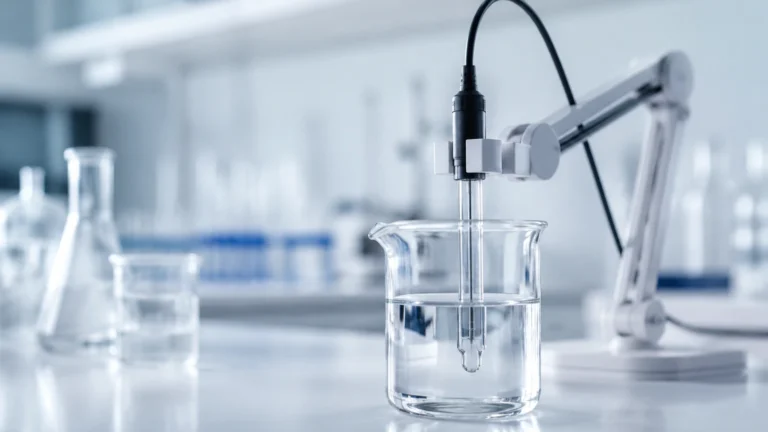
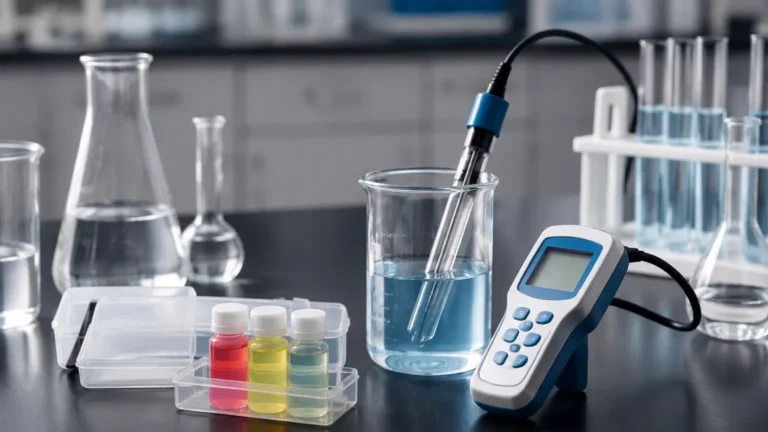
pH measurement is perhaps the most common form of wastewater analysis. It relies on a potentiometric principle, typically using a glass electrode that is sensitive to hydrogen ion activity. A reference electrode provides a stable potential against which the measuring electrode is compared. ORP sensors work similarly but measure the overall oxidative or reductive capacity of the water, which is vital in processes like chlorine disinfection or metal precipitation.
Optical Sensing (Dissolved Oxygen and Turbidity)
Dissolved oxygen is a primary indicator of biological health in wastewater treatment. Modern analyzers often use optical (luminescence) technology. A sensor head coated with a luminescent dye is excited by a blue light; the presence of oxygen "quenches" this luminescence. The rate of quenching is proportional to the oxygen concentration. Turbidity and Total Suspended Solids (TSS) also use optical principles, typically measuring the scattering of infrared light (90-degree scatter or backscatter) to determine the concentration of suspended particles.
Colorimetric and Ion-Selective Analysis
For complex parameters like ammonia, phosphorus, or heavy metals, analyzers may use colorimetry—where reagents are added to a sample to produce a color change proportional to concentration—or Ion-Selective Electrodes (ISE), which function similarly to pH probes but are tuned to specific ions like ammonium or nitrate.
Integrating Analysis with Level Measurement
In a practical engineering context, a wastewater analyzer rarely operates in isolation. It is usually part of a wider control loop that includes level measurement instruments. For instance, in a neutralization tank, a pH analyzer controls the dosing of acid or base, while a hydrostatic level transmitter or an ultrasonic level sensor ensures the tank does not overflow and that there is sufficient volume for the chemical reaction to occur.
For facilities looking to optimize their entire liquid management chain, it is helpful to Review product options and application support on the Welk Main Page to see how high-precision level instruments complement analytical data. When level and quality data are integrated, operators can calculate mass balance, detect leaks more accurately, and automate sludge removal based on both the height of the sludge blanket and the TSS concentration.
Key Evaluation Criteria for Wastewater Analyzers
Selecting a wastewater analyzer involves balancing technical requirements with the harsh realities of the industrial environment. The following criteria are paramount:
1. Media Composition: Wastewater is rarely clean. The presence of oils, fats, greases (FOG), and abrasive solids can quickly foul or damage sensitive electrodes. Analyzers must be chosen based on their resistance to these contaminants.
2. Measurement Range and Accuracy: Ensure the sensor's range matches the expected fluctuations in the process. For example, a pH sensor used in a chemical discharge line may need to handle a range from 2 to 12 pH, whereas a biological tank might stay within 6 to 8 pH.
3. Maintenance Requirements: Sensors in wastewater applications require regular cleaning and calibration. Look for systems with "self-cleaning" features, such as air-blast or mechanical wipers, to extend the interval between manual interventions.
4. Data Integration: Most modern B2B applications require 4-20mA, Modbus RS485, or HART communication protocols to feed data into a central PLC or SCADA system.
Selection Table: Common Wastewater Parameters
| Parameter | Measurement Principle | Typical Application | Maintenance Level |
| :— | :— | :— | :— |
| pH | Potentiometric (Glass Electrode) | Neutralization, Effluent monitoring | High (Weekly calibration) |
| Dissolved Oxygen | Optical (Luminescence) | Aeration tanks, River monitoring | Low to Medium |
| Turbidity / TSS | Optical (Light Scatter) | Clarifier effluent, Filter monitoring | Medium (Requires cleaning) |
| Conductivity | Inductive or Contacting | Salinity, Chemical concentration | Low |
| ORP | Potentiometric (Platinum) | De-chlorination, Cyanide destruction | High |
Installation Considerations and Best Practices
Proper installation is the difference between a reliable wastewater analyzer and a constant source of false alarms.
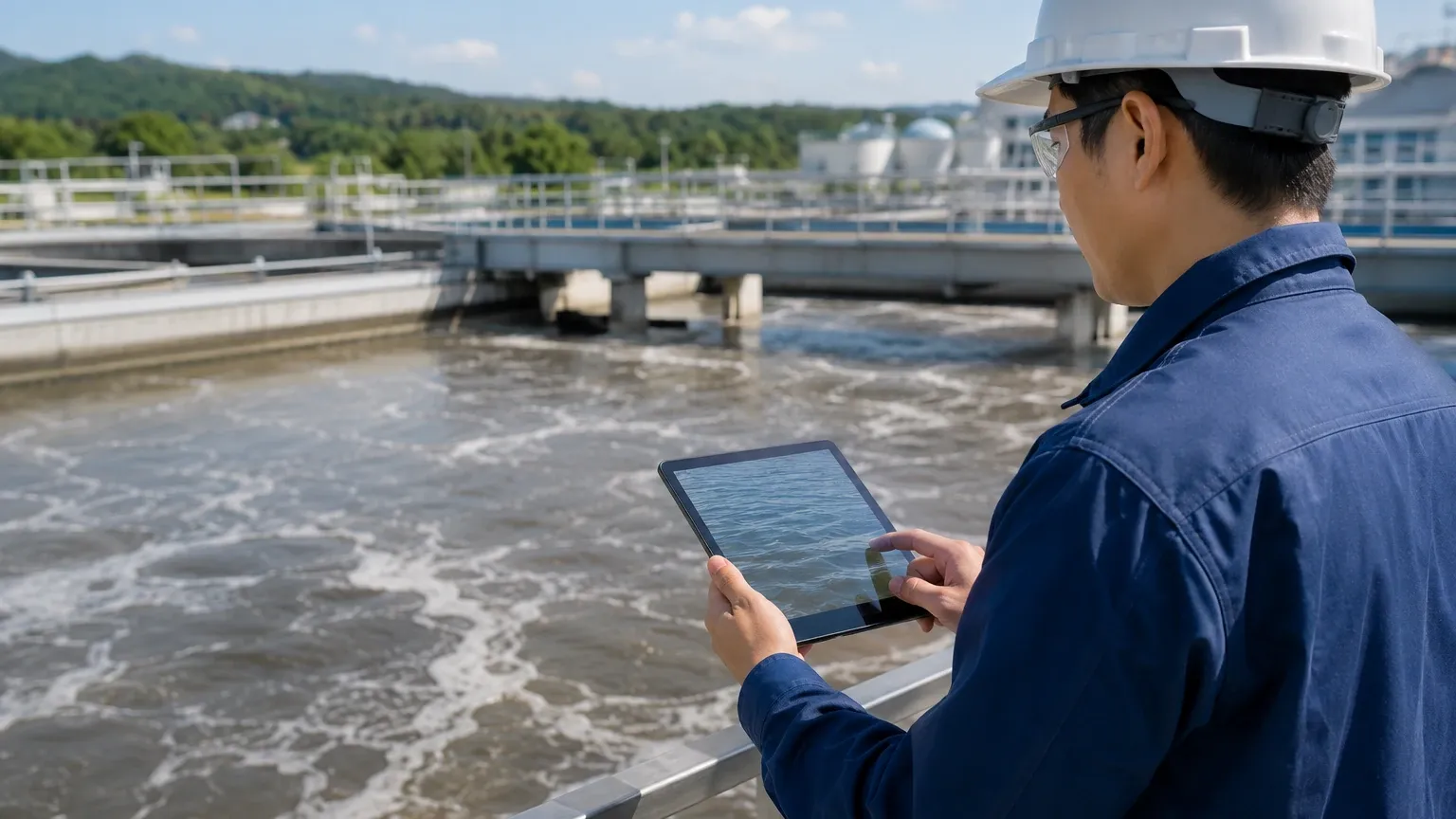
* Flow Velocity: Sensors should be installed in areas with sufficient flow to ensure a representative sample and to minimize the buildup of solids. However, excessively high velocity can cause physical wear on the sensor body.
* Immersion Depth: Sensors must remain fully submerged even at the lowest expected liquid levels. This is where coordination with level measurement becomes critical; the level sensor should trigger an alarm or shut down the analyzer if the liquid drops below the probe's minimum immersion depth.
* Mounting Angle: Many pH and ORP probes must be mounted at an angle (typically at least 15 degrees above horizontal) to ensure that the internal electrolyte stays in contact with the junction and to prevent air bubbles from being trapped against the sensing surface.
* Accessibility: Analyzers should be installed where technicians can safely reach them for calibration. If a sensor is located in a deep sump, a swing-out mounting arm or a retractable housing is recommended.
Limitations and Common Risks
While advanced, a wastewater analyzer is not a "set and forget" device. Engineers must account for the following limitations:
* Biofouling: In biological treatment stages, bacteria will grow on any surface, including sensor lenses and membranes. This "biofilm" can insulate the sensor from the actual process water, leading to sluggish response times or drifted readings.
* Chemical Interference: Certain chemicals can "poison" electrochemical sensors. For instance, sulfides can react with the silver/silver-chloride reference elements in pH probes, leading to permanent damage.
* Temperature Sensitivity: Almost all analytical measurements are temperature-dependent. Ensure the analyzer includes an integrated temperature sensor for automatic compensation (ATC).
Frequently Asked Questions (FAQ)
Q: How often should a wastewater analyzer be calibrated?
A: Calibration frequency depends on the parameter and the environment. pH sensors in harsh chemical environments may need weekly calibration, while optical dissolved oxygen sensors might only require calibration once every few months.
Q: Can I use the same analyzer for different types of wastewater?
A: Not necessarily. An analyzer designed for municipal wastewater might lack the chemical compatibility required for industrial chemical effluent. Always check the wetted material specifications (e.g., PVC, PTFE, or Stainless Steel).
Q: What is the difference between an "in-situ" and an "extractive" analyzer?
A: In-situ analyzers measure directly in the tank or pipe. Extractive analyzers pump a sample to a separate cabinet. In-situ is generally more cost-effective and provides faster response times, while extractive is used for complex chemical analyses that require reagents.
Q: How do I prevent solids from clogging my sensors?
A: Use sensors with flat-surface electrodes or integrated cleaning systems. Additionally, installing the sensor in a bypass line with a strainer can help, though this requires regular strainer maintenance.
By carefully selecting a wastewater analyzer and integrating it with reliable level measurement solutions, industrial operators can ensure regulatory compliance, protect downstream environments, and optimize their chemical and energy consumption. For more information on the physical measurement side of these systems, visit the Welk Main Page to explore professional industrial level measurement instruments.