Water Level in Brine Tank of Water Softener
Water Level in Brine Tank of Water Softener
In industrial water treatment, the management of the brine system is a critical factor in the efficiency of ion exchange processes. The water level in brine tank of water softener systems must be precisely monitored to ensure that the salt saturation remains constant for resin regeneration. Improper level management can lead to incomplete regeneration, hard water breakthrough, or excessive salt consumption, all of which increase operational costs and risk equipment damage.
This article provides a technical overview of the measurement principles, selection criteria, and installation best practices for monitoring brine levels in commercial and industrial environments.
The Role of Level Measurement in Brine Systems
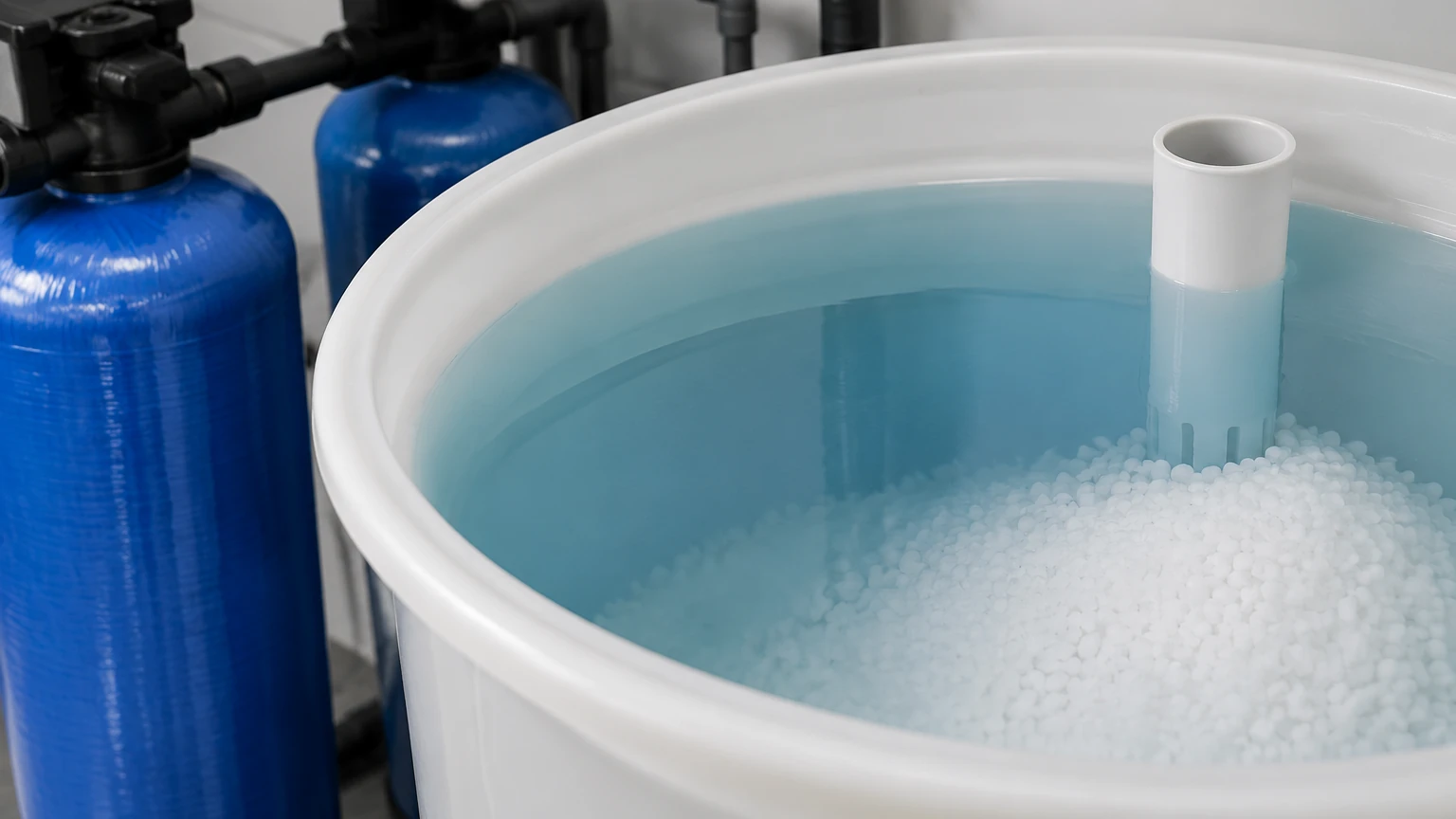
A brine tank serves as the reservoir for the concentrated salt solution used to regenerate the ion exchange resin. During the regeneration cycle, a specific volume of brine is drawn into the resin tank. To maintain a consistent brine concentration (typically around 26% salt by weight), the water level must be carefully controlled.
Monitoring the water level in brine tank of water softener applications involves two primary challenges: the corrosive nature of the saturated sodium chloride solution and the presence of solid salt pellets. If the water level is too high, the tank may overflow; if it is too low, the system may draw air or insufficient brine, leading to failed regeneration. Furthermore, the accumulation of salt at the bottom of the tank and the potential for "salt bridges" (a hard crust forming over the water) can interfere with traditional mechanical float switches.
Measurement Principles for Brine Tanks
To achieve reliable data, engineers must select a measurement technology that suits the physical characteristics of the brine solution and the tank geometry. Below are the primary principles used in modern industrial level sensing.
1. Ultrasonic Level Measurement (Non-Contact)
Ultrasonic sensors operate on the Time-of-Flight (ToF) principle. The sensor emits a high-frequency sound pulse that travels through the air, reflects off the liquid surface, and returns to the transducer. The distance is calculated based on the speed of sound.
* Advantages: Non-contact measurement avoids corrosion from the brine. It is cost-effective and easy to install.
* Limitations: Ultrasonic waves can be affected by heavy salt dust or significant temperature fluctuations which alter the speed of sound. In narrow brine wells, signal interference from the walls may occur.
2. Radar Level Measurement (Non-Contact)
Radar sensors, particularly those operating at 80 GHz, utilize Frequency Modulated Continuous Wave (FMCW) technology. Like ultrasonic sensors, they measure the time it takes for a signal to return, but they use electromagnetic waves rather than sound.
* Advantages: Radar is unaffected by dust, vapor, or temperature changes. The narrow beam angle of high-frequency radar allows for installation in narrow brine wells or tanks with internal obstructions.
* Limitations: Higher initial investment compared to ultrasonic or hydrostatic methods.
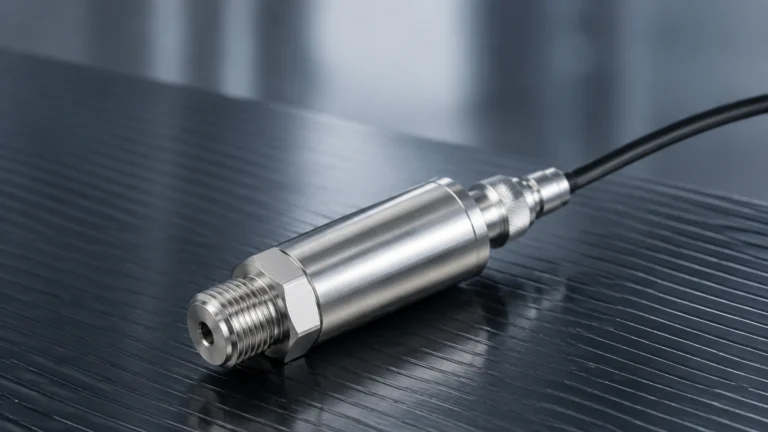
3. Hydrostatic Pressure Measurement (Contact)
This method measures the pressure exerted by the liquid column at the bottom of the tank. The pressure ($P$) is proportional to the height of the liquid ($h$) and the density ($
ho$) of the brine ($P =
ho gh$).
* Advantages: Provides a direct measurement of the liquid head regardless of surface foam or salt bridges.
* Limitations: Because brine density changes with salt concentration and temperature, the sensor must be calibrated for the specific gravity of saturated brine (approx. 1.2 g/cm³). The sensor materials must be highly corrosion-resistant, such as Hastelloy or ceramic diaphragms.
4. Magnetic Level Gauges and Float Switches
These mechanical systems use a float with an internal magnet that moves with the liquid level, triggering reed switches or moving an external indicator.
* Advantages: Simple, visual, and does not require complex electronics for basic high/low alarms.
* Limitations: Salt crystallization can cause the float to stick. Mechanical parts require frequent cleaning in brine applications.
Technology Selection Guide
Choosing the right instrument depends on the tank size, the presence of solid salt, and the required accuracy. The following table compares the most common technologies for monitoring the water level in brine tank of water softener systems.
| Feature | Ultrasonic | 80GHz Radar | Hydrostatic | Magnetic Float |
| :— | :— | :— | :— | :— |
| Measurement Type | Non-contact | Non-contact | Contact (Pressure) | Contact (Mechanical) |
| Accuracy | ±2 mm to 5 mm | ±1 mm | ±0.1% to 0.5% Span | ±5 mm to 10 mm |
| Corrosion Resistance | Excellent (No contact) | Excellent (No contact) | Requires specialized alloys | Moderate (Requires cleaning) |
| Effect of Salt Dust | Moderate | Negligible | None | None |
| Effect of Density | None | None | High | Moderate |
| Typical Application | Open tanks / Sumps | Narrow wells / Process tanks | Deep tanks / Enclosed vessels | High/Low Level Alarms |
Key Factors Influencing Water Level in Brine Tank of Water Softener
When designing or troubleshooting a brine level system, several factors must be considered to ensure the "water level in brine tank of water softener" remains within operational parameters.
Salt Displacement
The water level in a brine tank is not just a function of the liquid volume; it is also affected by the volume of solid salt present. As salt dissolves, the displacement changes. Industrial systems often use a "dry salt" or "wet salt" storage method. In wet salt storage, the water level must be maintained above the salt bed to ensure complete saturation. In dry salt storage, water is only added before regeneration, meaning the sensor must be capable of detecting rapid level changes.
Brine Density and Temperature
Saturated brine is significantly denser than pure water. For hydrostatic sensors, a change in salt concentration from 10% to 26% will result in a different pressure reading for the same physical height. If the water softener is located in an unconditioned space, temperature swings can also affect the density and the speed of sound for ultrasonic sensors.
Salt Bridging and Mushing
Salt bridging occurs when a hard crust forms over the water level, leaving an empty space beneath it. A non-contact sensor might measure the top of the bridge rather than the actual liquid level. "Mushing" occurs when salt pellets break down into fine granules that settle at the bottom, potentially burying hydrostatic sensors or clogging float mechanisms.
Installation and Maintenance Considerations
Proper installation is paramount to avoiding false readings. For a wide range of industrial-grade sensors designed for these environments, engineers may Review product options and application support at the Welk official site.
Mounting Location
* Avoid the Fill Pipe: Sensors should be mounted away from the water inlet to prevent turbulence and false readings during the refill cycle.
* Brine Well Installation: Many industrial brine tanks use a vertical pipe (brine well) to house the level sensor and brine draw-off valve. If using radar or ultrasonic sensors in a well, ensure the pipe is smooth and the sensor beam is centered to avoid edge reflections.
* Standoff Pipes: For radar sensors, using a standoff pipe can help protect the antenna from salt splashes while maintaining a clear signal path.
0
Material Compatibility
Given that sodium chloride is highly corrosive, all wetted parts (for hydrostatic or float sensors) should be made of PVC, PTFE, or high-grade stainless steel with specialized coatings. Even for non-contact sensors, the housing should be rated (e.g., IP67 or IP68) to withstand the salty atmosphere.
Maintenance Schedule
1. Monthly: Visually inspect the tank for salt bridges. Check non-contact sensor faces for salt crystal buildup.
2. Quarterly: For hydrostatic sensors, verify the calibration against a manual dip-tape measurement. Clean any "mush" from the bottom of the tank that might be obstructing the sensor diaphragm.
3. Annually: Perform a full system test, including high-level and low-level alarms, to ensure the control valve responds correctly to the level sensor's output.
Frequently Asked Questions (FAQs)
Q: What is the normal water level in brine tank of water softener systems?
A: In a standard "wet salt" system, the water level should typically be a few centimeters above the salt grid or covering the salt pellets. However, this varies by manufacturer. The key is ensuring there is enough water to create the volume of brine required for one regeneration cycle plus a safety margin.
Q: Why is my brine tank water level too high?
A: A high water level often indicates a failure in the brine refill valve, a clogged injector, or a malfunctioning level sensor that failed to signal the controller to stop the fill cycle. It can also be caused by excessive backpressure in the drain line.
Q: Can I use a standard pressure transmitter for brine level?
A: Only if the transmitter is designed for corrosive liquids. Standard 316 stainless steel may eventually pit and fail in saturated brine. Ceramic or Hastelloy diaphragms are preferred for long-term reliability.
Q: How does salt dust affect ultrasonic sensors?
A: Heavy salt dust can attenuate the ultrasonic signal, leading to "lost echo" errors. If the tank is frequently filled with bulk salt via pneumatic systems, a high-frequency radar sensor is a much more reliable choice as it is unaffected by airborne particulates.
Conclusion
Accurate monitoring of the water level in brine tank of water softener systems is essential for maintaining water quality and operational efficiency in industrial settings. While simple float switches may suffice for small-scale applications, industrial processes benefit significantly from the reliability of non-contact radar or robust hydrostatic pressure transmitters. By understanding the measurement principles and the unique challenges of the brine environment, engineers can select the most cost-effective and durable solution for their facility.
For further technical specifications and to explore level measurement hardware tailored for water treatment applications, visit the Main Page of the Welk product catalog.
Download Water Level in Brine Tank of Water Softener as a PDF