Water Sampling Devices
Water Sampling Devices
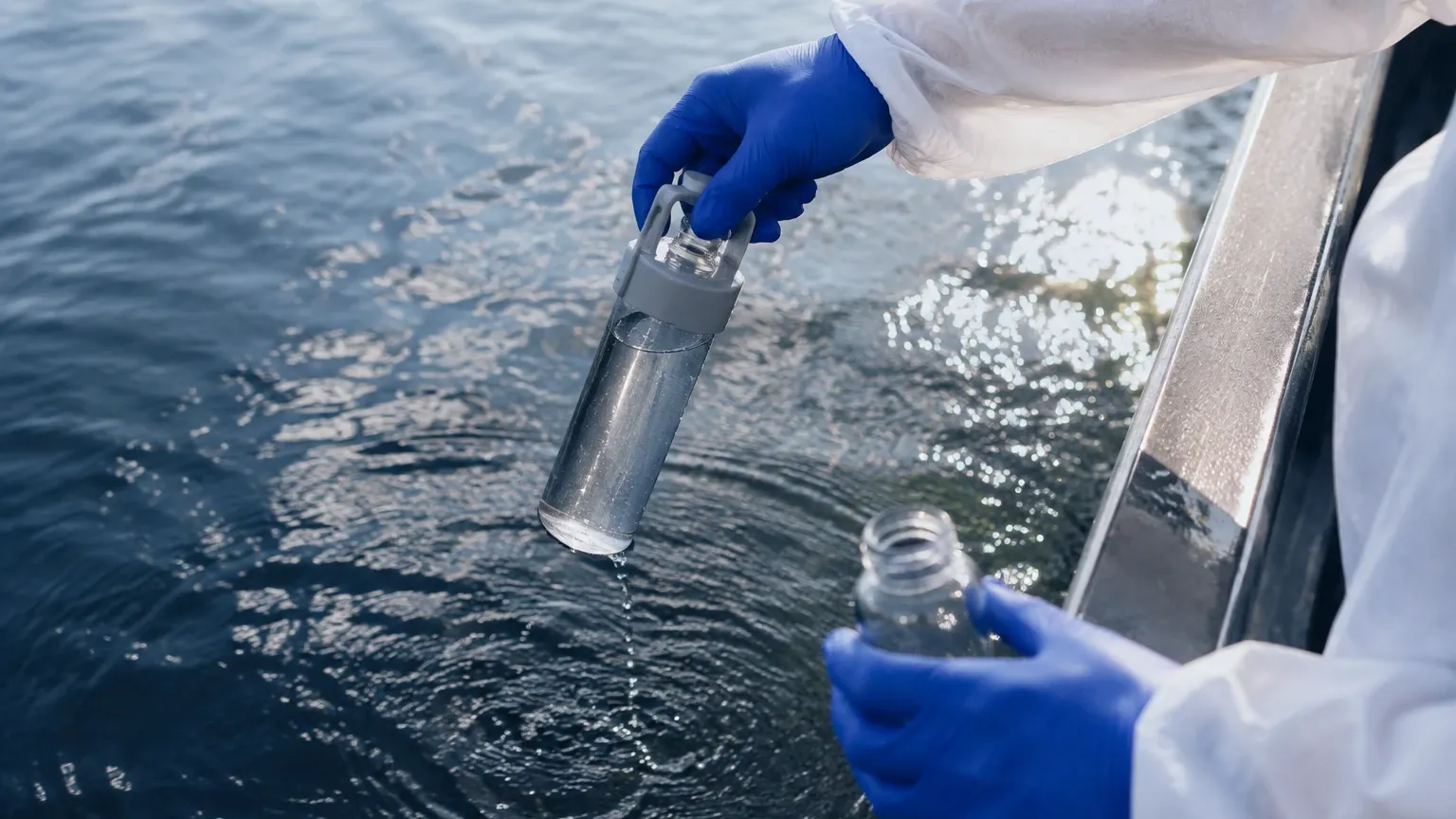
In industrial water management, the ability to obtain representative samples is fundamental to regulatory compliance, process optimization, and environmental protection. Water sampling devices are specialized instruments designed to collect a specific volume of water from a source—such as a tank, open channel, or pressurized pipe—for subsequent physical, chemical, or biological analysis. While the analysis occurs in a laboratory, the integrity of the data depends entirely on the precision and reliability of the sampling device used at the source.
For engineers and plant managers, selecting the right sampling technology requires an understanding of both the fluid dynamics of the source and the specific requirements of the analytical parameters. This guide explores the principles, types, and selection criteria for water sampling devices, emphasizing their integration with modern level measurement systems to ensure data accuracy.
Understanding Water Sampling Principles
Before selecting a device, it is essential to understand the two primary modes of sampling: grab sampling and composite sampling. The choice between these modes is dictated by the variability of the water quality and the objectives of the monitoring program.
Grab Sampling
Grab sampling involves collecting a single discrete volume at a specific point in time. This method provides a "snapshot" of the water quality. It is most effective when the water composition is relatively constant or when monitoring for parameters that change rapidly, such as dissolved gases or pH. However, grab samples may miss transient events or fluctuations in pollutant concentrations.
Composite Sampling
Composite sampling involves collecting multiple small samples (sub-samples) over a defined period or based on a specific volume of flow. These sub-samples are pooled into a single container. This method provides an average representation of the water quality over time. Composite sampling is further divided into:
* Time-Proportional Sampling: Samples are taken at fixed time intervals (e.g., every 30 minutes).
* Flow-Proportional Sampling: Samples are taken based on flow volume (e.g., every 1,000 liters). This requires integration with a flow meter or a level-to-flow conversion system.
Core Technologies in Water Sampling Devices
Water sampling devices vary significantly in their mechanical design and automation levels. The following categories represent the most common technologies used in industrial and environmental applications.
1. Manual Sampling Tools
Manual devices are the simplest form of water sampling equipment. They are typically used for grab sampling in accessible locations.
* Bailers: Often used in groundwater monitoring, these are long, thin tubes with a check valve at the bottom. When lowered into a well, the valve opens to let water in and closes when the tube is raised.
* Dip Samplers: A bottle attached to a pole, used to collect samples from the surface of tanks or open channels.
2. Automatic Samplers (Active Systems)
Automatic water sampling devices are the standard for industrial discharge monitoring and wastewater treatment plants. They use electronic controllers to manage sampling intervals and volumes.
* Peristaltic Pump Samplers: These use a rotating roller to compress a flexible tube, creating a vacuum that draws water into the sample container. This is the most common type because the water only contacts the tubing, reducing the risk of cross-contamination.
* Vacuum-Pressure Samplers: These use a vacuum pump to draw water into a metering chamber. Once the chamber is full, the vacuum is released, and the sample is pushed into the container using air pressure. These are often used when higher lift heights (greater than 7–8 meters) are required.
3. Passive Samplers
Passive devices remain in the water for extended periods (days to weeks) and collect pollutants through diffusion or adsorption. They are used primarily for environmental research to detect long-term exposure to trace contaminants.
Selection Criteria for Industrial Applications
Choosing the appropriate water sampling device involves balancing technical requirements with site-specific constraints. The following table provides a comparison of common sampling technologies based on key performance indicators.
| Feature | Manual Samplers | Peristaltic Auto-Samplers | Vacuum-Pressure Samplers |
| :— | :— | :— | :— |
| Primary Use | Spot checks / Groundwater | Wastewater / Industrial | High-lift / Deep wells |
| Max Lift Height | Limited by rope length | 7 to 8.5 meters | Up to 15+ meters |
| Sample Integrity | High (if handled correctly) | High (tubing contact only) | Moderate (air contact) |
| Automation | None | Full (Time/Flow/Event) | Full (Time/Flow/Event) |
| Maintenance | Very Low | Moderate (Tubing wear) | High (Valves/Chambers) |
| Cost | Low | Moderate to High | High |
Key Evaluation Factors
1. Chemical Compatibility: Ensure the materials of the sampler (tubing, valves, containers) are compatible with the fluid. For example, Teflon or glass is required for organic solvent sampling, while medical-grade PVC may suffice for general wastewater.
2. Lift Height: In deep tanks or manholes, the vertical distance the water must be lifted is critical. Peristaltic pumps lose efficiency as the lift height increases, typically maxing out at approximately 8 meters.
3. Solids Handling: If the water contains suspended solids, the intake velocity must be high enough (typically >0.6 m/s) to prevent solids from settling in the suction line.
4. Cooling Requirements: Many regulatory standards require samples to be stored at 4°C to inhibit biological activity. Automatic samplers often include integrated refrigeration units.
Installation and Operational Considerations
Proper installation is as important as the device itself. A poorly installed sampler will produce biased data, leading to incorrect process decisions or regulatory fines.
Suction Line Placement
The intake of the suction line should be positioned in a zone of high turbulence to ensure the sample is well-mixed. In open channels, the intake should be placed at approximately 60% of the water depth from the surface to avoid both floating debris and bottom sediments.
Line Length and Slope
Suction lines should be as short as possible to minimize the "dead volume" and reduce the time the water spends in the tubing. The line must have a continuous downward slope toward the source to ensure it drains completely between samples, preventing cross-contamination from the previous cycle.
Power Supply
In remote locations, battery-powered or solar-powered samplers are necessary. For permanent installations in treatment plants, AC power is preferred to support integrated refrigeration systems.
Integrating Level Measurement with Sampling Systems
Modern water sampling programs rarely operate in isolation. They are frequently integrated with level measurement instruments to facilitate flow-proportional sampling. In an open channel or weir, the flow rate is calculated based on the water level. As the level rises, the flow increases, and the sampler is triggered more frequently.
Reliable level sensors, such as ultrasonic or radar level meters, provide the input signal required for these calculations. For instance, a non-contact radar level meter can monitor the head level in a Flume without becoming fouled by debris. This data is transmitted to the sampler's controller via a 4-20mA or Modbus signal. To explore the range of sensors compatible with these applications, you can visit the Main Page of our product catalog for detailed specifications on radar and ultrasonic technologies.
Triggering Mechanisms
* Level Triggers: The sampler starts only when a specific water level is reached (e.g., during a storm event or tank overflow).
* Flow Triggers: The sampler collects a volume every time a set amount of fluid passes the sensor.
* External Alarms: Integration with water quality sensors (like pH or conductivity) can trigger an "event-based" sample if a parameter exceeds a set limit.
Maintenance and Quality Assurance Protocols
To maintain the accuracy of water sampling devices, a rigorous maintenance schedule is required. Contamination is the primary risk in sampling operations.
1. Tubing Replacement: Peristaltic pump tubing should be replaced regularly, as it loses elasticity over time, leading to inaccurate sample volumes. In high-frequency applications, this may be weekly.
2. Cleaning Cycles: Most automatic samplers feature a "pre-purge" and "post-purge" cycle where the pump runs in reverse to clear the line with air before and after the sample is taken. Ensure these cycles are functioning correctly.
3. Calibration: Periodically verify the sample volume by triggering a manual sample and measuring the output in a graduated cylinder. A deviation of more than ±5% usually indicates a leak or tubing wear.
4. Field Blanks: Periodically run deionized water through the sampler and analyze it as a "blank" to ensure the device itself is not introducing contaminants into the samples.
Limitations and Risks
While water sampling devices are highly capable, they have inherent limitations:
* Volatile Organic Compounds (VOCs): The vacuum created by some pumps can cause VOCs to outgas from the sample, leading to underestimated concentrations. In these cases, specialized bladder pumps or manual discrete samplers are preferred.
* Cross-Contamination: If the suction line is not properly purged or cleaned, residues from a high-concentration sample can contaminate subsequent low-concentration samples.
* Mechanical Failure: Moving parts in automatic samplers, such as distributors and pump rollers, are subject to wear and tear in harsh industrial environments.
Frequently Asked Questions (FAQs)
Q: How often should I replace the suction tubing in an automatic sampler?
A: For standard wastewater applications, tubing is typically replaced every 3–6 months. However, in applications with abrasive solids or aggressive chemicals, monthly replacement may be necessary to prevent failure.
Q: Can I use a water sampling device for pressurized pipes?
A: Standard automatic samplers are designed for atmospheric pressure sources. Sampling from a pressurized pipe requires a specialized bypass system or a pressure-reducing valve to prevent damage to the sampler's internal components.
Q: What is the difference between a discrete and a composite container?
A: A discrete setup uses multiple bottles (e.g., 24 bottles for 24 hours), allowing you to see how water quality changed throughout the day. A composite setup uses one large container (e.g., 10 or 20 liters) to hold the combined volume of all sub-samples taken during the period.
Q: How does temperature affect sampling?
A: High temperatures can increase biological activity and chemical reaction rates within the sample container. If you are monitoring for BOD (Biochemical Oxygen Demand) or nutrients, using a refrigerated sampler is essential to preserve the sample's integrity until it reaches the lab.
By carefully matching the sampling device to the hydraulic conditions and analytical goals of the project, industrial operators can ensure they are working with high-quality data. Integrating these devices with precision level measurement further enhances the accuracy of flow-proportional monitoring, providing a comprehensive view of the water system's performance.