What Does Electrification Mean
What Does Electrification Mean
In the context of modern industrial process control, the question of what does electrification mean extends far beyond the simple provision of power to a facility. For process engineers and plant managers, electrification represents the strategic transition from mechanical, manual, or pneumatic systems to integrated electronic solutions. This shift is particularly evident in level measurement, where traditional sight glasses and float-operated mechanical gauges are being replaced by sophisticated sensors that provide real-time data, higher accuracy, and seamless integration into automation networks.
Electrification in level measurement involves the use of electromagnetic waves, acoustic pulses, and pressure transducers to monitor liquid and solid inventories. This transition is a cornerstone of Industry 4.0, enabling facilities in water treatment, chemical processing, and oil and gas to move from reactive maintenance to predictive, data-driven operations.
Core Principles of Electronic Level Measurement
Before selecting a specific instrument, it is essential to understand the physics behind modern electronic level measurement. Unlike mechanical systems that rely on physical buoyancy or visual confirmation, electrified systems utilize various physical phenomena to determine the distance to the media surface.
1. Radar Level Measurement (Time of Flight)
Radar level meters, such as those manufactured by Welk, operate on the Time of Flight (ToF) principle. The sensor emits high-frequency electromagnetic waves (typically in the 26 GHz or 80 GHz range). These waves travel through the vapor space, reflect off the surface of the medium, and return to the sensor. The distance is calculated using the formula:
$$D = \frac{c \times t}{2}$$
Where *c* is the speed of light and *t* is the measured time delay. Because radar waves do not require a physical medium for travel and are largely unaffected by temperature or pressure changes, they are ideal for volatile or high-temperature environments.
2. Ultrasonic Level Sensing
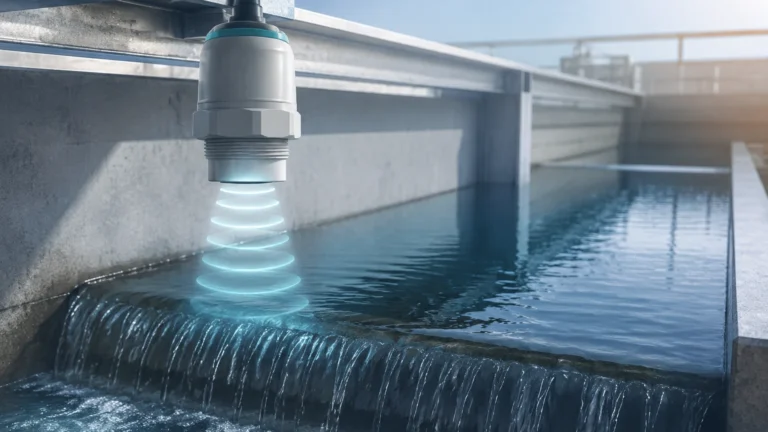
Ultrasonic sensors function similarly to radar but use acoustic waves instead of electromagnetic ones. A transducer emits a sound pulse that bounces off the material surface. The time taken for the echo to return determines the level. While cost-effective, ultrasonic measurement is sensitive to the speed of sound, which varies with air temperature. Modern electrified ultrasonic sensors include integrated temperature compensation to maintain accuracy.
3. Hydrostatic Level Measurement
This principle relies on the relationship between the height of a liquid column and the pressure it exerts at the base of a tank. A hydrostatic level transmitter measures this pressure ($P$) and calculates the level ($h$) based on the density ($\rho$) of the liquid and gravity ($g$):
$$h = \frac{P}{\rho \times g}$$
Electrification in this area has led to highly sensitive diaphragm-based transmitters that can output 4-20mA or digital signals directly to a control room.
Technical Comparison of Electrified Level Technologies
Choosing the right technology requires a comparison of how different electronic sensors handle specific process conditions. The following table provides a general reference for engineering selection.
| Technology | Typical Accuracy | Max Range | Media Suitability | Signal Output |
| :— | :— | :— | :— | :— |
| Radar (80 GHz) | ±1 mm | Up to 120 m | Liquids, Solids, Corrosives | 4-20mA, HART, Modbus |
| Ultrasonic | ±0.25% of range | 0.5 m to 30 m | Water, Wastewater, Acids | 4-20mA, RS485 |
| Hydrostatic | ±0.1% to 0.5% | 1 m to 200 m | Clean liquids, Slurries | 4-20mA, HART |
| Magnetic (Electronic) | ±5 mm | 0.3 m to 6 m | High-pressure liquids | 4-20mA, Switches |
Selection Criteria for Modern Level Instrumentation
When evaluating what does electrification mean for a specific project, engineers must look beyond the sensor type and consider the integration of the device into the broader electrical infrastructure. Key evaluation criteria include:
* Dielectric Constant (εr): For radar and capacitance sensors, the ability of the medium to reflect or store electrical energy is critical. Media with low dielectric constants (like oils) require more sensitive radar electronics compared to water-based media.
* Process Environment: High-pressure vessels (exceeding 40 bar) or extreme temperatures (above 200°C) dictate the use of specific electronic components and housing materials, such as stainless steel or PTFE-lined antennas.
* Signal Integration: Electrification is useless without communication. Modern instruments must support standard protocols. For more information on compatible electronic instrumentation, users can visit the Main Page of the Welk product catalog.
* Power Supply Availability: Engineers must decide between 2-wire (loop-powered) and 4-wire (separate power and signal) configurations. 2-wire systems simplify wiring and reduce installation costs but may have power limitations for high-energy radar pulses.
Installation Considerations for Electronic Transmitters
The reliability of an electrified level measurement system depends heavily on correct installation. Unlike a manual dipstick, electronic sensors have specific "field of view" and mounting requirements.
1. Blocking Distance (Dead Zone): Every electronic sensor has a minimum distance near the sensor face where it cannot accurately measure. For ultrasonic sensors, this is often 0.25 m to 0.5 m. The sensor must be mounted high enough to ensure the maximum liquid level never enters this zone.
2. Nozzle Geometry: For radar and ultrasonic units, the mounting nozzle should be short and wide enough to prevent the signal beam from hitting the nozzle walls, which causes "ringing" or false echoes.
3. Cable Shielding: To prevent electromagnetic interference (EMI) from variable frequency drives (VFDs) or high-voltage lines, signal cables must be shielded and grounded at a single point, typically at the control cabinet side.
4. Orientation: Hydrostatic transmitters must be installed in a location where they are not subjected to the direct force of an inflow pipe, as the kinetic energy of the moving fluid can cause false pressure readings.
Limitations and Challenges of Electrified Systems
While electrification provides significant advantages in terms of automation and accuracy, it is not without its limitations. Engineering teams should be aware of the following risks:
* Power Sensitivity: Electronic sensors require stable DC power. Voltage fluctuations or surges can damage sensitive PCB components or cause signal drift. Implementing surge protection is a standard requirement in industrial electrification.
* Environmental Interference: Ultrasonic sensors can fail in the presence of heavy foam, which absorbs sound waves, or in vacuums where sound cannot travel. Similarly, radar can be affected by heavy steam if the frequency is not chosen correctly.
* Complexity of Calibration: While many modern Welk instruments feature "auto-calibration," complex tank geometries with internal obstructions (like agitators or heating coils) require sophisticated "false echo suppression" software setup, which demands a higher level of technician training compared to mechanical gauges.
* Initial Capital Expenditure (CAPEX): The upfront cost of an electronic radar transmitter is higher than a simple mechanical float. However, the Total Cost of Ownership (TCO) is usually lower due to reduced maintenance and improved process efficiency.
Frequently Asked Questions
Q: Does electrification mean I have to replace my existing mechanical gauges?
A: Not necessarily. Many facilities use a hybrid approach. For example, a magnetic level gauge can be fitted with an electronic reed-switch transmitter or a magnetostrictive probe, providing both a local visual indication and a remote electronic signal to the PLC.
Q: What is the typical lifespan of an electronic level meter?
A: With proper installation and surge protection, industrial-grade electronic level meters from reputable manufacturers like Welk typically last 7 to 10 years or more. The primary failure points are usually the diaphragm in hydrostatic sensors or the electronics in high-heat environments.
Q: Can electronic level sensors work in hazardous areas?
A: Yes. Electrification includes the development of Intrinsic Safety (Ex i) and Explosion-Proof (Ex d) designs. These instruments are engineered to operate with limited energy or within enclosures that prevent any internal spark from igniting the external atmosphere.
Q: How does electrification improve safety?
A: It removes the need for operators to climb tanks for manual measurements, reducing the risk of falls and exposure to hazardous vapors. Furthermore, electronic sensors can be programmed with high-high (HH) level alarms that trigger automated emergency shutdowns, preventing tank overfills and environmental incidents.
Conclusion
Understanding what does electrification mean is the first step toward optimizing industrial process efficiency. By moving from manual or mechanical measurement to electronic sensing, facilities gain the accuracy, reliability, and data connectivity required for modern competition. Whether implementing radar for precision chemical dosing or hydrostatic transmitters for water reservoir management, the transition to electrified instrumentation is a fundamental requirement for scalable industrial automation. For technical specifications and to explore the full range of electronic measurement solutions, professionals should consult the Main Page to review product options and application support.