What Is Cip in Food Industry
What Is Cip in Food Industry
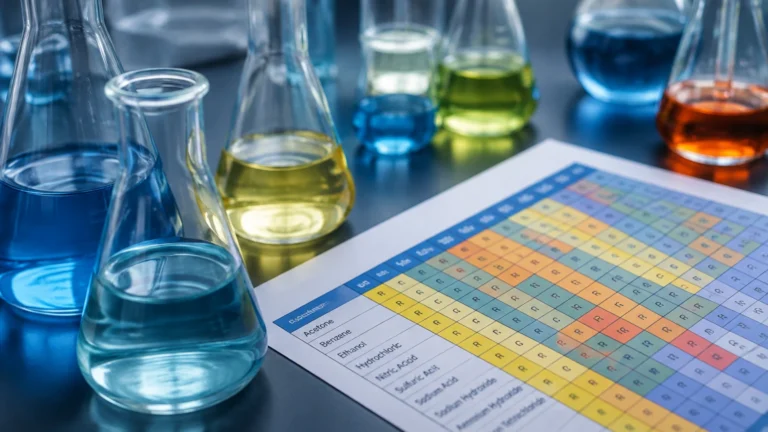
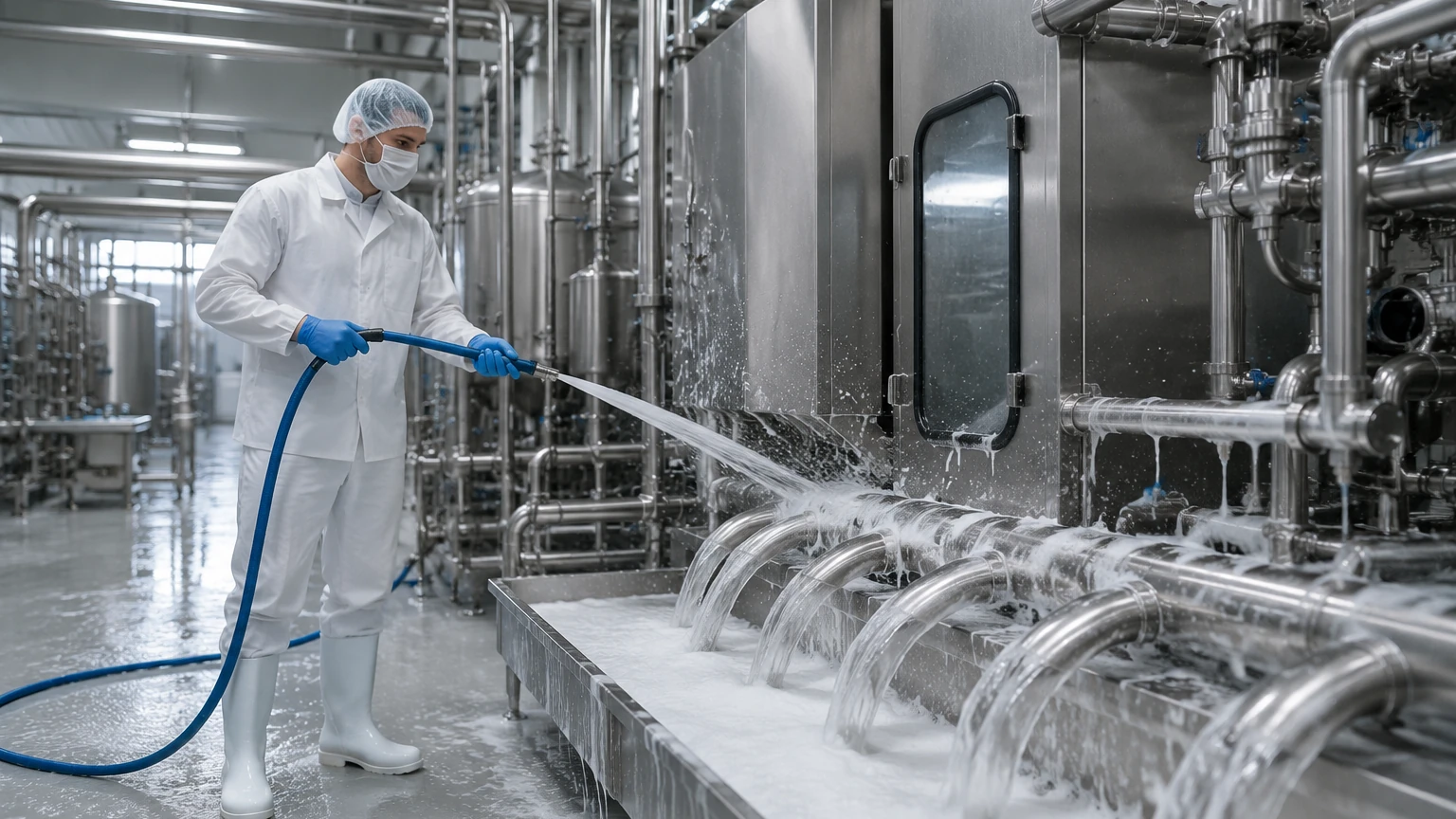
In the modern food and beverage processing landscape, maintaining the highest standards of hygiene is not merely a regulatory requirement but a fundamental pillar of operational success. Central to this hygiene regime is a process known as Clean-in-Place (CIP). To understand what is cip in food industry, one must look at it as an automated method of cleaning the interior surfaces of pipes, vessels, process equipment, filters, and associated fittings without the need for manual disassembly.
For engineers and plant managers, CIP represents the intersection of chemical engineering, mechanical automation, and precise instrumentation. This guide explores the mechanics of CIP, the critical role of level measurement in these systems, and how to select the right instrumentation to ensure food safety and process efficiency.
The Fundamental Principles of CIP
Before diving into the technical requirements of instrumentation, it is essential to define the core mechanics of the CIP process. The primary goal of CIP is to remove "soil"—which can be anything from mineral scales to organic proteins and fats—using a combination of four factors, often referred to as Sinner’s Circle: chemicals, heat, mechanical action (turbulence), and time.
In a typical food processing facility, a CIP system consists of several tanks containing fresh water, caustic soda (sodium hydroxide), acid (nitric or phosphoric), and recovered rinse water. These fluids are circulated through the production line in a specific sequence.
The Standard CIP Cycle
1. Pre-rinse: Cold or warm water is used to remove the bulk of residual product and loose debris.
2. Caustic Wash: A heated detergent (typically 60°C to 85°C / 140°F to 185°F) is circulated to break down fats and proteins.
3. Intermediate Rinse: Fresh water flushes out the caustic solution.
4. Acid Wash: If necessary, an acid wash removes mineral scale and milk stone.
5. Final Rinse: Clean water removes all remaining chemical traces.
6. Sanitization: A chemical sanitizer or hot water/steam is used to kill microorganisms.
The Role of Level Measurement in CIP Systems
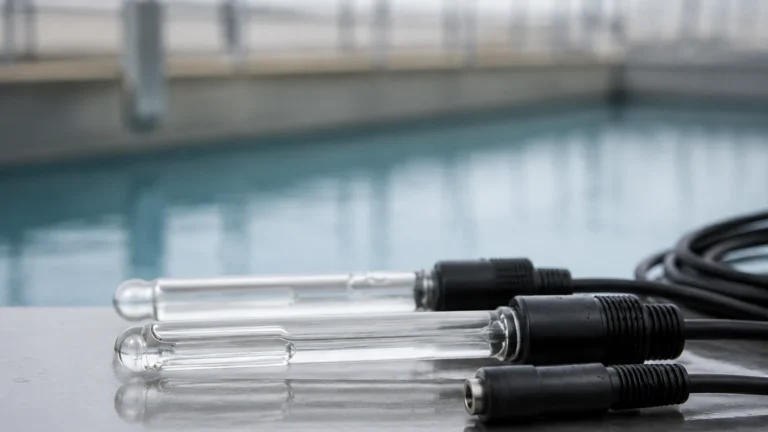
Accurate level measurement is the backbone of an efficient CIP system. Without precise data on the volume of liquids in storage tanks and the flow through process lines, the system risks chemical waste, insufficient cleaning, or equipment damage.
In the context of what is cip in food industry, level sensors serve three primary functions:
* Inventory Management: Ensuring enough water and chemicals are available for a full cleaning cycle.
1. Interface Detection: Distinguishing between different fluids (e.g., water vs. caustic) to minimize cross-contamination.
2. Pump Protection: Preventing pumps from running dry during high-velocity circulation.
Measurement Principles for CIP Environments
Selecting a level meter for CIP applications requires an understanding of the underlying measurement physics, as the environment is characterized by high temperatures, aggressive chemicals, and heavy steam.
Radar Level Measurement (FMCW)
Radar level meters, particularly those using Frequency Modulated Continuous Wave (FMCW) technology, are often the preferred choice for CIP tanks. They emit a high-frequency signal that reflects off the liquid surface. By measuring the frequency shift, the sensor calculates the distance.
* Why it works for CIP: Non-contact radar is unaffected by changes in liquid density, temperature, or the presence of steam and foam, which are common during caustic washes.
Ultrasonic Level Sensors
Ultrasonic sensors use sound waves to measure the distance to the product surface. While cost-effective, they rely on the speed of sound, which changes with air temperature.
* Consideration: In CIP applications, the heavy steam and temperature fluctuations can cause signal attenuation or inaccuracies unless the sensor has advanced temperature compensation.
Hydrostatic Pressure Transmitters
Hydrostatic sensors measure the pressure exerted by the liquid column. This pressure is directly proportional to the liquid height and density.
* Consideration: Because CIP cycles involve fluids of different densities (water vs. concentrated caustic), the transmitter must be calibrated or the control system must account for these density shifts to maintain accuracy.
Magnetic Level Gauges
Magnetic gauges utilize a float containing a magnet that moves with the liquid level, acting on an external indicator or transmitter.
* Consideration: These are excellent for bypass applications where visual verification is needed alongside an electronic signal, but they must be designed with hygienic, easy-to-clean chambers.
Technical Selection Criteria for CIP Instrumentation
When specifying instruments for a food industry CIP system, engineers must look beyond basic measurement range. The following table provides a comparison of common technologies used in these environments.
| Technology | Accuracy | Chemical Resistance | Steam/Foam Tolerance | Hygienic Suitability |
| :— | :— | :— | :— | :— |
| Non-Contact Radar | Excellent (±1mm) | High (PTFE/PFA Wetted parts) | High | Excellent (Flush Diaphragm) |
| Ultrasonic | Moderate | Moderate | Low | Good |
| Hydrostatic | Good | High (Stainless Steel) | High | Excellent |
| Capacitance | Moderate | High | Moderate | Good |
| Point Level Switch | N/A (On/Off) | High | High | Excellent |
Material Compatibility and Hygienic Design
In the food industry, all wetted parts must be made of food-grade materials, typically 316L stainless steel, with surface finishes (Ra) of less than 0.8 μm to prevent bacterial growth. Seals and gaskets must be resistant to both high-temperature steam and the aggressive pH levels of cleaning chemicals. Standard materials include EPDM, FKM (Viton), or PTFE.
Installation Considerations for CIP Systems
Proper installation is as critical as the choice of technology. In a CIP environment, the physical layout of the sensor can determine whether the system remains sanitary.
1. Avoid Dead Legs: A dead leg is an area in the piping or tank where fluid can stagnate and avoid the cleaning action of the CIP cycle. Level sensors should be installed using flush-mount hygienic fittings (e.g., Tri-Clamp or Varivent) to ensure the sensor face is cleaned by the circulating fluid.
2. Spray Ball Interference: CIP tanks use spray balls to distribute cleaning fluid across the interior walls. If a non-contact sensor (Radar or Ultrasonic) is positioned directly in the path of a spray ball, the falling liquid can create "noise" or false echoes. Sensors should be positioned away from the direct spray path.
3. Condensation Management: Steam is a constant presence in CIP. Sensors should be designed to shed condensation from the face. Many modern radar sensors use a convex lens design to ensure water droplets roll off, preventing signal loss.
Limitations and Challenges
While CIP automation significantly improves safety, it presents unique challenges for level measurement:
* Foam: Detergents often create foam during high-turbulence cycles. While radar can usually penetrate foam, ultrasonic sensors may struggle as the foam absorbs the sound waves.
* Temperature Shocks: Rapid transitions from cold rinse water to hot caustic can cause thermal expansion in sensors. High-quality instruments include internal compensation to handle these shifts without drifting.
* Chemical Vapor: Concentrated acids and bases can release vapors that are corrosive to standard plastic sensor housings. Always specify chemical-resistant housings (e.g., stainless steel or high-grade plastics).
To explore specific hardware options for these demanding environments, you may Review product options and application support on our Main Page.
Frequently Asked Questions (FAQ)
Q: How often should CIP level sensors be calibrated?
A: In most food applications, an annual calibration check is standard. However, if the system uses hydrostatic pressure, recalibration may be needed if the concentration (and thus the density) of the cleaning chemicals changes significantly.
Q: Can I use a standard industrial level sensor for CIP?
A: Generally, no. Standard sensors often have threads or crevices that can harbor bacteria. You must use sensors with hygienic certifications (such as 3-A or EHEDG) and food-grade wetted materials.
Q: What is the best way to detect the interface between water and chemical during CIP?
A: While level meters track the volume, conductivity sensors are often used in conjunction with level meters to detect the transition between rinse water and caustic solution based on the fluid's electrical conductivity.
Q: Does steam affect radar level meters?
A: High-frequency radar (e.g., 80 GHz) is virtually unaffected by steam, making it the most reliable choice for hot wash and sanitization cycles.
Conclusion
Understanding what is cip in food industry is the first step toward optimizing a processing plant's safety and efficiency. By integrating robust level measurement technologies—such as radar and hydrostatic transmitters—manufacturers can ensure that every cleaning cycle is precise, repeatable, and compliant with global food safety standards. Choosing the right instrumentation not only protects the consumer but also reduces the environmental footprint by minimizing chemical and water waste. For more detailed engineering specifications and a full range of industrial measurement solutions, visit our Main Page.