Windows 10l1
Windows 10l1
In the landscape of industrial process control, visual verification remains a cornerstone of safety and operational redundancy. The Windows 10l1 designation refers to a specific class of industrial sight windows and visual level indicators designed to provide direct observation of fluid levels, color, and flow characteristics within pressurized vessels. While automated systems have become the standard for primary data collection, the integration of Windows 10l1 components provides an essential physical check that complements high-precision electronic instrumentation.
For engineers and facility managers, understanding how these visual components interface with automated technologies—such as those found on the Welk Main Page—is vital for building a robust measurement architecture. This article explores the measurement principles, selection criteria, and technical limitations of Windows 10l1 systems in B2B industrial environments.
Measurement Principles of Visual Windows
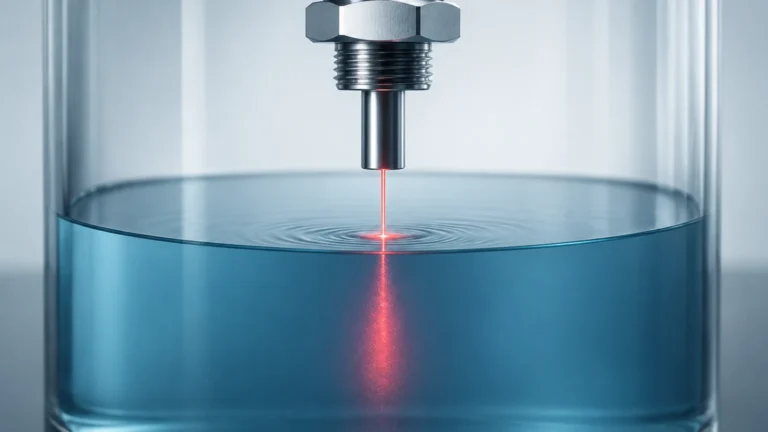
Visual level measurement via Windows 10l1 assemblies operates on the principle of direct optical transmission. Unlike electronic sensors that rely on time-of-flight (radar/ultrasonic) or hydrostatic pressure, a sight window allows the operator to use the human eye or an industrial camera to determine the interface between liquid and gas phases.
Optical Clarity and Refraction
The effectiveness of a Windows 10l1 unit depends on the refractive index of the process medium. When light passes through the glass and into the vessel, the change in density at the liquid-gas interface creates a visible line. In clear liquids, internal reflectors or "reflex" glass patterns are often used. These patterns utilize prisms to refract light differently in the presence of liquid (which appears dark) versus gas (which appears bright), significantly enhancing readability from a distance.
Material Science in Sight Windows
The "10l1" specification often dictates the material composition required to maintain structural integrity under stress. Common materials include:
- Borosilicate Glass: Known for its low coefficient of thermal expansion and high resistance to chemical attack.
- Quartz: Utilized for extremely high-temperature applications where standard glass would fail.
- Sapphire: Reserved for highly abrasive or ultra-high-pressure environments due to its exceptional hardness.
Technical Integration with Automated Level Meters
In modern industrial automation, Windows 10l1 units are rarely used as the sole source of data. Instead, they serve as a secondary verification tool for electronic transmitters. For instance, a radar level meter might provide a continuous 4-20mA signal to a PLC, while the Windows 10l1 sight glass allows a technician on the factory floor to confirm the reading during a manual bypass or a power failure.
When selecting equipment from a professional manufacturer's Main Page, it is important to consider how the physical placement of sight windows aligns with the "blind zones" of ultrasonic or radar sensors. Properly positioned windows allow for the calibration of electronic sensors by providing a fixed physical reference point (the "zero" level) that can be visually confirmed.
Selection Criteria and Practical Application
Selecting the correct Windows 10l1 configuration requires a detailed analysis of the process conditions. Failure to match the window specifications to the environment can lead to catastrophic vessel failure or "clouding" of the glass, rendering the window useless.
Key Evaluation Factors
1. Pressure Rating: The "10" in many 10l1 configurations refers to a nominal pressure rating (e.g., 10 bar or 1.0 MPa). It is critical to ensure the maximum allowable working pressure (MAWP) of the window exceeds the vessel's safety valve setting.
2. Temperature Range: Thermal shock is a leading cause of glass failure. Borosilicate windows are typically rated for temperatures up to 280°C (536°F), but rapid fluctuations can reduce this threshold.
3. Chemical Compatibility: Corrosive agents like hydrofluoric acid or concentrated hot alkalis can etch glass surfaces. In these cases, a PFA or Kel-F shield must be installed between the process medium and the Windows 10l1 glass.
Selection Table for Industrial Windows
| Feature | Borosilicate 3.3 | Soda-Lime Glass | Quartz Glass |
| :— | :— | :— | :— |
| Max Temperature | 280°C | 150°C | 1000°C |
| Chemical Resistance | High | Moderate | Very High |
| Thermal Shock Res. | Excellent | Poor | Superior |
| Common Application | Chemical Processing | Water Storage | High-Temp Furnaces |
| Pressure Class | Up to 40 bar | Up to 10 bar | Up to 100+ bar |
Installation and Maintenance Considerations
The reliability of a Windows 10l1 assembly is as much a product of its installation as its material quality. Because glass is a brittle material, it cannot withstand the uneven mechanical stresses that often occur during improper mounting.
Installation Best Practices
- Flange Alignment: Ensure that the mating flanges are perfectly parallel. Any misalignment will introduce a bending moment into the glass, leading to premature cracks.
- Torque Sequencing: Bolts must be tightened in a star pattern using a calibrated torque wrench. Over-tightening is a frequent cause of glass fracture.
- Gasket Selection: Use high-quality gaskets (such as PTFE or graphite) that are compatible with both the process fluid and the glass material. The gasket acts as a cushion to distribute the clamping force evenly.
Maintenance and Inspection
Regular maintenance of Windows 10l1 units involves checking for "crazing"—tiny surface cracks that indicate the glass is reaching the end of its fatigue life. If any etching, scratching, or clouding is observed, the glass should be replaced immediately. Never attempt to clean industrial glass with abrasive materials, as surface scratches significantly lower the pressure rating of the unit.

Limitations and Common Risks
While Windows 10l1 units provide invaluable visual data, they possess inherent limitations that must be addressed in the system design phase.
- Visibility Issues: In applications involving heavy agitation, foaming, or coating (such as wastewater treatment or thick chemical resins), the internal surface of the window can become obscured. This may require the installation of specialized wipers or spray rings.
- Safety Hazards: As a pressurized transparent component, the window is a potential point of failure. In high-risk environments, "double-window" designs or armored housings are recommended to contain the fluid in the event of a primary glass rupture.
- Ambient Lighting: Without proper internal illumination, a Windows 10l1 unit may be difficult to read in dark industrial corridors. Explosion-proof LED sight lights are often mounted on a secondary port to provide the necessary clarity.
Frequently Asked Questions (FAQs)
Q: Can Windows 10l1 be used with steam applications?
A: Yes, but with precautions. Steam at high pressures can rapidly erode glass. For steam boiler applications, a mica shield is mandatory to protect the glass from the corrosive effects of high-temperature water and steam.
Q: What is the difference between a sight flow indicator and a Windows 10l1 sight glass?
A: A sight flow indicator is typically an in-line pipe component used to verify fluid movement, often containing a flapper or spinner. A Windows 10l1 sight glass is generally a circular or oblong window mounted directly to a tank or vessel wall to monitor static or dynamic levels.
Q: How do I determine if my window is rated for vacuum service?
A: Most Windows 10l1 units designed for positive pressure are also capable of handling full vacuum (1 bar absolute). However, you should always confirm this with the manufacturer's technical data sheet to ensure the gasket seal is designed for inward pressure.
Q: Is it possible to automate the reading of a visual window?
A: Yes. Modern industrial IoT solutions use "camera-based level sensing" where a digital camera monitors the Windows 10l1 and uses image processing software to convert the visual level into a digital signal, though this is usually a backup to primary sensors like those on the Main Page.
Conclusion
Windows 10l1 components remain a vital part of industrial level measurement, providing the "ground truth" that electronic systems occasionally lack. By understanding the principles of optical clarity, selecting materials based on chemical and thermal demands, and adhering to strict installation protocols, engineers can ensure that their visual monitoring systems are both safe and effective. When integrated with advanced radar or ultrasonic transmitters, these windows provide the comprehensive oversight necessary for modern, high-stakes industrial operations.