Cip Flow Meter
Cip Flow Meter
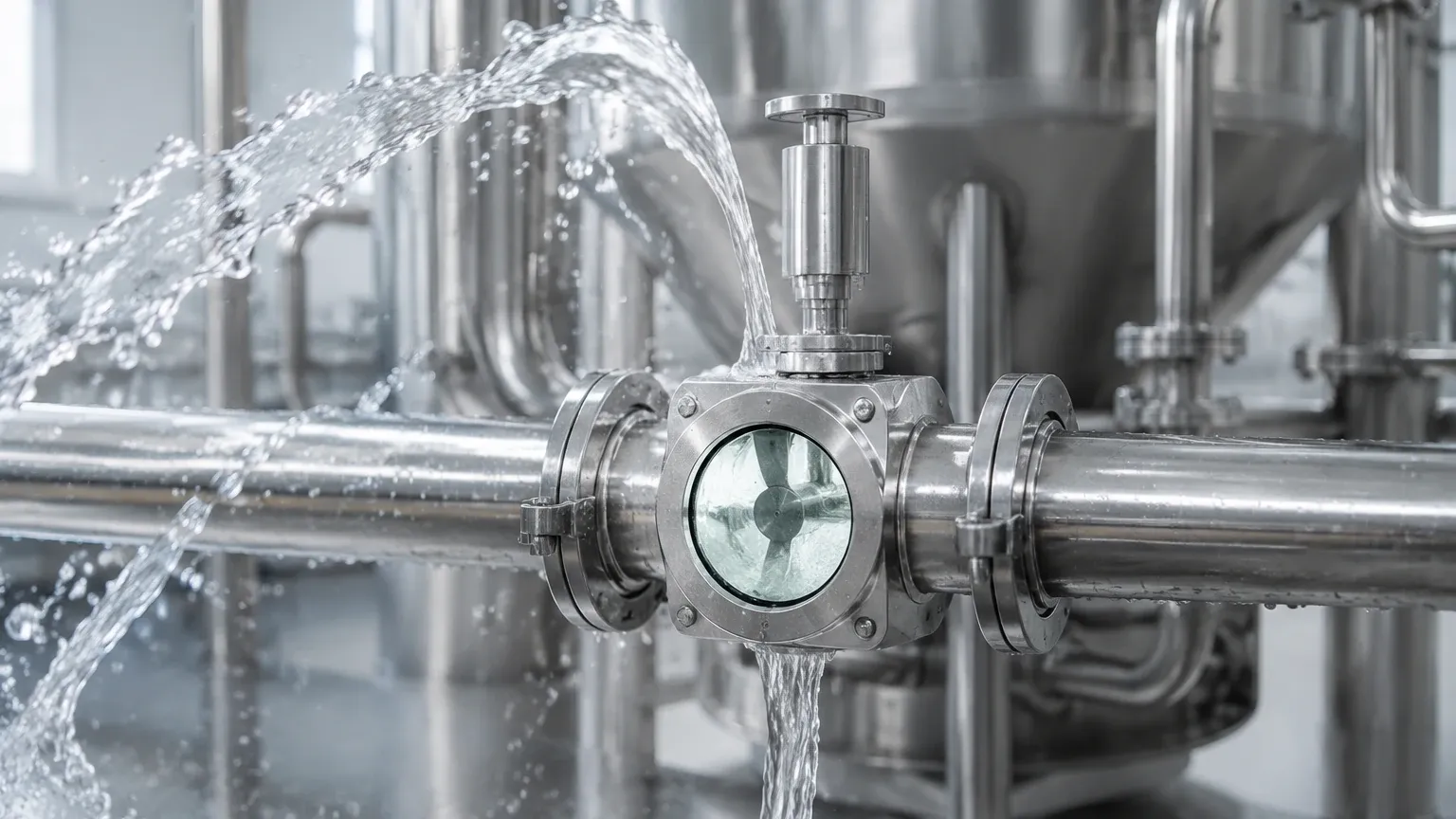
In industrial processing, particularly within the food, beverage, pharmaceutical, and chemical sectors, maintaining hygiene without dismantling complex piping systems is essential. Clean-in-Place (CIP) systems automate the cleaning process by circulating cleaning agents, rinses, and sanitizers through the production line. A critical component in these systems is the cip flow meter, which ensures that cleaning fluids reach the necessary velocity, volume, and concentration to guarantee a sterile environment. This article provides a technical overview of CIP flow measurement technologies, selection criteria, and engineering best practices for integration into automated process lines.
Measurement Principles for CIP Flow Meters
Before selecting a flow meter for a CIP application, it is vital to understand the underlying physical principles that govern measurement. Because CIP processes involve varying temperatures, chemical concentrations, and fluid types, the chosen principle must be robust enough to handle these transitions.
Electromagnetic Flow Measurement
Electromagnetic flow meters, often referred to as mag meters, operate based on Faraday’s Law of Induction. This principle states that a conductor (the cleaning fluid) moving through a magnetic field generates an electrical voltage proportional to its velocity.
In a CIP environment, mag meters are the most common choice because they have no moving parts and offer an unobstructed flow path. This "full-bore" design prevents pressure drops and eliminates areas where bacteria could grow. However, the fluid must be conductive. Most CIP chemicals, such as caustic soda (NaOH) and nitric acid (HNO₃), are highly conductive, making mag meters ideal for monitoring their flow rates.
Coriolis Mass Flow Measurement
Coriolis meters measure mass flow by detecting the inertia created by fluid flowing through oscillating tubes. As the fluid moves, it causes a phase shift in the tube's vibration, which is directly proportional to the mass flow rate.
Coriolis technology is highly valued in CIP systems for its extreme accuracy (often ±0.1%) and its ability to measure density simultaneously. This allows the system to verify the concentration of cleaning chemicals in real-time. While more expensive than other technologies, the Coriolis cip flow meter is often used for high-value concentrates or in pharmaceutical applications where precise dosing is mandatory.
Ultrasonic Flow Measurement
Ultrasonic flow meters typically use the "transit-time" principle. Two transducers send ultrasonic signals through the fluid. The difference in time it takes for the signal to travel with the flow versus against the flow is used to calculate velocity.
For CIP applications, ultrasonic meters are often used in "clamp-on" configurations. Since the sensors are attached to the outside of the pipe, there is zero risk of contamination, and no need to cut into the process line. This is particularly useful for retrofitting older systems where sanitary pipe integrity must be maintained.
Key Evaluation Criteria for Sanitary Applications
Selecting a cip flow meter requires more than just choosing a measurement principle. The instrument must meet stringent sanitary standards to ensure it does not become a source of contamination itself.
Materials of Construction
The wetted parts—the components that come into direct contact with the process fluid—must be non-reactive and corrosion-resistant. Stainless steel 316L (1.4404) is the industry standard. For electromagnetic meters, the internal liner is typically made of PFA (Perfluoroalkoxy) or PTFE (Polytetrafluoroethylene), both of which offer excellent resistance to the high temperatures and aggressive chemicals used in CIP cycles.
Surface Finish and Hygienic Design
To prevent biofilm accumulation, the internal surfaces of the flow meter must be polished to a specific roughness, usually expressed as Ra. A common requirement is Ra < 0.8 µm. Furthermore, the meter must be designed without "dead legs" or crevices. Compliance with international standards such as 3-A Sanitary Standards or EHEDG (European Hygienic Engineering & Design Group) is a prerequisite for equipment used in these environments.
Temperature and Pressure Resilience
CIP cycles often involve thermal shocks, transitioning from ambient temperature rinses to hot caustic washes at 85°C (185°F), or even Steam-in-Place (SIP) sterilization at 140°C (284°F). The flow meter's electronics and seals must be rated to withstand these fluctuations without losing calibration or suffering mechanical failure.
Practical Selection Table
The following table compares the most common technologies used for CIP flow measurement to assist in the initial engineering phase.
| Feature | Electromagnetic (Mag) | Coriolis Mass Flow | Ultrasonic (Transit-time) |
| :— | :— | :— | :— |
| Primary Measurement | Volumetric Flow | Mass Flow & Density | Volumetric Flow |
| Accuracy | ±0.5% of rate | ±0.1% of rate | ±1.0% to ±2.0% |
| Wetted Parts | Liner (PFA/PTFE) & Electrodes | SS316L Tubes | None (if clamp-on) |
| Conductivity Req. | > 5 μS/cm | None | None |
| Pressure Drop | Zero | Moderate | Zero |
| Relative Cost | Moderate | High | Moderate to High |
| Best Use Case | General CIP return/supply | Chemical dosing/concentration | Retrofitting/Non-invasive |
Installation and Engineering Considerations
Correct installation is as important as the selection of the meter itself. Improperly installed meters can provide inaccurate readings or even fail prematurely due to the harsh nature of CIP cycles.
1. Orientation and Full Pipe Requirement: Most cip flow meters, especially electromagnetic types, require a full pipe to measure accurately. Installing the meter in a vertical upward-flow section is the best practice to ensure the pipe remains full and to prevent the entrapment of air bubbles.
2. Straight Pipe Runs: To ensure a stable flow profile, manufacturers typically recommend a minimum of 5 diameters (5D) of straight pipe upstream and 2 diameters (2D) downstream of the meter. If space is limited, some modern mag meters with specialized coil designs can operate with zero straight-run requirements.
3. Grounding: For electromagnetic meters, proper grounding is essential to eliminate electrical noise that can interfere with the small voltages generated by the flow. In sanitary piping, which is often stainless steel, grounding rings or functional grounding through the process connections (like Tri-clamps) is necessary.
4. Drainability: The installation must allow the meter and the surrounding piping to drain completely. Any residual fluid left in the meter after a cycle can lead to bacterial growth or chemical crystallization.
Limitations and Common Risks
While modern instrumentation is highly reliable, engineers should be aware of specific risks associated with CIP flow measurement:
* Air Slugs and Multi-phase Flow: During the transition between different CIP phases (e.g., switching from water rinse to caustic), air pockets often enter the line. Most flow meters struggle with multi-phase flow, which can lead to erratic readings or "empty pipe" alarms. Advanced signal processing in modern transmitters can help mitigate this, but it remains a challenge.
* Conductivity Fluctuations: If using an electromagnetic meter, the fluid must maintain a minimum conductivity. While most cleaning agents are conductive, deionized water used in the final rinse of pharmaceutical processes may have very low conductivity, potentially falling below the meter's threshold.
* Vibration and Noise: Coriolis meters are sensitive to external mechanical vibrations. If the CIP pump is located too close to the meter without proper dampening, the accuracy of the mass flow measurement can be compromised.
Integrating Flow and Level Measurement in CIP Skids
A complete CIP solution requires the synchronization of multiple instruments. While the cip flow meter monitors the movement of fluids, level sensors are required to manage the inventory in the CIP supply and recovery tanks.
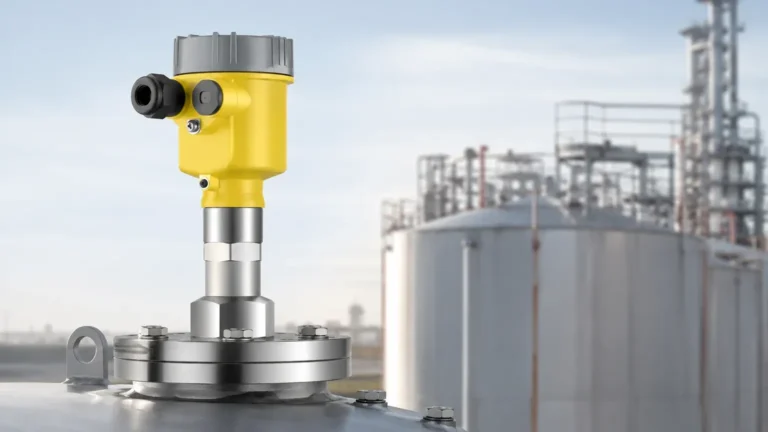
For instance, radar or ultrasonic level transmitters are frequently used to monitor the volume of caustic and acid concentrates. These level instruments ensure that the CIP skid has enough fluid to complete a cycle and prevent the pumps from running dry. For engineers looking to optimize their entire tank farm and cleaning skid, reviewing comprehensive product options for both flow and level measurement is essential. You can explore a wide range of industrial measurement technologies on the Main Page of specialized manufacturers to find compatible sensors for your specific application.
Frequently Asked Questions (FAQs)
1. What is the ideal flow velocity for a CIP cycle?
For effective mechanical cleaning (scrubbing action), a minimum flow velocity of 1.5 m/s (approx. 5 ft/s) is generally recommended. This ensures turbulent flow (high Reynolds number), which is necessary to remove stubborn residues from pipe walls.
2. Can I use a turbine flow meter for CIP?
Turbine meters are generally discouraged for CIP applications because they have moving parts (the rotor) and internal bearings. These components create areas where debris can be trapped and are susceptible to damage from the high-velocity air slugs often used to purge lines between CIP stages.
3. How often should a cip flow meter be calibrated?
In regulated industries like pharmaceuticals, annual calibration is standard. In food and beverage, the frequency may depend on the criticality of the process. Many modern meters offer internal verification features that check the health of the electronics and sensor without removing the device from the line.
4. Is PFA or PTFE better for a mag meter liner in CIP?
PFA is generally preferred for CIP and SIP applications because it has better mechanical stability at high temperatures and is more resistant to vacuum conditions, which can occur when a hot pipe is suddenly cooled by a cold rinse.
Conclusion
The implementation of a reliable cip flow meter is a cornerstone of modern industrial hygiene. By understanding the measurement principles—whether electromagnetic, Coriolis, or ultrasonic—and adhering to sanitary design standards, facilities can ensure consistent cleaning results, reduced chemical waste, and minimized downtime. When combined with accurate level measurement and robust automation, these instruments provide the data necessary to maintain the highest standards of product safety and process efficiency.