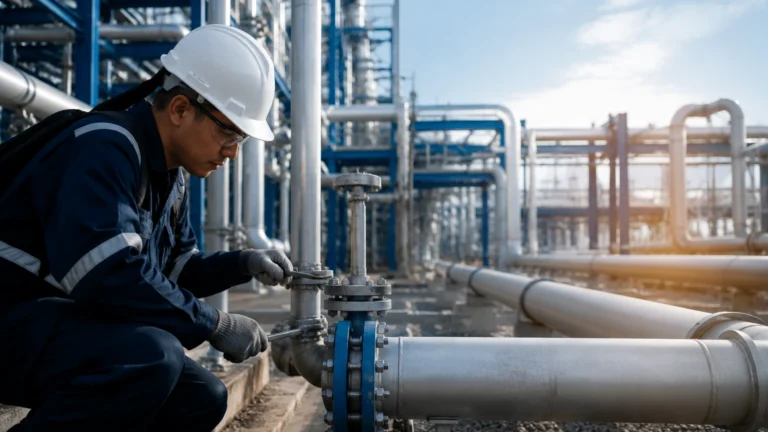
High Pressure Unit
High Pressure Unit
In industrial process automation, the term "high pressure unit" frequently refers to specialized instrumentation assemblies designed to monitor and control fluid levels within vessels operating significantly above atmospheric pressure. Whether in deep-sea oil extraction, high-pressure steam boilers, or chemical synthesis reactors, the integrity of the level measurement system is paramount. When process pressures exceed standard thresholds—often defined as anything above 40 bar (580 psi)—standard measurement devices face mechanical and electronic failure risks.
Selecting a high pressure unit for level detection requires a deep understanding of how extreme force affects physical properties like dielectric constants, buoyancy, and diaphragm deflection. This guide provides a comprehensive technical overview of the technologies, selection criteria, and installation requirements for high-pressure level measurement.
Core Measurement Principles for High-Pressure Environments
To ensure reliability, engineers must match the measurement principle to the specific physical constraints of the high-pressure environment. Below are the primary technologies utilized in high-pressure units.
1. Guided Wave Radar (GWR)
Guided Wave Radar operates on the principle of Time Domain Reflectometry (TDR). Low-energy microwave pulses are sent down a probe (the waveguide). When these pulses hit the surface of the medium, a portion of the energy is reflected back to the transmitter.
In a high pressure unit, GWR is favored because the pulses are contained along a probe, making them less susceptible to the turbulence and steam often found in high-pressure vessels. However, at high pressures and temperatures, the dielectric constant of the vapor space (e.g., saturated steam) increases, which can slow down the microwave signal and lead to measurement errors. Advanced high-pressure GWR units include "gas phase compensation" to correct for these speed-of-light shifts.
2. Magnetic Level Gauges
Magnetic level gauges utilize a float containing an internal magnet assembly that moves with the liquid level inside a non-magnetic bypass chamber. As the float rises and falls, it toggles magnetic flags or a follower on the outside of the chamber.
For a high pressure unit, the chamber must be engineered with heavy-wall thickness, often using materials like 316L stainless steel, Hastelloy, or Titanium. The float itself is a critical engineering challenge; it must be light enough to float but strong enough to resist collapsing under external pressures that can exceed 200 bar (2,900 psi).
3. Differential Pressure (DP) Transmitters
DP measurement calculates level by measuring the pressure difference between the bottom of the tank (total pressure) and the top of the tank (static pressure). In high-pressure applications, the static pressure can be massive compared to the relatively small pressure change caused by the liquid level.
A high pressure unit utilizing DP technology requires high-performance diaphragms and specialized capillary seals or impulse lines. The primary challenge here is the "static pressure effect," where the high base pressure causes a zero-shift in the sensor, requiring precise calibration under actual operating conditions.
4. Hydrostatic Level Measurement
Similar to DP, hydrostatic sensors measure the head pressure of the liquid column. In closed, pressurized tanks, a secondary pressure sensor is required to subtract the top-gas pressure. In high-pressure units, these sensors are often built with ceramic or robust metallic diaphragms to withstand overpressure events without permanent deformation.
Engineering Criteria for Selecting a High Pressure Unit
When evaluating a high pressure unit for a specific application, several technical factors must be confirmed to ensure the safety and longevity of the installation.
Pressure Ratings and Safety Factors
Instruments are typically rated according to international standards such as ASME B16.5 (Flanges) or EN 1092-1. A high pressure unit must not only meet the nominal operating pressure but also provide a safety margin for surges. Common ratings include Class 600, 900, 1500, and 2500. It is essential to check the pressure-temperature curve; as temperature increases, the allowable pressure rating of the metal housing decreases.
Material Compatibility
At high pressures, chemical reactions are often accelerated. Hydrogen embrittlement and stress corrosion cracking (SCC) are significant risks. High pressure units often utilize specialized alloys:
* 316/316L Stainless Steel: Standard for moderate corrosion and high pressure.
* Monel & Inconel: Used for highly corrosive or extremely high-temperature steam.
* Hastelloy C276: Preferred for aggressive chemical environments involving chlorides.
Sealing Technologies
The seal is the most common point of failure in a high pressure unit. Traditional O-rings may suffer from "explosive decompression" if the vessel is depressurized quickly. For extreme service, engineers specify:
* Dual Ceramic Seals: Providing a secondary containment layer.
* Graphite Gaskets: Used in high-temperature steam applications.
* Glass-to-Metal Seals: Ensuring hermetic integrity for electronic housing entries.
Technical Comparison Table
| Technology | Max Pressure (Approx.) | Accuracy | Best For | Main Limitation |
| :— | :— | :— | :— | :— |
| Guided Wave Radar | 400 Bar (5,800 psi) | ±2 mm | Clean liquids, steam | Vapor phase interference |
| Magnetic Gauge | 320 Bar (4,640 psi) | ±5 mm | Visual indication | Float collapse risk |
| Differential Pressure | 700 Bar (10,150 psi) | ±0.075% Span | Large vessels | Density changes affect accuracy |
| Displacer (Torque Tube) | 250 Bar (3,625 psi) | ±5 mm | Interface level | Mechanical wear and tear |
Installation and Safety Considerations
Installing a high pressure unit requires more than standard plumbing skills. The following considerations are vital for operational safety:
1. Venting and Bleeding: Every high pressure unit should be installed with a manifold system that allows for safe venting of process pressure before maintenance. For toxic or flammable media, these vents must be piped to a flare or recovery system.
2. Isolation Valves: Use full-bore ball valves or gate valves to isolate the instrument from the process. This allows for "hot-swapping" or calibration without shutting down the entire plant.
3. Mounting Orientation: For magnetic gauges and radar, verticality is critical. A deviation of even 1-2 degrees can cause float friction or signal scattering against the chamber walls.
4. Heat Tracing and Insulation: In high-pressure gas applications, a sudden drop in pressure can cause the temperature to plummet (Joule-Thomson effect), leading to icing. Conversely, high-pressure steam requires thermal stand-offs to protect the transmitter electronics from excessive heat.
Before finalizing a purchase, it is recommended to Review product options and application support to ensure the selected hardware meets local regulatory codes (such as PED in Europe or ASME in North America).
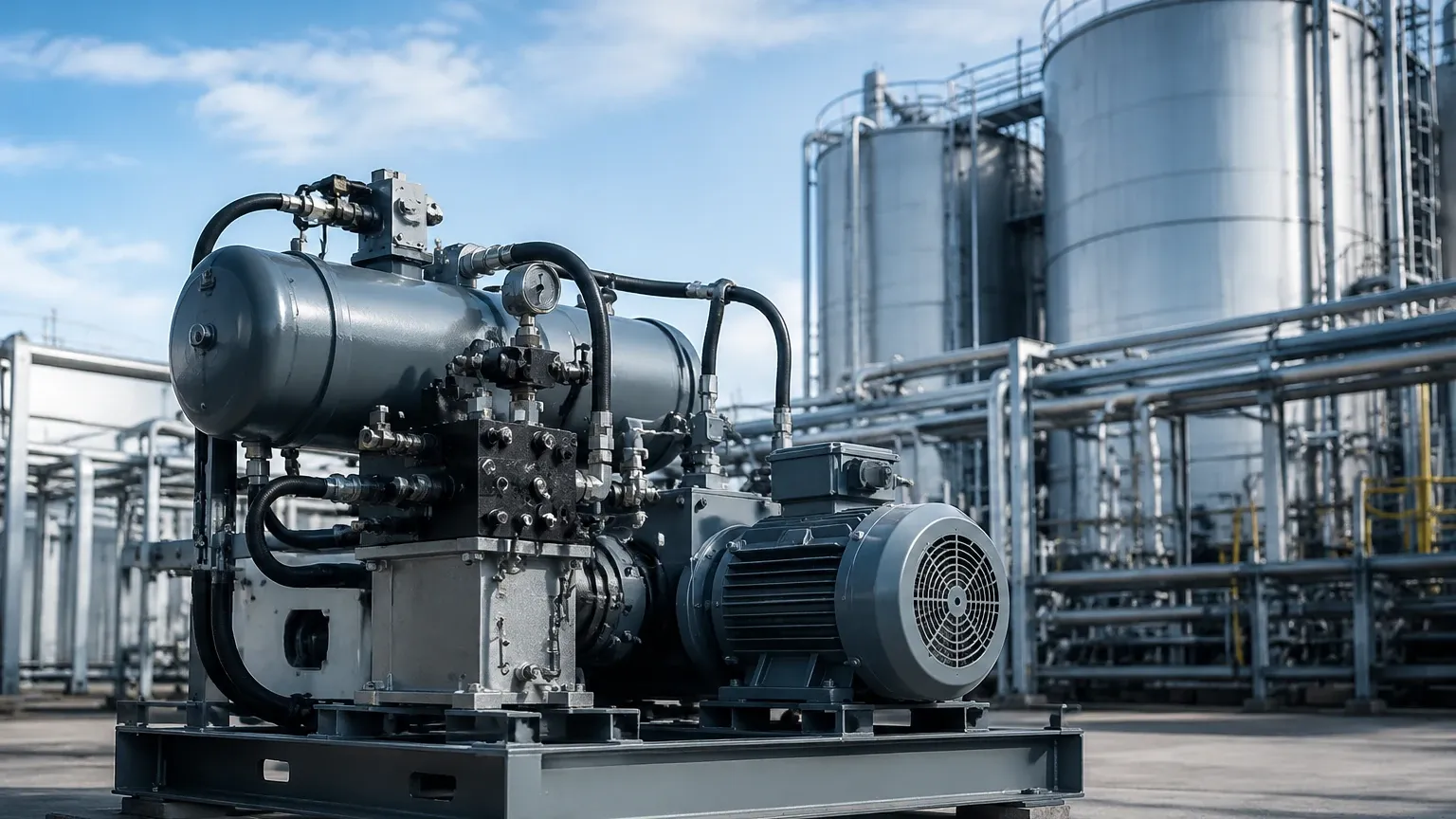
Limitations and Operational Challenges
While modern engineering has made high-pressure level measurement reliable, several inherent limitations remain:
* Density Sensitivity: Hydrostatic and Displacer-type high pressure units are dependent on the density of the fluid. If the process temperature fluctuates, the density changes, which can lead to significant level errors unless compensated by a PLC or smart transmitter.
* Build-up and Scaling: In high-pressure chemical reactors, material can build up on radar probes or inside bypass chambers. This "bridging" can cause false high readings or stuck floats.
* Cost of Compliance: High pressure units require extensive documentation, including Material Test Reports (MTRs), hydrostatic pressure test certificates, and NDT (Non-Destructive Testing) reports like X-ray or Dye Penetrant on welds. This significantly increases the initial CAPEX compared to atmospheric units.
Frequently Asked Questions (FAQs)
Q: What defines a "high pressure" application in level measurement?
A: While definitions vary by industry, in level measurement, applications exceeding 40 bar (approx. 600 psi) are generally considered high pressure and require specialized heavy-wall chambers and reinforced seals.
Q: Can ultrasonic sensors be used in a high pressure unit?
A: Generally, no. Standard ultrasonic sensors rely on air or gas as a medium for sound travel. At high pressures, the density of the gas changes the speed of sound drastically, and the mechanical construction of most ultrasonic transducers cannot withstand high compressive forces.
Q: How often should a high pressure unit be calibrated?
A: This depends on the criticality of the process. For steam boilers (SIL rated), annual calibration and proof-testing are often mandatory. For general process storage, a 2-year cycle is common, provided there is no evidence of drift.
Q: What is "Explosive Decompression" in seals?
A: This occurs when high-pressure gas permeates into an elastomer seal. If the system pressure is suddenly dropped, the trapped gas expands rapidly, tearing the seal from the inside out. High pressure units use "AED" (Anti-Explosive Decompression) rated O-rings to prevent this.
Conclusion and Practical Implementation
Implementing a high pressure unit is a task that balances mechanical strength with electronic precision. Whether you are managing a high-pressure separator in an oil field or a feedwater heater in a power plant, the choice of technology hinges on the physical properties of the media and the safety requirements of the site.
Engineers should prioritize devices that offer secondary containment and diagnostic capabilities to alert operators before a seal failure occurs. By following the selection tables and installation guidelines provided, facilities can ensure accurate level data while maintaining the highest safety standards. For detailed specifications and custom engineering drawings, professionals are encouraged to visit the Main Page for further technical resources and direct consultation with application engineers.