Emerson Tracking
Emerson Tracking
In the landscape of industrial process automation, the term "Emerson tracking" often refers to the sophisticated signal processing and asset management capabilities found within the Rosemount line of level measurement instruments. For engineers and plant managers, ensuring reliable level tracking is not merely about measuring a distance; it is about maintaining a continuous, accurate data stream in the face of turbulence, foam, and complex internal tank geometries. This article provides a technical overview of how tracking functions in level measurement, the specific methodologies employed by industry leaders like Emerson, and how these compare to broader industrial standards.
Measurement Principles: The Foundation of Level Tracking
To understand tracking, one must first understand the underlying measurement principles. Most modern continuous level measurement devices, including radar and ultrasonic sensors, rely on Time of Flight (ToF).
Radar Level Measurement
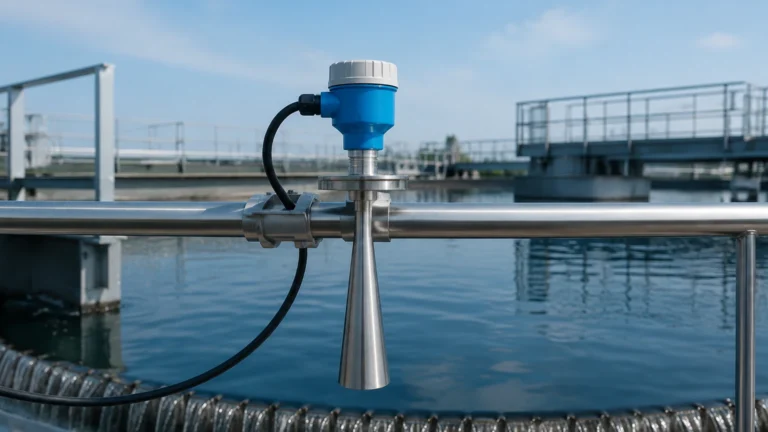
Radar transmitters, such as those produced by Welk or Emerson, emit electromagnetic pulses (Pulse Radar) or a continuous wave (FMCW). These signals travel at the speed of light, reflect off the surface of the medium, and return to the sensor. The device calculates the distance based on the time elapsed. "Tracking" in this context refers to the software's ability to identify the correct reflection (the "echo") from the product surface while ignoring false echoes from agitators, heating coils, or tank walls.
Ultrasonic Level Measurement
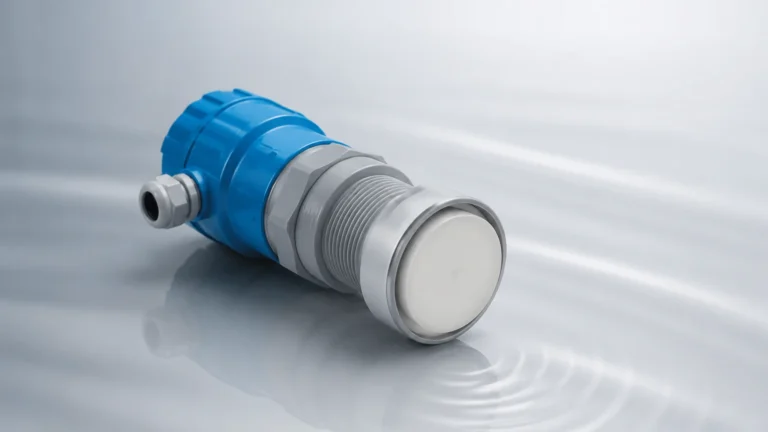
Ultrasonic sensors use sound waves, typically in the range of 20 kHz to 200 kHz. These waves travel through the air gap, reflect off the surface, and return. Because the speed of sound is influenced by air temperature, these sensors require temperature compensation to maintain accurate tracking. Ultrasonic tracking is highly effective for liquid and solid measurement in open channels or atmospheric tanks, though it is limited by vacuum conditions or high-pressure environments where sound cannot propagate effectively.
Emerson Tracking and Signal Processing Logic
Emerson’s approach to level tracking, particularly through its Rosemount brand, utilizes advanced algorithms designed to enhance signal reliability. A key component of this is the ability to maintain a "lock" on the surface level even when the signal-to-noise ratio fluctuates.
EchoLogics and Signal Filtering
Emerson tracking systems often employ proprietary signal processing like EchoLogics. This technology allows the transmitter to store a "map" of the empty tank. By identifying static reflections from internal structures, the software can subtract these from the live signal, ensuring that only the moving surface of the product is tracked. This is critical in pharmaceutical or chemical reactors where internal baffles and agitators are common.
Dynamic Tracking Windows
Another aspect of tracking involves the use of dynamic windows. The transmitter predicts where the next level reading should be based on previous data points. If a sudden, unrealistic jump in level is detected (perhaps due to a momentary splash), the tracking algorithm filters this out as an anomaly, maintaining a smooth output for the control system (PLC/DCS).
Comparative Analysis of Tracking Technologies
Selecting the right instrument requires a comparison of how different technologies handle tracking under specific process conditions. The following table outlines the performance of common level measurement technologies.
| Technology | Tracking Reliability | Max Range (Metric/Imperial) | Pressure Limits | Impact of Foam/Dust |
| :— | :— | :— | :— | :— |
| Non-Contact Radar | Excellent | Up to 100m (328 ft) | High (Up to 160 bar) | Minimal (Frequency dependent) |
| Guided Wave Radar | Superior | Up to 75m (246 ft) | Very High (Up to 400 bar) | Unaffected by most foam |
| Ultrasonic | Good | Up to 30m (98 ft) | Atmospheric/Low | High (Foam absorbs sound) |
| Hydrostatic | Continuous | N/A (Based on head) | High | None (Measures pressure) |
For a comprehensive look at various instrumentation options and how they integrate into your specific control architecture, you can Review product options and application support on our Main Page.
Key Evaluation Criteria for Level Tracking Systems
When evaluating a tracking system, whether it is an Emerson tracking solution or a specialized sensor from Welk, engineers should prioritize the following criteria:
1. Dielectric Constant ($ε_r$): For radar tracking, the reflectivity of the medium is paramount. Materials with low dielectric constants (like oils or liquefied gases) reflect less energy, requiring more sensitive tracking algorithms and high-gain antennas.
2. Update Rate: In fast-filling tanks, the tracking system must have a high update frequency (often measured in milliseconds) to prevent the level from "outrunning" the sensor's processing capabilities.
3. Diagnostics and Asset Management: Modern tracking extends beyond the level measurement itself. Systems integrated with HART or Foundation Fieldbus provide diagnostics that track the health of the sensor, alerting maintenance teams to crystal buildup on the antenna or electronic drift.

Installation Considerations for Optimal Tracking
Even the most advanced tracking algorithm will fail if the physical installation is flawed. To ensure consistent Emerson tracking or Welk sensor performance, follow these guidelines:
* Nozzle Geometry: The mounting nozzle should be as short and wide as possible. A long, narrow nozzle can create "ringing" or internal reflections that interfere with the initial tracking of the surface near the top of the tank.
* Beam Angle and Obstructions: Every non-contact sensor has a beam angle (typically 3° to 10°). Ensure that no internal ladders, pipes, or agitator blades enter this cone. If they do, "False Echo Suppression" or "Static Mapping" must be configured during commissioning.
* Dead Zone (Blocking Distance): Every sensor has a minimum distance it cannot measure (the dead zone). Ensure the maximum fill level of the tank does not enter this zone, as the tracking signal will become lost or erratic.
Limitations and Common Risks
While Emerson tracking and similar high-end technologies are robust, they are not infallible. Users should be aware of the following risks:
* Heavy Foam: Thick, dense foam can absorb radar and ultrasonic signals entirely, leading to a "Loss of Echo" (LoE) error. In these cases, Guided Wave Radar (GWR) is often a better choice as the probe guides the signal through the foam to the liquid surface.
* Condensation and Buildup: In applications involving steam or sticky resins, material can accumulate on the sensor face. While some tracking algorithms can compensate for a dirty lens, excessive buildup will eventually attenuate the signal beyond recovery.
* Turbulence: Rapidly boiling liquids or heavy surface agitation can scatter the signal. This requires the use of damping settings in the tracking software to prevent the output from oscillating wildly.
Frequently Asked Questions (FAQs)
What is the difference between signal tracking and asset tracking in this context?
In the context of Emerson tracking, signal tracking refers to the real-time monitoring of a process level within a tank. Asset tracking refers to the broader management of the instrument's health, location, and calibration status within a plant-wide Asset Management System (AMS).
Can radar tracking work in a vacuum?
Yes. Radar uses electromagnetic waves which do not require a medium to travel. This makes radar tracking ideal for vacuum distillation columns where ultrasonic sensors would fail.
How do I handle tracking in tanks with heavy agitation?
For tanks with heavy agitation, it is recommended to use a stilling well or a bypass chamber (magnetic level gauge). These mechanical solutions provide a calm surface for the sensor to track, regardless of the turbulence in the main vessel.
What happens if the transmitter loses the tracking signal?
Most transmitters are configured with a "Fail-Safe" mode. If the tracking signal is lost for a predetermined amount of time, the output (4-20mA) will either drop to 3.6mA or rise to 21mA to alert the control room of a fault.
Conclusion
Effective level measurement is the backbone of process safety and efficiency. Whether utilizing Emerson tracking features or deploying Welk’s range of industrial level meters, the goal remains the same: achieving a reliable, repeatable, and accurate representation of the process state. By understanding the principles of signal processing and adhering to strict installation standards, facilities can minimize downtime and optimize their automation workflows. For further technical specifications and to explore our full range of measurement solutions, please visit our Main Page.