Which Mineral Resource Is Used to Make Batteries
Which Mineral Resource Is Used to Make Batteries
The global transition toward electrification, driven by electric vehicles (EVs) and large-scale renewable energy storage, has placed an unprecedented focus on the raw materials required for energy storage. Identifying which mineral resource is used to make batteries is not just a question for geologists, but a critical concern for industrial process engineers and procurement specialists. The production of modern high-density batteries relies on a specific suite of minerals, each requiring sophisticated extraction and refining processes where precise level measurement and automation are essential for operational efficiency.
Key Minerals in Battery Production
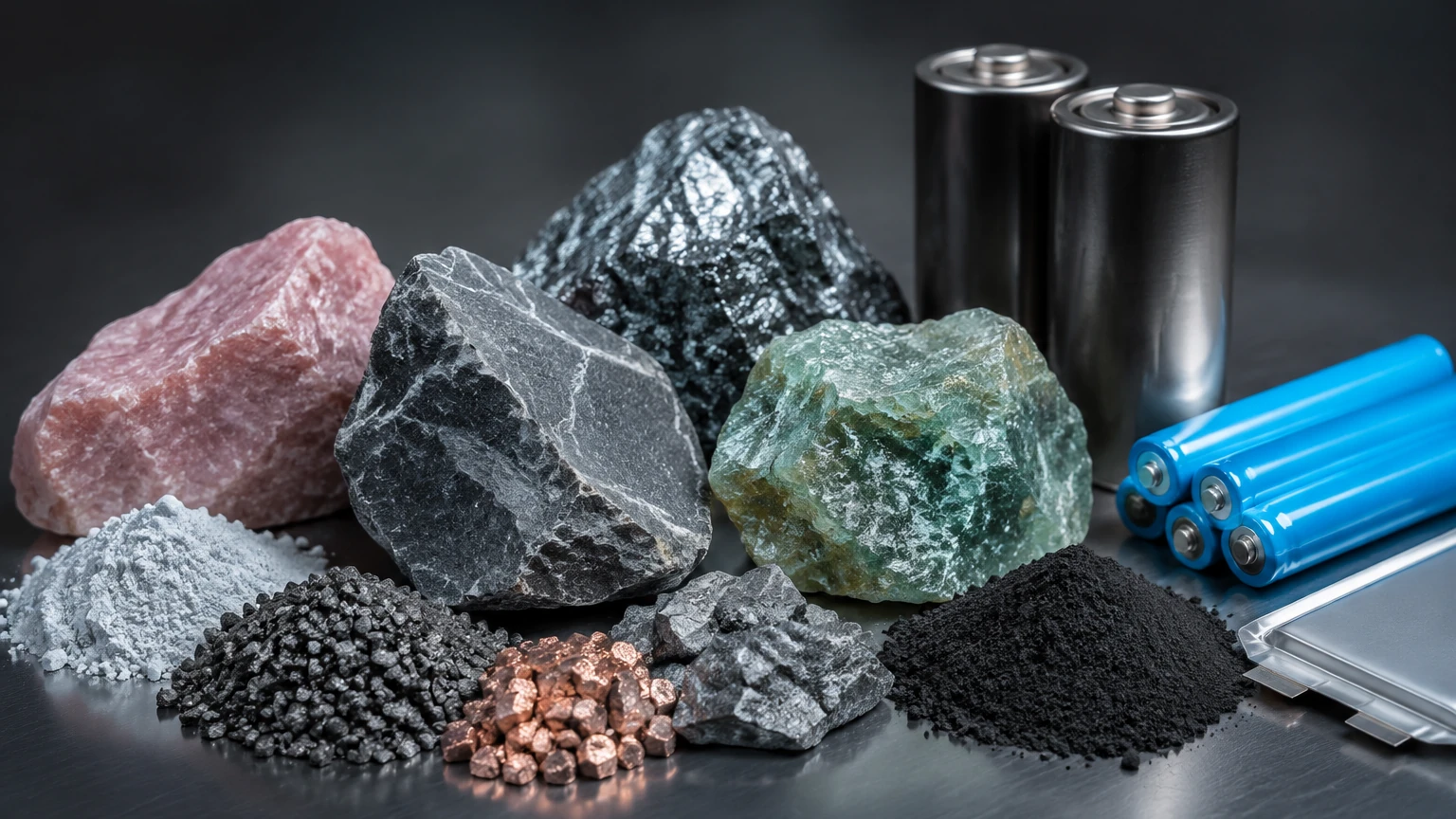
To understand the supply chain, one must first identify the primary components of lithium-ion (Li-ion) batteries, which currently dominate the market. The specific minerals used vary depending on the battery chemistry (e.g., NMC, LFP, NCA), but the following are the most critical.
Lithium
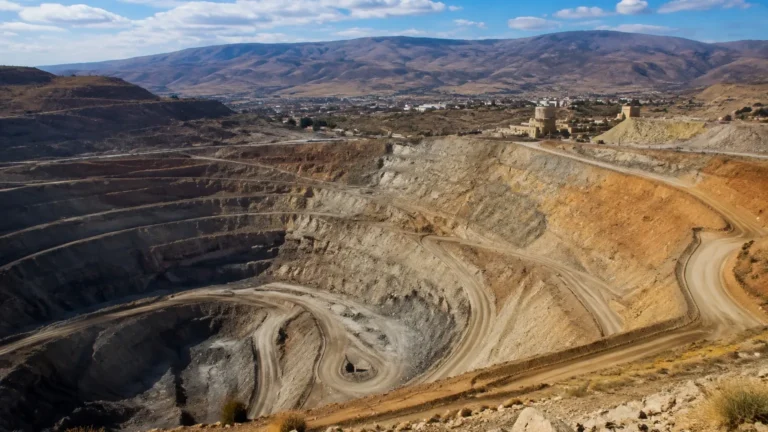
Often referred to as "white gold," lithium is the core element of the lithium-ion battery. It is primarily sourced from two types of deposits: continental brines and hard-rock spodumene. In brine operations, lithium-rich water is pumped into massive evaporation ponds. In hard-rock mining, the mineral is extracted through traditional open-pit or underground methods. Processing these materials into battery-grade lithium carbonate or lithium hydroxide involves complex chemical leaching and precipitation stages.
Cobalt
Cobalt is used primarily in the cathode of Li-ion batteries to increase energy density and thermal stability. Most of the world's cobalt is a byproduct of copper and nickel mining. Because of its high cost and the ethical concerns surrounding its primary source (the Democratic Republic of Congo), many manufacturers are moving toward "low-cobalt" or "cobalt-free" chemistries.
Nickel
Nickel is essential for high-energy-density batteries, allowing EVs to travel longer distances on a single charge. Battery-grade nickel (Class 1) must be of high purity. The processing of nickel laterite ores via High-Pressure Acid Leaching (HPAL) is a common but technically demanding method that requires robust industrial instrumentation.
Manganese and Graphite
Manganese is used as a stabilizer in the cathode, while graphite serves as the primary material for the anode. Graphite can be either natural (mined) or synthetic (produced from petroleum coke). Both require extensive purification processes involving acids and high temperatures.
The Role of Industrial Processing in Battery Material Production
Knowing which mineral resource is used to make batteries is only the first step. These minerals must undergo rigorous chemical processing to reach the purity levels required for battery cells. This processing occurs in chemical plants where liquids, slurries, and solids are moved through various tanks, reactors, and silos.
In these environments, level measurement is critical. For instance, in lithium brine evaporation, monitoring the level of ponds across vast distances ensures optimal concentration. In the refining stage, where minerals are dissolved in sulfuric acid or other solvents, level sensors must withstand highly corrosive environments while providing real-time data to prevent overflows or dry-running of pumps.
Measurement Principles for Battery Mineral Processing
Selecting the right instrumentation for battery mineral processing requires an understanding of measurement principles. The following technologies are commonly deployed in the refining of lithium, nickel, and cobalt.
1. Radar Level Measurement (FMCW)
Radar sensors, particularly those operating at 80GHz, use Frequency Modulated Continuous Wave (FMCW) technology. The sensor emits a continuous signal with a changing frequency. The difference between the emitted and received frequency is proportional to the distance.
* Advantages: Non-contact measurement is ideal for the corrosive acids used in mineral leaching. It is unaffected by dust, vapor, or pressure changes.
* Application: Used in lithium hydroxide storage tanks and acid leaching reactors.
2. Ultrasonic Level Measurement
Ultrasonic sensors emit high-frequency sound waves that reflect off the material surface. The time-of-flight (ToF) determines the distance.
* Advantages: Cost-effective for water treatment and less aggressive chemical storage.
* Limitations: Sound waves can be affected by temperature fluctuations, heavy foam, or vacuum conditions.
* Application: Monitoring water levels in brine ponds or reagent storage.
3. Hydrostatic Level Measurement
This principle measures the pressure exerted by a liquid column. The pressure (P) is equal to the density (ρ) multiplied by gravity (g) and the height (h).
* Advantages: Simple to install and highly reliable for vented tanks with consistent liquid density.
* Application: Deep storage tanks for processed mineral slurries.
4. Magnetic Level Gauges
Magnetic level gauges provide a visual indication of level by using a float equipped with a magnet that moves a series of bi-color flaps outside a bypass chamber.
* Advantages: No power required for visual reading; highly durable for high-pressure environments.
* Application: High-pressure separators in nickel refining.
Selection Guide for Level Instruments in Battery Mineral Refining
When determining the best sensor for a facility processing the minerals used to make batteries, engineers should consult the following selection criteria:
| Process Stage | Material State | Key Challenge | Recommended Technology |
| :— | :— | :— | :— |
| Brine Evaporation | Liquid | Large surface area, outdoor | Radar (Long Range) |
| Acid Leaching | Corrosive Liquid | Extreme pH, fumes | Non-contact Radar (PTFE-lined) |
| Precipitation Tank | Slurry / Agitated | Turbulence, foam | Guided Wave Radar or 80GHz Radar |
| Mineral Drying Silo | Solid Powder | Dust, uneven surface | Radar (Dust-penetrating) |
| Reagent Storage | Liquid | Chemical compatibility | Ultrasonic or Hydrostatic |
Installation and Engineering Considerations
Proper installation is as important as selecting the right technology. When installing level meters in battery mineral processing plants, consider the following:
1. Blocking Distance (Dead Zone): Every sensor has a minimum distance it cannot measure near the antenna. Ensure the tank design allows for this "dead zone" to avoid false readings when the tank is full.
2. Nozzle Interference: For radar and ultrasonic sensors, the mounting nozzle should be short and wide enough to prevent the signal from reflecting off the nozzle walls rather than the material.
3. Agitators and Obstructions: Many battery chemical reactors use agitators. Sensors should be positioned to avoid the path of the blades, or advanced software filtering (False Echo Suppression) should be used to ignore these reflections.
4. Chemical Compatibility: In lithium and nickel refining, sensors are often exposed to sulfuric acid or hydrochloric acid. Ensure wetted parts are made of resistant materials like PTFE, PVDF, or specialized Hastelloy.
Limitations of Common Measurement Technologies
While modern instrumentation is highly capable, each technology has boundaries.
* Radar: Can struggle with materials that have a very low dielectric constant (εr < 1.4), as the signal reflection is weak. In these cases, guided wave radar or specialized high-sensitivity antennas are required.
* Ultrasonic: Not suitable for tanks with heavy surface foam, as the foam absorbs the sound waves. It is also limited in vacuum applications because sound requires a medium to travel.
* Hydrostatic: Accuracy is dependent on constant fluid density. If the concentration of a mineral solution changes significantly, the level reading will drift unless density compensation is used.
Frequently Asked Questions (FAQ)
Q: Which mineral resource is used to make batteries most commonly in the EV sector?
A: Lithium is the primary mineral used in almost all modern EV batteries, though nickel and cobalt are equally critical for the high-performance NMC (Nickel Manganese Cobalt) chemistries.
Q: Why is level measurement so difficult in lithium refining?
A: Lithium refining involves high-purity requirements and the use of aggressive chemicals. The presence of steam, vapors, and fluctuating temperatures in leaching tanks can interfere with traditional measurement devices, making non-contact 80GHz radar the preferred choice.
Q: Can one sensor type be used for all battery minerals?
A: No. While radar is versatile, the physical state (liquid vs. solid), the chemical corrosivity, and the vessel geometry dictate the specific sensor configuration needed for each stage of production.
Q: Is graphite a mineral used to make batteries?
A: Yes, graphite is the primary mineral used for the battery anode. It is processed into a fine powder, which requires specialized level sensors capable of measuring solids in dusty environments.
Conclusion
Identifying which mineral resource is used to make batteries reveals a complex industrial ecosystem that spans from remote mining sites to high-tech chemical refineries. As the demand for lithium, nickel, and cobalt continues to grow, the need for precise, reliable, and durable level measurement becomes even more critical. Efficient processing of these minerals ensures that battery production remains cost-effective and sustainable. For a comprehensive overview of industrial instrumentation and to find the right solution for your specific application, you can return to the Main Page to explore our full range of sensors and technical support options.
Download Which Mineral Resource Is Used to Make Batteries as a PDF