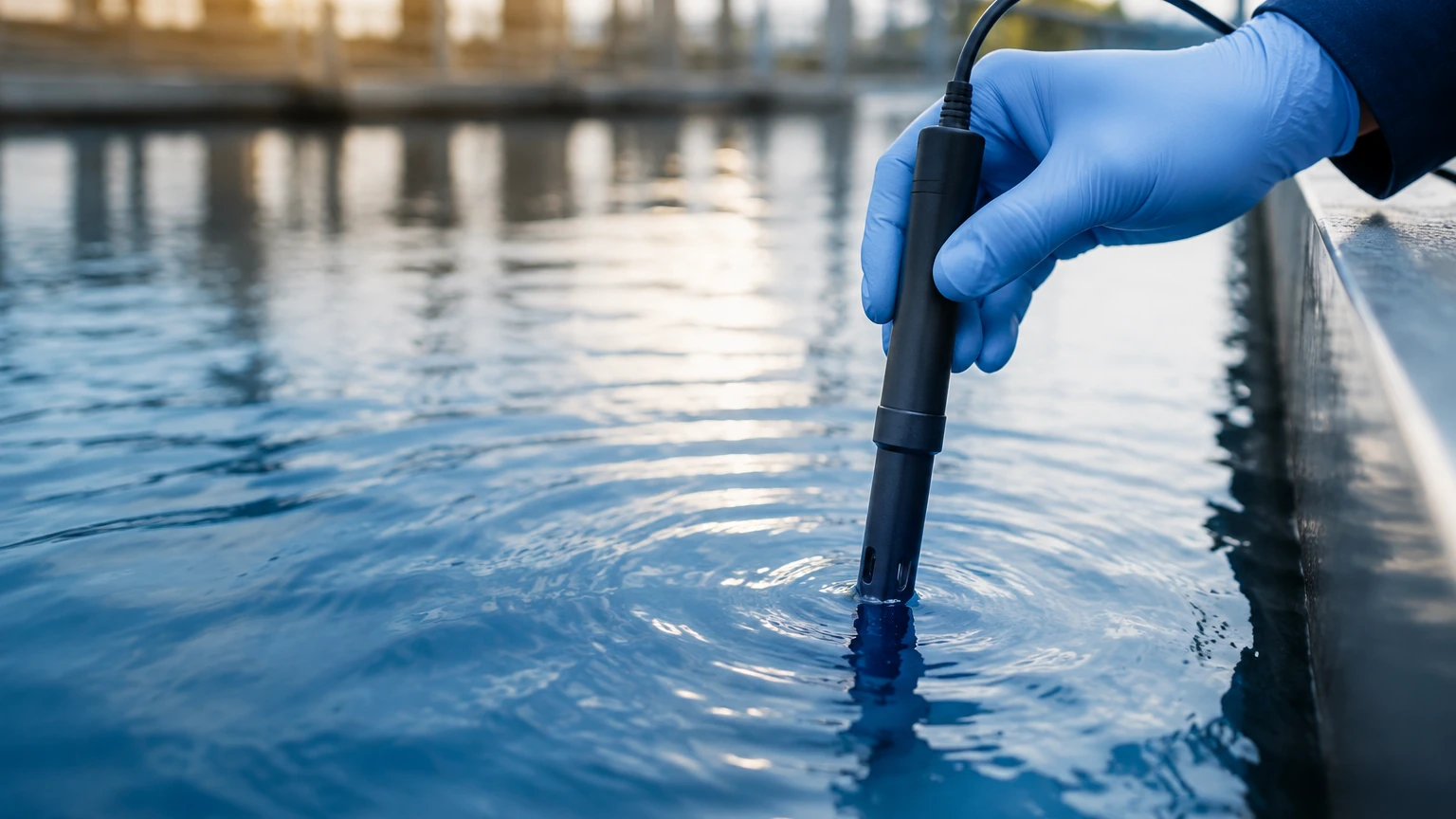
Water Ph Sensor
Water Ph Sensor
In industrial process control and water management, the measurement of pH is as fundamental as the measurement of liquid level or flow. A water pH sensor is an analytical instrument used to determine the acidity or alkalinity of an aqueous solution. For engineers and facility managers, understanding the nuances of pH sensing technology is critical for ensuring product quality, protecting infrastructure from corrosion, and meeting environmental compliance standards. While level measurement instruments—such as those found on the Main Page of industrial catalogs—ensure the quantity of a medium is known, pH sensors provide the necessary qualitative data to manage the chemical state of that medium.
The Fundamental Principle of pH Measurement
pH measurement is based on the activity of hydrogen ions ($H^+$) in a solution. The pH scale typically ranges from 0 to 14, where 7 is neutral, values below 7 are acidic, and values above 7 are alkaline (basic). This scale is logarithmic; a change of one pH unit represents a tenfold change in hydrogen ion concentration.
Most industrial water pH sensors operate on the potentiometric principle. This method uses a sensing electrode (usually made of pH-sensitive glass) and a reference electrode. When the sensor is immersed in a liquid, a voltage (potential) is generated across the glass membrane of the sensing electrode. This voltage is proportional to the difference in hydrogen ion concentration between the internal buffer solution of the electrode and the external sample.
The Nernst Equation
The relationship between the measured voltage and the pH value is defined by the Nernst equation. At a standard temperature of 25°C (77°F), a change of one pH unit corresponds to a theoretical change of 59.16 millivolts (mV). Because this voltage is temperature-dependent, modern water pH sensors almost always include an integrated temperature element (such as a Pt100 or Pt1000) to provide automatic temperature compensation (ATC).
Core Components of an Industrial Water pH Sensor
To select the right sensor for an application, it is essential to understand the three primary components that make up the measurement loop:
1. The Glass Electrode: This is the heart of the sensor. It features a thin membrane of specialized glass that is sensitive to hydrogen ions. The composition of the glass can be varied to handle high temperatures, high pressure, or specific chemical resistances.
2. The Reference Electrode: This provides a stable electrochemical potential against which the glass electrode’s potential is measured. It typically contains a silver/silver chloride (Ag/AgCl) element immersed in a potassium chloride (KCl) electrolyte.
3. The Junction (Diaphragm): This is the physical interface between the reference electrode's electrolyte and the process water. It allows for a small, controlled flow of ions to complete the electrical circuit while preventing the process liquid from contaminating the reference system.
Selection Criteria for Industrial Applications
Choosing a water pH sensor requires an analysis of the process environment. Unlike level sensors, which may be non-contact (like radar or ultrasonic), pH sensors are always in direct contact with the medium, making them susceptible to fouling, poisoning, and physical wear.
| Application Type | Key Sensor Requirements | Recommended Junction Type |
| :— | :— | :— |
| General Water Treatment | Standard glass, ATC, integrated cable | Ceramic or porous PTFE |
| Wastewater / Slurry | Flat glass surface to prevent buildup | Open hole or double junction |
| Ultrapure Water | Low-resistance glass, flowing reference | Liquid junction (refillable) |
| Chemical Processing | High-temperature glass, PVDF/PTFE body | PTFE or Wood junction |
| Food & Beverage | Hygienic design (3A/EHEDG), steam sterilizable | Ceramic or solid polymer |
Temperature and Pressure
Standard sensors are often rated for temperatures up to 80°C (176°F) and pressures up to 6 bar (87 psi). For high-pressure boiler feed water or high-temperature chemical reactors, specialized sensors with reinforced glass and pressurized reference systems are required. Exceeding these limits can cause the glass to crack or the electrolyte to deplete rapidly.
Chemical Compatibility
The body material of the sensor must be compatible with the process liquid. Common materials include Polypropylene (PP), Polyvinylidene Fluoride (PVDF), and Stainless Steel (316L). In aggressive chemical environments, PVDF is often preferred for its superior chemical resistance.
Installation Considerations and Best Practices
The longevity and accuracy of a water pH sensor are heavily influenced by how and where it is installed. In industrial setups, pH sensors are often co-located with level transmitters to provide a comprehensive view of tank dynamics.
Mounting Orientations
* Submersion Mounting: Used in open tanks or basins. The sensor is mounted at the end of a pipe or immersion rod. It is vital to ensure that the cable entry is sealed to prevent moisture ingress.
* In-line (Flow-through) Mounting: The sensor is installed directly into a pipe or a bypass line using a T-piece or a flow cell. This is common in pressurized systems.
* Retractable Mounting: Allows the sensor to be removed for cleaning or calibration without shutting down the process or draining the tank. This is essential for critical 24/7 operations.
Critical Installation Rules
1. Avoid Dryness: A pH sensor must never dry out. If the glass membrane or the junction dries, the sensor may become sluggish or fail entirely. In piping systems, the sensor should be installed in a U-trap or a vertical pipe with upward flow to ensure it remains submerged.
2. Angle of Installation: Sensors should generally be installed at an angle of at least 15° above the horizontal. This prevents air bubbles from being trapped inside the glass bulb, which would break the electrical circuit.
3. Grounding: Electrical noise from pumps or motors can interfere with the high-impedance signal of a pH probe. Proper grounding of the liquid and the instrument housing is necessary to ensure a stable reading.
Integration with Level Measurement Systems
In many industrial automation workflows, pH monitoring is a secondary step following level control. For instance, in a chemical neutralization tank, a hydrostatic level transmitter or an ultrasonic level sensor (available via the Main Page for technical review) monitors the volume of the tank. Once the tank reaches a specific level, the water pH sensor triggers the dosing of acid or caustic to bring the solution to the target pH.
Integrating these sensors into a single PLC or DCS environment allows for automated safety interlocks. For example, if the level sensor detects a low-level condition, the system should automatically disable the pH-controlled dosing pumps to prevent concentrated chemicals from entering an empty tank, which could damage the pH probe or the tank lining.
Maintenance, Calibration, and Troubleshooting
Unlike most level meters that require minimal maintenance once calibrated, a water pH sensor is a consumable item that requires regular attention. Over time, the glass membrane loses its sensitivity, and the reference electrolyte becomes contaminated.
Calibration Procedures
Calibration should be performed using at least two buffer solutions (usually pH 7.00 and either 4.01 or 10.01).
* Zero Point (Offset): This is checked at pH 7.00. A healthy sensor should read 0 mV ± 30 mV.
* Slope: This is the efficiency of the sensor, calculated by the change in mV between two buffers. A new sensor has a slope of 95% to 102%. If the slope drops below 85%, the sensor should be replaced.
Cleaning Protocols
If the sensor response becomes slow, it is likely fouled.
* General scale: Clean with 5% Hydrochloric acid (HCl).
* Oil and grease: Clean with a mild detergent or isopropyl alcohol.
* Proteins: Clean with a mixture of HCl and pepsin.
Limitations of pH Sensing Technology
While highly effective, water pH sensors have inherent limitations:
* Life Expectancy: In clean water, a sensor may last 1-2 years. In harsh chemical environments, it might only last a few weeks.
* Conductivity: pH measurement requires a minimum level of conductivity (usually >50 µS/cm) to function. In ultrapure water, specialized low-conductivity probes are required.
* Sodium Error: At very high pH levels (pH >12), high concentrations of sodium ions can interfere with the hydrogen ion reading, causing the sensor to report a lower pH than reality.
Frequently Asked Questions (FAQs)
Q: How often should I calibrate my water pH sensor?
A: This depends on the process. In stable water treatment applications, once a month may suffice. In aggressive chemical processes, weekly or even daily calibration might be necessary.
Q: Can I use a standard water pH sensor in deionized (DI) water?
A: Standard sensors often struggle in DI water because the low ion concentration makes the reference potential unstable. You should use a sensor specifically designed for low-conductivity applications, often featuring a refillable liquid junction.
Q: Why does my pH reading drift when the temperature changes?
A: pH is inherently temperature-dependent. While ATC compensates for the sensor's change in sensitivity (the Nernst slope), it does not account for the actual chemical change in the liquid's pH due to temperature. It is important to distinguish between these two effects.
Q: Is it possible to repair a broken pH glass bulb?
A: No. The glass membrane is a precision-engineered component. If it is cracked or broken, the sensor must be replaced.
Conclusion
A water pH sensor is a vital tool for the modern industrial engineer, providing the chemical insight necessary to manage complex aqueous processes. By understanding the principles of potentiometric measurement, selecting the appropriate sensor materials for the specific application, and following rigorous installation and maintenance schedules, facilities can ensure long-term accuracy and reliability. When combined with robust physical measurement tools—such as the level measurement solutions found on our Main Page—pH sensors complete the data set required for total process control.