Gas Pressure Transducer
Gas Pressure Transducer
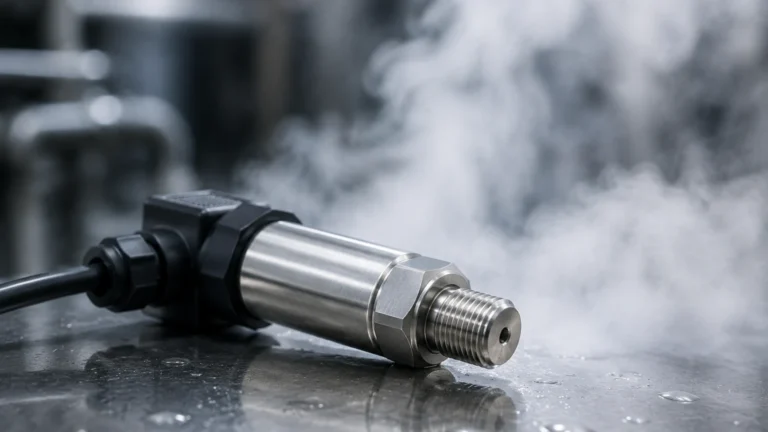
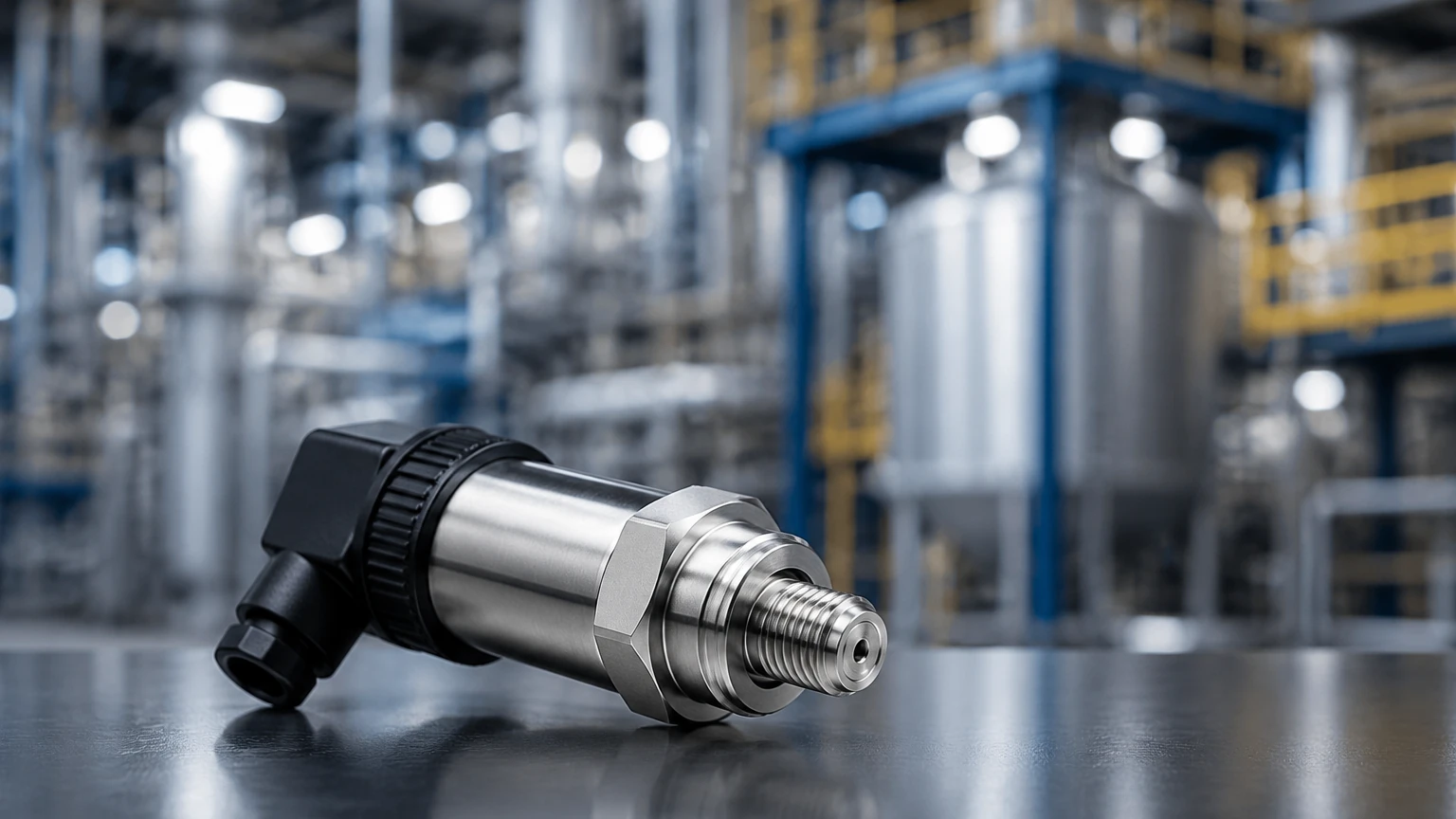
In industrial process control and automation, the gas pressure transducer serves as a fundamental bridge between physical pneumatic states and electronic monitoring systems. These devices convert the physical force exerted by a gas into a measurable electrical signal, typically voltage, current, or digital data. For engineers and system integrators working with Welk instrumentation, understanding the nuances of gas pressure measurement is essential for ensuring safety, efficiency, and accuracy in applications ranging from pneumatic power systems to tank level monitoring.
Unlike liquid pressure measurement, gas measurement must account for the high compressibility of the medium and its significant sensitivity to temperature fluctuations. This article provides a technical overview of gas pressure transducer principles, selection criteria, and installation best practices for industrial environments.
Measurement Principles of Gas Pressure Transducers
Before selecting a specific model, it is necessary to understand how different sensing technologies interact with gaseous media. The choice of principle often dictates the transducer’s suitability for specific pressure ranges and environmental conditions.
Piezoresistive Sensors
Piezoresistive transducers utilize a silicon diaphragm with integrated resistors. When gas pressure deforms the diaphragm, the electrical resistance changes (the piezoresistive effect). These are highly sensitive and ideal for low-to-medium pressure gas applications. However, because the silicon element is often fragile, they are typically used for clean, non-corrosive gases unless protected by an isolation diaphragm.
Capacitive Sensors
Capacitive gas pressure transducers measure the change in electrical capacitance between a flexible metal or ceramic diaphragm and a fixed electrode. As gas pressure moves the diaphragm, the gap changes, altering the capacitance. These sensors are known for excellent stability and high resolution, making them preferred for vacuum measurements and low-pressure gas monitoring in laboratory or high-precision industrial settings.
Strain Gauge Technology
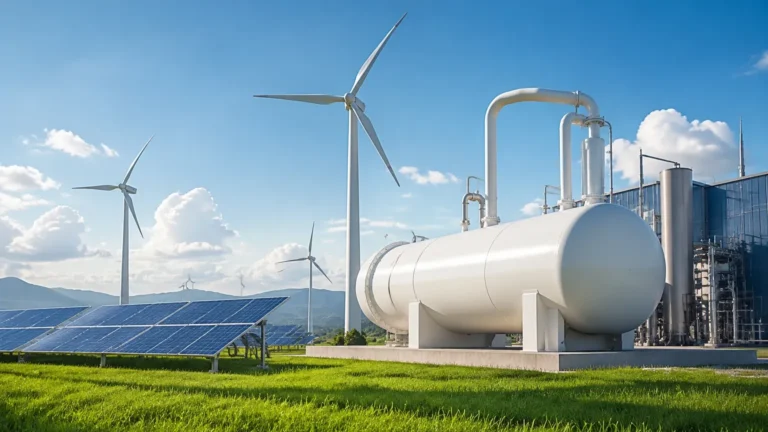
In these transducers, a strain gauge is bonded to a metal diaphragm. As gas pressure exerts force on the diaphragm, the strain gauge deforms, changing its resistance. This technology is exceptionally robust and is the standard for high-pressure gas applications, such as compressed natural gas (CNG) storage or high-pressure pneumatic actuators.
Pressure Types: Absolute, Gauge, and Differential
When specifying a gas pressure transducer, the reference point of the measurement is critical:
1. Gauge Pressure (psig/barg): Measured relative to the local atmospheric pressure. This is the most common type for pneumatic systems.
2. Absolute Pressure (psia/bara): Measured relative to a perfect vacuum. This is essential for atmospheric research, altitude-dependent processes, and gas law calculations where the total pressure of the gas is required.
3. Differential Pressure (psid/bard): Measures the difference between two pressure ports. In gas systems, this is frequently used to monitor filter clogs or to calculate flow rates across an orifice plate.
Selection Criteria for Industrial Gas Applications
Selecting the correct instrument requires a balance between technical requirements and cost-effectiveness. Engineers should evaluate the following factors:
Media Compatibility
The chemical composition of the gas determines the required wetted materials. While stainless steel (316L) is standard for many industrial gases, specialized gases like chlorine or high-moisture biogas may require Hastelloy or ceramic diaphragms to prevent corrosion and premature failure.
Pressure Range and Overpressure
The transducer should be selected so that the normal operating pressure falls within 50% to 75% of the device’s full-scale range. It is also vital to confirm the "proof pressure" (the maximum pressure the device can withstand without damage) and "burst pressure" (the pressure at which the housing fails).
Temperature Effects
Gases expand and contract significantly with temperature. A high-quality gas pressure transducer must include internal temperature compensation to ensure that the output signal remains accurate despite environmental or process temperature swings.
Output Signals
Standard industrial outputs include:
* 4-20 mA: The industry standard for long-distance transmission, as it is highly resistant to electromagnetic interference (EMI).
* 0-10 V: Common in HVAC and localized control panels.
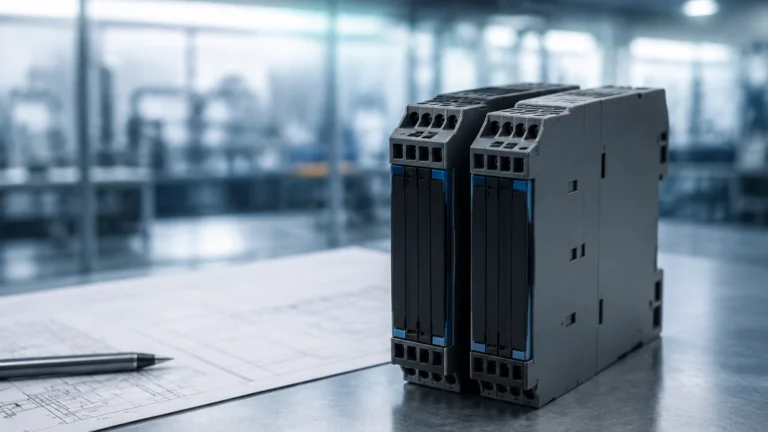
* Digital (RS485/Modbus): Increasingly popular for "Smart Factory" applications where multiple data points (pressure and temperature) are transmitted over a single cable.
Practical Selection Table
| Application Type | Recommended Sensor Principle | Typical Pressure Range | Key Advantage |
| :— | :— | :— | :— |
| Clean Dry Air (CDA) | Piezoresistive | 0–10 bar | High sensitivity, low cost |
| Corrosive Biogas | Ceramic Capacitive | 0–2 bar | Corrosion resistance, high stability |
| High-Pressure Nitrogen | Thin-film Strain Gauge | 0–400 bar | Durability, high overpressure limit |
| Vacuum Monitoring | Capacitive | -1–0 bar | High resolution in sub-atmospheric ranges |
| Gas Flow (DP) | Piezoresistive Differential | 0–500 mbar | Precise measurement of low pressure drops |
Installation Considerations and Limitations
Proper installation is as important as the device selection itself. For gas pressure transducers, several specific factors must be managed to ensure long-term reliability.
Orientation and Condensation
In gas lines where moisture may be present (such as compressed air systems), the transducer should be mounted above the pipeline. This prevents condensate from pooling on the sensor diaphragm, which can cause measurement errors or freezing damage in cold environments. If the gas is extremely hot, a siphon or cooling tower should be used to protect the sensor electronics.
Dead Volume and Response Time
For high-speed pneumatic applications, the "dead volume" (the space between the process connection and the sensor element) should be minimized. Large dead volumes can act as a buffer, slowing down the transducer's response to rapid pressure changes.
Potential Risks and Limitations
* Adiabatic Heating: Rapidly pressurizing a gas system can cause a localized temperature spike (adiabatic heating), which may temporarily drift the sensor's accuracy or damage sensitive components.
* Particulate Contamination: High-velocity gas can carry particulates that may erode or clog the sensor port. In such cases, a snubbing device or filter is recommended.
* Oxygen Service: Transducers used in oxygen-rich environments must be specially cleaned and certified to be free of hydrocarbons (oils/grease) to prevent spontaneous combustion.
Gas Pressure Transducers in Level Measurement
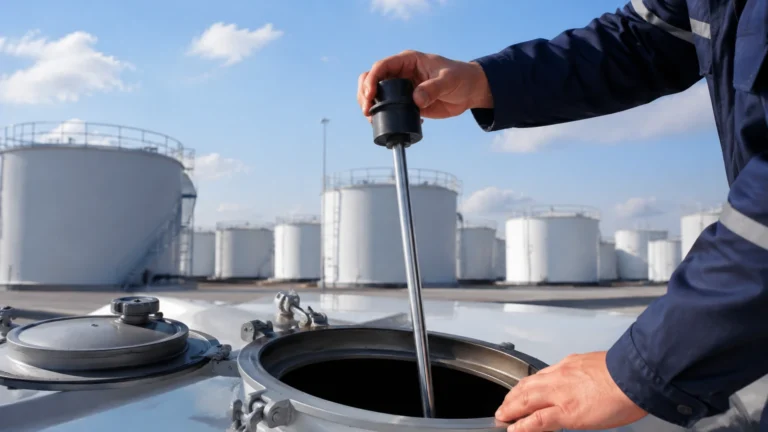
While primarily used for pressure monitoring, these transducers play a vital role in level measurement through "bubbler" systems. In this setup, a gas (usually air or nitrogen) is pushed through a tube submerged in a liquid. The gas pressure required to displace the liquid is equal to the hydrostatic pressure at the bottom of the tank. A gas pressure transducer measures this back-pressure, allowing the system to calculate the liquid level. This method is particularly useful for corrosive or high-temperature liquids where direct contact sensors might fail.
For more advanced direct level measurement technologies, including radar and ultrasonic solutions, you can Review product options and application support on the Welk Main Page.
Frequently Asked Questions (FAQs)
Q: Can a gas pressure transducer be used for liquid measurement?
A: Many transducers are rated for both gas and liquid (dual-media). However, you must ensure the wetted materials are compatible with the liquid and that the internal design does not allow air bubbles to become trapped, which would affect accuracy in liquid service.
Q: How often should a gas pressure transducer be calibrated?
A: In standard industrial applications, annual calibration is recommended. However, in critical safety systems or harsh environments with high vibration and temperature cycling, semi-annual calibration may be necessary to maintain precision.
Q: What is the difference between a pressure transducer and a pressure transmitter?
A: While the terms are often used interchangeably, a "transducer" typically refers to a device with a voltage output (e.g., 0-5V), whereas a "transmitter" refers to a device with a current output (e.g., 4-20mA) designed for long-distance signal transmission.
Q: How do I handle pressure spikes in pneumatic systems?
A: Use a pressure snubber. This is a small fitting with a restricted orifice that dampens the force of pressure surges, protecting the sensor diaphragm from mechanical shock.
Conclusion
The gas pressure transducer is a versatile and essential tool in the modern industrial landscape. By understanding the underlying measurement principles—whether piezoresistive, capacitive, or strain gauge—and carefully considering environmental factors like temperature and media compatibility, engineers can select the most reliable solution for their specific needs. Whether it is monitoring a simple air compressor or integrating a complex bubbler system for tank level, the right transducer ensures that gas-based processes remain under precise control. For comprehensive technical data and a full range of industrial measurement instruments, visit the Welk Main Page.