Decarbonisation Services
Decarbonisation Services
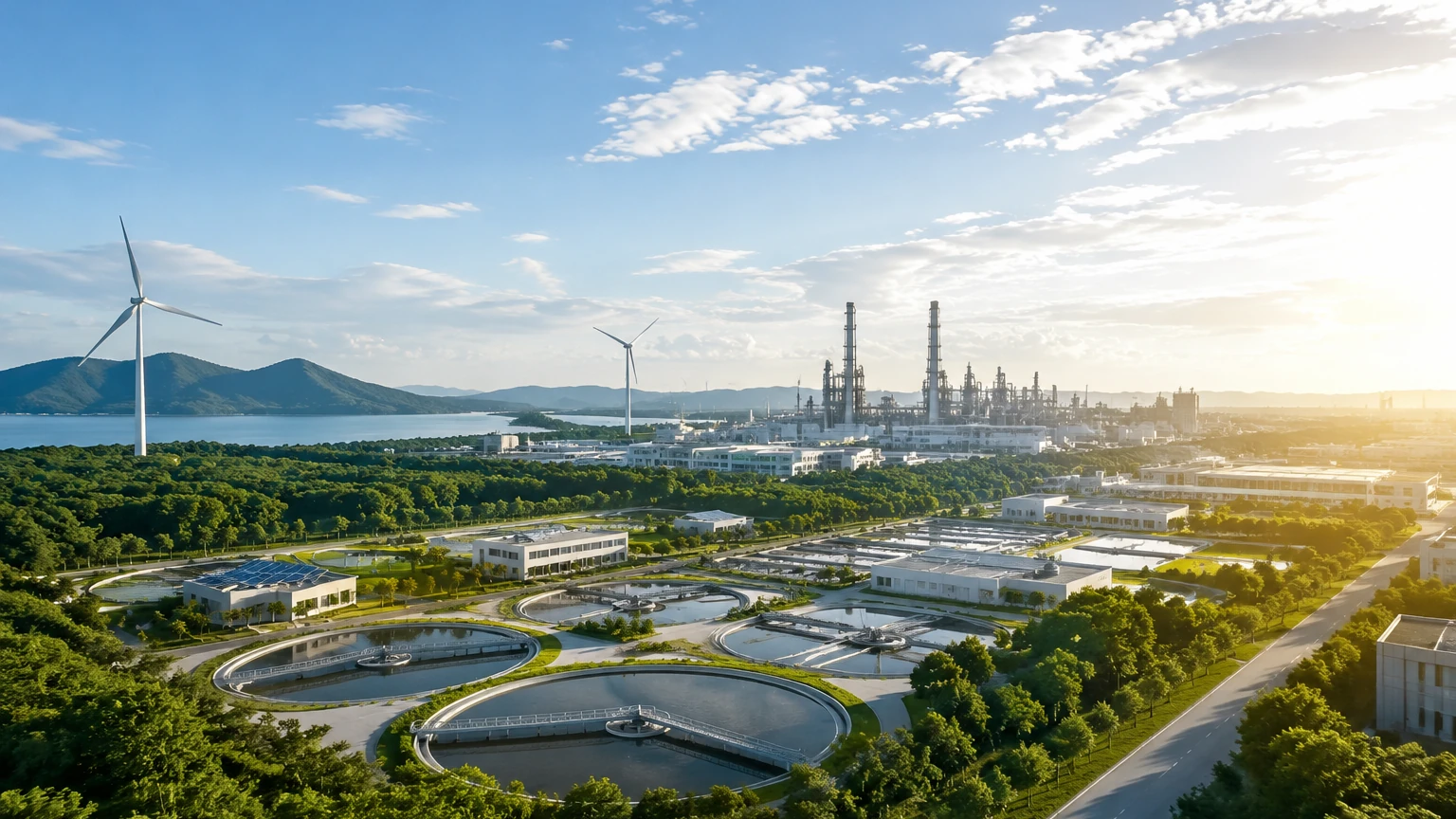
In the current industrial landscape, the transition toward sustainable operations is no longer a peripheral concern but a core strategic mandate. Decarbonisation services have emerged as a critical resource for heavy industries, including chemical processing, oil and gas, and water treatment, helping them navigate the complex path toward net-zero emissions. While these services often focus on high-level energy audits and carbon accounting, the practical implementation of carbon reduction frequently relies on the precision of field instrumentation. Accurate level measurement is a fundamental component in this transition, providing the data necessary to optimize resource consumption, prevent waste, and enhance process efficiency.
The Strategic Role of Level Measurement in Decarbonisation
Decarbonisation services typically begin with a comprehensive assessment of a facility's carbon footprint, categorized into Scope 1, 2, and 3 emissions. Level measurement instruments play a direct role in addressing these categories by improving the accuracy of mass balance calculations and reducing energy-intensive operational errors.
1. Resource Optimization: Precise level monitoring ensures that tanks and silos are utilized to their maximum safe capacity, reducing the frequency of transport and logistics requirements. By minimizing the number of deliveries or shipments needed for raw materials, companies can significantly lower their Scope 3 emissions.
2. Energy Efficiency: In many industrial processes, pumps and agitators are among the highest consumers of electricity. By utilizing high-accuracy level sensors, such as 80GHz radar, control systems can optimize pump run times based on real-time data, preventing dry running and unnecessary energy expenditure (Scope 2 emissions).
3. Waste and Leak Prevention: Overflows and leaks are not only environmental hazards but also represent a significant loss of embodied carbon. Reliable level switches and continuous transmitters act as the primary defense against material loss, ensuring that every unit of carbon-intensive material is accounted for and processed correctly.
For engineers and procurement managers looking to integrate these technologies into their sustainability frameworks, reviewing the Main Page of a specialized manufacturer like Welk provides essential insights into the latest hardware designed for high-performance industrial environments.
Core Measurement Principles for Industrial Efficiency
Before selecting an instrument to support decarbonisation goals, it is essential to understand the physical principles that govern different measurement technologies. Each principle offers specific advantages depending on the medium and the environmental conditions.
Radar Level Measurement (ToF)
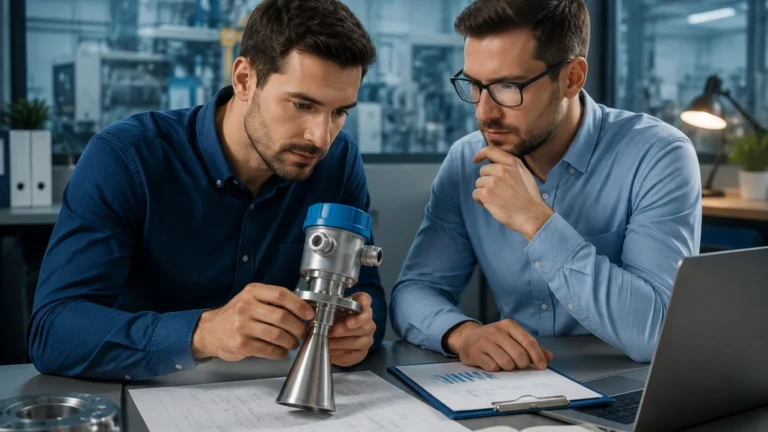
Radar level meters operate on the Time-of-Flight (ToF) principle. The device emits a high-frequency electromagnetic wave (typically in the 26GHz or 80GHz range) toward the material surface. The wave is reflected back to the sensor, and the distance is calculated based on the time interval between emission and reception.
* Non-contact Radar: Ideal for corrosive or high-temperature liquids where physical contact would lead to sensor degradation. Modern 80GHz radar units offer a narrow beam angle, which minimizes interference from internal tank structures, leading to more reliable data for decarbonisation services to analyze.
* Guided Wave Radar (GWR): Uses a probe to guide the signal. This is particularly effective in low-dielectric liquids or applications with heavy foam, where non-contact signals might be dispersed.
Ultrasonic Level Measurement
Ultrasonic sensors emit sound waves at frequencies above the human hearing range. Similar to radar, they measure the time it takes for the pulse to return. However, because sound requires a medium (air) to travel, these sensors are sensitive to changes in air temperature and pressure. They are most commonly used in water treatment and open-channel flow applications where the environment is relatively stable.
Hydrostatic Level Measurement
This principle relies on the relationship between the height of a liquid and the pressure it exerts at the base of a vessel. A pressure transmitter installed at the bottom of the tank measures the "head pressure." This is a robust and cost-effective method for liquid level measurement, though it requires accurate knowledge of the liquid's density to ensure precision.
Technology Selection Guide for Low-Carbon Operations
Choosing the right technology is vital for the long-term success of decarbonisation initiatives. Frequent maintenance or sensor failure results in "truck rolls" and replacement hardware, both of which increase a project's carbon footprint. The following table compares common technologies based on their suitability for high-efficiency applications.
| Technology | Accuracy | Power Consumption | Maintenance Requirement | Best Decarbonisation Application |
| :— | :— | :— | :— | :— |
| 80GHz Radar | ±1 mm | Low (2-wire 4-20mA) | Very Low | Chemical storage, high-precision inventory |
| Ultrasonic | ±0.25% | Moderate | Low (Requires cleaning) | Wastewater treatment, basin monitoring |
| Hydrostatic | ±0.1% FS | Low | Moderate (Diaphragm checks) | Fuel tanks, water reservoirs |
| Magnetic Gauge | Visual/Switch | Zero to Low | Moderate | High-pressure boilers, steam recovery |
| Level Switch | Point-only | Very Low | Low | Overflow prevention, pump protection |
Installation Considerations for Sustainable Process Control
To ensure that level measurement instruments provide the reliable data required by decarbonisation services, proper installation is paramount. Poorly installed sensors lead to "noisy" data, which can cause control systems to oscillate, wasting energy and wearing out mechanical components.
* Beam Path Clearance: For radar and ultrasonic sensors, the signal "cone" must be kept clear of ladders, agitators, and inflow streams. Obstructions create false echoes that can be misinterpreted as the material level.
* Temperature Compensation: Since the speed of sound varies with temperature, ultrasonic sensors must have integrated or external temperature compensation to maintain accuracy. Inaccurate readings in a cooling tower, for example, could lead to excessive water waste.
* Mounting Position: Sensors should generally be mounted away from the tank wall (to avoid signal interference) but not directly over the fill point (to avoid turbulence and signal scattering).
* Stilling Wells: In applications with heavy turbulence or surface foam, installing a radar or float-based sensor inside a stilling well can provide a calm surface for measurement, significantly increasing the reliability of the data used for carbon reporting.
Limitations and Risks in Measurement Accuracy
While advanced instrumentation is a boon for decarbonisation, engineers must be aware of specific limitations that can compromise data integrity:
1. Dielectric Constant (Dk): Radar signals rely on the dielectric difference between the air and the medium. Very low Dk materials (like certain liquefied gases) may not reflect enough energy for a non-contact radar, requiring guided wave technology instead.
2. Vapor and Dust: High-pressure steam or heavy dust (in grain silos) can attenuate ultrasonic signals. In these environments, high-frequency radar is often the only viable solution for maintaining the accuracy needed for tight process control.
3. Density Fluctuations: Hydrostatic sensors measure mass, not volume. If a decarbonisation service recommends switching to a different chemical or biofuel with a different density, hydrostatic sensors must be recalibrated, or the resulting volume errors will lead to incorrect carbon accounting.
Frequently Asked Questions (FAQs)
Q: How does upgrading level meters contribute to a company's ESG (Environmental, Social, and Governance) rating?
A: Upgrading to high-accuracy meters provides the verifiable data needed for ESG reporting. It demonstrates a commitment to resource efficiency and risk mitigation (preventing spills), which are key metrics for many sustainability frameworks.
Q: Can level measurement help in Carbon Capture and Storage (CCS)?
A: Yes. Decarbonisation services involved in CCS require extremely precise level and pressure monitoring in high-pressure CO2 storage tanks to ensure the stability and safety of the captured carbon.
Q: Are wireless level sensors better for decarbonisation?
A: Wireless sensors can reduce the carbon footprint of the installation phase by eliminating the need for extensive cabling and conduit. However, the lifecycle impact of batteries must be weighed against the energy efficiency of a wired 4-20mA loop.
Q: What is the benefit of 80GHz over 26GHz radar for sustainability?
A: 80GHz radar has a much narrower beam and better signal-to-noise ratio. This allows it to ignore internal tank obstructions more effectively, leading to fewer errors and more precise inventory management, which is essential for reducing waste.
Conclusion
The integration of professional decarbonisation services with high-quality field instrumentation is a powerful combination for any industrial facility. By focusing on the fundamental principles of measurement and selecting the appropriate technology for the specific application, companies can ensure they have the data foundation necessary to meet their sustainability goals. Whether through the implementation of non-contact radar for chemical processing or hydrostatic transmitters for water management, the path to a lower carbon future is paved with precision and reliable engineering data. For those beginning this journey, exploring the technical options available on the Main Page is a recommended first step in identifying the tools that will drive operational excellence and environmental responsibility.