Inline Beverage Analyser
Inline Beverage Analyser
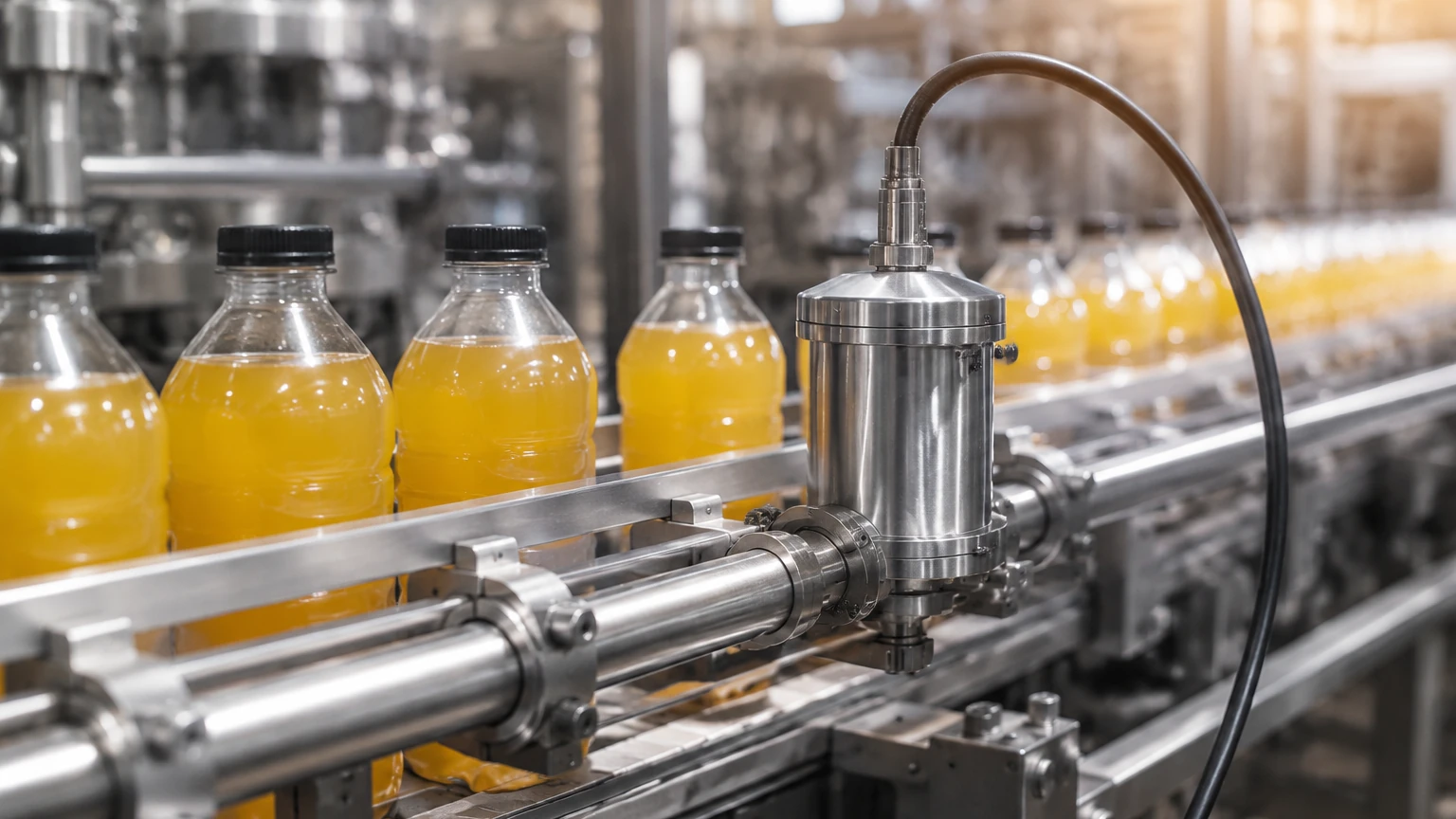
In the modern beverage industry, maintaining consistent product quality while maximizing production efficiency is a constant challenge. Traditional laboratory sampling, though accurate, introduces significant time delays and increases the risk of batch errors. The transition toward real-time process monitoring has made the inline beverage analyser an essential component in the production of soft drinks, beer, wine, fruit juices, and dairy products. By providing continuous data on parameters such as Brix, CO2, alcohol content, and conductivity, these instruments allow for immediate process adjustments, ensuring every liter meets strict brand standards.
Measurement Principles of Inline Beverage Analysers
To select the correct instrumentation, it is vital to understand the physical and chemical principles used to quantify beverage components. Different beverages require different sensing technologies based on their chemical composition and the specific parameters being monitored.
Optical Refractometry (Brix and Dissolved Solids)
Refractive index measurement is the most common method for determining sugar content (Brix) in soft drinks and juices. The principle relies on Snell’s Law: as light passes from a prism into the beverage, it refracts at an angle dependent on the concentration of dissolved solids. A high-resolution optical sensor detects the critical angle of total internal reflection. This method is highly favored because it is unaffected by color, turbidity, or the presence of fruit pulp and bubbles.
Sonic Velocity (Density and Extract)
Sonic velocity sensors measure the speed at which sound waves travel through the liquid. In the beverage industry, this is particularly useful for determining the extract concentration in wort or the alcohol content in spirits. Because the speed of sound is highly sensitive to changes in density and molecular structure, it provides a robust, non-optical alternative for complex liquids. These sensors are often used in brewing to monitor the fermentation process in real-time.
Potentiometric and Conductive Measurement
Conductivity sensors are used primarily for interface detection (e.g., distinguishing between product and water) and for monitoring the concentration of Clean-In-Place (CIP) solutions. In mineral water production, conductivity ensures the correct mineral balance is maintained. Potentiometric sensors, on the other hand, are critical for pH monitoring, which affects both the flavor profile and the microbial stability of the beverage.
Paramagnetic and Infrared (Gas Analysis)
For carbonated beverages, measuring dissolved CO2 and O2 is critical. Many inline analysers use attenuated total reflection (ATR) infrared spectroscopy to measure CO2 molecules directly. Dissolved oxygen is typically measured using optical-chemical sensors (fluorescence quenching), which are more stable and require less maintenance than traditional electrochemical cells.
Integrating Quality Analysis with Level Measurement
While an inline beverage analyser focuses on the "what" (the quality and composition), industrial level measurement instruments focus on the "how much." In a fully automated beverage plant, these two systems must work in tandem. For instance, in a blending tank where syrup and water are mixed to a specific Brix level, the analyser ensures the ratio is correct, while high-precision level sensors—such as those detailed on the Main Page—ensure the tank does not overflow and that the pump has sufficient head pressure to prevent cavitation.
Radar level meters and ultrasonic sensors are frequently used in these applications due to their non-contact nature, which prevents contamination. When an inline analyser detects that a batch has reached the target concentration, the level meter provides the volume data necessary to calculate total yield and manage downstream filling lines.
Key Evaluation Criteria for Selection
Choosing the right inline analyser requires a balance between technical precision and operational durability. Engineers should evaluate the following criteria:
1. Hygienic Design: The sensor must meet EHEDG or 3-A standards. This includes using 316L stainless steel, high-grade sapphires for optical windows, and EPDM or Kalrez seals that can withstand aggressive cleaning chemicals.
2. Temperature Compensation: Beverage density and refractive index are highly temperature-dependent. A high-quality analyser must include an integrated Pt100 or Pt1000 temperature sensor and sophisticated algorithms to normalize readings to a standard temperature (typically 20°C).
3. Measurement Range and Accuracy: Ensure the device is calibrated for the specific range of your product. A Brix sensor for diet soda (0-5 Brix) requires different sensitivity than one used for juice concentrate (up to 80 Brix).
4. Response Time: In high-speed blending or carbonation lines, a delay of even a few seconds can result in hundreds of liters of out-of-specification product. Look for sensors with a T90 response time of less than 2 seconds.
Technical Selection Table
| Technology | Primary Parameter | Typical Application | Key Advantage |
| :— | :— | :— | :— |
| Optical Refractometer | Brix, % Total Solids | Soft drinks, fruit juice, jam | Immune to bubbles and turbidity |
| Sonic Velocity | Density, Alcohol % | Brewing, distillery, dairy | Extremely robust, no optical parts |
| Conductivity | Phase Interface, CIP | Mineral water, chemical dosing | Fast detection of liquid changeover |
| Infrared (IR) | Dissolved CO2 | Carbonated soft drinks, beer | Direct molecular measurement |
| Optical Fluorescence | Dissolved O2 | Bottling lines, deaeration | Low maintenance, no electrolyte |
Installation Considerations
Proper installation is critical to the performance of an inline beverage analyser. Even the most accurate sensor will provide false readings if installed incorrectly.
* Flow Velocity: Most sensors require a minimum flow velocity (typically 0.5 to 1.5 m/s) to ensure the sensing surface remains clean and to prevent the buildup of biofilms. However, excessively high velocity can cause cavitation near the sensor face.
* Orientation: Sensors should ideally be installed in vertical pipe sections with an upward flow. This ensures the pipe is always full and prevents air bubbles from Trapping against the sensor window, which is a common cause of measurement drift.
* Pipe Diameter: For sonic velocity and some optical sensors, the pipe diameter must be sufficient to avoid signal interference from the opposite wall. Use of specialized flow cells or Varivent® connections is recommended for standardized mounting.
* CIP/SIP Endurance: The instrument must be rated for Steam-In-Place (SIP) temperatures, often reaching 130°C to 145°C. Ensure the electronics are thermally decoupled from the process connection to prevent overheating.
Practical Limitations and Risks
Despite their sophistication, inline beverage analysers face several operational challenges:
* Fouling and Scaling: In dairy or high-pulp juice applications, proteins and fibers can coat the sensor. While many modern refractometers feature "self-cleaning" high-velocity flow designs, periodic manual inspection is still necessary.
* Micro-bubbles: In carbonated products, micro-bubbles can interfere with optical and sonic signals. Installing the analyser after a pressure-regulating valve or in a pressurized loop can help keep gases in solution during measurement.
* Pressure Shocks: Rapid valve closures can cause water hammer, which may damage delicate optical prisms or diaphragms. Installing the sensor away from fast-acting valves is a standard best practice.
Frequently Asked Questions (FAQ)
Q: How often does an inline beverage analyser need calibration?
A: Most modern digital sensors are designed for long-term stability. While a weekly "zero-point" check with deionized water is common, a full multi-point calibration is typically only required annually, unless the process environment is exceptionally harsh.
Q: Can one analyser measure multiple parameters?
A: Yes, many manufacturers offer multi-parameter platforms. For example, a single unit might combine a refractometer for Brix and a sonic velocity sensor for CO2, providing a complete "diet/original" analysis for soft drink bottling.
Q: What is the difference between Brix and Plato?
A: Both measure dissolved solids. Brix is primarily used in the sugar and fruit juice industry (1 degree Brix = 1 gram of sucrose in 100 grams of solution). Plato is the standard in the brewing industry to measure the concentration of extract in wort.
Q: How do these sensors handle Clean-In-Place (CIP) cycles?
A: Industrial-grade analysers are designed to be "CIP-forward." They detect the transition from product to cleaning agent and can either pause measurement or switch to a cleaning-monitoring mode. The materials used (Hastelloy, Stainless Steel, Sapphire) are resistant to caustic soda and nitric acid.
Conclusion for Engineering Teams
Implementing an inline beverage analyser is a strategic investment that moves a facility toward Industry 4.0 standards. By reducing reliance on manual sampling, plants can achieve tighter control over raw material usage and guarantee product consistency. When integrating these systems, it is essential to consider the entire process loop—from the quality of the ingredients to the precise level control in the storage tanks. For technical specifications on the level measurement side of this equation, engineers can refer to the Main Page for comprehensive data on radar, ultrasonic, and hydrostatic transmitters suitable for hygienic environments.