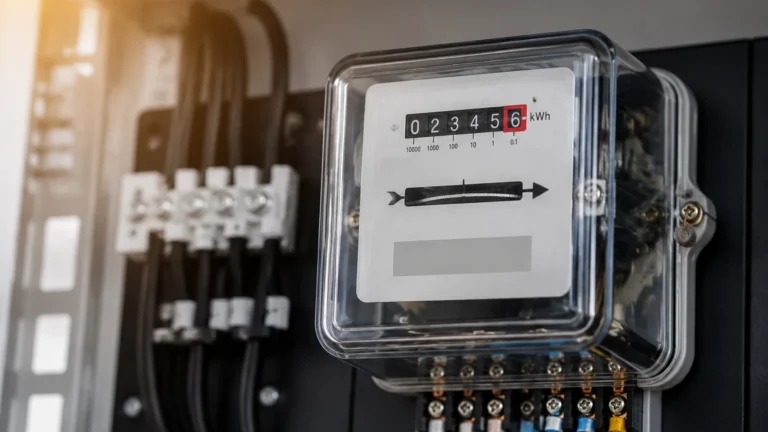
Cement Works Monitoring System
Cement Works Monitoring System
In the heavy industrial landscape of cement production, a robust cement works monitoring system is essential for maintaining process efficiency, ensuring personnel safety, and optimizing inventory management. Cement manufacturing involves the processing of abrasive raw materials, high-temperature clinker, and fine-grained finished products, all of which present significant challenges for instrumentation. Accurate level measurement is the cornerstone of these systems, providing the data necessary to prevent silo overfills, manage supply chains, and maintain the continuous flow of the production line.
To build an effective monitoring framework, engineers must understand the physical principles of various measurement technologies and how they interact with the unique environment of a cement plant. From the primary crusher to the final packaging stage, the choice of sensor can determine the reliability of the entire operation.
Measurement Principles in Cement Applications
Before selecting specific hardware for a cement works monitoring system, it is necessary to understand the underlying physics of the most common level measurement technologies used in the industry.
Radar Level Measurement (Non-Contact)
Radar level transmitters operate on the Time-of-Flight (ToF) principle. The device emits high-frequency electromagnetic pulses (typically in the 26 GHz or 80 GHz range) toward the material surface. These pulses are reflected back to the sensor. Since the speed of light is constant, the time delay between emission and reception allows the device to calculate the distance to the material.
In cement works, 80 GHz radar is often preferred due to its narrow beam angle. This allows the signal to avoid internal silo structures like ladders or reinforcement beams, which are common in tall cement silos. Radar is particularly effective because electromagnetic waves are not significantly attenuated by the heavy dust clouds typically found during pneumatic filling.
Ultrasonic Level Measurement
Ultrasonic sensors function similarly to radar but use mechanical sound waves instead of electromagnetic waves. The sensor emits an ultrasonic pulse that bounces off the material surface. The time taken for the echo to return is used to determine the level.
While cost-effective, ultrasonic technology has limitations in cement works. Sound waves are mechanical and require a medium (air) to travel. Changes in air temperature, pressure, and high concentrations of dust can alter the speed of sound or absorb the signal entirely. Consequently, ultrasonic sensors are generally reserved for water treatment areas or additive tanks within the plant rather than main cement silos.
Hydrostatic Level Measurement
For liquid applications within the cement plant, such as fuel oil storage or water tanks, hydrostatic transmitters measure the pressure exerted by the liquid column. The pressure at the bottom of a tank is directly proportional to the height of the liquid and its specific gravity. This is a reliable, contact-based method that is less affected by surface turbulence than ultrasonic methods.
Point Level Switches
In addition to continuous monitoring, a cement works monitoring system requires point level switches for overfill protection and run-dry prevention. These often utilize vibrating fork or rotary paddle principles. A vibrating fork sensor detects the change in frequency when covered by material, while a rotary paddle stops turning when it encounters the resistance of the bulk solid.
The Role of Monitoring in the Production Chain
A comprehensive monitoring system tracks material at every stage of the cement manufacturing process. Each stage requires a different approach to instrumentation.
1. Raw Material Storage: Limestone, clay, and iron ore are often stored in large outdoor piles or massive bins. Here, heavy-duty radar sensors are used to track volumes despite the presence of large rocks and significant dust.
2. Raw Meal Silos: After grinding, the raw meal is stored in silos for homogenization. This material is extremely fine and often aerated, which can create a fluid-like surface that is difficult for some sensors to track. High-frequency radar is the standard here.
3. Pre-Heater and Kiln Feed: Monitoring the feed into the kiln is critical for maintaining the chemical balance of the clinker. Sensors in this area must withstand high ambient temperatures and vibration.
4. Clinker Silos: Clinker exits the kiln at temperatures exceeding 1,000°C and is cooled before storage. Even after cooling, clinker silos can remain at temperatures above 200°C (392°F). Level instruments must be equipped with cooling jackets or high-temperature wave guides to survive.
5. Finished Cement Silos: The final product is a very fine powder. During filling, the dust levels are at their peak. For a detailed look at the specific instruments used in these applications, engineers can consult the Main Page of technical equipment providers to compare sensor ratings.
Selection Criteria for Cement Instrumentation
Choosing the right sensor involves evaluating the physical properties of the material and the mechanical constraints of the silo. The following table provides a general guide for technology selection in a cement works monitoring system.
| Application | Material State | Primary Challenge | Recommended Technology |
| :— | :— | :— | :— |
| Primary Crusher | Large Solids | Impact & Vibration | Heavy-duty Radar |
| Raw Meal Silo | Fine Powder | Heavy Dust/Aeration | 80 GHz Radar |
| Additive Tanks | Liquid/Slurry | Chemical Vapors | Ultrasonic or Hydrostatic |
| Clinker Silo | Granular Solid | High Temperature | Radar with Cooling |
| Finished Cement | Fine Powder | Narrow Silos/Dust | 80 GHz Radar |
| Overfill Alarm | Any | Safety Redundancy | Vibrating Fork/Rotary Switch |
Installation Considerations
The physical installation of sensors within a cement works monitoring system is as important as the technology itself. Poor placement can lead to false readings or premature equipment failure.
* Avoid the Fill Stream: Sensors should never be mounted directly in the path of incoming material. The force of falling limestone or cement can damage the sensor or cause signal loss due to the density of the falling stream.
* Aiming Flanges: For bulk solids, the material surface is rarely flat. It forms cones (during filling) or craters (during discharge). Using an adjustable aiming flange allows the radar beam to be pointed at the most representative part of the material surface, usually about one-third of the radius from the silo wall.
* Nozzle Geometry: The mounting nozzle should be as short as possible. If the nozzle is too long or narrow, the radar signal may reflect off the internal edges of the nozzle before it even enters the silo, creating a "dead zone" at the top of the measurement range.
* Purging Systems: In areas with extreme dust or moisture, air purging systems are used to keep the sensor face clean. A small, continuous flow of compressed air prevents the buildup of cement dust on the radar lens or ultrasonic transducer.

Limitations and Common Risks
Even the most advanced cement works monitoring system faces physical limitations. Understanding these risks allows for better system design and contingency planning.
* Signal Attenuation: While radar penetrates dust, extremely dense pneumatic conveying streams can still attenuate the signal. In these cases, selecting a lower frequency radar or increasing the signal strength (gain) may be necessary.
* Angle of Repose: Bulk solids like cement have a steep angle of repose. If a sensor is mounted too close to the wall, it may measure the material stuck to the side rather than the actual level. Conversely, if it is too central, it may only measure the peak of the cone.
* Dielectric Constant: Radar relies on the dielectric constant ($ε_r$) of the material to reflect the signal. Most minerals in cement have a sufficient $ε_r$ (typically > 2.0), but very dry, low-density powders may reflect a weaker signal, requiring more sensitive electronics.
* Mechanical Stress: In tall silos, the weight of the material column can be immense. For contact-based methods like Guided Wave Radar (GWR), the pull-down force on the probe cable can reach several metric tons, potentially tearing the sensor from the silo roof. Non-contact radar is generally preferred for this reason.
Frequently Asked Questions (FAQs)
Q: Why is 80 GHz radar preferred over 26 GHz for cement silos?
A: 80 GHz radar has a much narrower beam angle (often as small as 3°). This allows it to be used in tall, narrow silos without the signal hitting the silo walls or internal reinforcements, which would cause false echoes.
Q: Can ultrasonic sensors be used for finished cement?
A: It is generally not recommended. The high dust concentration and the potential for temperature gradients in the air space above the cement can cause the sound waves to scatter or change speed, leading to highly inaccurate readings.
Q: How do you monitor level in a clinker silo that is still hot?
A: High-temperature radar units are used, often featuring an antenna extension that keeps the electronics away from the heat source. Additionally, compressed air purging can serve a dual purpose: cleaning the lens and providing a cooling effect.
Q: What is the benefit of a cement works monitoring system integrated with a PLC?
A: Integration allows for automated logic, such as automatically stopping a conveyor belt when a silo reach 90% capacity or triggering an alarm if the discharge rate does not match the expected volume, indicating a potential blockage.
Conclusion
Implementing a reliable cement works monitoring system requires a disciplined approach to instrument selection and installation. By prioritizing non-contact radar for dust-heavy silos and utilizing point-level switches for safety redundancy, plant operators can significantly reduce downtime and prevent costly overfills. For those looking to specify new equipment or upgrade existing facilities, reviewing the technical data on the Main Page of specialized manufacturers is a critical step in ensuring the chosen instruments meet the rigorous demands of the cement industry. Proper engineering today ensures the continuous, safe, and efficient production of the world's most essential building material.