Orp Tester
Orp Tester
In industrial liquid processing, maintaining the chemical balance of a solution is as critical as monitoring its physical volume. While level measurement instruments ensure tanks do not overflow or run dry, an ORP tester (Oxidation-Reduction Potential) provides the necessary data to understand the chemical reactivity of the fluid. Oxidation-Reduction Potential, often referred to as Redox, is a measure of the tendency of a chemical species to acquire electrons and thereby be reduced. In practical B2B applications, ranging from wastewater treatment to cooling tower maintenance, the ORP tester serves as a vital tool for automated process control.
Understanding the Measurement Principle of ORP Testers
The fundamental principle behind an ORP tester is electrochemical. The device measures the potential difference between a sensing electrode and a reference electrode when immersed in a solution. This potential is a direct reflection of the ratio of oxidized species to reduced species within the liquid.
The Electrochemical Cell
An ORP measurement system functions like a battery. The sensing electrode is typically made of a noble metal, most commonly platinum, due to its inert nature and ability to facilitate electron exchange without reacting with the solution itself. The reference electrode provides a stable, known constant voltage against which the sensing electrode is compared. Most modern industrial ORP testers use a Silver/Silver Chloride (Ag/AgCl) reference system.
When the platinum electrode is placed in a solution containing oxidizing agents (such as chlorine or ozone), it loses electrons to the solution, creating a positive potential. Conversely, in a solution with reducing agents (such as sodium bisulfite), the electrode gains electrons, resulting in a negative potential. The resulting value is expressed in millivolts (mV).
The Nernst Equation
The relationship between the measured potential and the chemical activity is governed by the Nernst Equation. While the math is complex, the practical takeaway for engineers is that ORP is a non-specific measurement. It does not tell you the concentration of a specific chemical (like 5 mg/L of Chlorine); rather, it tells you the "work strength" or the oxidative power of all chemicals present in the solution. This makes it an ideal parameter for monitoring the effectiveness of sanitizers or the completion of chemical reactions.
Key Components and Sensor Technology
An industrial-grade ORP tester consists of three primary components: the electrode (sensor), the pre-amplifier, and the transmitter (or meter).
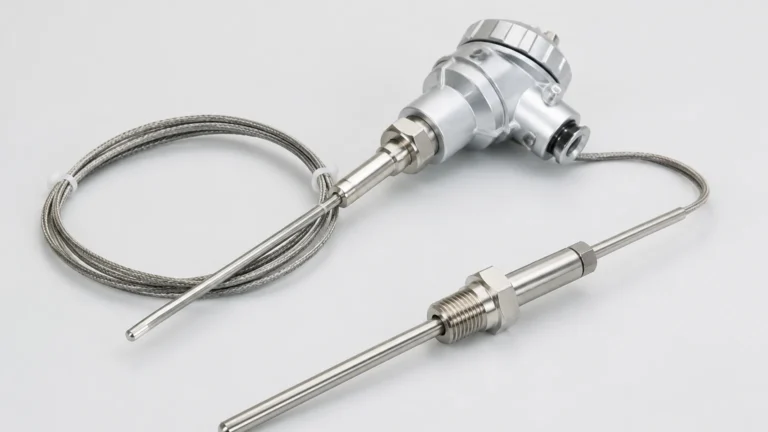
1. The Electrode: This is the part in contact with the process fluid. In industrial environments, "combination electrodes" are standard, where both the sensing and reference elements are housed in a single body. These bodies are often constructed from glass or high-performance plastics like Ryton (PPS).
2. The Pre-amplifier: Because the electrical signal generated by the electrode is high-impedance and low-voltage, it is highly susceptible to electromagnetic interference (EMI). A pre-amplifier converts this signal into a more robust format for transmission over longer distances.
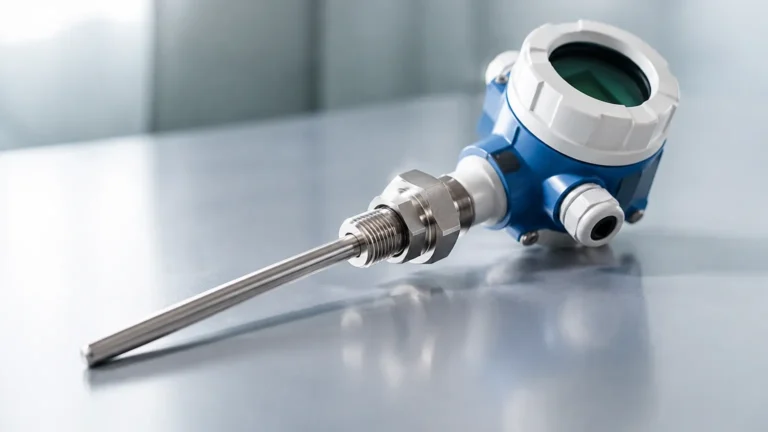
3. The Transmitter: This unit processes the signal, provides a digital readout, and offers outputs (such as 4-20mA or RS485) for integration into a PLC or SCADA system. In advanced setups, these systems work in tandem with level measurement solutions found on the Main Page to ensure that chemical dosing is only performed when tank levels are within operational limits.
Selection Criteria for Industrial ORP Testers
Choosing the right ORP tester requires an evaluation of the process environment, the required accuracy, and the integration needs. The following table provides a comparison of common ORP testing formats used in B2B sectors.
| Feature | Handheld/Portable Tester | Inline/Process Sensor | Benchtop Laboratory Meter |
| :— | :— | :— | :— |
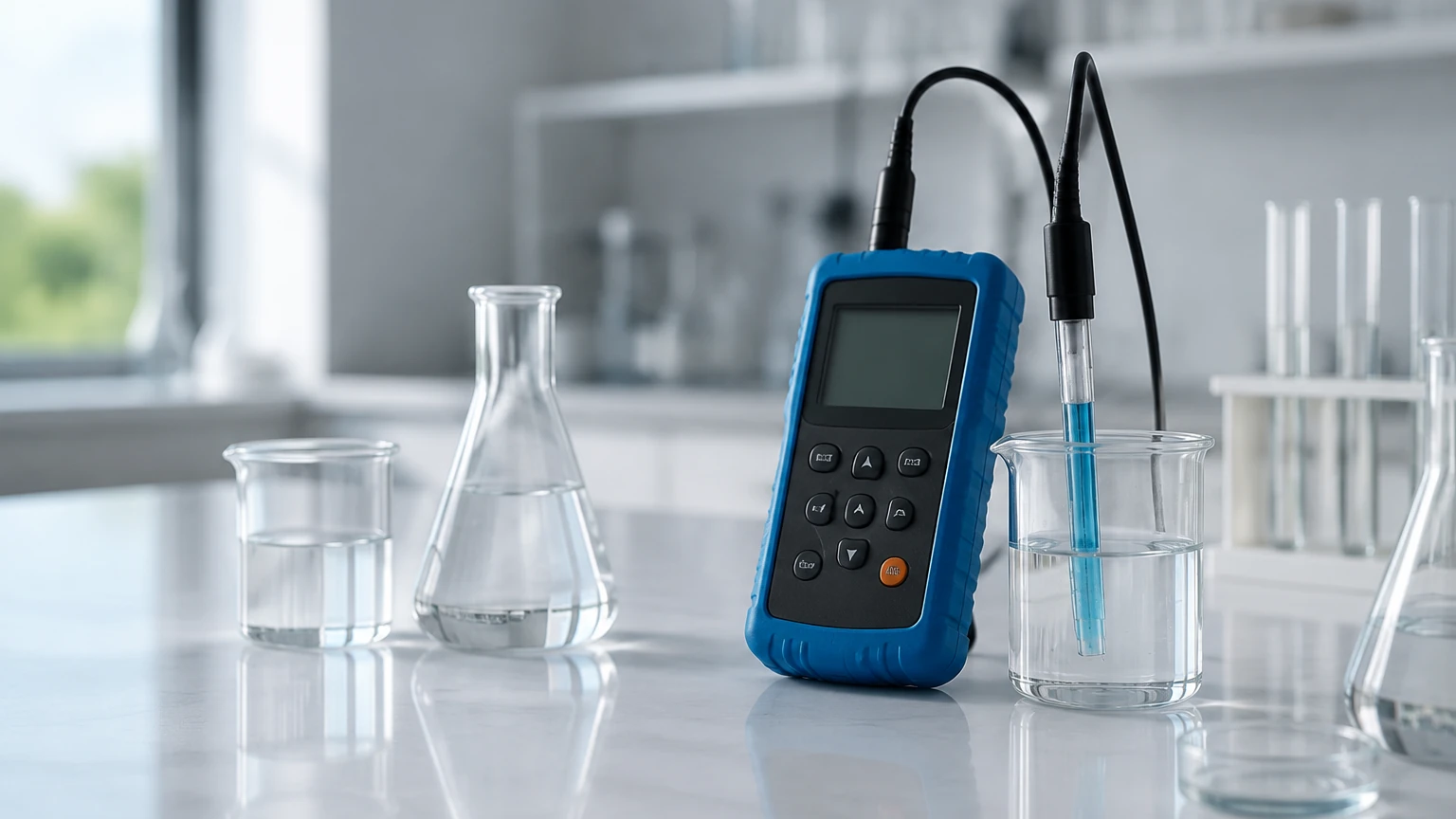
| Primary Use | Spot checking and field audits | Continuous monitoring and control | Research and quality control |
| Durability | Moderate (ruggedized cases) | High (designed for pressure/temp) | Low (stationary use) |
| Signal Output | Visual display only | 4-20mA, Modbus, HART | USB, RS232, Analog |
| Maintenance | Periodic calibration | Frequent cleaning/calibration | Highest precision calibration |
| Installation | Manual immersion | Pipe tee, tank wall, or flow cell | Laboratory beaker |
| Typical Range | -1000 to +1000 mV | -2000 to +2000 mV | -2000 to +2000 mV |
Practical Applications in Water Treatment and Chemical Processing
Wastewater Treatment
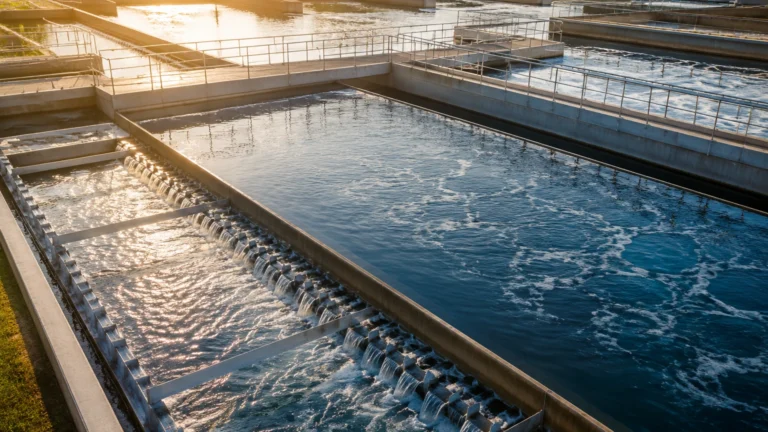
In municipal and industrial wastewater facilities, ORP testers are used to manage biological nutrient removal. For example, in the denitrification process, an ORP "set point" can indicate when nitrate has been fully converted to nitrogen gas. Similarly, in the destruction of cyanide or the reduction of hexavalent chromium, ORP is the standard parameter used to ensure the reaction has reached completion before the water is discharged.
Cooling Tower Maintenance
Cooling towers are prone to biological growth, which can lead to scaling and Legionella risks. ORP testers monitor the levels of biocides (oxidizers). By maintaining a specific mV level (typically +600mV to +700mV), facility managers can ensure the water is sanitized without over-dosing expensive chemicals, which could lead to corrosion of the tower’s metal components.
Chemical Manufacturing
In batch reactions where oxidation or reduction is the primary goal, an inline ORP tester provides real-time feedback. This allows for automated shut-off of reagent pumps, preventing hazardous over-reactions and ensuring product consistency.
Installation and Maintenance Guidelines
To ensure accurate and reliable data from an ORP tester, proper installation and a rigorous maintenance schedule are mandatory. Unlike level meters, which may require less frequent physical contact with the media, ORP sensors are electrochemical and degrade over time.
Installation Considerations
* Orientation: Sensors should be installed at an angle (at least 15 degrees above the horizontal) to prevent air bubbles from being trapped at the sensing tip, which would cause signal drift.
* Flow Velocity: The sensor should be placed in an area with sufficient flow to ensure a representative sample, but not so high that it causes physical erosion of the electrode or "streaming potentials" (static interference).
* Location: Always install the ORP tester downstream of chemical injection points, but far enough away to allow for complete mixing. If used in a tank, ensure it is not in a "dead zone" where liquid stagnates.
Maintenance and Calibration
* Cleaning: The platinum tip can become coated with oils, minerals, or biological film. Regular cleaning with a soft brush and appropriate cleaning solutions (like dilute HCl for minerals) is necessary.
* Calibration: ORP sensors should be checked against a standard Quinhydrone or Zobell’s solution. Unlike pH sensors, ORP sensors cannot be "adjusted" in the same way; if the reading is significantly off, it usually indicates the electrode is fouled or the reference junction is depleted.
* Hydration: The electrode must never be allowed to dry out. When not in use, it should be stored in a storage solution (typically 4M KCl).
Limitations and Common Troubleshooting
While highly effective, ORP testers have specific limitations that engineers must account for:
* pH Dependency: In many solutions, the ORP value is affected by the pH level. If the pH fluctuates wildly, the ORP reading may change even if the concentration of the oxidizer remains constant. In these cases, simultaneous pH and ORP monitoring is required.
* Non-Specificity: As mentioned, an ORP tester cannot distinguish between different oxidizers. If you are dosing both chlorine and ozone, the ORP tester will show the combined effect of both.
* Poisoning: Certain chemicals, such as sulfides or heavy metals, can "poison" the platinum surface, leading to sluggish response times or permanent failure.
Troubleshooting Tips:
* Drifting Readings: Often caused by a clogged reference junction or a contaminated reference electrolyte.
* Slow Response: Usually indicates a coated sensing tip that requires mechanical or chemical cleaning.
* Erratic Readings: Often the result of a ground loop or electromagnetic interference. Ensure shielded cables are used and the transmitter is properly grounded.
Frequently Asked Questions (FAQs)
Q: How long does an industrial ORP electrode last?
A: In clean water applications, an electrode may last 12 to 24 months. In harsh chemical processes or high-temperature environments, the lifespan may be reduced to 3 to 6 months.
Q: Can I use a pH meter as an ORP tester?
A: Most modern pH meters have a "millivolt mode" and can function as an ORP meter if you connect a compatible ORP electrode. However, dedicated industrial ORP transmitters are preferred for process control due to their specific output configurations.
Q: What is the difference between ORP and Free Chlorine sensors?
A: An ORP tester measures the total oxidative power (sanitizing strength), while a Free Chlorine sensor (amperometric) measures the specific concentration of HOCl and OCl- ions. ORP is often preferred for its lower cost and simplicity in general water treatment.
Q: Does temperature affect ORP readings?
A: Yes, temperature affects the chemical activity and the electrode potential. While many testers offer temperature compensation, it is generally less standardized than pH temperature compensation. It is best to maintain a constant process temperature for the most reliable comparisons.
Conclusion
Integrating an ORP tester into an industrial process provides a window into the chemical dynamics of the system, allowing for precise control over disinfection, dechlorination, and chemical synthesis. When combined with reliable physical monitoring tools, such as the radar and ultrasonic level sensors available from Welk on the Main Page, operators can achieve a comprehensive overview of their liquid assets. Success with ORP technology depends on understanding the electrochemical principles at play, selecting the appropriate hardware for the environment, and committing to the routine maintenance required of all liquid analytical instrumentation.