Endress Hauser Temperature Transmitter
Endress Hauser Temperature Transmitter
In the landscape of industrial process automation, temperature is one of the most frequently measured physical variables. Whether in chemical processing, water treatment, or oil and gas applications, maintaining precise thermal control is essential for product quality, equipment safety, and energy efficiency. An Endress Hauser temperature transmitter serves as the critical bridge between a primary sensing element—such as a Resistance Temperature Detector (RTD) or a Thermocouple (TC)—and the control system. By converting low-level electrical signals into robust, standardized outputs, these devices ensure that temperature data remains accurate and immune to electromagnetic interference over long distances.
For engineers and plant operators, selecting the right transmitter involves understanding the underlying measurement principles, the specific requirements of the installation environment, and how temperature data integrates with other process variables, such as level and pressure. This guide provides a technical overview of temperature transmitter technology, selection criteria, and its vital role in integrated process monitoring.
Understanding Temperature Transmitter Principles
Before selecting an endress hauser temperature transmitter, it is necessary to understand how these devices process signals from primary sensors. A temperature transmitter does not measure temperature directly; instead, it monitors the electrical changes in a sensor and translates those changes into a readable signal.
Resistance Temperature Detectors (RTD)
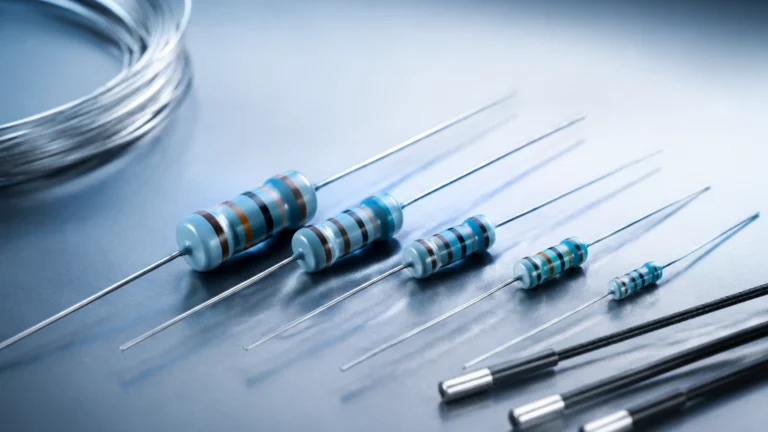
RTDs, most commonly the Pt100 or Pt1000 varieties, operate on the principle that the electrical resistance of a metal increases as temperature rises. Transmitters designed for RTDs measure this resistance (expressed in Ohms) and convert it to a temperature value. RTDs are favored in industrial applications for their high accuracy, stability, and linearity over a range typically spanning -200°C to +850°C.
Thermocouples (TC)
Thermocouples consist of two dissimilar metals joined at one end. When there is a temperature gradient between the junction and the reference point, a small voltage (millivolts) is generated via the Seebeck effect. Transmitters for thermocouples must perform "cold junction compensation" to account for the temperature at the transmitter terminals. While less accurate than RTDs, thermocouples are used for extremely high-temperature applications, reaching up to 1700°C or higher depending on the type (e.g., Type K, S, or B).
Signal Conversion and Standardization
The primary function of the transmitter is to convert these Ohms or millivolts into a standard industrial signal. The most common output is a 4-20 mA analog loop. In this configuration, 4 mA represents the lower end of the calibrated temperature range, and 20 mA represents the upper end. Modern transmitters also incorporate digital protocols like HART, PROFIBUS, or FOUNDATION Fieldbus, allowing for bidirectional communication, advanced diagnostics, and remote configuration.
Types of Endress+Hauser Temperature Transmitters
Endress+Hauser categorizes its transmitter range based on the mounting style and the complexity of the application. Choosing the correct form factor is essential for both ease of maintenance and signal integrity.
Head-Mounted Transmitters
These are compact units designed to fit directly inside the terminal head of a temperature sensor (Form B). By placing the transmitter as close to the sensor as possible, the risk of signal degradation from long lead wires is minimized. The iTEMP TMT series often includes head-mounted models that support various sensor inputs and provide a 4-20 mA/HART output.
DIN Rail-Mounted Transmitters
Rail-mounted transmitters are installed in a centralized control cabinet or junction box. This configuration is ideal when the process environment is too harsh (e.g., extreme vibration or heat) for head-mounted electronics, or when technicians require easy access to the devices without entering the field area. They are typically used in large-scale installations where multiple signals are aggregated.
Field-Mounted Transmitters
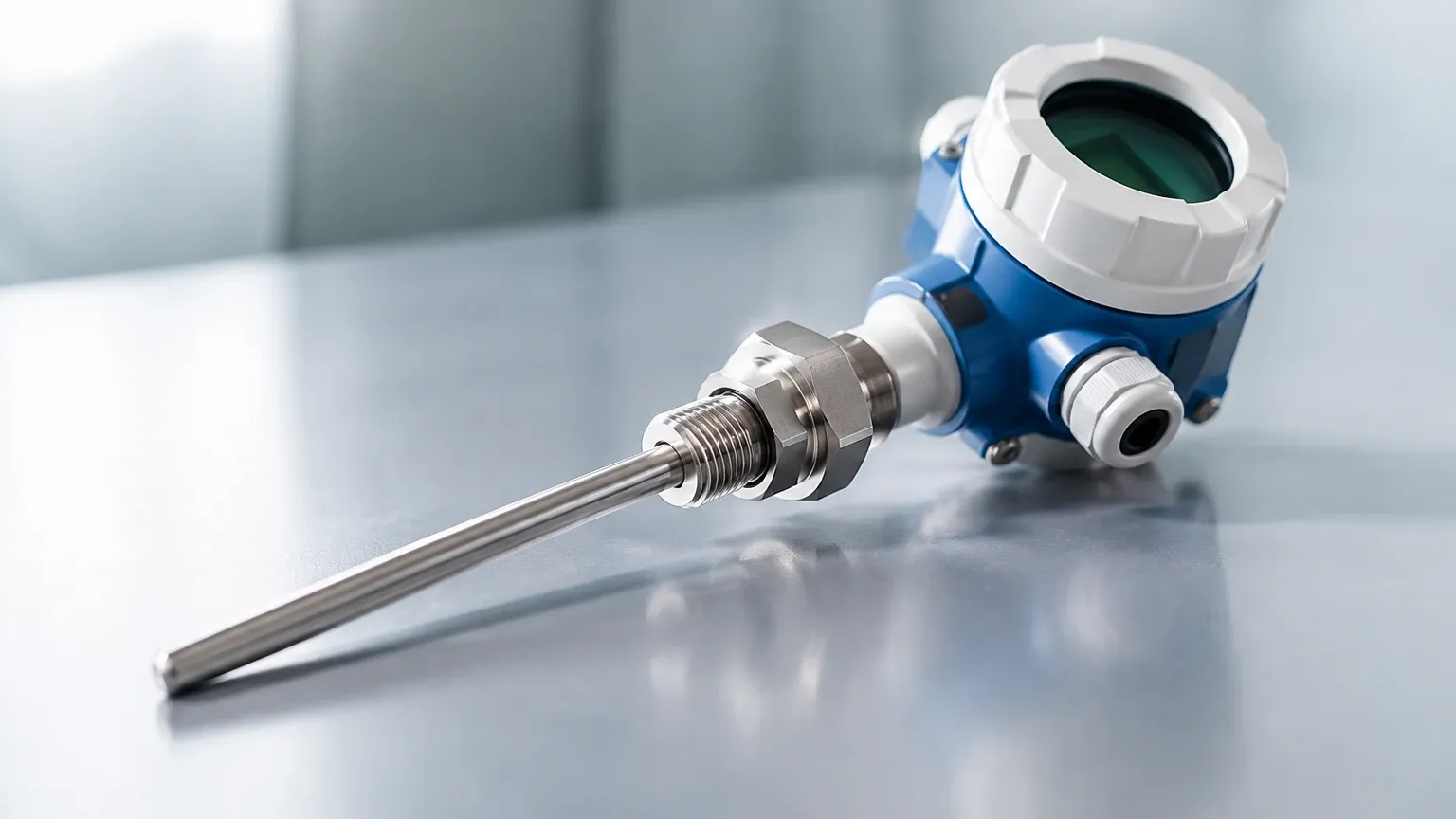
For applications requiring local visualization and extreme durability, field-mounted transmitters are housed in robust, weather-proof enclosures (often aluminum or stainless steel). These units frequently feature integrated backlit displays, allowing operators to check the process temperature directly at the measurement point. They are common in hazardous areas where ATEX or IECEx certifications are mandatory.
Key Selection Criteria for Industrial Applications
Selecting an endress hauser temperature transmitter requires a detailed analysis of the process conditions and the existing control infrastructure. Use the following table as a preliminary guide for evaluating different transmitter configurations.
| Feature | Head-Mounted | DIN Rail Mounted | Field-Mounted |
| :— | :— | :— | :— |
| Primary Location | Inside sensor head | Control cabinet | Field (near process) |
| Environmental Protection | Dependent on sensor head | IP20 (requires cabinet) | IP66/IP67/IP68 |
| Ease of Access | Moderate (requires opening head) | High (centralized) | High (local display) |
| Signal Integrity | Excellent (short sensor leads) | Good (requires shielded cable) | Excellent |
| Typical Application | Standard industrial probes | Multi-point cabinet wiring | Harsh/Hazardous zones |
| Space Requirement | Minimal | Standard DIN rail width | Significant |
Accuracy and Stability
In high-precision industries like pharmaceuticals or food and beverage, the "long-term stability" of a transmitter is critical. High-quality transmitters should exhibit minimal drift (e.g., < 0.1°C per year). Additionally, the transmitter's ability to perform sensor-transmitter matching (Callendar-Van Dusen calibration) can significantly reduce the total measurement error.
Communication Protocols
While 4-20 mA remains the industry standard, digital communication offers significant advantages. HART (Highway Addressable Remote Transducer) allows for digital data to be superimposed on the analog signal. This enables the transmitter to send diagnostic information, such as "sensor breakage" or "corrosion detection," back to the control room without additional wiring.
Installation and Wiring Best Practices
Proper installation is paramount to ensuring the longevity and accuracy of a temperature transmitter. Even the most advanced endress hauser temperature transmitter will fail to provide accurate data if the installation environment is poorly managed.
1. Lead Wire Resistance: For RTDs, the resistance of the wires between the sensor and the transmitter can introduce errors. Using 3-wire or 4-wire configurations allows the transmitter to compensate for this lead resistance. 4-wire configurations provide the highest level of accuracy by completely eliminating the influence of wire length.
2. Galvanic Isolation: In environments with high electrical noise or potential ground loops, transmitters with high galvanic isolation (typically 2 kV AC or higher) should be used. This protects the control system from voltage spikes and ensures a clean signal.
3. EMC Considerations: Transmitters should comply with electromagnetic compatibility (EMC) standards like NAMUR NE21. Proper shielding of cables and grounding of the transmitter housing are necessary to prevent interference from nearby motors or variable frequency drives (VFDs).
4. Ambient Temperature Limits: Most industrial transmitters are rated for operation between -40°C and +85°C. If the process temperature is significantly higher, the transmitter should be mounted remotely (via DIN rail or field housing) to prevent thermal damage to the electronics.
The Role of Temperature in Level Measurement Accuracy
In many industrial processes, temperature measurement is not an isolated task. It is often a required input for accurate level measurement. For instance, when using ultrasonic level sensors, the speed of sound is directly affected by the temperature of the air or gas through which the pulse travels. Without precise temperature compensation, a change in ambient temperature could result in a significant error in the calculated level.
Similarly, hydrostatic level measurement relies on the density of the liquid. Since liquid density changes with temperature, a temperature transmitter must provide real-time data to the PLC or DCS to calculate the corrected level. For professionals seeking integrated solutions, reviewing a comprehensive Main Page of level measurement technologies can provide insights into how temperature and level sensors work in tandem to optimize tank inventory management.
In chemical storage tanks, temperature monitoring is also a safety requirement. Certain chemicals may become unstable or change viscosity if they fall outside a specific temperature range, potentially clogging pumps or causing pressure build-up. Integrating an endress hauser temperature transmitter into the safety instrumented system (SIS) ensures that these risks are mitigated.
Limitations and Maintenance Requirements
While highly reliable, temperature transmitters are not without limitations. Understanding these constraints helps in designing a more robust system.
* Response Time: The transmitter adds a small delay to the measurement chain (the processing time). Furthermore, if the sensor is placed inside a heavy-duty thermowell, the thermal lag can be significant. This must be accounted for in fast-acting control loops.
* Self-Heating: In RTD applications, the transmitter sends a small excitation current through the sensor. This current can cause a slight increase in temperature (self-heating), which may lead to a positive bias in the reading. High-quality transmitters minimize this by using very low excitation currents (typically < 0.3 mA).
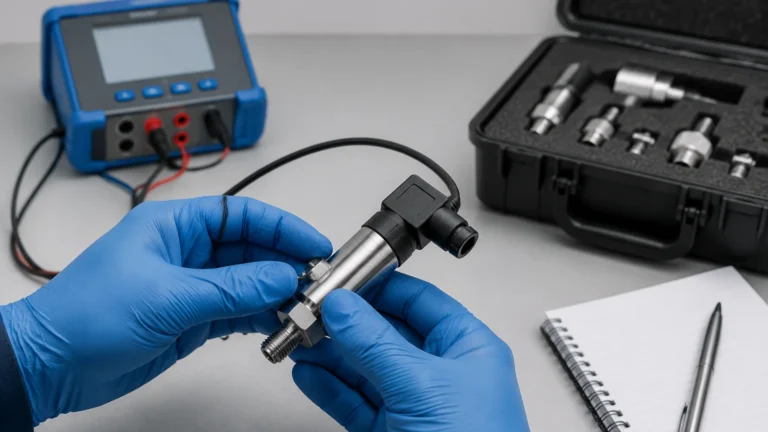
* Calibration Intervals: To maintain ISO compliance and process accuracy, transmitters should be calibrated periodically. While the electronics are stable, the primary sensors (RTDs and TCs) are subject to mechanical stress and thermal aging. A common practice is to perform a loop calibration, checking the entire chain from the sensor tip to the control room display.
Frequently Asked Questions (FAQ)
Q: Can I use a thermocouple transmitter for an RTD sensor?
A: Most modern universal transmitters, such as those in the iTEMP range, are configurable. They allow the user to select the input type (RTD or TC) via software or a handheld communicator. However, some basic models are fixed for a specific sensor type, so it is vital to check the model specifications.
Q: What is the benefit of a dual-input transmitter?
A: Dual-input transmitters can monitor two sensors simultaneously. This allows for sensor redundancy (switching to the second sensor if the first fails) or differential temperature measurement (measuring the temperature drop across a heat exchanger).
Q: How does a transmitter handle a sensor failure?
A: Standardized transmitters follow NAMUR NE43 recommendations for fault signaling. If a sensor breaks or shorts, the transmitter will drive the output signal to a "failsafe" level, typically < 3.6 mA or > 21.0 mA, alerting the control system to the error.
Q: Is HART communication necessary for all applications?
A: No, but it is highly recommended for complex processes. HART allows for remote zero/span adjustments and provides access to internal diagnostics, which can significantly reduce troubleshooting time and maintenance costs.
Conclusion
The endress hauser temperature transmitter is a fundamental component in the modern industrial toolkit. By providing accurate, stable, and standardized temperature data, these devices enable precise process control and contribute to the overall safety of the plant. When selecting a transmitter, engineers must balance the need for accuracy with the physical constraints of the installation and the communication requirements of the control system. By integrating temperature data with other process variables—such as those found in advanced level measurement systems—operators can achieve a holistic view of their process, leading to improved efficiency and reduced operational risk.