What Is Oxygen Depletion Sensor
What Is Oxygen Depletion Sensor
In industrial environments where inert gases are utilized or where confined spaces are common, monitoring the atmospheric composition is a critical safety requirement. Among the various safety instruments employed, the oxygen depletion sensor (ODS) serves as a primary line of defense against hypoxia. This article provides a comprehensive technical overview of what is oxygen depletion sensor technology, its operating principles, industrial applications, and how it integrates into broader process control and safety frameworks.
Understanding the Measurement Principles
To answer the question of what is oxygen depletion sensor technology, one must first examine the physical and chemical principles used to detect oxygen (O2) concentrations. Unlike level measurement instruments that use radar or ultrasonic waves to detect surface interfaces, oxygen sensors rely on molecular interactions. The three most common technologies used in industrial ODS units are electrochemical, zirconia, and paramagnetic sensors.
1. Electrochemical Sensors
Electrochemical sensors are the most prevalent technology for oxygen depletion monitoring. These sensors operate as a small fuel cell. They consist of two electrodes (an anode and a cathode) separated by a thin layer of electrolyte. Oxygen from the atmosphere diffuses through a membrane and is reduced at the cathode. This chemical reaction generates an electrical current that is directly proportional to the partial pressure of oxygen in the ambient air.
* Pros: Low power consumption, cost-effective, and highly portable.
* Cons: Limited lifespan (typically 2–3 years) as the electrolyte is eventually consumed.
2. Zirconia (Zirconium Oxide) Sensors
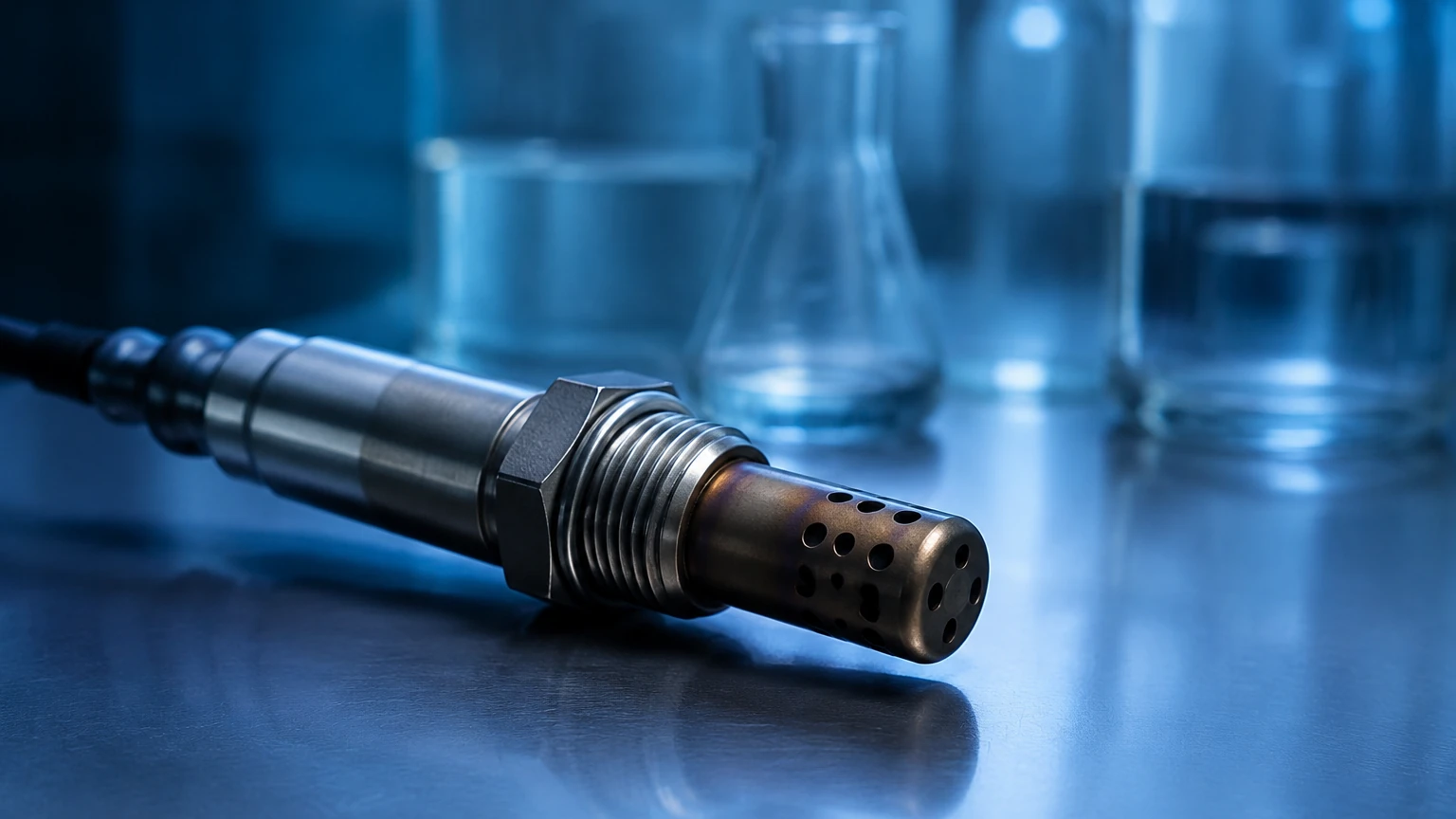
Zirconia sensors utilize a solid-state ceramic electrolyte. At high temperatures (typically above 600°C), zirconium oxide becomes conductive to oxygen ions. A voltage is generated across the ceramic element when there is a difference in oxygen concentration between the reference side (usually ambient air) and the process side.
* Pros: Extremely fast response time and long service life in clean environments.
* Cons: Requires a heating element, making it less suitable for battery-operated portable devices.
3. Paramagnetic Sensors
Oxygen is unique among common gases because it is paramagnetic, meaning it is attracted to magnetic fields. Paramagnetic sensors measure the physical displacement of a nitrogen-filled glass sphere or the change in pressure within a magnetic field to determine oxygen concentration.
* Pros: Highly accurate and non-depleting (the sensor does not wear out through chemical reaction).
* Cons: Sensitive to physical vibration and significantly more expensive than electrochemical options.
Selection Criteria: Choosing the Right Sensor
When selecting an oxygen depletion sensor for industrial use, engineers must evaluate several factors based on the specific environment. The following table outlines the key performance indicators for the three primary technologies:
| Feature | Electrochemical | Zirconia | Paramagnetic |
| :— | :— | :— | :— |
| Typical Range | 0–25% or 0–100% Vol | 0–25% or 0–1000 ppm | 0–100% Vol |
| Lifespan | 2–3 Years | 5–10 Years | 10+ Years |
| Response Time (T90) | <15 seconds | <5 seconds | <10 seconds |
| Operating Temp | -20°C to +50°C | Up to 700°C (Internal) | 0°C to +45°C |
| Maintenance | Frequent Calibration | Low | Low |
Selecting the appropriate technology is only the first step. For comprehensive site safety, it is often necessary to review product options and application support from established instrumentation providers. You can find more information on industrial-grade measurement technologies on our Main Page.
Industrial Applications and Regulatory Compliance
Oxygen depletion sensors are mandatory in any facility where the displacement of air by inert gases (such as Nitrogen, Argon, or Helium) could lead to an oxygen-deficient atmosphere. In the United States, OSHA (Occupational Safety and Health Administration) defines an oxygen-deficient atmosphere as any atmosphere containing less than 19.5% oxygen by volume.
Confined Space Entry
In water treatment facilities and chemical plants, technicians often enter tanks or pits for maintenance. Before entry, an ODS is used to verify that the environment is safe. This is particularly relevant when working with level measurement systems, such as hydrostatic transmitters or magnetic level gauges, which are often installed in deep sumps or enclosed vessels.
Cryogenic Storage
Laboratories and medical facilities that store liquid nitrogen or carbon dioxide must install fixed oxygen depletion sensors. A leak in a cryogenic storage tank can rapidly displace oxygen in a room, leading to immediate loss of consciousness for personnel without warning.
Laboratory and Semiconductor Manufacturing
In semiconductor fabrication, inert gases are used extensively to prevent oxidation during the manufacturing process. Fixed ODS units are integrated into the Building Management System (BMS) to trigger alarms and activate emergency ventilation if oxygen levels drop below 19.5%.
Installation Considerations and Placement Strategy
Proper installation is critical to the effectiveness of an oxygen depletion sensor. Unlike some combustible gases that may be lighter or heavier than air, oxygen has a molecular weight very similar to the average molecular weight of air. However, the placement of the sensor depends largely on the gas that is expected to displace the oxygen.
1. Mounting Height: If the displacing gas is Nitrogen (slightly lighter than air) or Argon (heavier than air), the sensor should be placed at "breathing zone" height, typically 1.5 to 1.8 meters (5 to 6 feet) above the floor.
2. Airflow Patterns: Sensors should not be placed directly in front of supply air vents, as the fresh air will provide a false safe reading even if a leak is occurring elsewhere in the room.
3. Diffusion vs. Sample Draw: For most indoor rooms, diffusion sensors are sufficient. However, for deep tanks or areas with restricted access, a sample-draw system (using a pump to pull air to the sensor) is preferred.
4. Environmental Protection: In wash-down areas or high-humidity environments (common in water treatment), sensors require specialized housings or splash guards to prevent water ingress from damaging the electrochemical cell.
Limitations and Common Failure Modes
While ODS units are reliable, they are not "set and forget" devices. Understanding their limitations is essential for maintaining a safe work environment.
* Sensor Poisoning: Certain chemicals can "poison" the sensing element. For electrochemical sensors, exposure to high concentrations of solvent vapors or corrosive gases can shorten the lifespan significantly.
* Pressure Sensitivity: Most oxygen sensors are partial pressure sensors. If the atmospheric pressure changes significantly (e.g., in pressurized cabins or high-altitude locations), the sensor may require recalibration to avoid false alarms.
* Humidity Extremes: Extremely dry air can dry out the electrolyte in electrochemical cells, while extremely high humidity can cause condensation on the membrane, blocking the diffusion of oxygen into the sensor.
* Cross-Sensitivity: While oxygen sensors are generally specific, some electrochemical versions can be affected by high concentrations of Carbon Dioxide (CO2), which can cause a slight acidic shift in the electrolyte and affect the reading.
Synergy with Level Measurement Instrumentation
In the context of industrial automation, oxygen depletion monitoring often goes hand-in-hand with level measurement. In industries like oil and gas or chemical processing, the primary concern is often the level of a liquid in a tank, monitored by radar level meters or ultrasonic sensors. However, the headspace of these tanks is often "blanketed" with nitrogen to prevent combustion.
When maintenance is required on these level instruments, the oxygen depletion sensor becomes the primary safety tool. Engineers must ensure that the nitrogen blanket has been fully purged and that the oxygen level has returned to a safe 20.9% before personnel can approach the tank opening or enter the vessel. This integrated approach to safety—combining process measurement with atmospheric monitoring—is a hallmark of modern industrial engineering.
Frequently Asked Questions (FAQs)
What is the alarm setpoint for an oxygen depletion sensor?
Most industrial standards require a first-stage alarm at 19.5% oxygen (the OSHA limit for oxygen deficiency) and a second-stage alarm at 18.0%. Some facilities also set an "oxygen-enriched" alarm at 23.5% to prevent fire hazards.
How often should an oxygen depletion sensor be calibrated?
For fixed electrochemical sensors, calibration is typically recommended every 3 to 6 months. Portable units used for confined space entry should undergo a "bump test" before every use to ensure the sensor and alarms are functioning correctly.
Can an ODS detect Carbon Dioxide (CO2) leaks?
While an ODS will show a drop in oxygen if CO2 displaces the air, it is not a reliable way to monitor for CO2 toxicity. CO2 is toxic at much lower concentrations (0.5% to 3%) than those required to significantly displace oxygen. For CO2 safety, a dedicated CO2 sensor is required.
What is the difference between a % Volume and a PPM oxygen sensor?
Oxygen depletion sensors usually measure in % Volume (0–25%). PPM (parts per million) sensors are used for high-purity gas analysis or trace oxygen detection in industrial processes where even minute amounts of oxygen could ruin a product.
Summary of Best Practices
To ensure the long-term reliability of an oxygen depletion monitoring system, facilities should adhere to a strict maintenance schedule. This includes regular sensor replacements—especially for electrochemical types—and ensuring that all personnel are trained on the meaning of the alarms. When integrating these sensors into a larger facility-wide system, it is helpful to consult with experts who understand both the safety requirements and the process measurement needs of the site. Reliable instrumentation, such as the level measurement solutions provided by Welk, forms the foundation of a safe and efficient industrial operation.
By understanding what is oxygen depletion sensor technology and its operational requirements, engineers can better protect their workforce and maintain compliance with international safety standards. Whether you are managing a chemical storage farm or a simple laboratory, the correct application of ODS technology is a non-negotiable component of modern safety management.