Non Contact Level Switch
Non Contact Level Switch
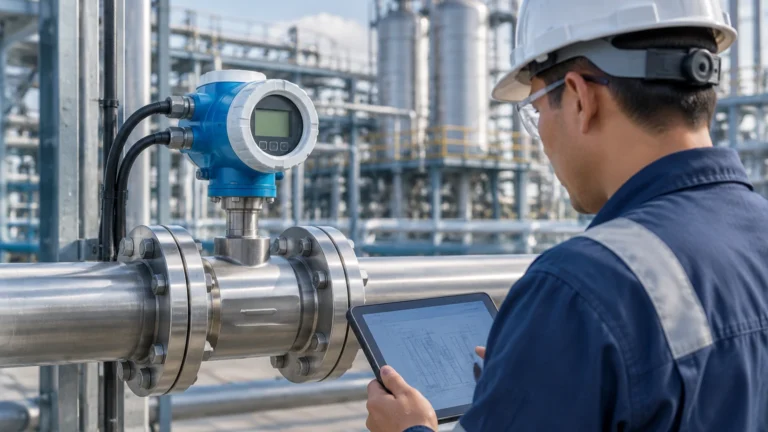
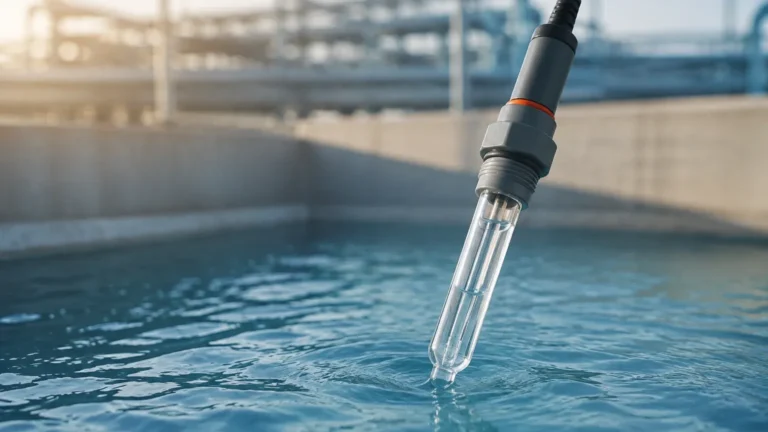
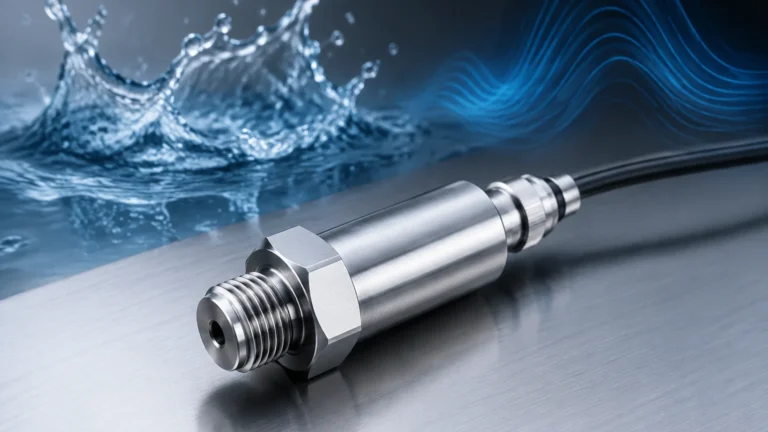
In modern industrial process control, the ability to monitor and manage material levels without physical interaction with the medium has become a critical requirement. A non contact level switch provides a reliable solution for detecting high or low levels in tanks, silos, and sumps where contact-based sensors—such as float switches or tuning forks—might fail due to corrosion, coating, or mechanical wear.
By utilizing technologies like ultrasonic waves or radar pulses, these instruments offer a maintenance-free alternative that enhances system longevity and process hygiene. This guide examines the fundamental principles, selection criteria, and installation best practices for non contact level switching in B2B industrial environments.
Measurement Principles of Non Contact Level Switches
To select the appropriate instrument, engineers must first understand the physics governing non-contact detection. While several technologies exist, ultrasonic and radar (microwave) are the most prevalent in industrial automation.
Ultrasonic Level Switching
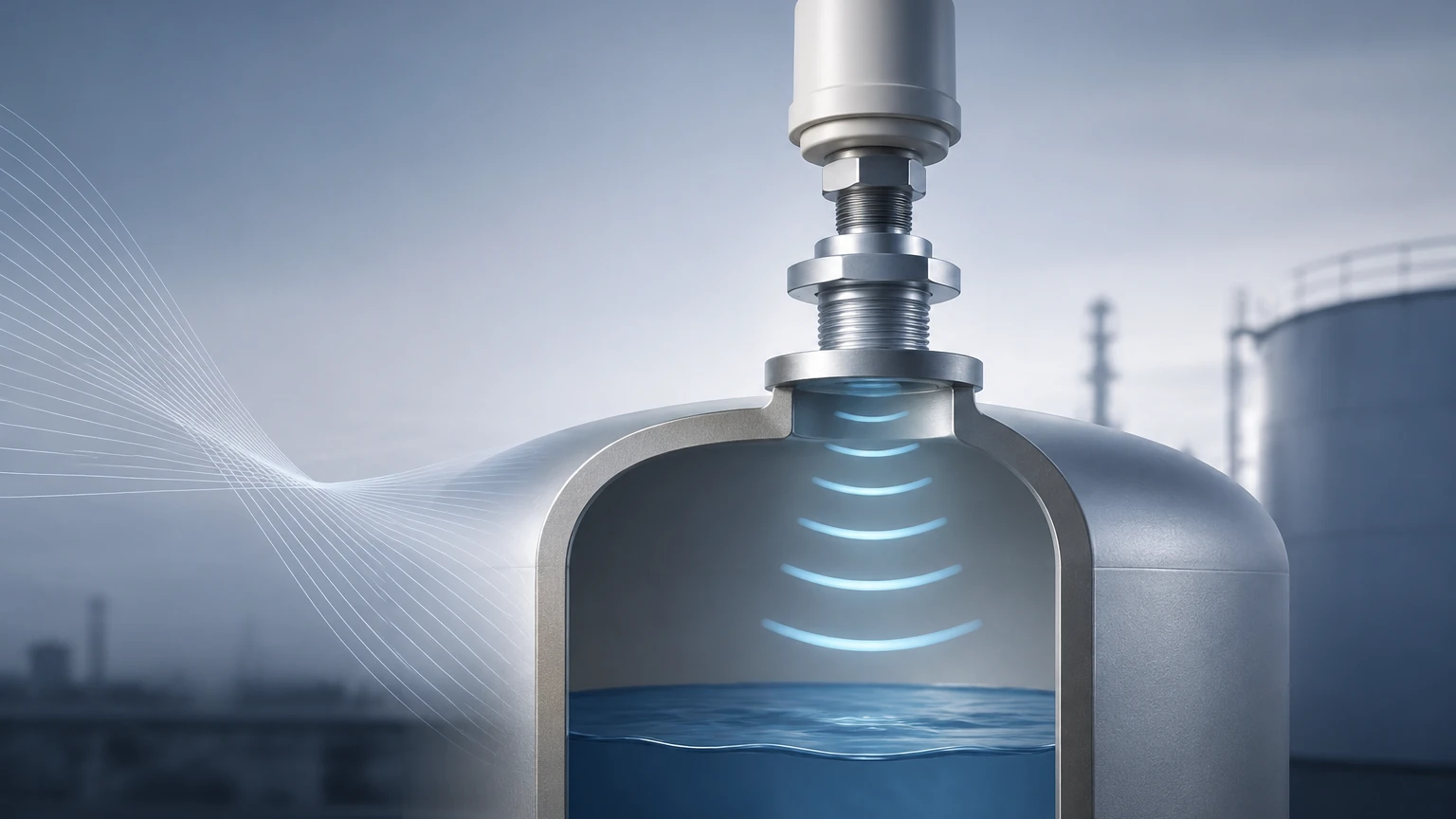
Ultrasonic sensors operate on the "Time-of-Flight" (ToF) principle. The sensor head contains a piezoelectric crystal that emits high-frequency sound pulses. These pulses travel through the air, reflect off the surface of the material (liquid or solid), and return to the sensor.
The distance is calculated using the formula:
*Distance = (Speed of Sound × Time) / 2*
When the calculated distance reaches a predefined threshold, the device triggers a switch output (usually a relay or transistor). Ultrasonic technology is cost-effective and highly effective for water-based liquids. However, because sound requires a medium (air) to travel, its accuracy can be affected by changes in air temperature, pressure, and the presence of heavy vapors or foam.
Radar (Microwave) Level Switching
Radar level switches also utilize the ToF principle but employ electromagnetic waves instead of sound. These waves travel at the speed of light and are largely unaffected by air temperature, vacuum, or high pressure.
There are two primary types of radar technology used in switching:
1. Pulse Radar: Emits short microwave bursts and measures the time taken for the echo to return.
2. FMCW (Frequency Modulated Continuous Wave): Emits a continuous signal with a varying frequency; the level is determined by the frequency difference between the emitted and received signal.
Radar is preferred for volatile chemicals, high-temperature applications, and environments where dust or steam would attenuate ultrasonic signals.
Key Evaluation Criteria for Selection
Choosing a non contact level switch requires a thorough analysis of the process environment. Engineering teams should evaluate the following factors to ensure long-term reliability.
Media Characteristics
The physical and chemical properties of the material being measured are paramount.
* Dielectric Constant (εr): For radar switches, the reflectivity of the medium depends on its dielectric constant. Materials with low dielectric constants (like oils or plastic pellets) reflect less energy, requiring high-sensitivity sensors.
* Surface Turbulence: Agitated liquids can scatter signals. In such cases, software filtering or the use of a stilling well may be necessary.
* Corrosiveness: Since the sensor does not touch the medium, the housing and face material only need to withstand potential vapors. Common materials include PVDF, PTFE, or stainless steel.
Vessel Geometry and Internal Obstructions
Non-contact sensors emit signals in a cone-shaped beam. Any internal structure within this beam—such as ladders, agitators, or heating coils—can create "false echoes."
* Beam Angle: A narrower beam angle is preferable for tall, narrow tanks or vessels with many internal obstructions.
* Nozzle Height: The mounting nozzle should not be so long that it interferes with the signal's path near the sensor face.
Environmental Conditions
* Temperature and Pressure: Ultrasonic sensors are typically limited to 1.5–3 bar and temperatures below 80°C. Radar sensors can handle significantly higher pressures (up to 40 bar or more) and temperatures exceeding 200°C.
* Ambient Noise: High-frequency mechanical noise in a factory can occasionally interfere with ultrasonic sensors, though modern digital filtering has mitigated this risk.
Practical Selection Table
| Feature | Ultrasonic Switch | Radar (Microwave) Switch |
| :— | :— | :— |
| Primary Application | Water, wastewater, simple chemicals | Hydrocarbons, solids, high-temp liquids |
| Max Range | Up to 15 meters (typical) | Up to 30+ meters |
| Accuracy | ±0.25% of range | ±2mm to ±10mm |
| Sensitivity to Foam | High (absorbs sound) | Moderate (depends on foam density) |
| Sensitivity to Dust | Moderate | Low |
| Relative Cost | Lower | Higher |
| Vacuum Compatibility | No | Yes |
For engineers looking to integrate these technologies into a broader control system, reviewing comprehensive product options and application support on the Main Page can provide specific model data sheets and wiring diagrams.
Installation Considerations and Best Practices
Proper installation is the single most important factor in the performance of a non contact level switch. Even the most advanced sensor will fail if placed incorrectly.
The Dead Zone (Blocking Distance)
Every non-contact sensor has a "dead zone" or "blocking distance" immediately in front of the sensor face. In this zone, the sensor cannot accurately process the return signal because it is still vibrating from the emission.
* Action: Ensure the maximum high-level alarm point is located below the dead zone. If the material enters this zone, the switch may provide an erratic signal or fail to trigger.
Mounting Orientation
* Perpendicularity: The sensor must be mounted perpendicular to the liquid surface. If the sensor is tilted, the signal will reflect away from the receiver, resulting in a loss of signal (LOE).
* Wall Interference: Do not mount the sensor too close to the tank wall. The beam spread can cause reflections off the wall or weld seams, leading to false high-level triggers.
Beam Spread Calculation
Before installation, calculate the beam diameter at the bottom of the tank using the formula:
*Beam Diameter = 2 × Distance × tan(Beam Angle / 2)*
Ensure this diameter remains clear of any obstructions.
Common Risks and Limitations
While highly versatile, non contact level switches are not universal solutions. Awareness of their limitations prevents costly process downtime.
1. Heavy Foam: Thick, dense foam can act as an insulator, absorbing ultrasonic sound waves or scattering radar pulses. In applications with persistent foam, a contact-based displacement or vibrating probe may be more reliable.
2. Condensation and Buildup: While the sensor is non-contact, heavy condensation or material buildup on the sensor face can attenuate the signal. Some radar units feature "drip-off" antenna designs or air purge connections to keep the lens clear.
3. Vapor Blankets: In chemical storage, certain vapors can change the speed of sound, causing ultrasonic sensors to report incorrect levels. Radar remains the preferred choice for such gas-stratified environments.
Information to Confirm Before Procurement
Before finalizing a project specification for a non contact level switch, B2B procurement teams and engineers should confirm the following data points with their supplier:
* Output Requirements: Does the system require a simple SPDT relay, a PNP/NPN transistor output, or a 4-20mA signal with programmable switch points?
* Hazardous Area Ratings: Does the installation site require ATEX, IECEx, or UL Class I Div 1 explosion-proof certifications?
* Power Supply: Is 24V DC available at the tank top, or is a 110/230V AC supply required?
* Configuration Interface: Can the switch be programmed via an on-board display, or does it require a Bluetooth/HART interface for remote setup?
Frequently Asked Questions (FAQ)
Q: Can a non contact level switch detect the interface between two liquids?
A: Generally, no. Non-contact technologies reflect off the top surface. To detect an interface (e.g., oil over water), a contact-based guided wave radar or a magnetic level gauge is typically required.
Q: How does wind affect an outdoor ultrasonic level switch?
A: Strong winds can "blow" the sound pulses away from the receiver, especially over long distances. For outdoor sumps or open channels, radar is often more reliable than ultrasonic technology.
Q: Is it possible to use these switches in vacuum tanks?
A: Ultrasonic switches cannot work in a vacuum because sound requires air to travel. Radar switches are perfectly suited for vacuum applications as electromagnetic waves do not require a medium.
Q: What is the typical lifespan of a non-contact sensor?
A: Because there are no moving parts and no contact with the process media, these sensors often last 10–15 years, provided the electronics are protected from extreme heat and moisture ingress.
In conclusion, the non contact level switch represents a cornerstone of modern industrial safety and efficiency. By removing the physical link between the sensor and the media, facilities can reduce maintenance costs and improve the accuracy of their level monitoring systems. For detailed technical support and to view a complete range of industrial level measurement instruments, please refer to the Main Page.