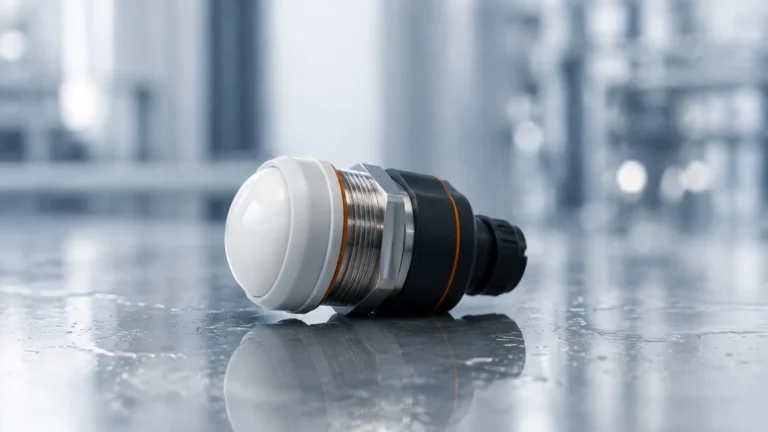
55 Gallon Drum Level Gauge
55 Gallon Drum Level Gauge
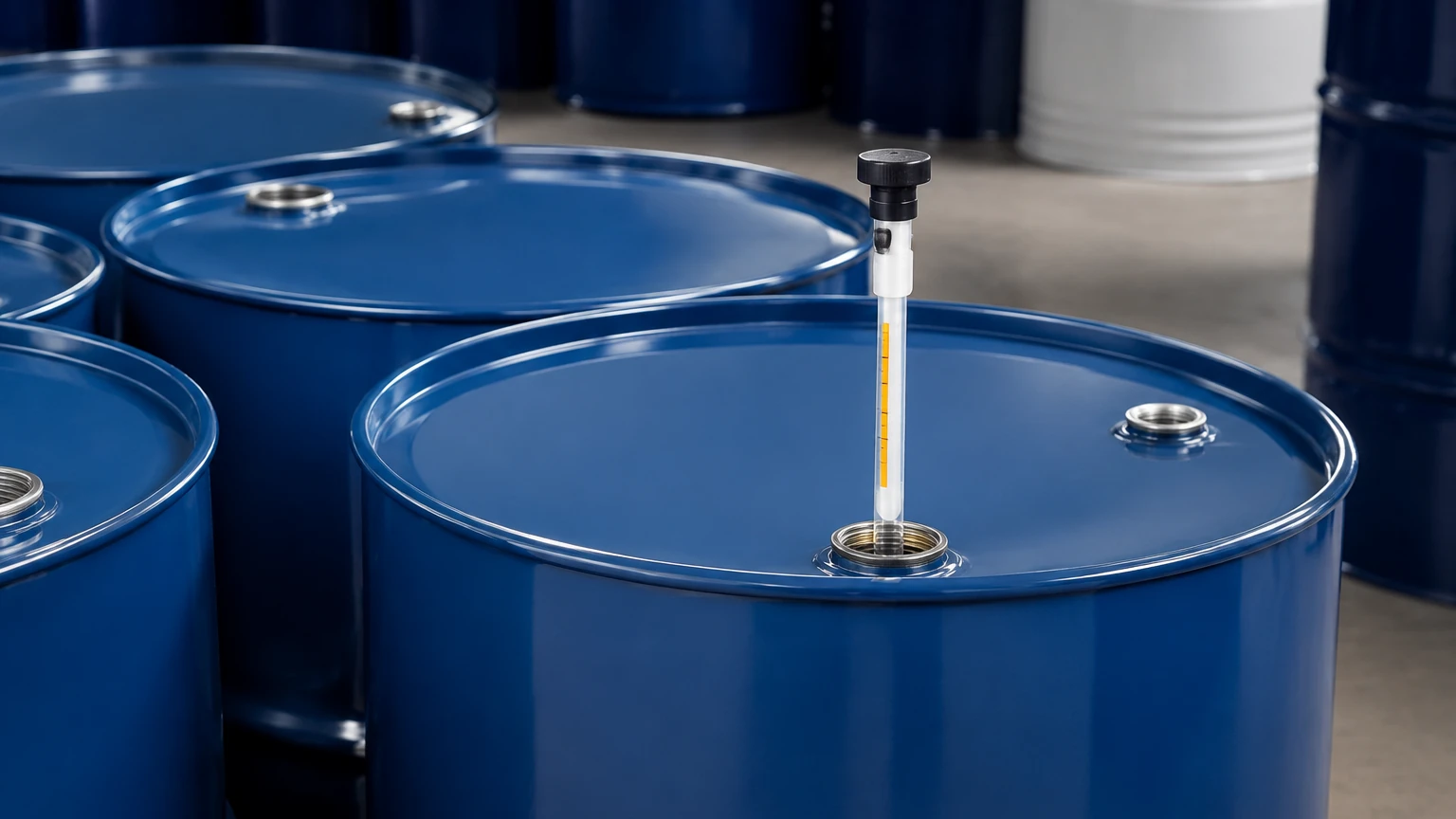
In industrial environments, the 55-gallon drum (approximately 208 liters) serves as the standard vessel for transporting and storing chemicals, lubricants, solvents, and food-grade ingredients. Efficient inventory management and process safety depend heavily on the ability to monitor the contents of these drums accurately. A 55 gallon drum level gauge is not a single device but a category of instruments designed to address various fluid properties, environmental conditions, and accuracy requirements.
Selecting the appropriate measurement technology requires a deep understanding of the physics behind the sensor and the physical constraints of the drum itself. This guide examines the primary measurement principles, selection criteria, and installation best practices for drum level monitoring.
Measurement Principles for Drum Level Gauging
Before selecting a 55 gallon drum level gauge, it is essential to understand how different technologies interact with the liquid and the vessel. Most drum gauges fall into one of four categories: hydrostatic, ultrasonic, radar, or mechanical/magnetic.
Hydrostatic Pressure Measurement
Hydrostatic level measurement relies on the principle that the pressure at a specific point in a static liquid is proportional to the height of the liquid column above it. The relationship is defined by the formula:
P = ρ × g × h
Where *P* is pressure, *ρ* (rho) is the fluid density, *g* is the gravitational constant, and *h* is the height of the liquid.
For 55-gallon drums, hydrostatic sensors are typically submersible transmitters dropped to the bottom or pressure transducers mounted via a T-junction at the bottom discharge port. This method is highly reliable for vented drums containing liquids with stable densities. However, if the fluid density changes due to temperature fluctuations or chemical composition shifts, the gauge may require recalibration to maintain accuracy.
Ultrasonic (Non-Contact)
Ultrasonic sensors emit high-frequency sound waves that travel through the air, reflect off the liquid surface, and return to the transducer. The device calculates the distance based on the "time-of-flight."
Distance = (Speed of Sound × Time) / 2
Ultrasonic gauges are popular for 55-gallon drums because they do not touch the liquid, making them ideal for corrosive or sticky substances. However, they are sensitive to foam, which absorbs sound waves, and heavy vapors or high pressure, which can alter the speed of sound in the headspace.
Radar (Microwave)
Radar level meters operate similarly to ultrasonic sensors but use electromagnetic waves (microwaves) instead of sound. Radar is generally superior in challenging environments because microwaves are unaffected by air temperature, pressure, or vapors. For small vessels like drums, high-frequency radar (e.g., 80 GHz) is preferred because it offers a narrow beam angle, reducing the risk of interference from the drum walls or internal bungs.
Mechanical and Magnetic Gauges
Mechanical gauges often utilize a float connected to a calibrated tape or a magnetic linkage. In magnetic level gauges, a float containing a magnet moves with the liquid level inside a bypass chamber or a guide tube. This movement triggers a visual indicator or an electronic reed switch. These are "tried and true" solutions for simple applications where electronic power might be unavailable or unnecessary.
Key Evaluation Criteria for Selection
Choosing a 55 gallon drum level gauge involves more than just matching the drum size. Engineers must evaluate the following factors to ensure long-term reliability:
1. Chemical Compatibility: The sensor materials (wetted parts) must be resistant to the stored fluid. Common materials include 316L stainless steel, PTFE, PVDF, and PP. For example, a gauge used for concentrated sulfuric acid requires different housing than one used for hydraulic oil.
2. Accuracy Requirements: Simple inventory checks might only require ±10mm accuracy, whereas precision blending processes may demand ±1mm accuracy.
3. Output and Integration: Does the facility require a local visual display, or must the data be sent to a PLC (Programmable Logic Controller)? Common outputs include 4-20mA analog signals, Modbus RTU, or wireless protocols like LoRaWAN.
4. Hazardous Area Ratings: If the drum contains flammable solvents (e.g., acetone or ethanol), the gauge must be intrinsically safe or explosion-proof (ATEX/IECEx certified).
Comparison of Drum Level Technologies
| Technology | Accuracy | Best For | Limitations |
| :— | :— | :— | :— |
| Hydrostatic | Moderate | Water, oils, stable liquids | Sensitive to density changes |
| Ultrasonic | High | Corrosives, acids, bases | Affected by foam and heavy vapors |
| Radar | Very High | Volatile chemicals, high precision | Higher initial cost |
| Magnetic Float | Moderate | Simple oil/water storage | Moving parts can stick in dirty fluids |
| Capacitance | Moderate | Non-conductive liquids | Requires constant dielectric constant |
Installation Considerations and Best Practices
Proper installation is critical to the performance of any 55 gallon drum level gauge. Most industrial drums feature two standard openings: a 2-inch (50.8 mm) NPT bung and a smaller 3/4-inch (19 mm) NPT bung.
Mounting Location
The sensor should ideally be mounted in the 2-inch bung. For non-contact sensors (radar and ultrasonic), it is vital to ensure the sensor is mounted perfectly vertical. If the sensor is tilted, the signal may reflect off the drum wall rather than the liquid surface, leading to false readings or a "lost signal" error.
The "Dead Zone" (Blocking Distance)
Every ultrasonic and radar sensor has a "dead zone" immediately below the transducer where it cannot measure. For a standard 55-gallon drum (which is roughly 850mm to 900mm tall), a sensor with a 100mm dead zone means you cannot measure the top 10% of the drum. Engineers often use a standoff pipe or a mounting well to raise the sensor, effectively moving the dead zone above the maximum fill line.
Internal Obstructions
Standard drums are relatively clear inside, but some may have internal liners or reinforcement ribs. Radar and ultrasonic beams expand as they travel. If the beam hits a drum wall or an internal feature, it creates "noise." Selecting a sensor with a narrow beam angle (typically <10 degrees) minimizes these interference reflections.
For technical professionals seeking specific sensor configurations or custom OEM solutions for drum monitoring, the Main Page of industrial instrument manufacturers provides comprehensive datasheets and chemical resistance guides to assist in the engineering process.
Operational Limitations and Risks
While modern gauges are robust, several factors can compromise their accuracy in a drum environment:
* Turbulence: If the drum is being filled or agitated, the liquid surface will be unstable. This can cause erratic readings in non-contact sensors. In such cases, a stilling well (a pipe that surrounds the sensor to provide a calm surface) is recommended.
* Condensation: In outdoor storage, temperature swings can cause condensation to form on the face of ultrasonic transducers, potentially blocking the signal. Radar sensors are generally more resistant to this, but some may require a PTFE drip shield.
* Crystallization: Some chemicals may crystallize or build up on the sensor probe (in the case of contact-type sensors), leading to mechanical failure or signal attenuation.
Frequently Asked Questions (FAQ)
Q: Can I use one gauge for different types of chemicals?
A: Only if the wetted materials are compatible with all chemicals involved and if the sensor is recalibrated for different densities (for hydrostatic) or dielectric constants (for capacitance). Non-contact radar is the most versatile for multi-chemical use.
Q: How do I handle the small 2-inch opening for installation?
A: Most industrial drum gauges are specifically designed with 2-inch NPT or BSP threaded connections to screw directly into the standard drum bung. Ensure you use appropriate thread sealant compatible with the drum's contents.
Q: Are there battery-powered options for mobile drums?
A: Yes, many modern 55 gallon drum level gauges are designed for IoT applications, featuring internal batteries and wireless transmission (like NB-IoT or LoRaWAN) to eliminate the need for wiring in warehouse environments.
Q: Is it possible to measure the level without opening the drum?
A: Yes, through external ultrasonic sensors that strap to the outside of the drum or by using a scale to measure the weight. However, weight-based measurement requires knowing the exact tare weight of the drum and the density of the fluid.
Q: What is the standard height of a 55-gallon drum for sensor scaling?
A: While volumes are standard, dimensions can vary slightly by manufacturer. A typical steel 55-gallon drum is approximately 880mm (34.7 inches) tall. Always measure the specific drum height before programming the sensor's 0% and 100% points.
Conclusion
Implementing a 55 gallon drum level gauge is a strategic decision that impacts operational efficiency and safety. By understanding the measurement principles—from the pressure-based logic of hydrostatic sensors to the sophisticated wave physics of radar—engineers can select a solution that minimizes maintenance and maximizes accuracy. Whether the application involves simple water storage or the management of volatile hazardous chemicals, adhering to proper installation protocols and considering the specific physical properties of the fluid will ensure the longevity of the measurement system.