Ultrasonic Water Level Sensor Lebanon
Ultrasonic Water Level Sensor Lebanon: A Technical Guide to Industrial Implementation
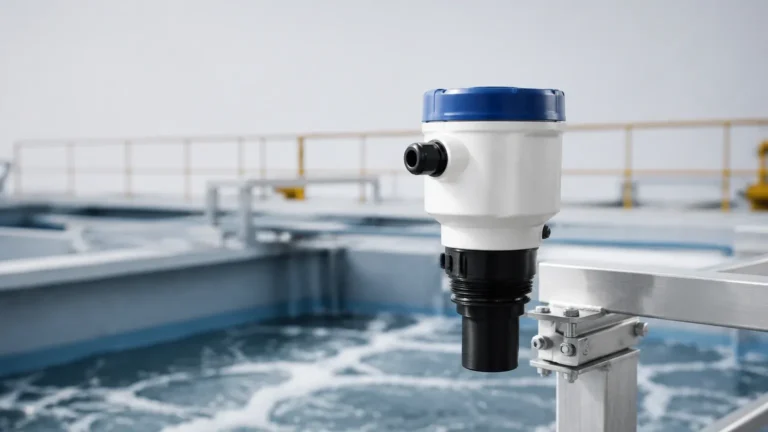
Effective water resource management and industrial process control require precise, non-contact measurement solutions. In regions undergoing infrastructure modernization, such as Lebanon, the demand for reliable instrumentation has led many engineers to prioritize ultrasonic technology. This guide examines the principles, selection criteria, and practical installation of an ultrasonic water level sensor Lebanon projects might require, focusing on the high-performance Ultrasonic Level Meters manufactured by Welk.
Understanding the Measurement Principle
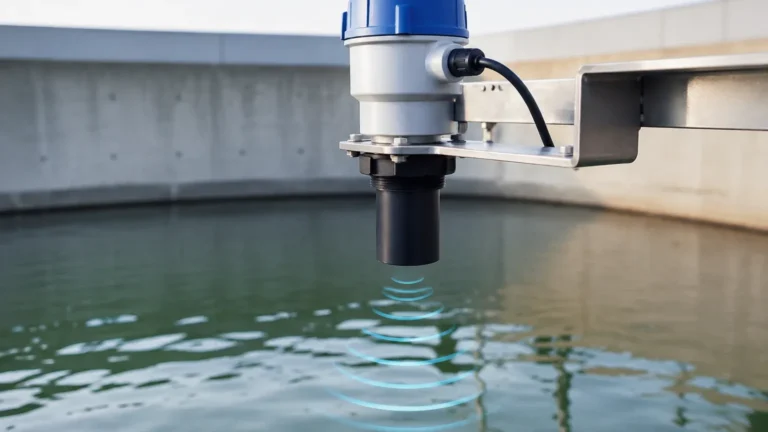
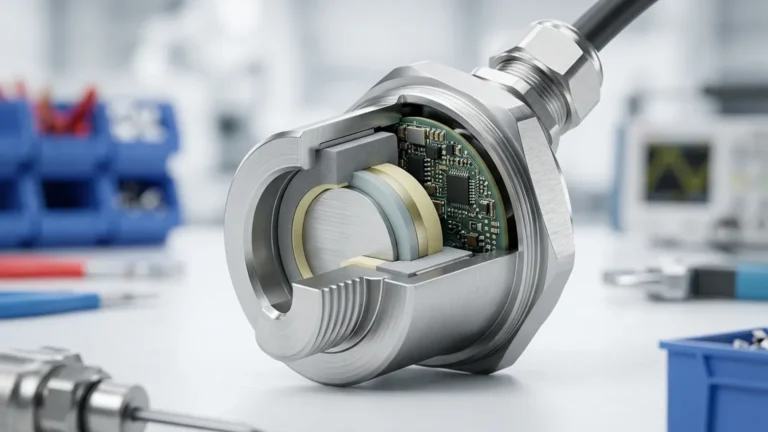
Ultrasonic level measurement is based on the "Time of Flight" (ToF) principle. The sensor, typically mounted at the top of a tank or over a water body, contains a piezoelectric transducer. This transducer converts electrical energy into mechanical pulses—ultrasonic sound waves—that travel through the air toward the liquid surface.
When these waves hit the surface of the water, they are reflected back to the sensor. The instrument then calculates the distance between the sensor face and the liquid level using the following formula:
$$D = \frac{c \times t}{2}$$
Where:
* D is the distance to the liquid surface.
* c is the speed of sound in the medium (typically air).
* t is the time elapsed between the emission and the reception of the pulse.
Since the height of the vessel or the installation point (H) is known, the actual level (L) is determined by subtracting the measured distance (D) from the total height: $L = H – D$. Welk ultrasonic level meters integrate advanced signal processing algorithms to filter out false echoes caused by internal tank structures or surface turbulence, ensuring a stable output for industrial automation.
Key Evaluation Criteria for Lebanon’s Industrial Landscape
When sourcing an ultrasonic water level sensor Lebanon distributors and engineers must consider local environmental factors and specific application requirements. Lebanon’s climate, ranging from Mediterranean coastal humidity to significant temperature fluctuations in the Bekaa Valley, necessitates instruments with robust environmental protection and built-in compensation.
1. Measurement Range and Dead Zone
Every ultrasonic sensor has a "dead zone" (also known as the blanking distance) directly beneath the transducer face where measurements cannot be taken. For instance, a sensor with a 10-meter (32.8 ft) range might have a dead zone of 0.3 meters (11.8 inches). It is critical to ensure that the maximum expected water level never enters this zone, as it will result in measurement errors or signal loss.
2. Temperature Compensation
The speed of sound varies with air temperature (approximately 0.6 m/s per degree Celsius). Without compensation, a 10°C change could result in a measurement error of nearly 2%. Welk instruments feature integrated temperature sensors that automatically adjust the calculation in real-time, which is vital for outdoor reservoirs in Lebanon where day-to-night temperature swings are common.
3. Beam Angle and Obstructions
The ultrasonic pulse spreads in a conical shape. The beam angle (typically between 5° and 12°) determines the footprint of the signal at a given distance. If the beam hits a ladder, a pipe, or the tank wall before reaching the water, it will create a false echo. Choosing a narrower beam angle is often necessary for narrow wells or cluttered industrial tanks.
Selection Table: Choosing the Right Ultrasonic Level Meter
To assist in technical procurement, the following table outlines typical specifications for Welk ultrasonic level meters used in various water management scenarios.
| Feature | Compact Series (Short Range) | Industrial Series (Mid-Long Range) | High-Power Series (Extended Range) |
| :— | :— | :— | :— |
| Measurement Range | 0.25m – 5m | 0.4m – 15m | 0.6m – 30m |
| Accuracy | ±0.25% of Full Scale | ±0.25% to ±0.5% | ±0.5% of Full Scale |
| Output Signal | 4-20mA, RS485 Modbus | 4-20mA, HART, RS485 | 4-20mA, RS485, Relays |
| Power Supply | 24V DC (2-wire/4-wire) | 24V DC / 220V AC | 24V DC / 220V AC |
| Protection Rating | IP67 / IP68 | IP66 / IP67 | IP66 |
| Best Application | Small chemical tanks, sumps | Municipal water tanks, rivers | Large silos, deep reservoirs |
Practical Application Scenarios in Lebanon
Municipal Water Distribution
In cities like Beirut or Tripoli, maintaining consistent pressure in the water network requires accurate monitoring of elevated storage tanks. Ultrasonic sensors provide a maintenance-free alternative to mechanical floats, which are prone to wear and corrosion. The RS485 Modbus output allows for easy integration into SCADA systems for remote monitoring of water levels across the municipality.
Wastewater Treatment and Open Channels
Lebanon’s wastewater treatment plants (WWTPs) utilize ultrasonic sensors for both tank level control and flow measurement in open channels (using Parshall flumes or Weirs). Because the sensor never touches the effluent, it is not subject to fouling or chemical attack, which is a significant advantage over hydrostatic pressure transmitters in sewage applications.
Agricultural Irrigation
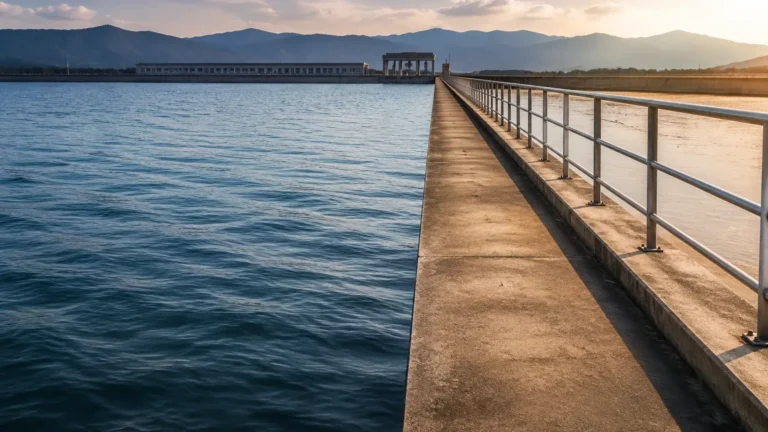
In the Bekaa Valley, managing irrigation water from the Litani River or groundwater wells is essential for sustainable farming. An ultrasonic water level sensor Lebanon farmers install can monitor irrigation channels to ensure equitable water distribution and detect leaks or blockages in the system.
Installation Considerations and Best Practices
Proper installation is the single most important factor in the performance of an ultrasonic level meter. Engineering teams should follow these guidelines to ensure data integrity:
1. Perpendicular Mounting: The transducer face must be perfectly parallel to the liquid surface. Even a small tilt can cause the reflected signal to miss the receiver, leading to "Loss of Echo" errors.
2. Avoid the Fill Path: Never install the sensor directly above the point where water enters the tank. The turbulence and air bubbles created by the inflow will scatter the ultrasonic signal.
3. Standpipe Usage: In applications with heavy foam or extreme turbulence, a standpipe (stilling well) can be used. The pipe acts as a guide for the sound wave and provides a calm surface for measurement. However, the pipe must be smooth and free of joints that could create internal reflections.
4. Sun Shielding: For outdoor installations in high-heat regions, a sunshade is recommended. While the sensor has internal temperature compensation, direct solar radiation can heat the sensor body significantly higher than the ambient air, leading to a localized temperature gradient that confuses the sensor.
Limitations and Environmental Challenges
While highly versatile, ultrasonic technology is not a universal solution. Engineers must be aware of the following limitations:
* Vacuum and Pressure: Sound requires a medium to travel. Therefore, ultrasonic meters cannot function in a vacuum. High pressure can also alter the speed of sound beyond the capabilities of standard compensation algorithms.
* Heavy Foam: Thick, dense foam on the water surface acts as an acoustic absorber. It soaks up the pulse rather than reflecting it. If foam is present, a radar level meter or a magnetic level gauge may be a better choice.
* Vapor and Dust: High concentrations of heavy vapors or extremely dense dust can attenuate the signal. In Lebanon’s chemical processing plants, it is important to confirm if the headspace gas differs significantly from air.
Frequently Asked Questions (FAQ)
Q: Can I use an ultrasonic sensor to measure the level of oil or chemicals in Lebanon?
A: Yes, provided the chemical is compatible with the sensor’s wetted materials (usually PVDF or PTFE) and does not produce heavy vapors that significantly change the speed of sound compared to air.
Q: How does wind affect outdoor water level measurements?
A: Strong winds can "blow" the ultrasonic pulse away, especially over long distances (ranges over 10 meters). For windy reservoir sites, choosing a sensor with a higher power output or using a stilling well is recommended.
Q: What is the lifespan of a Welk ultrasonic level meter?
A: Since there are no moving parts and the sensor is non-contact, these units typically last 7 to 10 years or more, depending on the harshness of the environment and electrical surge protection.
Q: Is it difficult to calibrate these sensors?
A: Most modern Welk units feature a plug-and-play design. Calibration usually involves entering the tank height and the desired 4-20mA range points via a built-in keypad or a software interface.
Conclusion
For industrial and municipal projects in Lebanon, selecting the right instrumentation is a balance between technical capability and environmental resilience. Ultrasonic Level Meters offer a cost-effective, high-accuracy solution for water and wastewater applications, provided that installation geometry and environmental factors are properly managed. By understanding the underlying physics and following established engineering best practices, users can ensure reliable data for their critical infrastructure. For detailed product specifications and application-specific support, engineers are encouraged to review the available technology options from professional manufacturers.