Water Level Control Switches
Water Level Control Switches
In industrial process automation, the reliable detection of liquid levels is a fundamental requirement for safety, efficiency, and environmental compliance. Water level control switches serve as critical components in these systems, providing point-level detection to trigger alarms, control pumps, or actuate valves. Unlike continuous level transmitters that provide a constant stream of data, a level switch operates on a binary principle: it detects whether a liquid has reached a specific height and changes the state of an electrical contact accordingly.
For engineers and facility managers, selecting the correct technology for water level control switches requires a deep understanding of both the physical principles of measurement and the specific demands of the application environment. This guide examines the primary technologies used in modern water management and the technical criteria necessary for successful implementation.
Measurement Principles of Water Level Control Switches
Before selecting a device, it is essential to understand how different sensing technologies interact with water. Each principle offers distinct advantages depending on the water's purity, temperature, and turbulence.
Float-Based Level Switches
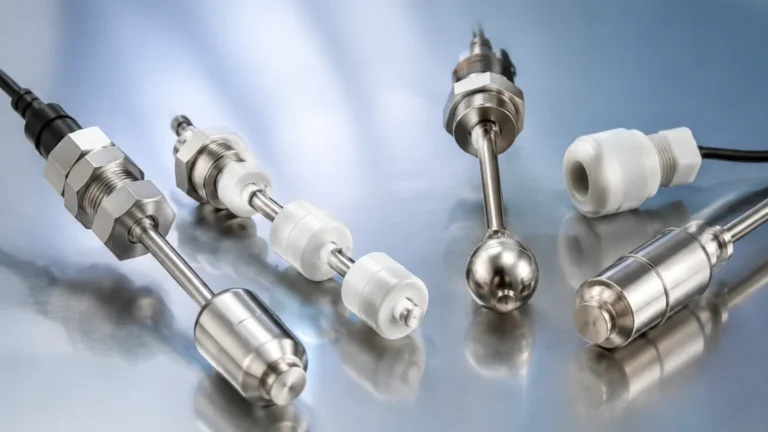
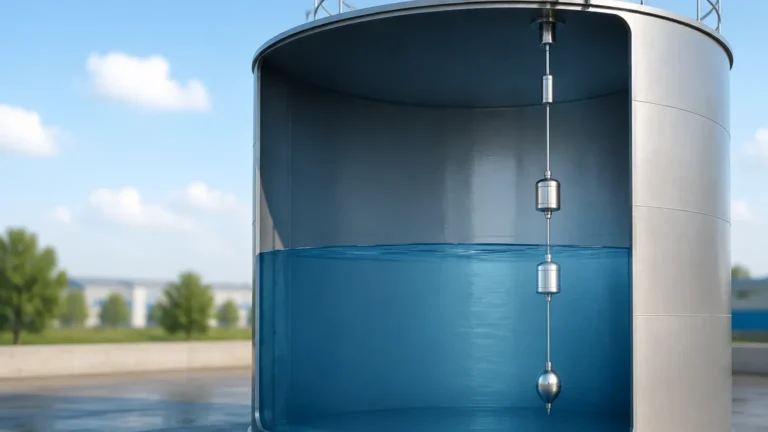
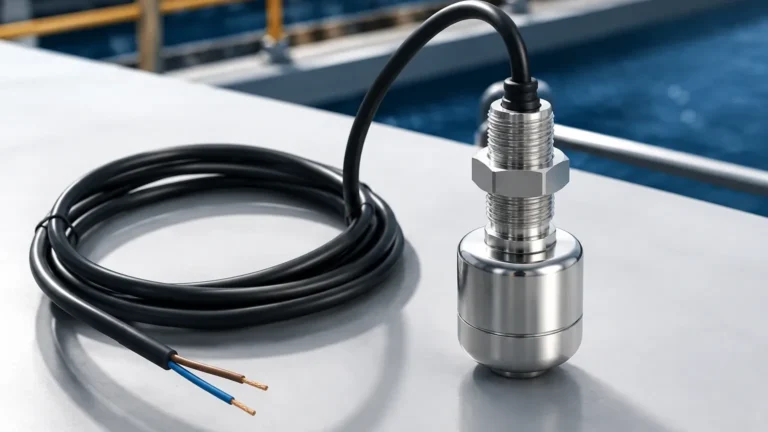
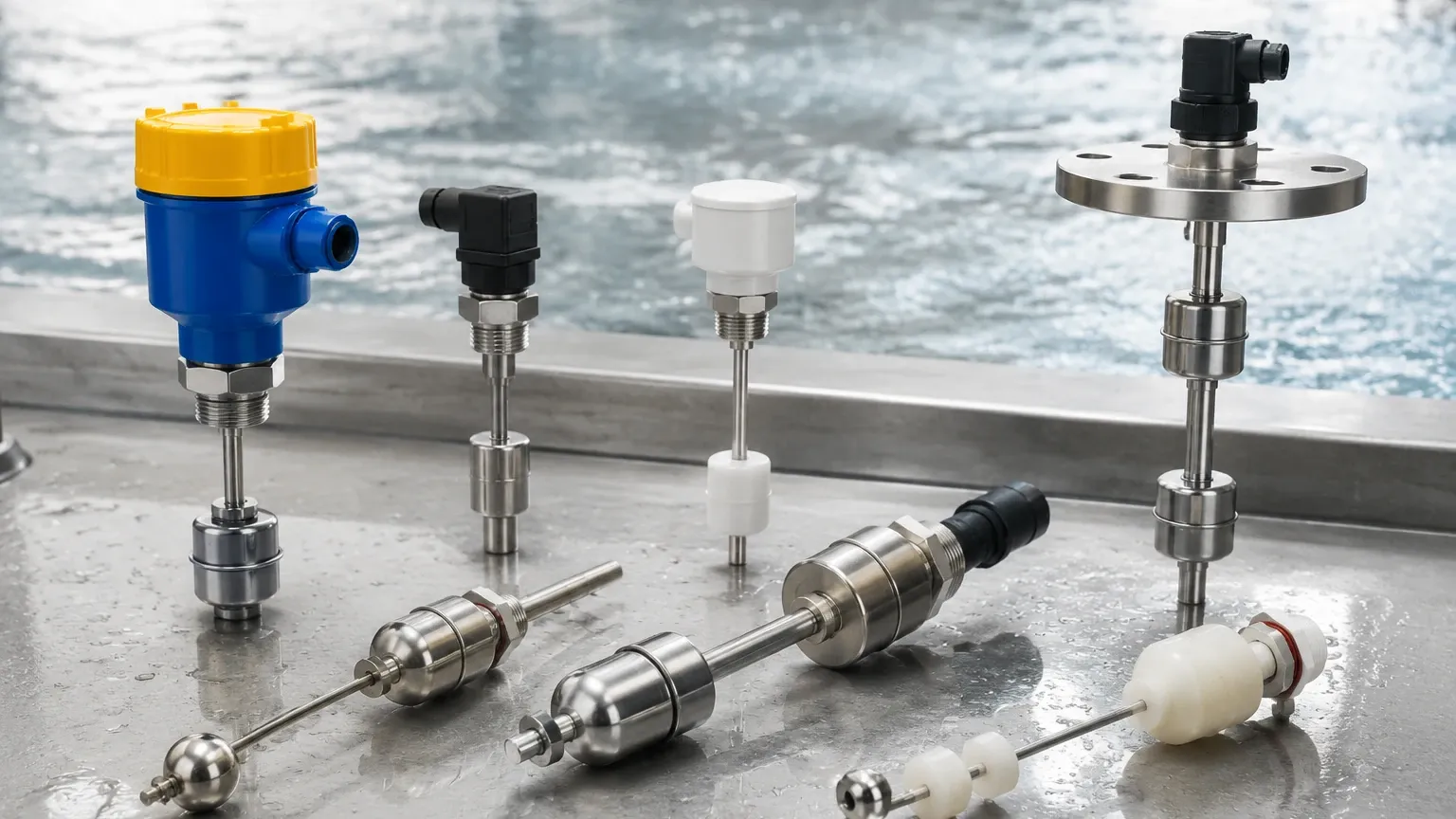
Float switches are among the most common and cost-effective solutions for water level control. They operate on the principle of buoyancy. A float, typically made of stainless steel or plastic (such as PP or PVC), contains a magnet. As the water level rises or falls, the float moves along a stem or pivots on a cable. When the magnet reaches a specific position, it actuates a reed switch or a microswitch located inside the housing.
* Pros: Simple design, requires no external power for the sensing element, and is highly compatible with a wide range of liquids.
* Cons: Moving parts are susceptible to mechanical wear and can become jammed by debris or mineral scaling.
Conductivity Level Switches
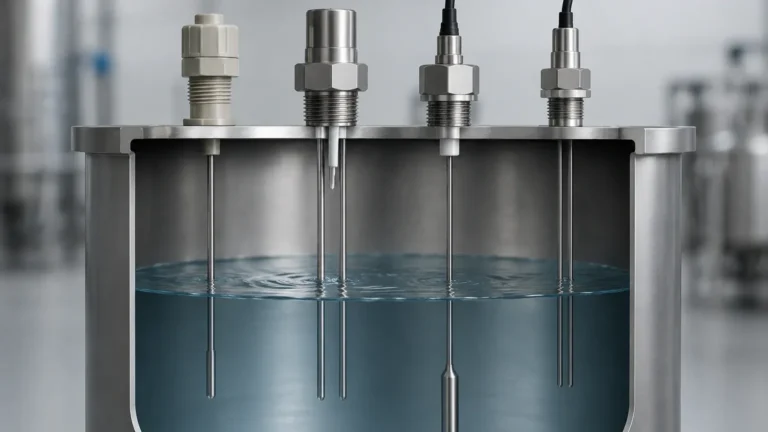
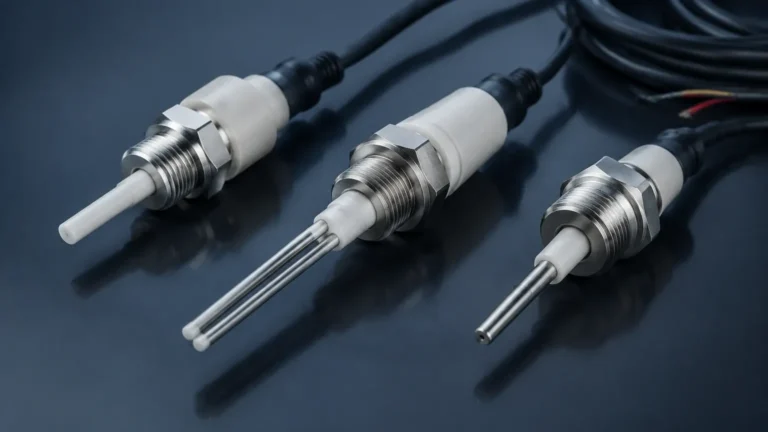
Conductivity switches are specifically designed for conductive liquids like water. They utilize a low-voltage, low-current circuit between two or more electrodes. When the water level rises and touches the electrodes, the liquid completes the electrical circuit, triggering the switch. These are frequently used in boiler water level control and wastewater sumps.
* Pros: No moving parts, compact design, and capable of multi-point detection with a single installation point.
* Cons: Cannot be used with non-conductive liquids (like demineralized or pure distilled water) and electrodes may require cleaning if the water contains high levels of oils or grease.
Vibrating Tuning Fork Level Switches
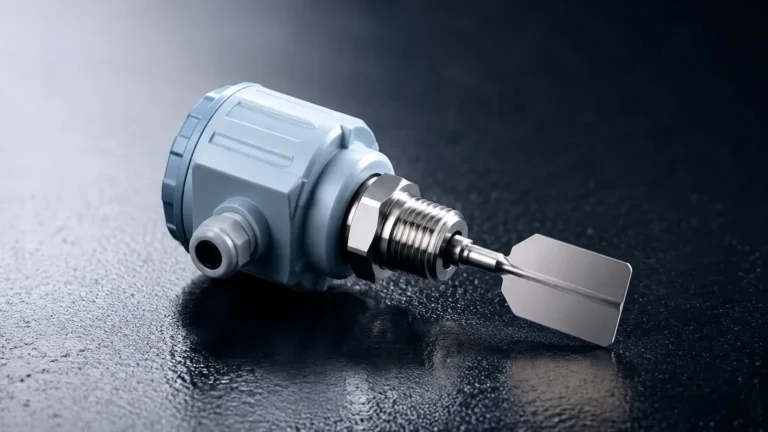
This technology uses a piezoelectric crystal to vibrate a metal tuning fork at its natural frequency. When the fork is immersed in water, the frequency of vibration changes. An electronic circuit detects this shift and converts it into a switching signal. This method is highly reliable for "fail-safe" high-level or low-level alarms.
* Pros: Immune to changes in liquid density, dielectric constant, or conductivity. Highly resistant to turbulence and bubbles.
* Cons: Higher initial cost compared to simple float switches; can be affected by significant material buildup between the tines.
Capacitance Level Switches
Capacitance switches measure the change in electrical capacitance between a probe and the tank wall (or a reference probe). Water has a high dielectric constant (approximately 80), which causes a significant change in capacitance when it displaces air (dielectric constant of 1) around the probe.
* Pros: No moving parts, suitable for high-pressure and high-temperature environments.
* Cons: Requires calibration and can be sensitive to coating or moisture buildup on the probe.
Practical Selection for Industrial Applications
When integrating Level Switches into a water control system, the choice of technology depends on the specific characteristics of the water and the vessel. For example, potable water treatment requires different materials than industrial wastewater containing corrosive chemicals.
Selection Table: Technology Comparison
| Feature | Float Switch | Conductivity Switch | Tuning Fork Switch | Capacitance Switch |
| :— | :— | :— | :— | :— |
| Moving Parts | Yes | No | No (Vibrating) | No |
| Media Type | Clean/General | Conductive Liquids | Most Liquids | Most Liquids |
| Maintenance | Moderate | Low | Low | Low |
| Turbulence Resistance | Low | Moderate | High | High |
| Coating Sensitivity | High | Moderate | Low | High |
| Typical Use Case | Sump pumps, tanks | Boilers, wastewater | High-level alarms | Process tanks |
Installation Considerations and Best Practices
Correct installation is as important as technology selection. Even the most advanced water level control switches will fail if environmental factors are ignored.
1. Avoid Turbulence: If the switch is installed near an inlet pipe where water splashes or creates waves, the switch may "chatter" (rapidly cycle on and off). Use a stilling well—a vertical pipe that surrounds the sensor—to provide a calm surface for measurement.
2. Mounting Orientation: Float switches are often side-mounted or top-mounted. Ensure there is sufficient clearance for the float's arc of travel. For top-mounted cable floats, ensure the cable weight is positioned to prevent tangling with internal tank structures.
3. Material Compatibility: For industrial water, ensure the wetted parts (304 or 316 Stainless Steel, PP, PVDF) are compatible with any additives or contaminants in the water. In deionized water systems, plastic probes are often preferred to prevent metallic contamination.
4. Electrical Protection: In outdoor installations or near large motors, use shielded cables and ensure proper grounding to prevent electromagnetic interference (EMI) from triggering false signals, especially in conductivity and capacitance systems.
Common Risks and Limitations
While water level control switches are generally robust, engineers should be aware of specific failure modes:
* Scaling and Calcification: In hard water applications, calcium carbonate can build up on float mechanisms or electrodes. This can either weigh down a float so it doesn't rise or insulate a conductivity probe so it doesn't detect water. Regular inspection cycles are required in these environments.
* Electrolysis: When using conductivity switches with DC power, electrolysis can occur, leading to probe degradation. Welk and other professional manufacturers typically use AC signals for conductivity probes to mitigate this risk.
* Syphon Effects and Pressure: In pressurized tanks, ensure the switch is rated for the maximum operating pressure. A hollow float that is not pressure-rated may collapse under high pressure (e.g., 10 bar / 145 psi), losing its buoyancy.
Confirming Project Requirements
Before finalizing a purchase or design specification for water level control switches, the following project-specific data should be confirmed:
* Tank Geometry: Is there enough space for a mechanical float, or is a compact tuning fork required?
* Output Requirements: Does the control system require a dry contact (SPDT/DPDT), a two-wire solid-state output, or a PNP/NPN transistor output?
* Process Conditions: What are the maximum temperature (e.g., 80°C / 176°F) and pressure requirements?
* Water Quality: Is the water clean, or does it contain solids, oils, or chemicals that could foul the sensor?
Frequently Asked Questions (FAQ)
Q: Can I use a float switch in a tank with a high-speed agitator?
A: It is not recommended. The mechanical force of the moving water can damage the float arm or cause false triggers. A vibrating tuning fork or a non-contact sensor inside a stilling well would be a more reliable choice.
Q: How do I prevent a pump from cycling too frequently?
A: This is usually managed by using two switches (a high-level and a low-level) or a single switch with a built-in hysteresis (differential). The pump turns on at the high point and stays on until the water reaches the low point.
Q: Are conductivity switches safe for drinking water?
A: Yes, provided the electrodes are made of food-grade materials like 316 stainless steel and the voltage used is extremely low (typically below 12V AC) to prevent any chemical change in the water.
Q: What is the typical lifespan of an industrial level switch?
A: In clean water applications, a high-quality stainless steel float or tuning fork switch can last 10 years or more. In harsh wastewater or scaling environments, the lifespan depends heavily on the frequency of preventative maintenance and cleaning.
By carefully matching the measurement principle to the application and following rigorous installation standards, water level control switches provide a dependable foundation for industrial fluid management. For complex applications involving varied media or extreme conditions, consulting with a specialized manufacturer like Welk ensures that the selected instrumentation meets the long-term reliability requirements of the facility.