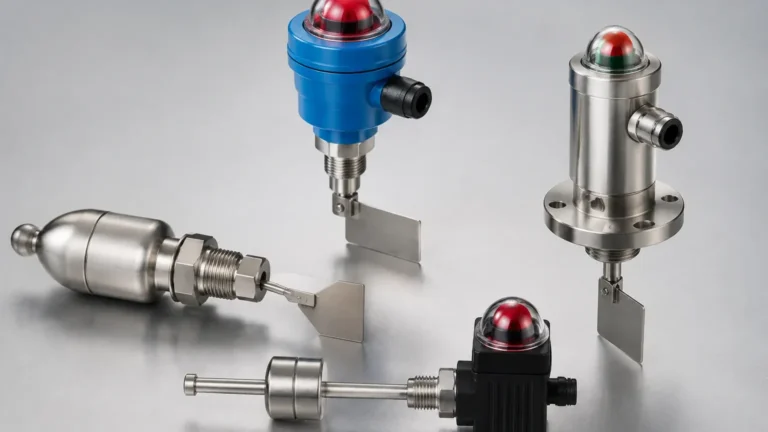
Dwyer Level Switches
Dwyer Level Switches
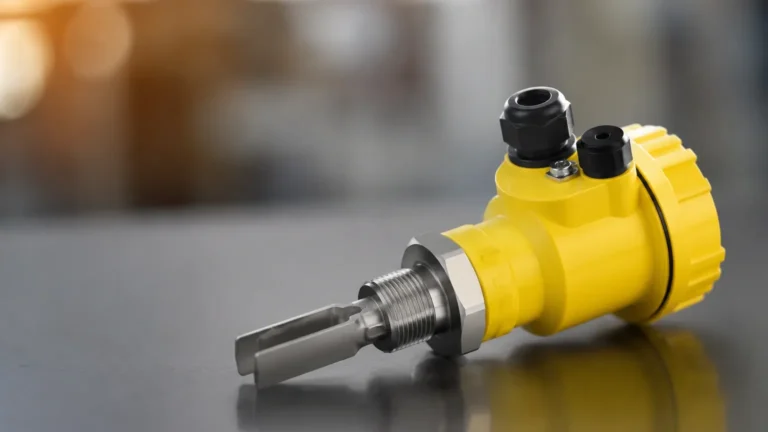
In the realm of industrial process control, point-level detection remains a critical safety and operational requirement. Level switches are fundamental components used to signal when a liquid or solid reaches a specific height within a tank, vessel, or pipe. Among the established names in the instrumentation industry, Dwyer level switches are frequently specified for their reliability in HVAC, water treatment, and general industrial applications. Understanding the technical nuances of these devices, from their operating principles to their installation requirements, is essential for engineers and procurement professionals tasked with maintaining system integrity.
This guide examines the mechanical and electronic principles governing level switches, provides a detailed overview of common Dwyer configurations, and outlines the selection criteria necessary to ensure long-term performance in demanding environments.
Understanding Level Switch Measurement Principles
Before selecting a specific model, it is vital to understand how different level switches interact with the process media. Level switches are generally categorized by their sensing technology, each suited to different physical properties of the material being measured.
Buoyancy (Float) Principle
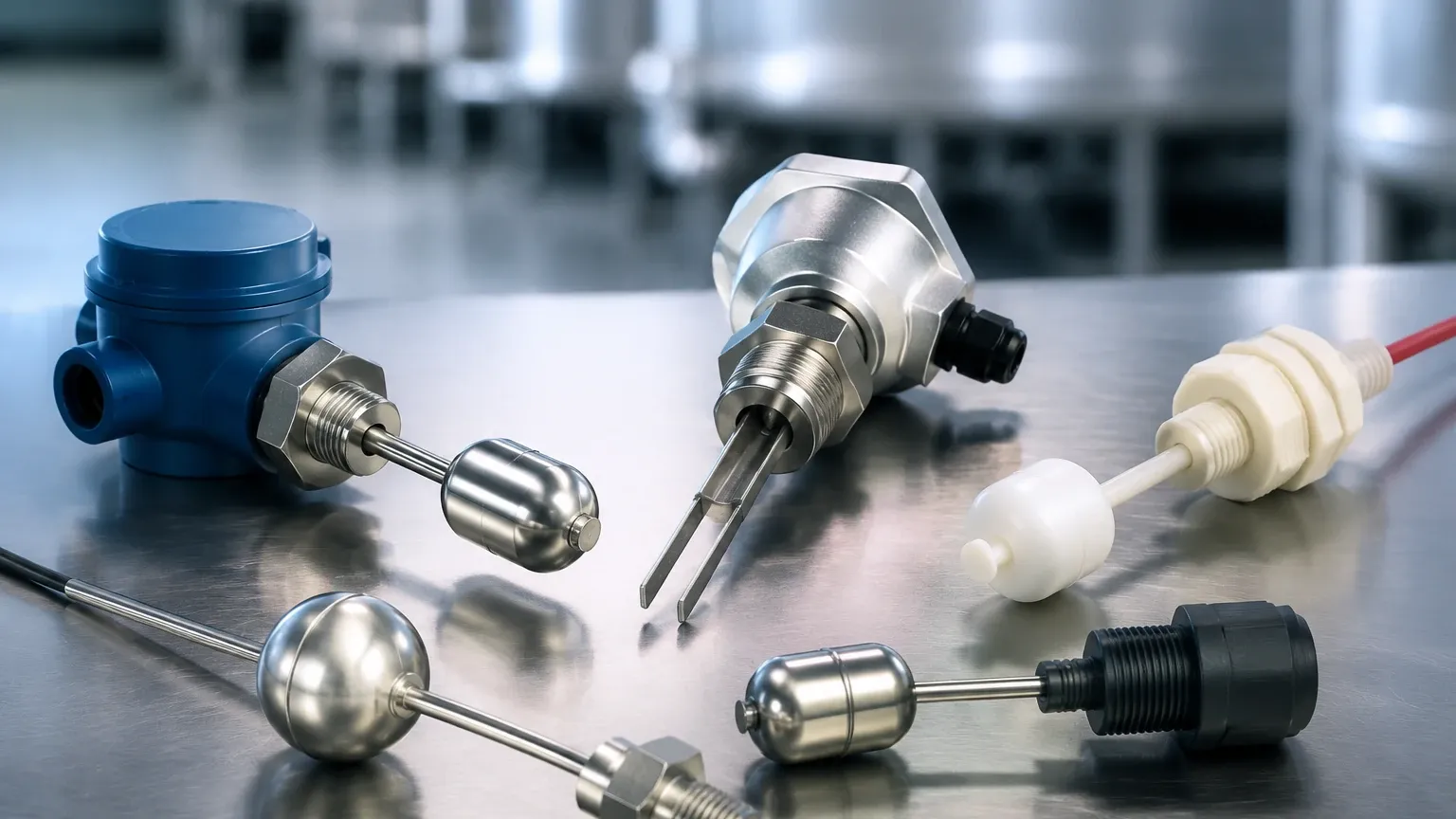
The most common technology found in the Dwyer catalog is the float-operated switch. This principle relies on Archimedes' Law: a float with a lower density than the liquid will remain on the surface. As the liquid level rises or falls, the float moves accordingly. Inside the switch housing, this movement is used to actuate a mechanical or reed switch. In many Dwyer Flotect® models, a magnet is attached to the float arm; as the float moves, the magnetic field triggers a switch located outside the process pressure boundary, ensuring a leak-proof seal.
Diaphragm (Pressure) Principle
Diaphragm switches detect the presence of bulk solids or liquids by sensing the physical pressure exerted against a flexible membrane. When the material reaches the level of the switch, the weight or pressure of the media pushes the diaphragm, which in turn activates a microswitch. These are commonly used in silos for grain or plastic pellets.
Rotary Paddle Principle
Designed specifically for dry bulk materials, rotary paddle switches utilize a low-speed motor that rotates a paddle. When the material rises to the level of the paddle, it restricts the rotation. The resulting torque triggers a switch that stops the motor and signals a high-level alarm. Once the material level drops, a spring returns the motor to its original position and rotation resumes.
Ultrasonic and Capacitive Principles
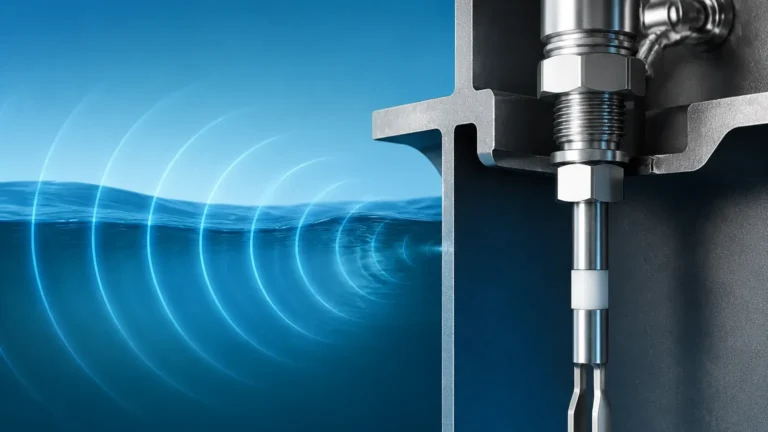
Non-contact or electronic level switches use sound waves or electrical fields. Ultrasonic switches measure the time it takes for a sound pulse to reflect off the surface, while capacitive switches detect changes in electrical capacitance caused by the presence of a medium with a different dielectric constant than air. These are ideal for viscous or coating liquids where mechanical floats might stick.
Key Series and Applications of Dwyer Level Switches
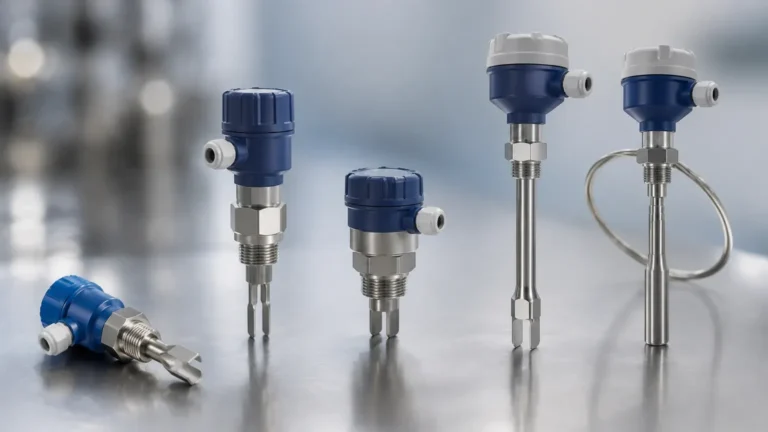
Dwyer offers a diverse range of level switches tailored for specific environmental conditions. Their product line is often divided into the "Flotect" series for heavy-duty industrial use and the "F6/F7" series for compact, OEM applications.
The Flotect® Series (L4, L6, L8)
The Flotect line is characterized by its rugged construction, often featuring explosion-proof housings.
- L4 Series: A heavy-duty float switch typically used in oil refineries and chemical plants. It features a magnetically actuated switch, which eliminates the need for bellows or seals that could leak.
- L6 Series: Smaller than the L4, the L6 is designed for liquid level monitoring in limited spaces. It is often used to protect pumps from running dry or to signal high levels in small tanks.
- L8 Series: A plastic-body variant designed for corrosive environments where metallic components would fail.
Mini-Float Switches (F6 & F7 Series)
For equipment manufacturers (OEMs), the F6 and F7 series provide a cost-effective solution for small-scale level control. These are often used in medical equipment, food processing machinery, and laboratory water baths. They are available in various materials, including Polypropylene, Stainless Steel, and PVDF, to accommodate different chemical compatibilities.
Proximity and Specialty Switches
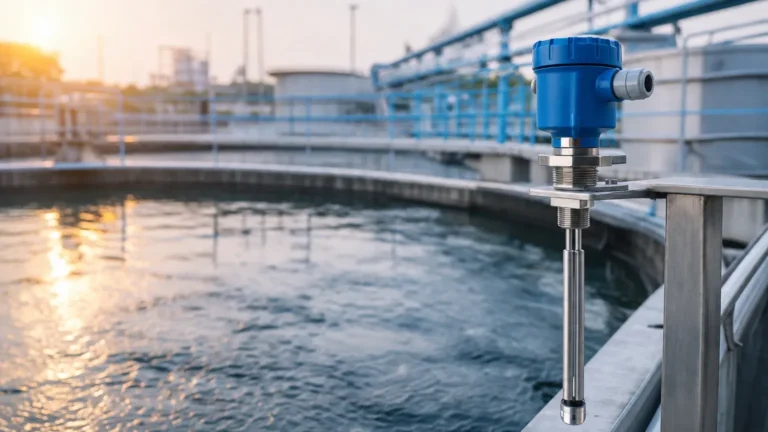
Dwyer also produces specialized switches like the CFS2 cable float switch, which is suspended in a tank and tilts as the level changes. This is a common choice for wastewater sumps and sewage lift stations because it is less prone to fouling by debris.
Technical Selection Criteria for Industrial Level Switches
Selecting the correct Level Switches requires a rigorous evaluation of the process environment. A mismatch between the switch and the media can lead to premature failure or dangerous false readings.
1. Media Properties
- Specific Gravity (Density): The float must be lighter than the liquid it is intended to measure. Most Dwyer float switches require a minimum specific gravity (S.G.) of 0.5 to 0.7. For very light oils, specialized high-buoyancy floats are required.
- Viscosity: Highly viscous liquids can impede the movement of mechanical floats. In such cases, a non-contact ultrasonic switch or a high-torque rotary paddle (for solids) is preferred.
- Corrosivity: Ensure the wetted materials (316 Stainless Steel, Brass, or Plastics) are compatible with the chemical composition of the fluid.
2. Process Conditions
- Pressure: Standard switches might be rated for 10 bar (145 psi), but high-pressure applications in the oil and gas sector may require ratings up to 138 bar (2000 psi).
- Temperature: Standard plastic switches often fail above 80°C (176°F). For steam applications or high-temperature chemical reactions, stainless steel switches rated for 200°C (392°F) or higher are necessary.
3. Electrical Requirements
- Switch Output: Determine if the system requires a Single Pole Double Throw (SPDT) or Double Pole Double Throw (DPDT) configuration.
- Hazardous Areas: If the environment contains explosive gases or dust, the switch must carry ATEX, IECEx, or UL ratings for hazardous locations.
Selection Summary Table
| Switch Type | Best For | Max Temp (Typical) | Max Pressure (Typical) | Limitations |
| :— | :— | :— | :— | :— |
| Side-Mounted Float | Clean liquids, horizontal tanks | 200°C | 130 bar | Susceptible to scaling |
| Vertical Float | Deep tanks, sumps | 100°C | 50 bar | Requires top access |
| Rotary Paddle | Dry bulk, powders | 80°C | N/A | Mechanical wear |
| Cable Float | Wastewater, large pits | 60°C | N/A | Large hysteresis |
| Diaphragm | Grain, heavy solids | 80°C | N/A | Material buildup on face |
Installation and Maintenance Best Practices
Proper installation is as critical as device selection. Even the highest quality Dwyer level switch will fail if installed in a manner that subjects it to excessive turbulence or mechanical stress.
Mounting Orientation
Most level switches are designed for either vertical or horizontal mounting. A vertical switch must be perfectly plumb to ensure the float moves freely along the stem. Horizontal switches should be installed with the "Top" marking oriented correctly to ensure the internal hinge mechanism functions with gravity.
Turbulence Protection
In tanks with agitators or high-velocity inlet flows, turbulence can cause "chatter"—the rapid opening and closing of the switch. This can damage pumps and burn out switch contacts. To prevent this, installers should use a stilling well (a pipe that surrounds the float to dampen liquid movement) or install the switch in a location away from the inlet.
Wiring and NEMA Ratings
Ensure that the conduit entry is sealed to prevent moisture from entering the switch housing. For outdoor installations, a NEMA 4X or IP66 rated enclosure is required to protect against rain and corrosion. Always use a drip loop in the wiring to prevent condensation from running down the cable into the terminal block.
Routine Maintenance
While many level switches are marketed as maintenance-free, industrial reality suggests otherwise.
1. Visual Inspection: Check for signs of corrosion or leaks around the process connection.
2. Mechanical Check: For float switches, manually move the float to ensure it does not stick due to buildup or calcification.
3. Electrical Test: Use a multimeter to verify that the switch opens and closes at the correct points.
Limitations and Common Risks
Despite their versatility, Dwyer level switches and similar mechanical devices have inherent limitations:
- Coating and Buildup: In wastewater or slurry applications, material can build up on the float or paddle. This increases the weight of the float, potentially causing it to sink and fail to signal a high level.
- Mechanical Wear: Any device with moving parts has a finite lifespan. In high-cycle applications (where the switch triggers dozens of times an hour), mechanical fatigue can occur.
- Specific Gravity Shifts: If the process liquid changes (e.g., switching from water to an alcohol-based solvent), the float may no longer have sufficient buoyancy to operate.
- Vibration: Heavy industrial vibration can cause mechanical switches to trigger prematurely. In these environments, electronic switches with no moving parts are often a superior choice.
Frequently Asked Questions (FAQ)
Q: Can I use a Dwyer liquid level switch for dry powders?
A: Generally, no. Liquid level floats rely on buoyancy, which does not function effectively in powders. You should use a rotary paddle switch or a diaphragm switch designed for bulk solids.
Q: What is the difference between "Normally Open" (NO) and "Normally Closed" (NC)?
A: This refers to the state of the switch when the level is "normal" (usually the low state). A Normally Open switch will close the circuit when the level rises to the set point. Many Dwyer switches are field-reversible, meaning you can flip the float upside down to change the logic from NO to NC.
Q: How do I handle high-current loads with a level switch?
A: Most level switches use reed switches or small microswitches that cannot handle high current (e.g., directly powering a large pump). You should use the level switch to trigger a relay or a motor starter, which then handles the high-current load.
Q: Are there alternatives for highly corrosive acids?
A: Yes. While Dwyer offers stainless steel and plastic options, specialized manufacturers like Welk provide a broad range of Level Switches and sensors specifically engineered for aggressive chemical environments, including ultrasonic and radar technologies that avoid contact with the media entirely.
Conclusion
Dwyer level switches represent a standard in the industry for reliable, mechanical point-level detection. By understanding the physical principles of buoyancy and pressure, and by carefully matching the switch material and rating to the process conditions, engineers can implement effective safety and automation controls. However, for applications involving extreme turbulence, high viscosity, or highly corrosive media, it is often necessary to look beyond standard mechanical switches toward advanced electronic level measurement solutions. Always consult the specific gravity and pressure-temperature curves provided in the technical data sheets before finalizing a system design.