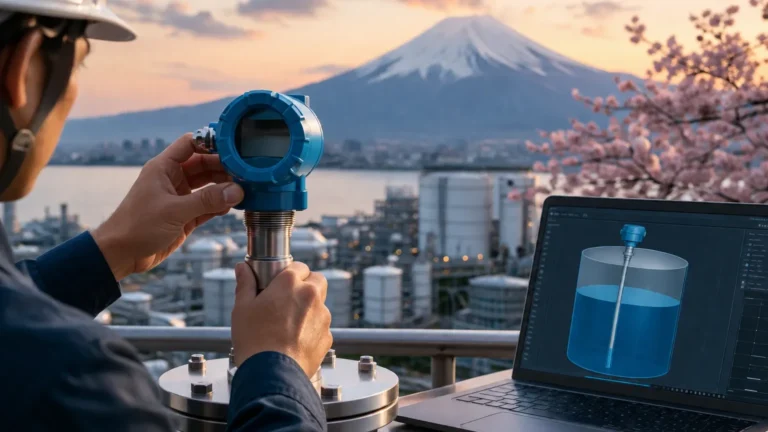
Level Switch Uqk 01
Level Switch Uqk 01
In the field of industrial automation and process control, point level detection remains a fundamental requirement for safety, efficiency, and inventory management. Among the various technologies available, the magnetic float level switch is one of the most reliable and widely adopted solutions. Specifically, the level switch uqk 01 represents a standardized, robust design used extensively in marine, chemical, and general industrial applications. This guide provides a detailed technical overview of the UQK-01, its operating principles, selection criteria, and installation best practices.
Understanding the Principle of Magnetic Float Level Switches
Before selecting a specific model like the UQK-01, it is essential to understand the underlying physics of magnetic float technology. Unlike continuous level sensors that provide a 4-20mA or digital output representing the exact level, a level switch is a "point level" device. It is designed to trigger an electrical contact at a specific, predetermined height.
The Magnetic Coupling Mechanism
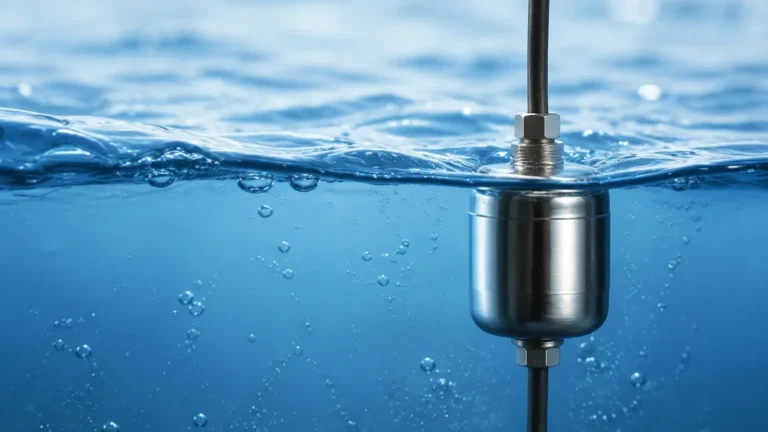
The level switch uqk 01 operates on the principle of magnetic buoyancy and coupling. The device typically consists of three main components: the float, the housing (containing the switch mechanism), and the mounting flange.
1. The Float: A hollow, sealed sphere or cylinder (usually made of stainless steel) that contains a permanent magnet. This float is attached to a lever arm.
2. The Magnetic Transmission: As the liquid level rises or falls, the float moves accordingly. The lever arm transmits this movement to a magnetic assembly inside the mounting flange.
3. The Switch Actuation: On the dry side of the instrument (isolated from the process fluid), a microswitch or reed switch is positioned. When the float's magnet reaches the trigger point, the magnetic field passes through the non-magnetic housing wall and actuates the switch.
This design is particularly valued because it ensures a total physical separation between the process medium and the electrical components. This isolation prevents leakage and protects the electrical circuit from corrosive or pressurized fluids.
Technical Specifications and Design of the Level Switch Uqk 01
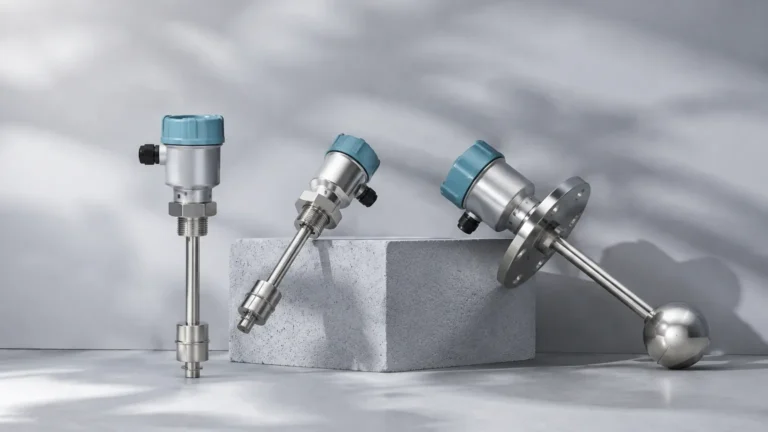
The UQK series is categorized by its mounting orientation and the number of setpoints. The level switch uqk 01 is specifically a horizontal, side-mounted, single-point level switch. It is designed to be installed through the wall of a tank or vessel.
Key Design Features
* Material Construction: Most industrial-grade UQK-01 units utilize 304 or 316L stainless steel for the wetted parts, making them suitable for water, oil, and various chemical solvents. For highly corrosive environments, specialized coatings or materials like Hastelloy may be requested via OEM/ODM services.
* Pressure and Temperature Ratings: Standard models are typically rated for pressures up to 1.6 MPa (16 bar / 232 psi) and temperatures ranging from -20°C to 150°C (-4°F to 302°F). High-temperature variants can extend this range significantly.
* Switching Capacity: The internal microswitch is usually rated for AC 220V/2A or DC 24V/1.1A, allowing it to directly control small pumps, solenoid valves, or provide signals to a PLC (Programmable Logic Controller).
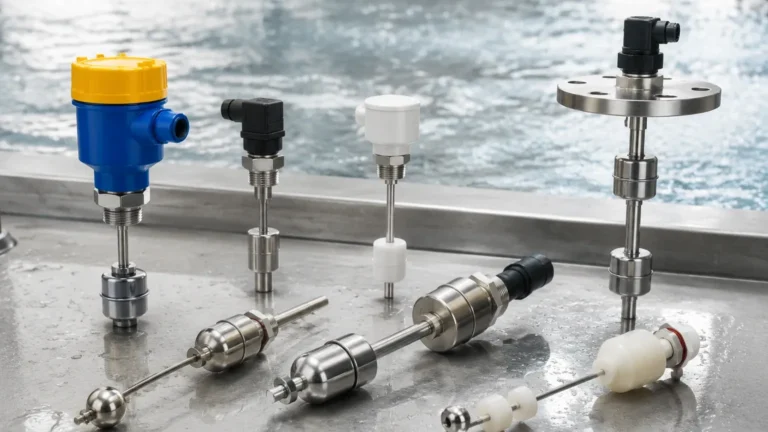
For a broader range of point-level solutions, engineers often evaluate these units alongside other Level Switches to ensure the best fit for specific media densities and tank geometries.
Selection Criteria for Industrial Applications
Choosing the right level switch requires an analysis of the fluid properties and the physical environment. The level switch uqk 01 is versatile, but its performance depends on several factors.
Practical Selection Table
| Parameter | UQK-01 Requirement | Consideration |
| :— | :— | :— |
| Medium Density | > 0.45 g/cm³ | The float must be buoyant enough to move the lever arm. |
| Viscosity | < 0.1 Pa·s | High viscosity can cause "drag" on the float, leading to delayed switching. |
| Mounting Type | Horizontal (Side) | Requires a side-wall flange or nozzle. |
| Control Range | Fixed (8-15mm) | The UQK-01 has a small, fixed differential. For larger gaps, UQK-02 is used. |
| Protection Class | IP65 / IP68 | Important for outdoor or marine environments. |
Material Compatibility
When dealing with the chemical industry, the compatibility of the float and flange material with the process fluid is paramount. While stainless steel is the standard, fluids with high chloride content or strong acids may require specialized polymers or high-nickel alloys. Always confirm the pH levels and chemical concentration before finalizing the specification.
Installation Guidelines and Best Practices
Proper installation is critical to the longevity and accuracy of a level switch uqk 01. Because this is a mechanical device with moving parts, physical obstructions and orientation are the most common causes of failure.
Positioning and Orientation
1. Horizontal Alignment: The UQK-01 must be installed horizontally. If the flange is tilted, the float may not move freely, or the switching point may shift, leading to inaccurate readings.
2. Avoid Turbulence: Do not install the switch directly in the path of an inlet pipe or near a high-speed agitator. The resulting turbulence can cause the float to bounce, leading to "chatter" (rapid opening and closing of the switch), which can damage pumps or electrical contacts.
3. Nozzle Clearance: Ensure the mounting nozzle on the tank is not so long that it interferes with the float's upward or downward swing. The float must have a clear arc of motion.
Wiring and Safety
* Cable Glands: Use appropriate cable glands to maintain the IP rating of the housing. This is especially important in water treatment or oil and gas applications where moisture or explosive gases may be present.
* Grounding: Ensure the instrument housing is properly grounded to prevent static buildup or electrical interference.
* Relay Protection: For inductive loads (like large motors or solenoids), it is highly recommended to use an intermediate relay rather than connecting the UQK-01 directly to the load. This protects the microswitch from arcing and premature wear.
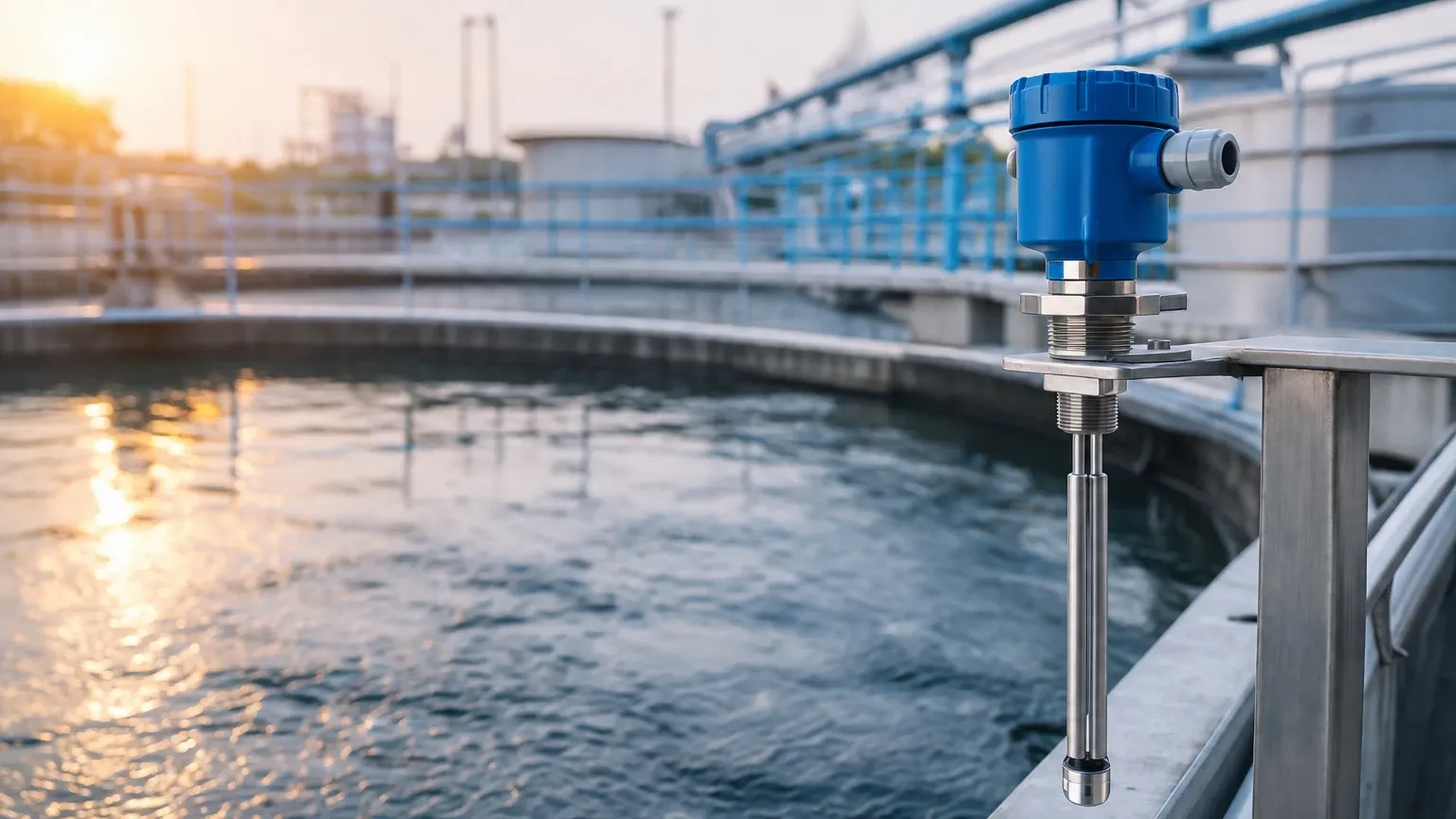
Maintenance and Troubleshooting
One of the primary advantages of the level switch uqk 01 is its low maintenance requirement. However, periodic inspections are necessary, particularly in applications involving non-potable water or oils that may leave deposits.
Routine Inspection Checklist
* Float Integrity: Check for any signs of pitting, corrosion, or denting on the float. A punctured float will fill with liquid and sink, failing in the "low" position.
* Build-up Removal: In wastewater or chemical applications, solids can accumulate on the lever arm or float. This added weight or physical restriction can prevent the switch from triggering. Regular cleaning with a compatible solvent or brush is advised.
* Contact Testing: Use a multimeter to verify that the switch opens and closes cleanly when the float is moved manually.
Troubleshooting Common Issues
* Switch does not trigger: Check for a stuck float due to debris or a bent lever arm. Verify that the fluid density has not dropped below the float's buoyancy rating.
* Intermittent Signal: Often caused by tank turbulence or loose wiring. Consider installing a stilling well if turbulence cannot be avoided.
* Leaking at the Flange: Check the gasket material. Standard EPDM gaskets may fail if exposed to oils or high temperatures; Viton or PTFE gaskets may be required.
Limitations and Alternative Technologies
While the level switch uqk 01 is a workhorse of industrial level control, it is not a universal solution. Engineers must be aware of its limitations to avoid application failure.
When to Consider Alternatives
1. Coating and Scaling: If the liquid is highly prone to crystallization or heavy scaling, a mechanical float switch will eventually seize. In these cases, a non-contact technology like Ultrasonic Level Sensors or Radar Level Meters is preferred.
2. High-Level Precision: The UQK-01 has a mechanical hysteresis (the difference between the switch-on and switch-off points). If millimeter-perfect precision is required, electronic sensors are more suitable.
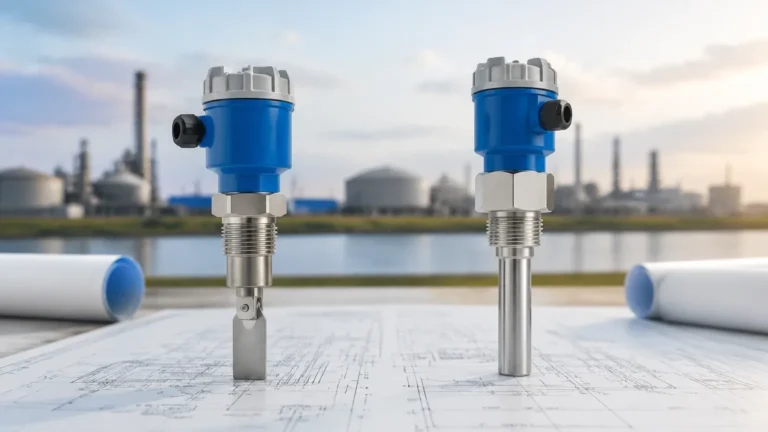
3. Space Constraints: In very small tanks where a float arm cannot swing, a vertical reed switch or a tuning fork (vibrating) level switch may be a better fit.
4. Hygienic Requirements: For food and beverage applications, the pivot points and crevices of a lever-arm float switch can harbor bacteria. Hygienic tuning fork switches or flush-mounted pressure transmitters are typically used instead.
Frequently Asked Questions
Q: Can the level switch uqk 01 be used for both high and low-level alarms?
A: Yes. The switch can be wired as "Normally Open" (NO) or "Normally Closed" (NC). By choosing the appropriate wiring and installing the device at the desired height, it can function as either a high-level overflow alarm or a low-level dry-run protection switch.
Q: What is the difference between UQK-01, UQK-02, and UQK-03?
A: The primary difference lies in the control range and mounting. The UQK-01 is a side-mounted switch with a small, fixed differential. The UQK-02 allows for a larger, adjustable differential between the on and off points. The UQK-03 is typically a top-mounted version with a vertical float rod.
Q: Is the UQK-01 suitable for explosive environments?
A: Standard models are not inherently explosion-proof. However, many manufacturers offer flameproof (Ex d) or intrinsically safe (Ex i) versions of the UQK-01 specifically for use in oil refineries and chemical plants. Always check the explosion-proof marking on the product nameplate.
Q: How does fluid density affect the UQK-01?
A: The float relies on Archimedes' principle. If the liquid density is too low (e.g., certain light hydrocarbons), the float will not displace enough mass to overcome the weight of the lever and the resistance of the switch mechanism. Always specify the medium's specific gravity during the procurement phase.
By following these technical guidelines and understanding the mechanical nature of the level switch uqk 01, plant engineers and system integrators can ensure reliable point-level control across a wide variety of industrial processes. For complex applications involving extreme pressures or aggressive media, consulting with a professional manufacturer like Welk can provide customized solutions that meet specific project requirements.