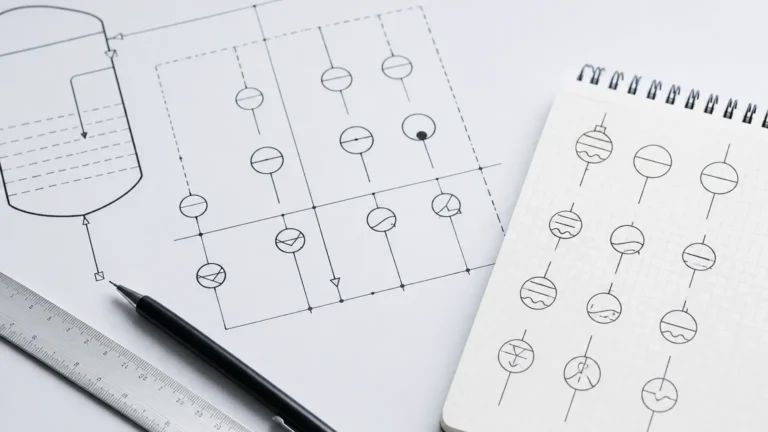
Hopper Level Switches
Hopper Level Switches
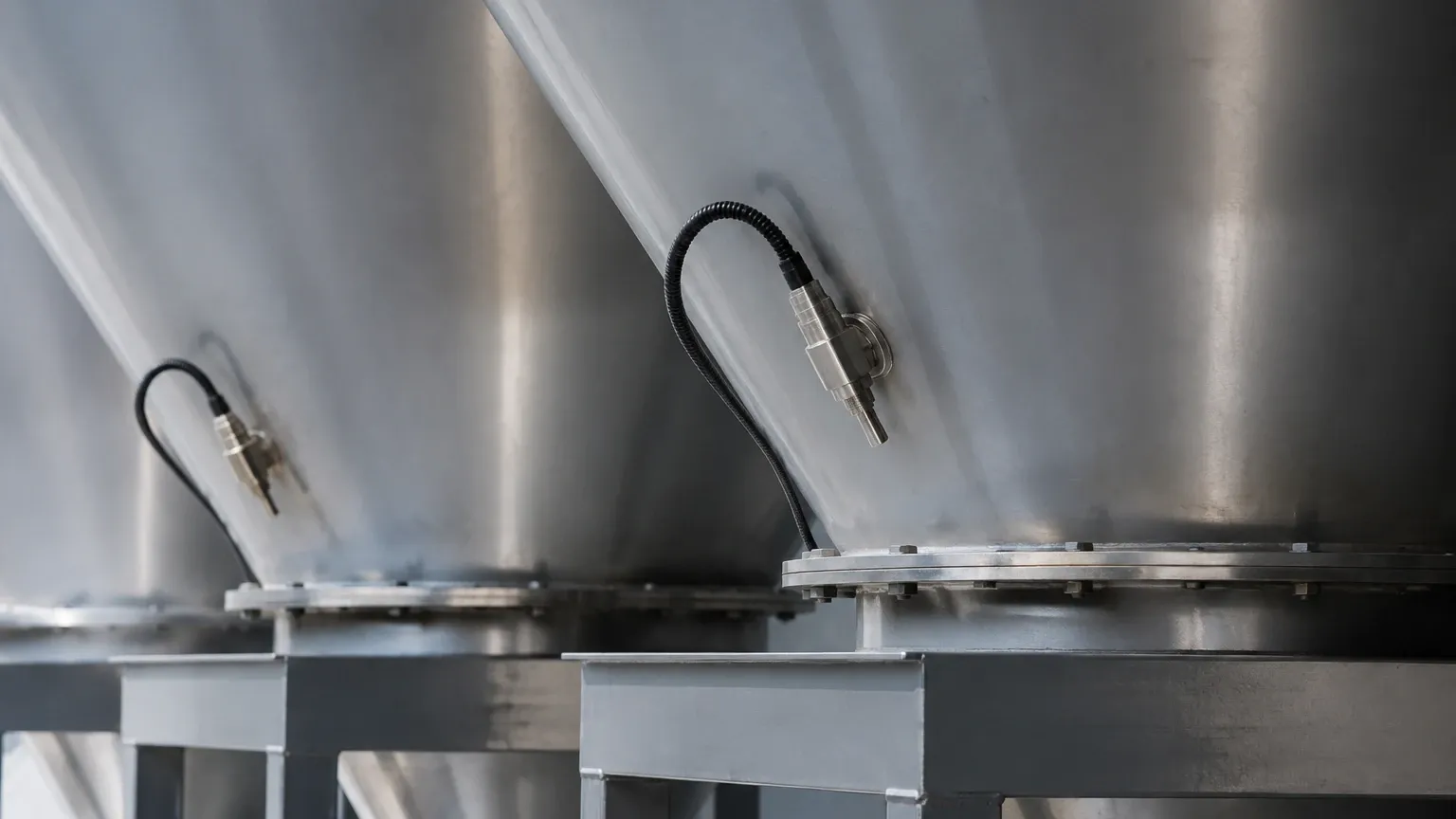
In industrial bulk solids handling, hoppers serve as critical intermediate storage vessels for materials ranging from fine powders to heavy ores. Monitoring the fill levels within these vessels is essential to prevent overfills, ensure a continuous supply to downstream processes, and protect equipment from running dry. Hopper level switches provide point-level detection, acting as the primary interface between physical material storage and automated control systems.
Selecting the appropriate technology for hopper level switches requires a detailed understanding of the material properties, the hopper’s geometry, and the environmental conditions of the process. This guide explores the mechanical and electronic principles of common level switches used in hopper applications and provides engineering criteria for selection and installation.
Measurement Principles of Hopper Level Switches
Unlike continuous level measurement, which provides a constant tracking of the material surface, level switches are designed to trigger a discrete electrical signal when material reaches a specific point. Several physical principles are utilized to detect the presence of solids in a hopper.
Rotary Paddle Switches
Rotary paddle switches are among the most common mechanical solutions for dry bulk solids. The unit consists of a low-speed electric motor that rotates a stainless-steel paddle. When the material level rises to the paddle, the mechanical resistance stops the rotation. This stall creates a torque reaction that flips a microswitch, signaling the level state and simultaneously cutting power to the motor to extend its service life. When the material level drops, a spring returns the motor to its original position, and rotation resumes.
Vibrating Rod and Fork Switches
Vibrating level switches utilize piezoelectric crystals to energize a sensing element—either a single rod or a dual-tine fork—at its natural resonant frequency. When the sensing element is covered by material, the mechanical vibration is dampened. The electronic circuit detects this change in frequency or amplitude and triggers the output relay. These switches are highly sensitive and are often preferred for light powders or materials with low bulk density.
RF Capacitance and Admittance Switches
Capacitance switches operate by measuring the electrical capacitance between a sensing probe and the hopper wall (or a ground reference). As material replaces the air around the probe, the dielectric constant changes, increasing the measured capacitance. Advanced Radio Frequency (RF) admittance switches use a "driven shield" or "active shield" section to ignore material buildup on the probe, making them suitable for sticky materials or applications where coating is a concern.
Diaphragm (Pressure) Switches
Diaphragm switches are flush-mounted to the hopper wall. They operate on the principle of mechanical pressure. As the material level rises, the weight of the solids exerts pressure against a flexible diaphragm, which moves a mechanical linkage to actuate a microswitch. These are purely mechanical and do not require external power for operation, though they are generally limited to free-flowing materials with sufficient bulk density.
Key Selection Criteria for Industrial Hoppers
To ensure the reliability of Level Switches, engineers must evaluate the physical and chemical characteristics of the medium. The following factors are decisive in selecting the correct technology:
1. Bulk Density
Bulk density, typically measured in kg/m³ (or lb/ft³), determines the mechanical force the material can exert.
* Low Density (< 100 kg/m³): Requires high-sensitivity vibrating forks or specialized RF capacitance probes.
* High Density (> 800 kg/m³): Suitable for rotary paddles and diaphragm switches.
2. Particle Size and Abrasiveness
Large, heavy aggregates (such as crushed stone or coal) can damage delicate sensing elements. In these cases, heavy-duty rotary paddles with reinforced shafts or flush-mounted diaphragm switches are preferred. For abrasive materials, the sensing probe material should be hardened or coated with protective polymers.
3. Moisture Content and Conductivity
High moisture levels can cause material to clump or stick to the sensor. If the material is conductive or prone to coating, RF admittance switches with coating rejection capabilities are necessary to prevent false high-level alarms.
4. Temperature and Pressure
Hopper environments in chemical or oil and gas applications may involve elevated process temperatures or positive/negative pressures. It is vital to confirm that the switch’s process seal and electronic housing can withstand these conditions. Standard units often handle up to 80°C (176°F), while high-temperature versions can exceed 250°C (482°F).
Practical Selection Table
| Technology | Best Suited For | Minimum Density | Advantages | Limitations |
| :— | :— | :— | :— | :— |
| Rotary Paddle | Granules, Pellets, Grains | ~160 kg/m³ | Low cost, robust, easy to troubleshoot | Moving parts subject to wear |
| Vibrating Rod | Fine powders, light flakes | ~20 kg/m³ | No moving parts, high sensitivity | Can be affected by high vibration |
| RF Admittance | Sticky materials, liquids/solids | N/A | Ignores buildup, very versatile | Requires calibration for dielectric |
| Diaphragm | Heavy, free-flowing solids | ~480 kg/m³ | No power required, flush mount | Not for very light or sticky powders |
Installation Considerations and Best Practices
Proper installation is as critical as technology selection. Incorrect placement can lead to mechanical failure or inaccurate readings.
Mounting Position
* High-Level Alarm: Typically mounted near the top of the hopper. The switch should be positioned so that it is not directly in the path of the material inflow to avoid impact damage and false triggers caused by falling material.
* Low-Level Alarm: Mounted near the discharge cone. It must be positioned high enough to provide sufficient lead time for refilling before the hopper runs empty.
Protection from Material Flow
In hoppers with high-velocity fill rates or heavy materials, a protective baffle or "shield" should be installed above the switch. This angled metal plate diverts the falling material away from the sensing element, reducing mechanical stress and wear.
Orientation
* Rotary Switches: Usually mounted horizontally through the side wall. If mounted vertically from the top, an extended shaft is required, which may need intermediate support to prevent bending.
* Vibrating Forks: Should be oriented so that the tines are vertical (side-by-side) rather than horizontal. This allows material to fall through the tines easily and prevents material from "bridging" across the fork, which would cause a false signal.
Electrical and Wiring
Always use a cable gland that matches the environmental rating (e.g., IP66/67). It is recommended to use a "drip loop" in the wiring to prevent moisture from following the cable into the housing. Ensure the supply voltage matches the instrument's specifications, as many industrial switches are available in both AC and DC variants.
Limitations and Common Risks
While hopper level switches are reliable, they are subject to specific industrial challenges:
1. Material Bridging and Rat-holing: In some hoppers, material may cling to the walls while the center empties (rat-holing) or arch over the discharge (bridging). A level switch mounted on the wall may indicate the hopper is full even if the discharge has stopped. In these cases, multiple switches or vibration-assisted discharge may be necessary.
2. Mechanical Fatigue: In rotary switches, the motor and clutch assembly are wear items. Regular inspection of the paddle and shaft integrity is required in heavy-duty applications.
3. False Triggers from Buildup: Vibrating and capacitance sensors can be "fooled" by significant material accumulation. Selecting a probe with an active shield or a vibrating rod (which is less prone to bridging than a fork) can mitigate this risk.
4. Static Electricity: The movement of dry bulk solids can generate significant static charges. Level switches used in these environments must be properly grounded, and in some cases, ATEX or IECEx certified for explosive dust environments (Class II, Div 1/2).
Frequently Asked Questions (FAQs)
Q: Can I use a hopper level switch for both high and low detection?
A: No, a single point-level switch can only detect the presence or absence of material at its specific mounting height. To have both high and low alarms, you must install two separate switches.
Q: How do I adjust the sensitivity of a rotary paddle switch?
A: Most rotary switches have an internal spring that can be adjusted to different tension settings. Higher tension is used for heavy materials to prevent the motor from stalling too easily, while lower tension is used for lighter materials.
Q: What is the benefit of a single-rod vibrating sensor over a tuning fork?
A: A single-rod design is less likely to have material get stuck or "bridge" between the tines. This makes it a better choice for materials that are slightly sticky or have irregular particle sizes.
Q: Do these switches require frequent calibration?
A: Rotary and vibrating switches generally do not require calibration. RF capacitance switches may require a one-time calibration during commissioning to "teach" the sensor the difference between the empty hopper and the presence of material.
Conclusion
Hopper level switches are fundamental components in the automation of bulk solids handling. By understanding the mechanical principles of rotary paddles, the resonance of vibrating sensors, and the electrical properties of RF admittance, engineers can specify solutions that minimize downtime and maintenance. When selecting a switch, always prioritize the physical properties of the material—density, moisture, and abrasiveness—and ensure the installation is protected from the direct force of material flow. For complex applications involving hazardous dust or extreme temperatures, consulting with a specialized manufacturer like Welk ensures that the level measurement solution is both accurate and cost-effective.