High Temperature Level Switches
High Temperature Level Switches
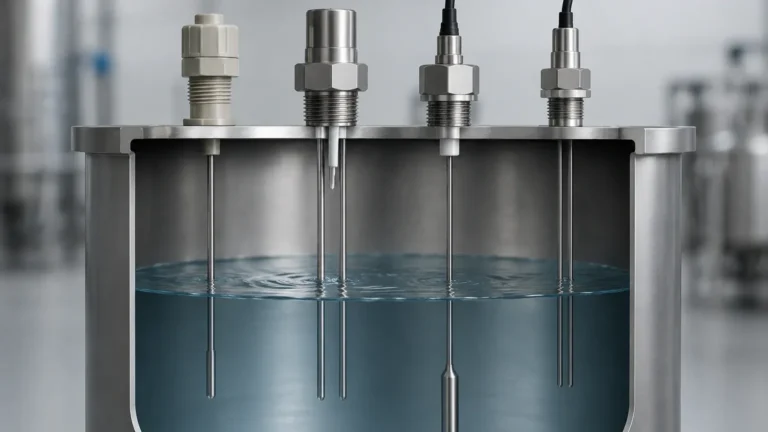
In industrial process automation, point level detection is a critical safety and operational requirement. While standard sensors perform reliably under ambient conditions, high-temperature environments—such as those found in steam boilers, chemical reactors, and molten metal processing—present unique challenges. High temperature level switches are engineered specifically to withstand thermal stress while maintaining measurement accuracy and long-term reliability. This guide examines the principles, selection criteria, and installation best practices for these specialized instruments.
Understanding the Role of High Temperature Level Switches in Industrial Processes
Level switches serve as the primary line of defense against overfills and dry-run conditions. In high-temperature applications, the "high temperature" designation typically refers to process conditions exceeding 80°C (176°F), often reaching as high as 450°C (842°F) or more in specialized heavy industrial settings.
The primary function of these devices is to provide a discrete output signal (usually via a relay or transistor) when a material reaches a specific height in a vessel. Unlike continuous level transmitters, Level Switches are optimized for reliability in "set-and-forget" safety loops. In high-heat scenarios, the materials used for the probe, the seals, and the electronic housing must be carefully selected to prevent thermal expansion from causing mechanical failure or electronic drift.
Measurement Principles for High-Temperature Environments
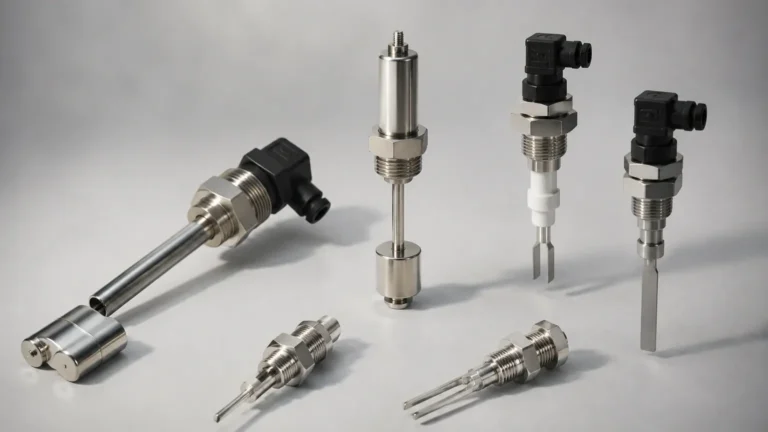
Not all level measurement technologies are suitable for extreme heat. The following principles are most commonly adapted for high temperature level switches:
1. Vibrating Fork (Tuning Fork) Switches
Vibrating fork switches use a piezoelectric crystal to energize a fork-shaped sensor at its natural resonant frequency. When the fork is covered by a liquid or solid, the frequency changes, triggering the switch. For high-temperature versions, manufacturers utilize high-grade piezoelectric elements and extended neck designs to isolate the sensitive electronics from the heat source.
2. Rotary Paddle Switches
Commonly used for bulk solids and powders, rotary paddle switches rely on a low-speed motor that rotates a paddle. When material reaches the paddle, it creates torque that trips a microswitch. In high-temperature applications, these units often feature mechanical heat sinks (cooling fins) and high-temperature bearings to ensure the motor does not overheat.
3. Capacitance and RF Admittance
Capacitance switches measure the change in electrical capacitance between the probe and the tank wall. For high-heat applications, the probes are often insulated with ceramic or high-performance polymers like PEEK or PTFE. RF Admittance is an advanced version of capacitance that uses a driven shield to ignore material build-up, which is common in high-temperature, sticky environments.
4. Conductivity Switches
These are used for conductive liquids. A low-voltage current flows between a probe and the tank wall (or a second probe) when the liquid completes the circuit. Because they have no moving parts, they are robust, provided the insulation material can withstand the process temperature.
Key Evaluation Criteria for Selecting High Temperature Level Switches
Selecting the correct instrument requires a detailed analysis of the process media and the environmental conditions. Engineers should prioritize the following factors:
Thermal Isolation and Cooling Fins
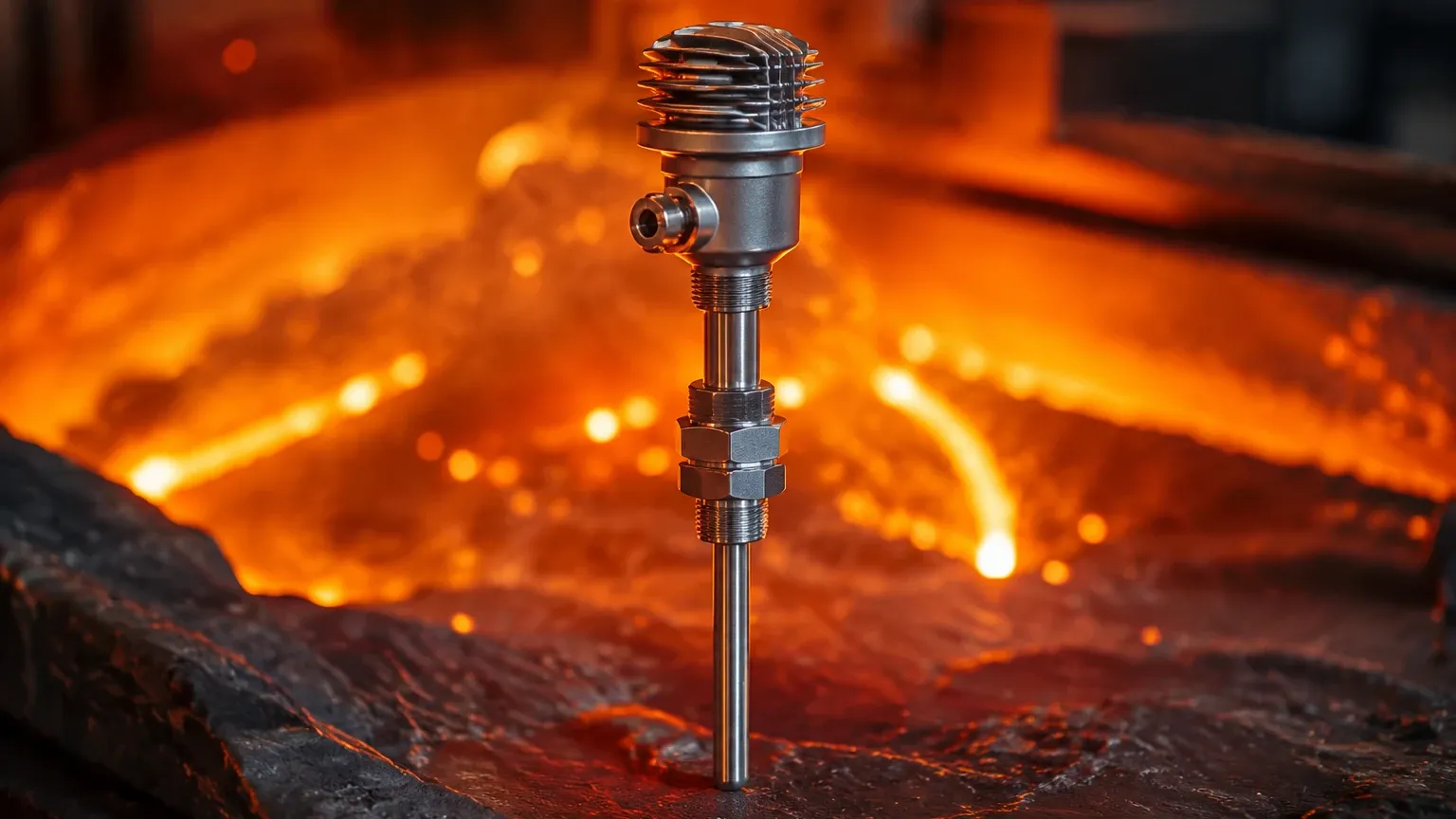
The most common cause of failure in high-temperature sensors is electronic degradation. Look for designs that incorporate an extended neck or cooling fins between the process connection and the electronics housing. This allows heat to dissipate into the ambient air before reaching the circuit boards.
Material Compatibility
At elevated temperatures, chemical reactions accelerate. A material that is corrosion-resistant at 25°C may fail rapidly at 200°C. Common materials for high-temperature probes include:
- 316L Stainless Steel: Standard for most industrial liquids.
- Hastelloy C: Required for highly corrosive acids at high heat.
- Ceramic (Alumina): Used for extreme heat and abrasive solids where polymers would melt.
Pressure Ratings
High temperature is frequently accompanied by high pressure, especially in steam applications. Ensure the process connection (flange or thread) and the sensor body are rated for the combined maximum temperature and pressure (P-T rating) of the vessel.
Practical Selection and Comparison Table
| Technology | Max Temperature (Typical) | Best For | Limitations |
| :— | :— | :— | :— |
| Vibrating Fork | Up to 250°C (482°F) | Low-viscosity liquids, oils | Not for heavy coating materials |
| Rotary Paddle | Up to 400°C (752°F) | Grains, sand, fly ash | Moving parts subject to wear |
| Capacitance | Up to 450°C (842°F) | Liquids, solids, slurries | Requires calibration for dielectric changes |
| RF Admittance | Up to 450°C (842°F) | Sticky or coating materials | Higher initial cost |
| Conductivity | Up to 200°C (392°F) | Water, conductive acids | Only works with conductive liquids |
Critical Installation Considerations and Thermal Management
Proper installation is as important as selecting the right technology. When dealing with high temperature level switches, follow these engineering guidelines:
1. Orientation: For vibrating forks and paddles, horizontal mounting is common, but ensure the unit is angled slightly downward if there is a risk of material build-up. For very high temperatures, vertical mounting from the top of the tank is often preferred to keep the electronics as far from the heat source as possible.
2. Insulation Clearance: If the tank is insulated, do not wrap the insulation around the cooling fins or the electronics housing. The cooling fins must be exposed to ambient air to function effectively.
3. Remote Electronics: In cases of extreme heat or high vibration, consider using a "remote mount" configuration. This involves placing the sensor probe in the tank and connecting it via a high-temperature cable to a control unit located in a cooler, vibration-free area.
4. Seal Selection: Standard O-rings (like Nitrile or Viton) have specific temperature limits. For extreme heat, graphite gaskets or metal-to-metal seals may be required at the process connection.
Identifying Risks and Limitations in Thermal Applications
While high-temperature switches are robust, they are not invincible. Engineers must be aware of the following risks:
* Thermal Shock: Rapid temperature changes (e.g., splashing cold liquid into a hot tank) can crack ceramic insulators or stress metal welds. If thermal shock is expected, look for sensors specifically rated for rapid cycling.
* Dielectric Drift: In capacitance-based switches, the dielectric constant of the material may change as the temperature rises. This can lead to false triggers or a failure to detect the level unless the switch has automatic temperature compensation.
* Condensation: In high-temperature steam environments, condensation can form inside the electronics housing if the seal is compromised. Using a dual-chamber housing or potted electronics can mitigate this risk.
Frequently Asked Questions (FAQ)
Q: How do I know if I need a high-temperature version or a standard level switch?
A: As a rule of thumb, if your process temperature consistently exceeds 80°C (176°F), you should evaluate high-temperature options. Standard electronics are usually rated for a maximum ambient/operating temperature of 70°C to 85°C.
Q: Can these switches be used in hazardous areas (Ex-proof)?
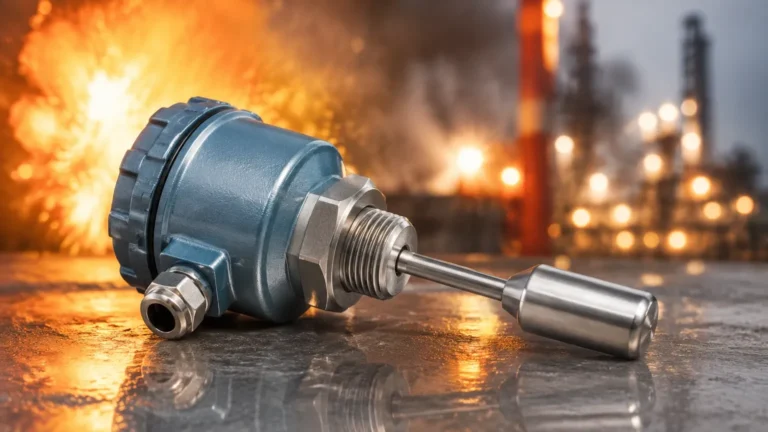
A: Yes. Many high temperature level switches are available with ATEX, IECEx, or UL certifications for explosive atmospheres. However, the temperature class (T-rating) must be carefully checked, as the high process temperature contributes to the surface temperature of the device.
Q: What maintenance is required for high-temperature sensors?
A: Maintenance should focus on inspecting the seals for brittleness and checking for material build-up on the probe. In mechanical systems like rotary paddles, the bearings should be checked periodically for smooth rotation.
Q: Are there limits to how long the probe can be?
A: Yes. For high-temperature applications, longer probes are more susceptible to bending due to thermal expansion or the weight of the material. Support brackets may be needed for probes exceeding 2 meters in length, though the bracket itself must be designed to allow for thermal expansion.
Conclusion
Implementing reliable level control in high-heat environments requires a balance of robust mechanical design and sensitive electronic detection. By understanding the measurement principles and prioritizing thermal management through cooling fins and material selection, operators can ensure the safety and efficiency of their processes. For specific application support or to view a range of industrial-grade Level Switches, consult with a technical specialist who can provide customized solutions tailored to your temperature and pressure requirements.