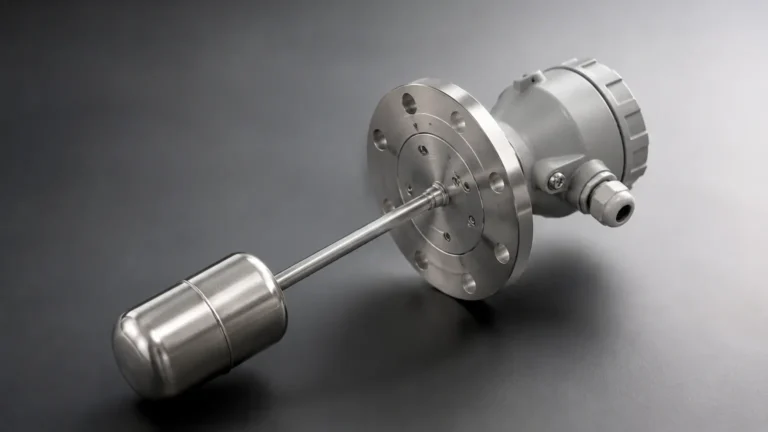
Cleverlevel Level Switches
Cleverlevel Level Switches
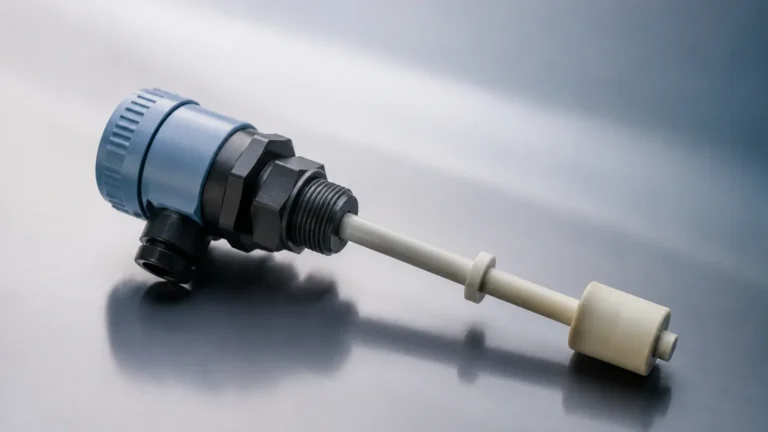
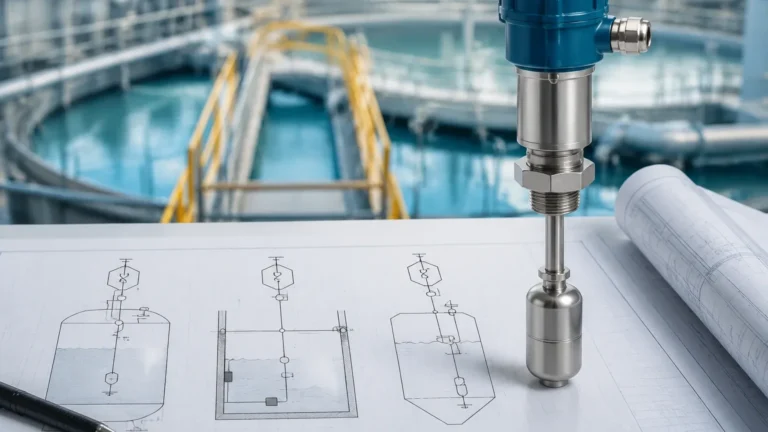
In the landscape of industrial automation, point level detection serves as a critical safeguard for process integrity, preventing tank overfills, protecting pumps from dry running, and ensuring precise phase separation. While traditional technologies like vibrating forks or capacitive sensors have long been the industry standard, the emergence of frequency sweep technology—often categorized under the term cleverlevel level switches—has introduced a more versatile and robust solution for challenging media. These sensors are designed to provide reliable switching across a wide range of liquids, pastes, and solids, regardless of foam, turbulence, or coating build-up.
As a professional manufacturer of industrial level measurement instruments, Welk provides high-performance Level Switches that integrate advanced sensing principles to meet the rigorous demands of water treatment, chemical processing, and food production. Understanding the underlying measurement principles of these devices is essential for engineers tasked with selecting the most cost-effective and reliable instrumentation for their specific applications.
Measurement Principles of Frequency Sweep Technology
At the core of cleverlevel level switches is the frequency sweep principle, which differs significantly from traditional capacitive or ultrasonic methods. Instead of measuring a fixed capacitance or a time-of-flight signal, these sensors emit a high-frequency electromagnetic signal (typically in the range of 100 MHz to 180 MHz) from the sensor tip into the medium.
The Physics of Frequency Deviation
When the sensor tip is in air, it operates at a specific resonant frequency. As the medium comes into contact with the tip, the dielectric constant (Dk) of the material causes a shift in the resonant frequency. The sensor’s internal electronics detect this frequency deviation and compare it against a pre-defined or "taught-in" threshold.
One of the primary advantages of this method is its ability to distinguish between different types of media based on their dielectric properties. For instance, the sensor can be programmed to ignore a layer of foam on top of a liquid or to remain unaffected by a thin coating of oil or paste that may stick to the sensor tip after the tank has been emptied. This "clever" differentiation is what gives the technology its name and makes it a preferred choice for applications where traditional sensors fail due to false triggering.
Why Choose Cleverlevel Level Switches?
Selecting the right point level sensor involves balancing technical performance with operational longevity. Frequency sweep sensors offer several distinct advantages over mechanical and older electronic alternatives.
1. Media Independence and Versatility
Traditional level switches often require recalibration when the process media changes. A capacitive sensor calibrated for water may not function correctly if the tank is filled with oil. In contrast, cleverlevel level switches are designed to be largely media-independent. Once the switching point is set, the sensor can often detect a wide variety of substances—from thin liquids to heavy granulates—without further adjustment.
2. Resistance to Build-up and Foam
In industries such as wastewater treatment or chemical manufacturing, sensors are frequently exposed to sticky substances that leave a residue on the probe. Vibrating forks can become dampened by thick coatings, leading to a permanent "covered" signal. Frequency sweep technology effectively "sees through" this build-up by focusing on the change in the electromagnetic field at the very tip of the sensor, ignoring the static influence of the coating on the sensor body.
3. Hygienic and Robust Design
Because these sensors have no moving parts, they are not subject to mechanical wear or fatigue. Most models are constructed from high-grade stainless steel (316L) with PEEK (Polyether ether ketone) tips, making them suitable for Clean-in-Place (CIP) and Sterilization-in-Place (SIP) cycles. This makes them ideal for the food, beverage, and pharmaceutical sectors where hygiene is paramount.
Technical Selection Criteria
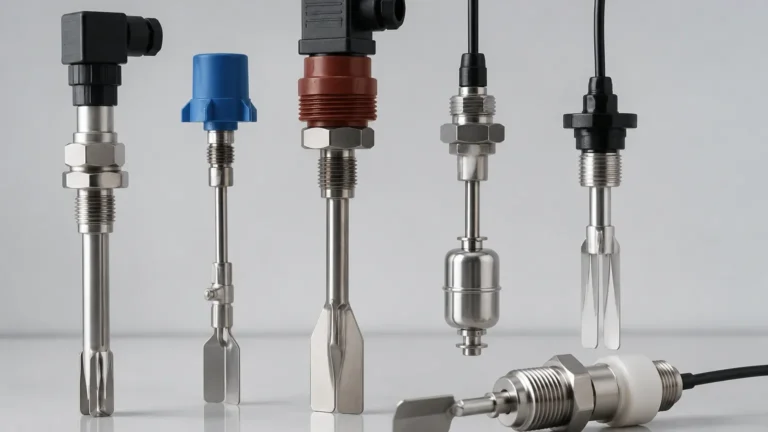
When specifying a level switch for an industrial project, engineers must evaluate several parameters to ensure compatibility with the process environment. The following table provides a comparison between frequency sweep technology and other common point level detection methods.
Comparison Table: Point Level Technologies
| Feature | Frequency Sweep (Cleverlevel) | Vibrating Fork | Capacitive | Float Switch |
| :— | :— | :— | :— | :— |
| Moving Parts | None | Minimal (Vibration) | None | Yes (Mechanical) |
| Foam Detection | Can ignore or detect | May false trigger | Often false triggers | Unreliable |
| Build-up Tolerance | High | Low to Moderate | Moderate | Very Low |
| Media Density | Independent | Density dependent | Independent | Density dependent |
| Maintenance | Very Low | Low | Moderate | High |
| Typical Pressure | Up to 40 bar (4 MPa) | Up to 64 bar (6.4 MPa) | Up to 100 bar (10 MPa) | Up to 20 bar (2 MPa) |
Installation Considerations and Best Practices
Proper installation is critical to the performance of any level switch. While cleverlevel level switches are designed to be forgiving, following engineering best practices will ensure the highest accuracy and longest service life.
Positioning and Orientation
The sensor can typically be mounted in any orientation—top-down, side-mounted, or even at an angle. However, for side-mounted applications, it is recommended to install the sensor with a slight downward tilt (approx. 5 to 10 degrees) to ensure that liquid drains off the tip when the level drops. This further reduces the risk of false signals from residual droplets.
Tank Wall Proximity
Because the sensor generates an electromagnetic field, it should not be installed too close to the tank wall or other internal structures (like agitators or baffles). A minimum clearance of 10 mm to 20 mm from the sensor tip to any metal surface is generally recommended to prevent interference with the frequency signal.
Pipe Installations
In small-diameter pipes, the sensor tip should be positioned so that it does not obstruct the flow but remains fully immersed when the pipe is full. Specialized T-pieces or weld-in sleeves are often used to maintain a flush profile with the inner pipe wall, minimizing turbulence and preventing the accumulation of solids.
Addressing Industrial Challenges
Every industrial environment presents unique challenges. Here is how cleverlevel technology addresses some of the most common issues encountered in the field:
* Turbulent Surfaces: In tanks with high-speed agitators, the liquid surface can be extremely unstable. Frequency sweep sensors utilize internal damping (adjustable via software or teach-in) to filter out the "chatter" caused by waves, providing a stable switching output.
* Phase Separation: In oil-water separators, it is often necessary to detect the interface between two liquids. By setting the frequency threshold between the Dk of oil (approx. 2) and water (approx. 80), a single sensor can accurately identify the transition point.
* Dry Run Protection: For high-value pumps, dry running for even a few minutes can cause catastrophic seal failure. Installing a level switch in the suction line provides a high-speed response to a loss of fluid, allowing the control system to shut down the pump immediately.
Limitations and Operating Boundaries
While highly versatile, cleverlevel level switches are not universal solutions for every possible scenario. Engineers should be aware of the following limitations:
1. Extreme Temperatures: Most standard PEEK-tipped sensors are rated for continuous operation up to 115°C (239°F), with short-term exposure up to 135°C (275°F) for sterilization. For applications involving molten salts or high-pressure steam exceeding these limits, alternative technologies or specialized cooling necks may be required.
2. Low Dielectric Media: Very dry solids or certain non-polar solvents with extremely low dielectric constants (Dk < 1.5) may not provide a sufficient frequency shift for reliable detection. In these cases, high-sensitivity capacitive probes or laser-based sensors might be more appropriate.
3. Abrasive Media: While PEEK is a durable polymer, it can be eroded over time by highly abrasive slurries or large-grain minerals. In such environments, the sensor should be placed in a low-velocity area of the tank or protected by a deflector plate.
Maintenance and Operational Longevity
One of the primary B2B value propositions of frequency sweep level switches is the reduction in Total Cost of Ownership (TCO). Because the device has no moving parts and is resistant to build-up, routine maintenance is virtually eliminated.
However, a periodic functional check is recommended as part of a standard preventive maintenance program. This usually involves:
* Visual Inspection: Checking the sensor tip for signs of physical damage or extreme abrasion.
* Signal Verification: Using the integrated LED status indicator to confirm the switch changes state when the media covers and uncovers the tip.
* Cleaning: In non-CIP applications, a simple wipe-down with a soft cloth and compatible solvent is sufficient to remove any heavy encrustation.
Frequently Asked Questions (FAQs)
Q: Can cleverlevel level switches be used in plastic tanks?
A: Yes. Unlike some capacitive sensors that require a metal tank wall to act as a ground reference, frequency sweep sensors are self-contained. They function equally well in plastic, glass, or metal vessels.
Q: How do I "teach" the sensor a new medium?
A: Most modern switches feature a "teach-in" wire or a magnetic touch point. By placing the sensor in the medium and activating the teach-in function, the sensor automatically calculates the optimal switching threshold for that specific material.
Q: Is the output signal compatible with standard PLC systems?
A: Yes. These switches typically offer PNP or NPN transistor outputs, and many models now include IO-Link compatibility. IO-Link allows for digital parameterization and provides additional diagnostic data, such as the actual dielectric value of the media, to the control system.
Q: Can the sensor distinguish between foam and liquid?
A: Yes. By adjusting the switching threshold, the sensor can be configured to trigger only when it contacts the liquid phase, effectively ignoring the foam layer on top. This is a significant advantage in brewing and chemical mixing applications.
Conclusion
Cleverlevel level switches represent a significant advancement in point level detection technology. By leveraging frequency sweep principles, these devices overcome the traditional hurdles of foam, build-up, and media variability that often plague industrial processes. For plant managers and design engineers, the transition to these "smart" switches translates to fewer false alarms, reduced maintenance downtime, and enhanced process safety.
Welk continues to lead the way in providing robust measurement solutions. Whether you are dealing with wastewater, aggressive chemicals, or food-grade ingredients, our range of Level Switches offers the precision and reliability required for modern industrial automation. When selecting your next level instrument, consider the dielectric properties of your media and the environmental conditions of your process to ensure you choose a sensor that is truly "clever" enough for the task.