Level Switch Mobrey
Level Switch Mobrey
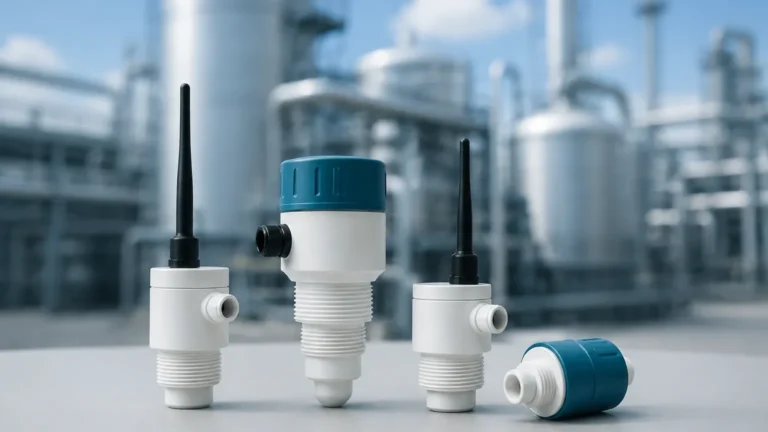
In the landscape of industrial automation and process safety, the term "level switch Mobrey" often refers to a specific legacy of high-reliability magnetic float switches and ultrasonic gap sensors. Originally developed to meet the rigorous demands of the power generation and marine industries, these instruments have become a benchmark for point level detection in pressurized vessels and storage tanks. For engineers and procurement specialists, understanding the operational principles, selection criteria, and maintenance requirements of these switches is essential for ensuring plant safety and operational efficiency.
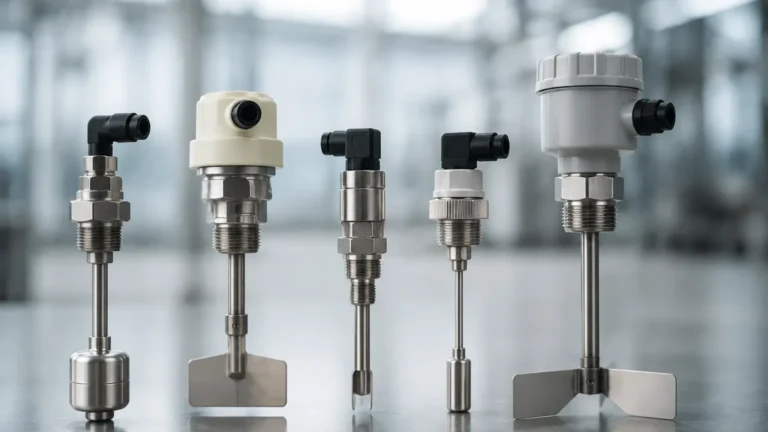
Level switches are fundamental components in any liquid management system. Unlike continuous level transmitters that provide a constant stream of data, a level switch is designed to trigger an action at a specific point—such as stopping a pump to prevent overflow or activating an alarm when a tank is nearly empty. When evaluating options for Level Switches, the magnetic coupling principle utilized by Mobrey-style designs remains one of the most trusted methods for high-pressure and high-temperature applications.
Measurement Principles of Magnetic Level Switches
The enduring popularity of the magnetic level switch lies in its glandless design. In traditional mechanical switches, a physical linkage must pass through the wall of the vessel to actuate a switch, creating a potential leak path. The magnetic float switch eliminates this risk by using magnetic coupling.
The Magnetic Snap-Action Mechanism
As the liquid level rises or falls, a float containing a permanent magnet moves. This float is typically mounted on a horizontal pivot or a vertical rod. When the float reaches a predetermined set point, its internal magnet interacts with a second magnet located inside the switch housing, which is separated from the process by a non-magnetic diaphragm or wall.
The interaction between these two magnets creates a "snap-action." The repulsion or attraction forces the internal switch mechanism to change state (from normally open to normally closed, or vice versa). Because there is no direct mechanical connection between the process fluid and the electrical components, the switch is inherently leak-proof and suitable for hazardous or high-pressure environments.
Ultrasonic Gap Technology
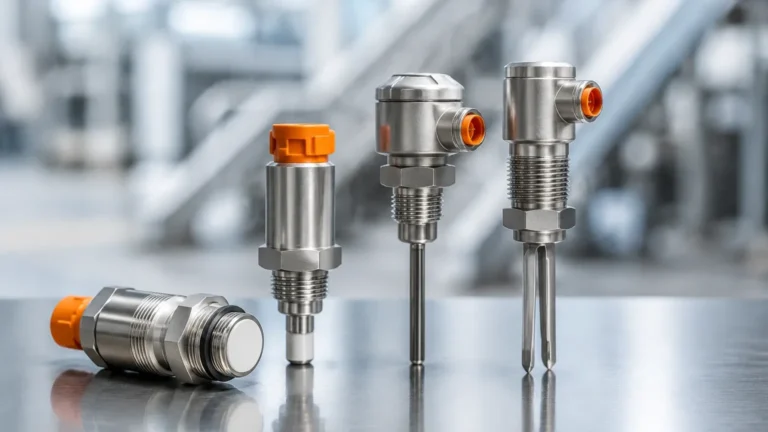
While magnetic floats are the standard for many applications, the Mobrey product line also popularized ultrasonic gap sensors. These switches consist of a sensor head with two crystals separated by a small gap. One crystal transmits an ultrasonic signal, and the other receives it.
When the gap is filled with air or gas, the ultrasonic signal is attenuated and does not reach the receiver. However, when a liquid fills the gap, the signal is transmitted across the space, triggering the switch. This technology is particularly useful for detecting the interface between two liquids or for applications where mechanical floats might be prone to sticking due to high viscosity.
Key Evaluation Criteria for Selection
Selecting the correct level switch requires a detailed analysis of the process conditions. While a "level switch Mobrey" might be the specified requirement, engineers must confirm that the specific model matches the physical and chemical properties of the medium.
1. Fluid Density (Specific Gravity)
For magnetic float switches, the buoyancy of the float is critical. If the liquid density is too low, the float will not rise sufficiently to actuate the switch. Standard floats are often designed for liquids with a specific gravity (SG) of 0.7 or higher, though specialized floats are available for lighter hydrocarbons (SG as low as 0.4).
2. Operating Pressure and Temperature
Magnetic switches are often preferred for high-pressure vessels, such as steam boilers or oil-gas separators. Standard industrial models can typically handle pressures up to 200 bar (approx. 2,900 psi) and temperatures ranging from -50°C to +400°C. It is vital to verify that the flange or thread rating matches the vessel’s design pressure.
3. Material Compatibility
The wetted parts—usually the float, rod, and process connection—must be resistant to corrosion. 316 stainless steel is the industry standard, but for highly aggressive chemicals, materials like Monel, Hastelloy, or various plastic coatings may be required.
4. Mounting Configuration
Level switches can be mounted horizontally through the side of a tank or vertically from the top. Side-mounted switches are excellent for high or low-level alarms where space inside the tank is limited. Top-mounted switches are preferred when the tank cannot be drained for maintenance, as the switch can often be removed without emptying the vessel.
Technical Comparison Table
| Feature | Magnetic Float Switch | Ultrasonic Gap Switch | Vibrating Fork Switch |
| :— | :— | :— | :— |
| Principle | Magnetic Coupling | Signal Attenuation | Frequency Shift |
| Moving Parts | Yes (Float) | No | No (Micro-vibration) |
| Max Pressure | Up to 200 bar | Up to 40 bar | Up to 64 bar |
| Max Temp | Up to 400°C | Up to 150°C | Up to 150°C |
| Viscosity Limit | Moderate | Low to Moderate | High |
| Build-up Risk | High | Moderate | Low |
Installation Considerations and Best Practices
Proper installation is the most significant factor in the longevity of a level switch. Even a high-quality instrument like a Mobrey-style switch can fail if improperly positioned.
* Avoid Turbulence: If the switch is installed near a tank inlet or an agitator, the resulting turbulence can cause the float to bounce, leading to "chatter" in the electrical circuit. In these cases, a stilling well (a perforated pipe) should be installed around the float to stabilize the liquid level.
* Alignment: For horizontal switches, ensure the unit is perfectly level. If the switch is tilted, the internal pivot mechanism may experience uneven wear or fail to actuate at the correct point.
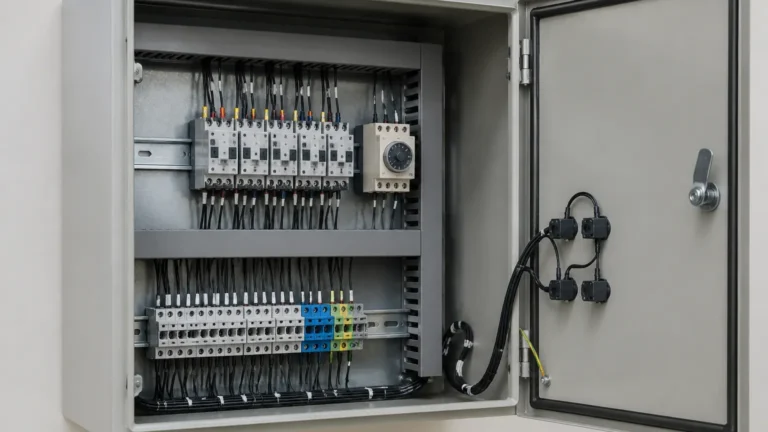
* Wiring and Conduits: Always use the correct cable glands to maintain the IP (Ingress Protection) rating of the switch housing. In hazardous areas, ensure the wiring follows ATEX or IECEx regulations, including the use of intrinsically safe barriers if required.
* Magnetic Interference: Since these switches rely on internal magnets, they should be kept away from large motors or high-voltage cables that generate strong electromagnetic fields, which could potentially interfere with the snap-action mechanism.
Limitations and Common Risks
While highly reliable, magnetic level switches are not universal solutions. Engineers should be aware of the following limitations:
1. Particulate Accumulation: If the process fluid contains magnetic particles (such as iron filings or scale), these particles can adhere to the float's magnet. Over time, this build-up can increase the float's weight or cause it to jam against the chamber wall.
2. Coating and Scaling: In applications involving heavy oils or calcium-rich water, solids can build up on the float or the pivot point. This increases friction and can eventually lead to the switch sticking in one position.
3. Mechanical Fatigue: Because the float and pivot are moving parts, they are subject to wear over millions of cycles. In high-vibration environments, the pivot pin may wear down, necessitating periodic inspection.
4. Hysteresis: Every mechanical switch has a "dead band" or hysteresis—the difference between the point where the switch activates and where it deactivates. This must be accounted for in the control logic to prevent rapid cycling of pumps.
Maintenance Guidance
To ensure the continued reliability of a level switch Mobrey or similar magnetic device, a preventative maintenance schedule should be implemented.
* Visual Inspection: Every 6 to 12 months, inspect the external housing for signs of corrosion or moisture ingress.
* Float Testing: If the process allows, manually lift the float to ensure the switch triggers the expected alarm or control action.
* Cleaning: For fluids prone to scaling, remove the switch and clean the float and pivot mechanism using a compatible solvent or soft brush. Do not use abrasive materials that could scratch the stainless steel surface, as this creates sites for further corrosion.
Frequently Asked Questions (FAQs)
Q: Can a magnetic level switch be used for interface detection?
A: Yes. By weighting the float so that it sinks in the upper (lighter) liquid but floats on the lower (heavier) liquid, the switch can detect the interface between fluids like oil and water.
Q: What is the difference between a "normally open" and "normally closed" contact?
A: "Normally Open" (NO) means the circuit is broken when the switch is in its resting state (e.g., tank empty). "Normally Closed" (NC) means the circuit is complete in the resting state. Most industrial switches provide a Change-Over (SPDT) contact, allowing the user to choose either configuration.
Q: Are these switches suitable for sanitary food and beverage applications?
A: It depends on the model. Standard industrial switches with external pivots are difficult to clean to food-grade standards. However, specialized versions with polished surfaces and tri-clamp fittings are available for hygienic use.
Q: How do I handle high-vibration environments?
A: Use a switch with a high-vibration rating. Some manufacturers offer "vibration-resistant" versions of the snap-action mechanism, or you may need to switch to a non-mechanical technology like a vibrating fork or ultrasonic sensor.
Conclusion
The "level switch Mobrey" remains a cornerstone of industrial level control due to its robust mechanical design and the safety afforded by magnetic coupling. Whether you are managing a high-pressure boiler or a simple water storage tank, selecting the right point level detection technology is a balance of process conditions, material compatibility, and long-term maintenance requirements. By adhering to engineering best practices and understanding the underlying physics of these devices, operators can ensure reliable performance for decades. For those seeking modern alternatives or specialized configurations, exploring the full range of Level Switches is the recommended next step for optimizing process automation.