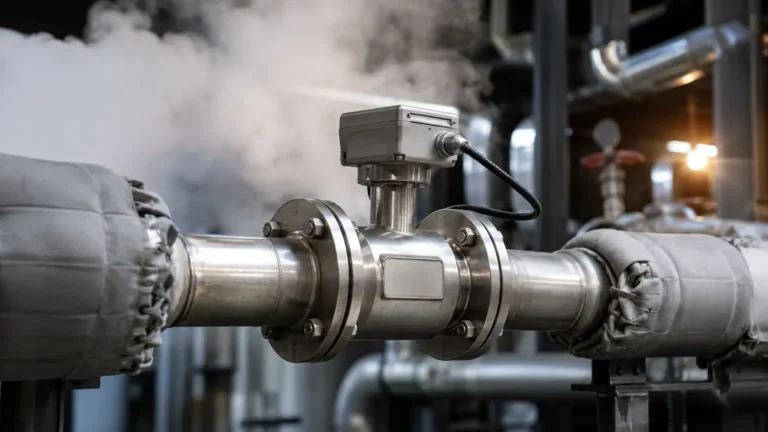
Alkaline Water Electrolyzer
Alkaline Water Electrolyzer
In the rapidly evolving landscape of green hydrogen production, the alkaline water electrolyzer (AWE) remains the most mature and widely deployed technology. As industries transition toward decarbonization, the efficiency and safety of these systems depend heavily on precise process control. Among the various parameters monitored, level measurement in the gas-liquid separators and electrolyte storage tanks is critical. Accurate level data ensures the separation of hydrogen and oxygen gases, prevents pump cavitation, and maintains the optimal concentration of the electrolyte.
This article provides a technical overview of level measurement challenges within an alkaline water electrolyzer system, explains the underlying measurement principles, and offers guidance on selecting the appropriate instrumentation for industrial-scale hydrogen production.
The Role of Level Measurement in Alkaline Water Electrolysis
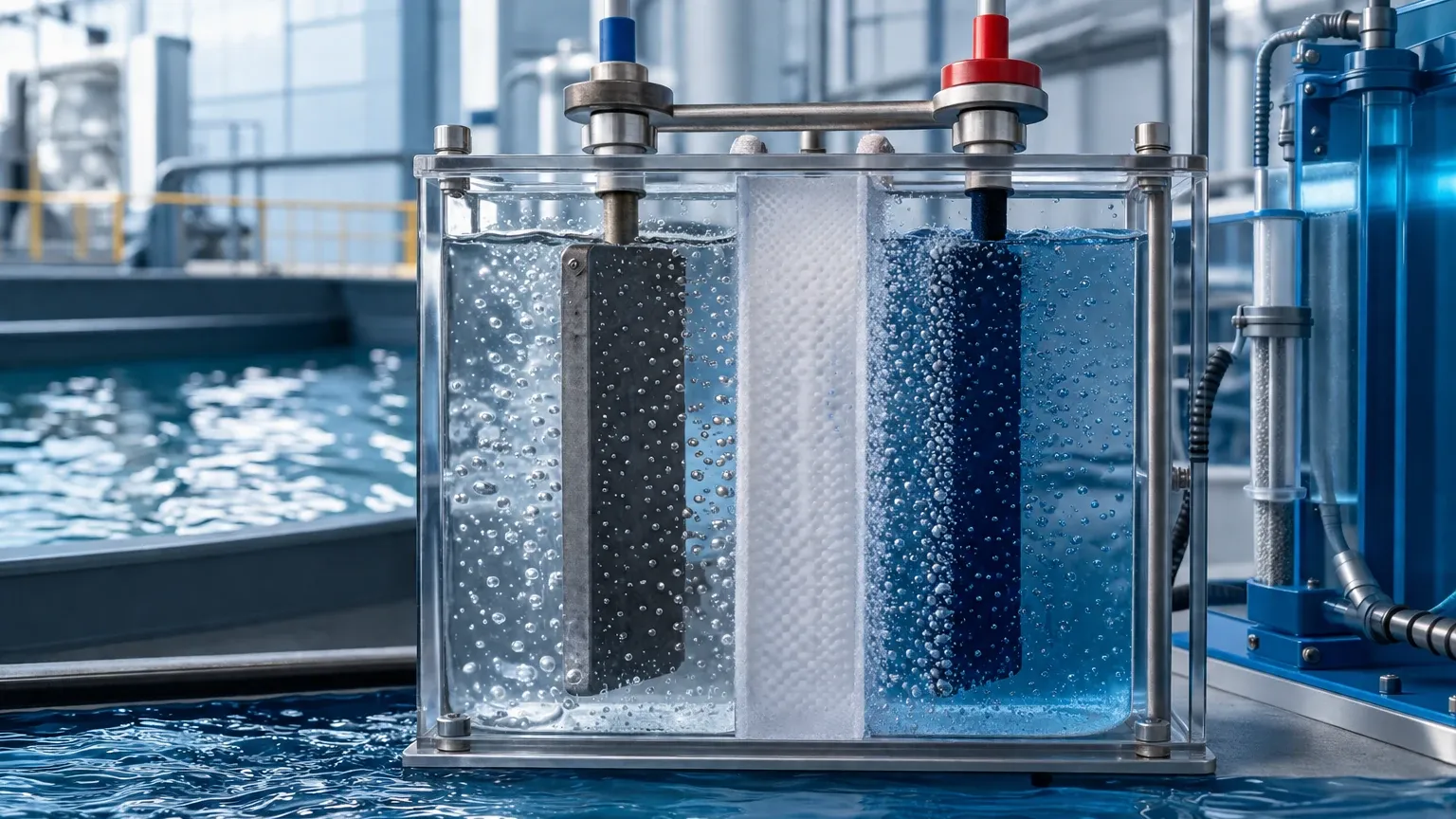
An alkaline water electrolyzer typically utilizes a concentrated potassium hydroxide (KOH) or sodium hydroxide (NaOH) solution as the electrolyte. The process involves two electrodes immersed in the electrolyte, separated by a diaphragm. When a direct current is applied, water is split: hydrogen is produced at the cathode and oxygen at the anode.
These gases, mixed with the liquid electrolyte, are transported to respective gas-liquid separators. In these vessels, the gas is released from the top while the liquid electrolyte is recirculated back to the electrolyzer stack. Maintaining a stable liquid level in these separators is paramount for two reasons:
1. Gas Purity and Safety: If the liquid level drops too low, there is a risk of gas crossover, where hydrogen and oxygen mix, potentially creating an explosive atmosphere.
2. Process Efficiency: If the level is too high, liquid electrolyte may be carried over into the gas treatment stream, leading to equipment fouling and loss of expensive chemicals.
For a broader look at industrial measurement solutions, you may refer to our Main Page.
Measurement Principles for Electrolyzer Applications
Selecting the right technology requires an understanding of how different sensors interact with the harsh environment of an alkaline water electrolyzer.
1. Radar Level Measurement (Non-Contact)
Radar level meters, particularly those operating at high frequencies like 80 GHz, use the Frequency Modulated Continuous Wave (FMCW) principle. The sensor emits a continuous radar signal with a varying frequency. The signal reflects off the surface of the electrolyte and returns to the antenna. The frequency difference between the emitted and received signal is proportional to the distance.
* Advantages: Non-contact measurement means the sensor is not exposed to the corrosive KOH solution. High-frequency radar handles the turbulent surfaces and steam common in separators effectively.
* Considerations: The dielectric constant of the electrolyte must be sufficient for reflection, which is rarely an issue with aqueous KOH solutions.
2. Guided Wave Radar (GWR)
GWR utilizes Time Domain Reflectometry (TDR). A low-energy electromagnetic pulse is guided along a probe (rod or cable) submerged in the medium. When the pulse hits the liquid surface, the change in dielectric constant causes a reflection.
* Advantages: GWR provides a very stable signal even in the presence of foam or narrow tank geometries. It is highly accurate for interface measurement if needed.
* Considerations: The probe material must be highly resistant to corrosion (e.g., PTFE-coated stainless steel).
3. Magnetic Level Gauges (MLG)
This is a visual and mechanical method. A float containing a permanent magnet moves up and down a bypass chamber connected to the separator. Outside the chamber, magnetic flaps or a follower indicate the level. For automated control, a magnetostrictive transmitter can be attached to the outside of the chamber.
* Advantages: Provides a clear visual indication for operators on-site and does not require power for the primary visual display. It is extremely robust under high pressure.
* Considerations: The float must be precisely engineered for the specific gravity of the KOH solution, which changes with temperature and concentration.
4. Hydrostatic Level Transmitters
These sensors measure the pressure exerted by the liquid column. The pressure ($P$) is equal to the height of the liquid ($h$) multiplied by the density ($
ho$) and gravity ($g$).
* Advantages: Simple to install and cost-effective.
* Considerations: In a pressurized alkaline water electrolyzer, a differential pressure (DP) transmitter is required to compensate for the overhead gas pressure. Changes in electrolyte density due to temperature fluctuations can introduce errors if not compensated.
Technical Selection Criteria
When specifying level instruments for an alkaline water electrolyzer, engineers must account for several aggressive process variables.
Material Compatibility
The electrolyte is typically 25% to 30% KOH, which is highly caustic. Standard stainless steel may suffer from stress corrosion cracking over time, especially at elevated temperatures. Preferred materials include:
* 316L Stainless Steel: Often used for housings and non-wetted parts.
* PTFE/PFA/FEP: Used for coatings on probes and diaphragms to provide chemical inertness.
* Nickel Alloys: Sometimes required for extreme concentrations or temperatures.
Pressure and Temperature
Modern alkaline water electrolyzers often operate at high pressures (up to 30-40 bar) to reduce the energy required for subsequent hydrogen compression. Operating temperatures usually range between 60°C and 90°C. Instruments must be rated for these conditions and include appropriate process seals (e.g., FFKM O-rings).
Foam and Turbulence
The gas evolution process naturally creates bubbles and foam. Non-contact radar with advanced signal processing can usually filter out foam interference, but in extreme cases, a stilling well or a bypass chamber is necessary to provide a calm surface for measurement.
Comparison Table: Level Technologies for AWE
| Technology | Accuracy | Chemical Resistance | Pressure Rating | Ideal Use Case |
| :— | :— | :— | :— | :— |
| 80GHz Radar | ±2 mm | Excellent (Non-contact) | Up to 160 bar | Gas-liquid separators with turbulence |
| Guided Wave Radar | ±2 mm | Good (with PTFE coating) | Up to 400 bar | Small tanks or low-dielectric media |
| Magnetic Gauge | ±5 mm | Excellent (Bypass) | Up to 320 bar | Local visual monitoring + remote signal |
| Hydrostatic (DP) | ±0.1% FS | Moderate (Diaphragm) | Varies | Large electrolyte storage tanks |
Installation and Engineering Best Practices
To ensure long-term reliability in an alkaline water electrolyzer environment, follow these installation guidelines:
1. Bypass Chambers: For both GWR and Magnetic Level Gauges, using a bypass chamber (external to the main vessel) isolates the sensor from the main flow turbulence and gas bubbles, leading to a much cleaner signal.
2. Stilling Wells: If using non-contact radar inside a separator, a stilling well can prevent the signal from being scattered by the curved walls of small-diameter vessels or by foam.
3. Nozzle Height: Ensure the nozzle height does not create a "dead zone" for the radar. The sensor should be mounted such that the pulse can clear the nozzle neck completely.
4. Venting: In differential pressure applications, ensure the impulse lines are properly sloped and vented to prevent gas pockets from causing false pressure readings.
5. Redundancy: Given the safety implications of gas crossover in an alkaline water electrolyzer, many systems employ redundant level measurement—for example, a magnetic level gauge for visual backup and a radar transmitter for the PLC/DCS control loop.
Limitations and Challenges
While the technologies mentioned are robust, they are not without limitations.
* Ultrasonic Sensors: These are generally discouraged for the separator vessels in an alkaline water electrolyzer. The high-pressure hydrogen or oxygen environment significantly alters the speed of sound, and the presence of heavy steam can attenuate the signal, leading to total loss of measurement.
* Build-up: KOH can crystallize around nozzles or on probes if the temperature drops or if the solution dries. Periodic inspection or the use of flush-mounted diaphragms can mitigate this.
* Gas Density: At very high pressures, the density of the gas phase increases, which can slightly affect the travel time of radar waves. High-end radar sensors include vapor compensation features to maintain accuracy.
Frequently Asked Questions (FAQ)
Q: Why is 80GHz radar preferred over 26GHz radar for electrolyzers?
A: 80GHz radar has a narrower beam angle, which allows it to avoid internal obstructions like heating coils or baffles and reduces interference from the vessel walls, which is common in the compact separators used in electrolyzer skids.
Q: How often should level sensors in a KOH environment be calibrated?
A: While modern digital sensors have very low drift, it is recommended to verify the calibration annually. For hydrostatic sensors, density changes in the KOH solution should be checked more frequently to ensure the pressure-to-level conversion remains accurate.
Q: Can I use a standard stainless steel float in a magnetic level gauge?
A: While 316L is often acceptable, for long-term durability in hot, concentrated KOH, titanium floats or specialized plastic coatings are often preferred to prevent pitting corrosion.
Q: Does the presence of hydrogen gas affect radar measurement?
A: Hydrogen has a very low dielectric constant and does not significantly reflect or absorb radar waves. However, the high pressure of the gas can slightly change the refractive index of the medium. Most industrial radar sensors can be configured to compensate for this constant.
Conclusion
Effective level control is a cornerstone of safe and efficient alkaline water electrolyzer operation. By understanding the chemical and physical demands of the KOH electrolyte and the high-pressure gas environment, engineers can select instrumentation that minimizes maintenance and maximizes uptime. Whether utilizing the precision of 80GHz radar or the mechanical reliability of magnetic level gauges, the goal remains the same: ensuring the stability of the green hydrogen production process.
For more detailed specifications on level measurement instruments tailored for industrial automation, visit our Main Page.