Edge Tuner Serial Number Lookup
Edge Tuner Serial Number Lookup
In the modern industrial landscape, the precision of level measurement is inseparable from the digital infrastructure that supports it. For engineers and maintenance professionals, managing a fleet of sensors—ranging from radar level meters to hydrostatic transmitters—requires meticulous record-keeping and asset verification. One specific administrative and technical task that often arises during the integration of smart sensors into industrial internet of things (IIoT) frameworks is the edge tuner serial number lookup. This process ensures that the hardware at the "edge" of the network is correctly identified, allowing for accurate calibration, firmware synchronization, and lifecycle management.
At its core, industrial level measurement is about converting physical properties into actionable data. Whether a facility is managing water treatment chemicals or high-temperature oil storage, the reliability of the data depends on the specific configuration of the instrument. Identifying the exact model and revision through a serial number lookup is the first step in ensuring that the "tuning" of the device matches the physical requirements of the application.
Principles of Industrial Level Measurement
Before delving into the technicalities of device identification and tuning, it is essential to understand the underlying physical principles of the instruments produced by manufacturers like Welk. Each technology interacts with the measured medium differently, necessitating specific calibration profiles.
Radar Level Measurement (FMCW and Pulsed)
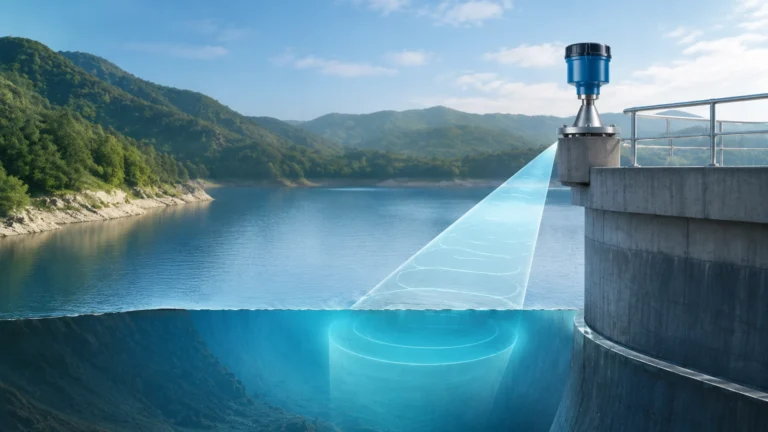
Radar level meters operate on the principle of Time-of-Flight (ToF). The device emits high-frequency electromagnetic waves (typically in the 26GHz or 80GHz range) toward the material surface. These waves are reflected back to the sensor. By measuring the time it takes for the signal to travel to the surface and back, the device calculates the distance.
Modern radar sensors often use Frequency Modulated Continuous Wave (FMCW) technology. Unlike simple pulsed radar, FMCW transmits a continuous signal with a constantly changing frequency. The difference in frequency between the transmitted and received signal is proportional to the distance. This allows for extremely high accuracy (often within ±2mm) and is less susceptible to interference from vapor or dust.
Ultrasonic Level Sensors
Ultrasonic sensors also use the ToF principle but rely on sound waves rather than electromagnetic waves. The sensor emits an ultrasonic pulse that reflects off the liquid or solid surface. Because the speed of sound is influenced by air temperature, these sensors include integrated temperature compensation. They are ideal for non-contact measurement in open channels or atmospheric tanks, particularly in water and wastewater applications.
Hydrostatic Level Transmitters
Hydrostatic measurement is a contact-based method that follows Pascal’s Law. The pressure at the bottom of a liquid column is directly proportional to the height of the liquid and its specific gravity. A submerged pressure transducer measures the "head pressure" of the liquid. This method is highly reliable for deep wells, tanks, and reservoirs where surface turbulence might interfere with non-contact methods.
The Role of Asset Identification: Edge Tuner Serial Number Lookup
In the context of advanced automation, a "tuner" refers to the software or handheld interface used to adjust the sensitivity, damping, and signal processing of a sensor. When these devices are deployed at the "edge" of a process network, they are often managed by centralized configuration suites.
An edge tuner serial number lookup is a vital procedure for several reasons:
1. Firmware Compatibility: Manufacturers frequently release updates to improve signal processing algorithms. A serial number lookup identifies the hardware revision to ensure the correct firmware is applied.
2. Calibration Tracking: For regulated industries, such as chemical processing, every sensor must have a documented calibration history. The serial number is the primary key for these records.
3. Warranty and Support: When seeking technical assistance from a Main Page or support portal, the serial number provides the manufacturer with the exact build specifications of the unit.
4. Digital Twin Integration: In Industry 4.0, the serial number links the physical sensor to its digital twin, allowing for predictive maintenance based on the specific operating hours and stress factors of that individual unit.
Technical Selection Criteria
Choosing the right level measurement technology requires an evaluation of the process environment. The following table provides a comparison of the most common industrial technologies.
| Technology | Typical Media | Measurement Range | Accuracy | Temperature/Pressure Limits |
| :— | :— | :— | :— | :— |
| 80GHz Radar | Liquids, Solids, Corrosives | Up to 120m | ±2mm | High (-40°C to +250°C) |
| Ultrasonic | Water, Wastewater, Slurries | 0.3m to 30m | ±0.25% | Low (Atmospheric pressure) |
| Hydrostatic | Water, Oils, Chemicals | 1m to 200m | ±0.1% | Moderate (Submerged) |
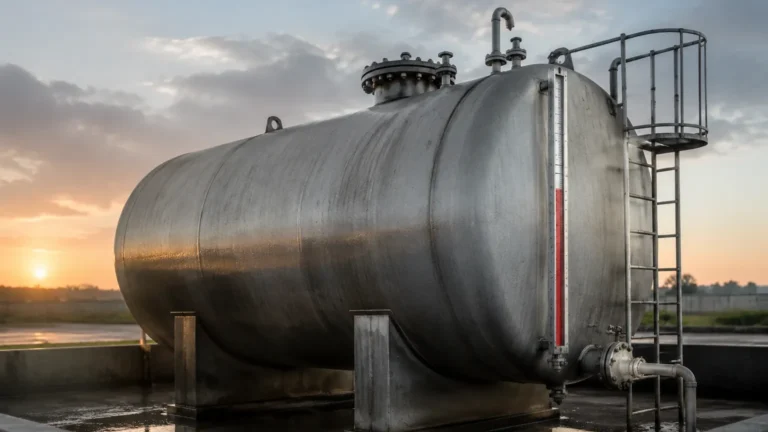
| Magnetic Gauge | Clean Liquids, LPG | Tank height | ±5mm | High (Up to 400°C) |
| Level Switch | Point Level (High/Low) | N/A | ±1mm | Varies by type |
When selecting a device, engineers must consider the dielectric constant (Dk) of the material for radar, the potential for foam or vapor for ultrasonic, and the specific gravity for hydrostatic transmitters.
Installation Considerations and Best Practices
Even the most advanced sensor will fail to provide accurate data if installed incorrectly. Proper installation ensures that the signal "tuning" remains stable over time.
Radar and Ultrasonic Positioning
* Avoid the Center: In cylindrical tanks, do not install the sensor in the exact center, as this can lead to multiple reflections (parabolic effect) that confuse the signal processor.
* Nozzle Geometry: Ensure the nozzle height does not interfere with the signal beam. For 80GHz radar, which has a very narrow beam angle (approx. 3°), nozzle interference is less of a concern than with older 26GHz models.
* Obstructions: Keep the signal path clear of ladders, agitators, or inflow streams. If obstructions are unavoidable, most modern "edge" configuration tools allow for "false echo suppression," where the device is taught to ignore reflections from fixed internal structures.
Hydrostatic Installation
* Venting: The cable of a submersible hydrostatic level transmitter contains a small vent tube. This tube must remain unobstructed to allow the sensor to compensate for changes in atmospheric pressure. Failure to vent properly will result in significant measurement errors.
* Turbulence: In tanks with high agitation, the sensor should be installed inside a stilling well to prevent physical damage and signal noise.
Limitations and Environmental Factors
While industrial level meters are robust, they are not universal. Each has physical limitations:
* Radar Limitations: While radar is unaffected by vacuum or high pressure, materials with a very low dielectric constant (Dk < 1.4), such as certain liquefied gases, reflect very little energy. In these cases, a guided wave radar (GWR) or a high-sensitivity 80GHz unit is required.
* Ultrasonic Limitations: Sound waves require a medium (air or gas) to travel. Therefore, ultrasonic sensors cannot function in a vacuum. Additionally, heavy foam can absorb the sound pulse, leading to a "loss of echo" error.
* Hydrostatic Limitations: These sensors are density-dependent. If the temperature of the liquid changes significantly, the density changes, which will alter the pressure reading even if the level remains constant. Modern systems can compensate for this if a temperature sensor is also present.
Frequently Asked Questions (FAQ)
Q: Where can I find the serial number for an edge tuner serial number lookup?
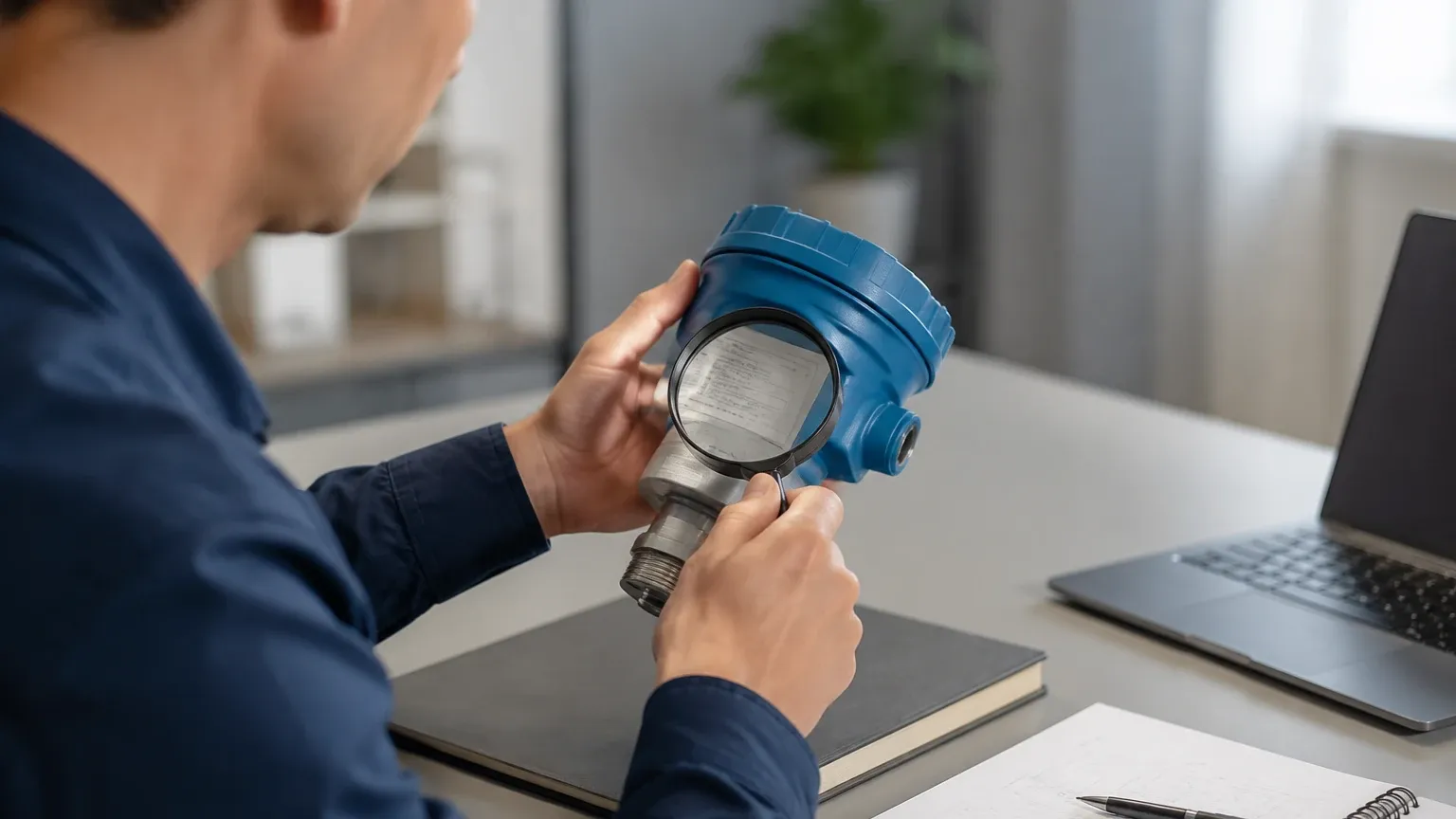
A: On most industrial sensors, the serial number is laser-etched onto the stainless steel nameplate on the housing. It is also often accessible digitally via the HART (Highway Addressable Remote Transducer) protocol or the device’s local display menu under "Diagnostics" or "Device Info."
Q: Can I use one sensor for both liquids and solids?
A: Radar level meters are often versatile enough for both, but the configuration (tuning) must be changed. Solids typically have a lower dielectric constant and an uneven surface, requiring different signal processing algorithms than calm liquids.
Q: How often should I perform a serial number lookup for my fleet?
A: It is recommended to perform a full asset audit annually. This ensures that your maintenance database is up to date with the latest hardware versions and that any discontinued models are identified for future replacement planning.
Q: What happens if the serial number lookup returns no results?
A: This may occur with older legacy equipment or OEM-branded versions of standard sensors. In such cases, contacting the technical support team at Main Page with a photo of the device and its nameplate is the best course of action to identify the specifications.
By understanding the principles of measurement and maintaining rigorous asset identification through processes like the edge tuner serial number lookup, industrial operators can ensure long-term accuracy and safety in their level control applications. Reliable measurement is the foundation of automation, and it begins with knowing exactly which tool is being used for the job.