Vega Lighting
Vega Lighting
In the modern landscape of industrial automation, the ability to ascertain the status of a process at a glance is more than a convenience—it is a safety and efficiency requirement. The term "Vega lighting" typically refers to the integrated visual status indicators found on contemporary level measurement sensors, most notably the 360° light rings used by industry leaders to provide immediate feedback on sensor health and process conditions. For engineers and plant operators, understanding how these lighting systems integrate with core measurement technologies like radar and ultrasonic sensors is essential for optimizing site maintenance and safety protocols.
As industrial facilities move toward more decentralized monitoring, the role of local indication has evolved from simple numerical displays to intuitive, color-coded light signals. This guide explores the principles behind these visual systems, their practical application in level measurement, and how to evaluate them when selecting instrumentation from providers like Welk and other global manufacturers.
The Evolution of Visual Status Indicators in Level Measurement
Historically, checking the status of a level transmitter required a technician to climb a tank and read a small liquid crystal display (LCD) or connect a handheld communicator. While digital displays provide precise data, they are often difficult to read from a distance or in poor weather conditions.
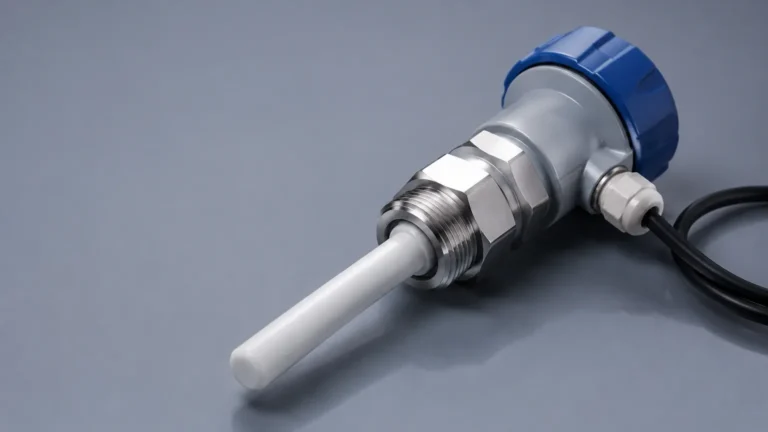
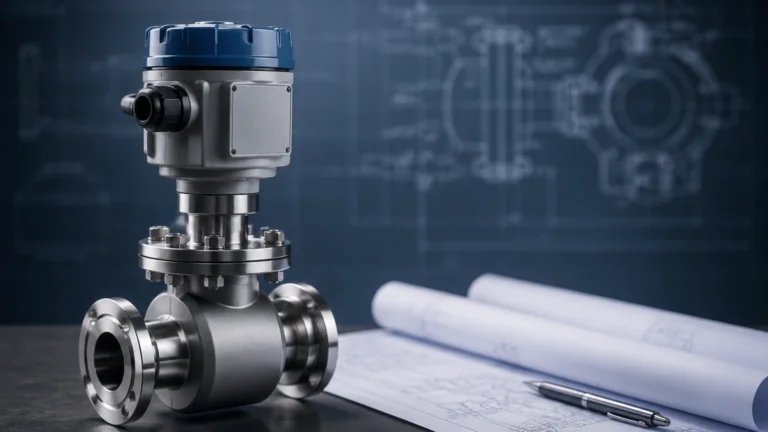
The introduction of high-visibility lighting systems—often referred to in the context of "vega lighting" due to its popularization by specific brands—changed this dynamic. By utilizing high-intensity LEDs arranged in a ring around the sensor head, manufacturers have enabled 360-degree visibility. This allows personnel on the ground to identify whether a sensor is functioning correctly (green), experiencing a process error (yellow), or suffering from a hardware failure (red) without ever leaving the walkway.
For a comprehensive look at how these indicators integrate into a broader range of industrial instruments, you can Review product options and application support on the Welk Main Page.
Measurement Principles and the Role of Local Indication
To understand why lighting is critical, one must first understand the measurement principles of the sensors it supports. Most modern level transmitters use one of the following technologies:
Radar (Time of Flight)
Radar level meters emit high-frequency microwave pulses (typically in the 26 GHz or 80 GHz range). These pulses reflect off the surface of the medium and return to the antenna. The sensor calculates the distance based on the time it takes for the pulse to travel. Because radar is a non-contact technology used in high-pressure or high-temperature environments, the "status" of the signal—such as signal strength or the presence of foam—is vital. The integrated lighting system translates these complex internal diagnostics into simple visual cues.
Ultrasonic Sensors
Ultrasonic sensors use sound waves to measure distance. While effective for water treatment and simple liquid storage, they are sensitive to temperature fluctuations and surface turbulence. Local lighting indicators help operators identify "lost echoes" immediately, which is common in applications with heavy steam or dust.
Hydrostatic and Magnetic Gauges
While hydrostatic transmitters are contact-based and measure pressure at the bottom of a tank, they still benefit from local LED indicators to signal over-pressure or sensor drift. Magnetic level gauges, conversely, provide a mechanical visual, but modern bypass systems often incorporate electronic transmitters with status lighting to bridge the gap between mechanical and digital monitoring.
Evaluating Status Lighting and Visual Feedback Systems
When evaluating "vega lighting" or similar LED ring systems, engineers must look beyond the aesthetic appeal. The functionality is typically governed by international standards, such as NAMUR NE 107, which categorizes diagnostic signals into four states:
1. Normal Operation (Green): The device is measuring correctly and signal quality is high.
2. Maintenance Required (Blue): The device is still functional, but a condition exists that may lead to failure (e.g., build-up on the antenna).
3. Out of Specification (Yellow): The device is operating outside its technical limits (e.g., temperature too high).
4. Failure (Red): A critical error has occurred, and the measurement is no longer valid.
Comparison of Local Indication Types
| Feature | LCD Display | Standard LED Indicator | 360° Light Ring (Vega Lighting) |
| :— | :— | :— | :— |
| Visibility Distance | < 2 meters | 5–10 meters | Up to 50 meters |
| Viewing Angle | Narrow (Direct) | Frontal only | 360° (All directions) |
| Information Density | High (Numbers/Text) | Low (Blinking patterns) | Medium (Color-coded status) |
| Ambient Light Performance | Poor in direct sun | Moderate | High (High-intensity LEDs) |
| Power Consumption | Very Low | Low | Moderate (Adjustable) |
Selection Criteria for Level Sensors with Integrated Lighting
Selecting the right sensor involves balancing the measurement technology with the environmental needs of the site. When considering a sensor with integrated status lighting, keep the following criteria in mind:
1. Environmental Conditions
If the sensor is installed outdoors in direct sunlight, the "vega lighting" system must have sufficient luminosity to be visible during the day. Conversely, for indoor or nighttime operations, the ability to dim the LEDs is important to prevent glare. Many Welk sensors allow for adjustable brightness via Bluetooth configuration.
2. Power Supply Constraints
Most industrial level meters are loop-powered (4-20mA). High-intensity LEDs require power. It is essential to confirm that the lighting system does not compromise the 4-20mA signal or exceed the power budget of the control loop, especially in long-cable runs.
3. Hazardous Area Certifications
In oil and gas or chemical applications, the lighting system must be encapsulated or intrinsically safe. Ensure that the LED ring assembly meets ATEX, IECEx, or local equivalent standards for the specific zone (Zone 0, 1, or 2).
4. Configuration Flexibility
Can the colors be customized? While NAMUR standards are common, some plants use specific color codes for different processes. The ability to change the light ring's behavior via an app or software is a significant advantage.

Installation and Maintenance Considerations
Proper installation ensures that the visual benefits of the lighting system are fully realized.
* Orientation: While the light ring provides 360° visibility, the sensor head should be oriented so that the cable glands do not obstruct the primary line of sight from the operator's walkway.
* Mounting Height: For tall silos (e.g., 30 meters), a light ring is significantly more effective than an LCD. However, at extreme heights, the angle of the light becomes sharper. Ensure the LED intensity is set to its maximum for high-altitude installations.
* Cleaning: Dust and chemical residue can coat the translucent cover of the light ring. Regular wiping during routine maintenance cycles is necessary to maintain visibility. In harsh chemical environments, ensure the cover material (usually polycarbonate or glass) is compatible with the cleaning agents used.
Limitations and Practical Challenges
While highly effective, "vega lighting" and similar visual systems have limitations:
* Color Blindness: Approximately 8% of men have some form of color vision deficiency. Relying solely on color can be a risk. It is best practice to combine color-coded lighting with digital monitoring in the control room.
* False Security: A green light indicates the sensor *thinks* it is working correctly. It does not replace the need for periodic calibration or manual verification (dip-tape) in critical safety applications.
* Ambient Light Interference: In extremely bright environments or where there are many flashing safety lights, a static green or yellow light may be overlooked. Some systems use pulsing patterns for higher-priority alerts to combat this.
Frequently Asked Questions (FAQs)
Q: Can the light ring be turned off to save power?
A: Yes, most modern sensors allow the user to disable the lighting via the configuration menu if power consumption is a primary concern or if the visual indicator is not needed in a specific location.
Q: Does the lighting affect the accuracy of the radar measurement?
A: No. The electronic components for the LED ring are shielded and separated from the high-frequency microwave circuitry to ensure there is no electromagnetic interference with the measurement signal.
Q: What happens if one of the LEDs in the ring fails?
A: Most high-quality rings use parallel circuitry. If a single LED fails, the rest of the ring typically remains illuminated. However, a hardware fault in the lighting controller would usually trigger a secondary diagnostic error sent to the PLC.
Q: Are these lights visible in foggy or dusty conditions?
A: LEDs have better penetration through fog than standard incandescent bulbs, but heavy dust accumulation on the sensor housing will eventually obscure the light. Regular cleaning is recommended in such environments.
Conclusion
Visual status indicators like "vega lighting" represent a significant step forward in human-machine interface (HMI) design for the process industry. By translating complex diagnostic data into an immediate, 360-degree visual signal, these systems enhance site safety and reduce the time required for troubleshooting. When selecting level measurement instrumentation, engineers should prioritize sensors that combine robust measurement principles—such as 80 GHz radar—with clear, standard-compliant visual feedback. For more information on selecting the right level measurement technology for your specific application, visit the Welk Main Page.