Pmp43
Pmp43
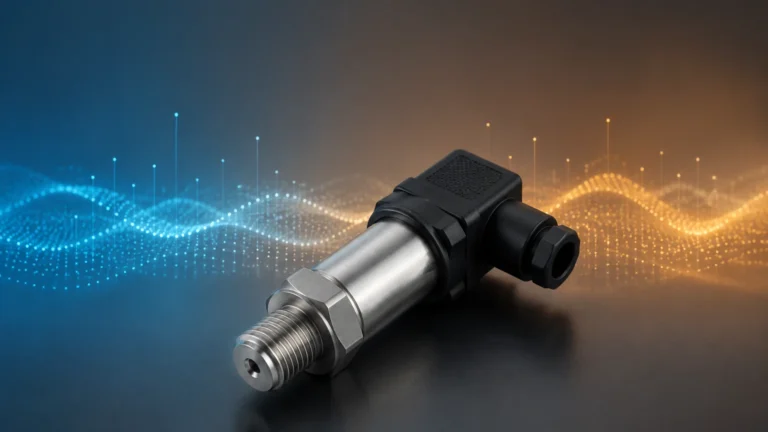
In the landscape of industrial process control, the PMP43 represents a specific class of pressure transmitters designed for both absolute and gauge pressure measurement. While often categorized simply as a pressure sensor, its primary utility in many B2B industrial environments is hydrostatic level measurement. For engineers and facility managers, understanding the nuances of the PMP43—from its internal sensor architecture to its installation requirements—is essential for ensuring long-term accuracy and system reliability.
As a compact and robust instrument, the PMP43 is frequently deployed in applications ranging from water treatment and chemical processing to food and beverage production. This guide provides a technical deep dive into the operational principles, selection criteria, and practical considerations for integrating this technology into modern industrial systems. For those evaluating a broader range of instrumentation, including radar and ultrasonic alternatives, visiting the Main Page provides a comprehensive overview of available technologies.
The Physics of Hydrostatic Level Measurement
Before selecting or installing a PMP43, it is vital to understand the underlying measurement principle it utilizes: hydrostatic pressure. The PMP43 measures the pressure exerted by a column of liquid at a specific depth. This pressure is directly proportional to the height of the liquid above the sensor, the density of the fluid, and the force of gravity.
The Fundamental Equation
The relationship is defined by the formula:
P = ρ × g × h
Where:
* P is the hydrostatic pressure (measured in Pascals or bar).
* ρ (rho) is the density of the liquid (kg/m³).
* g is the acceleration due to gravity (approximately 9.81 m/s²).
* h is the height of the liquid column (meters).
In a typical industrial tank, the PMP43 is mounted at the bottom or at a known reference point. As the liquid level rises, the pressure on the sensor's diaphragm increases. The transmitter then converts this mechanical pressure into an electrical signal, usually a 4-20mA analog output or a digital protocol like HART.
Gauge vs. Absolute Pressure
The PMP43 is available in different configurations to account for atmospheric conditions:
1. Gauge Pressure: The sensor is vented to the atmosphere, meaning it measures the pressure of the liquid minus the ambient atmospheric pressure. This is the standard for open-top tanks.
2. Absolute Pressure: The sensor measures pressure relative to a perfect vacuum. This is typically used in specialized vacuum processes or closed systems where atmospheric fluctuations must be isolated.
Technical Specifications and Sensor Architecture
The PMP43 is characterized by its compact design and the use of a metallic diaphragm. Unlike ceramic sensors, which are highly resistant to abrasion but can be brittle, the metallic diaphragm of the PMP43 offers excellent flexibility and resistance to pressure spikes (overpressure).
Materials of Construction
For B2B applications, material compatibility is non-negotiable. The PMP43 typically features:
* Diaphragm: 316L Stainless Steel or Alloy C (Hastelloy) for corrosive environments.
* Process Connection: Threaded (e.g., G1/2", NPT) or flanged connections, often made from 316L stainless steel.
* Housing: Robust stainless steel or high-grade plastic, depending on the environmental protection rating (e.g., IP65 to IP68).
Performance Metrics
* Accuracy: Most PMP43 units offer a standard accuracy of ±0.5% or a high-precision option of ±0.2% of the set span.
* Long-term Stability: High-quality transmitters are designed to drift less than 0.1% per year, reducing the frequency of required re-calibrations.
* Temperature Range: Typically rated for process temperatures between -40°C and +100°C (-40°F to 212°F), though specialized cooling fins can extend this range.
Selection Criteria for Industrial Applications
Choosing the PMP43 over other level measurement technologies, such as ultrasonic or radar, depends on the specific constraints of the process. The following table highlights where the PMP43 fits within a broader instrumentation strategy.
Comparison Table: Level Measurement Technologies
| Feature | PMP43 (Hydrostatic) | Ultrasonic (Non-contact) | Radar (Non-contact) |
| :— | :— | :— | :— |
| Measurement Principle | Pressure at bottom | Sound wave reflection | Microwave reflection |
| Contact with Media | Yes (Diaphragm) | No | No |
| Effect of Foam | Negligible | Significant interference | Minimal interference |
| Effect of Density | High (Requires constant ρ) | None | None |
| Installation Complexity | Low (Side/Bottom mount) | Moderate (Top mount) | Moderate to High |
| Cost Profile | Economical | Mid-range | High-end |
| Ideal Application | Clean liquids, water tanks | Wastewater, solids | Corrosive chemicals, high temp |
When to Choose PMP43
The PMP43 is the preferred choice when the liquid density is constant and the budget requires a cost-effective yet precise solution. It is particularly effective in deep wells or tall, narrow tanks where top-down non-contact sensors might struggle with signal interference from internal structures like agitators or baffles.
Installation and Mounting Guidelines
Proper installation is the single most important factor in ensuring the accuracy of a PMP43 transmitter. Because it relies on pressure, any mechanical stress or environmental interference can lead to false readings.
Position and Orientation
1. Avoid Turbulence: Do not install the sensor near an inlet pipe where the force of incoming liquid can create localized pressure fluctuations (dynamic pressure). If the tank has an agitator, the sensor should be mounted in a stilling well or a shielded area.
2. Mounting Height: The sensor should be placed as low as possible to measure the full range of the tank. However, it should be high enough to avoid being buried in sediment or sludge that might accumulate at the very bottom.
3. Sealing: Ensure that the threads or flanges are sealed with compatible materials (e.g., PTFE tape or Viton O-rings) to prevent leaks, which would result in a pressure drop and an under-reading of the level.
Electrical and Venting Considerations
For gauge pressure versions of the PMP43, the cable or the housing usually includes a small vent tube. This tube allows the sensor to "breathe" and compensate for changes in barometric pressure. It is critical that this vent tube is not kinked, blocked, or exposed to moisture. If moisture enters the vent tube, it can cause internal corrosion or lead to significant measurement errors due to air-lock.

Operational Limitations and Risks
While the PMP43 is a versatile tool, it is not a universal solution. Engineers must account for the following limitations:
* Density Sensitivity: Since the measurement is based on pressure, any change in the liquid's density (caused by temperature changes or concentration shifts) will result in a level error. For example, if a liquid expands as it heats up (becoming less dense), the PMP43 will report a lower level even if the actual volume remains the same.
* Clogging and Coating: In applications involving viscous fluids or liquids that crystallize, the diaphragm can become coated. This adds mass to the diaphragm or prevents it from moving freely, leading to sluggish response times or "frozen" readings.
* Mechanical Damage: The metallic diaphragm is thin and sensitive. Cleaning the sensor with a sharp object or using high-pressure spray directly against the diaphragm can cause permanent deformation, ruining the calibration.
Maintenance and Calibration Protocols
To maintain the integrity of a B2B process, the PMP43 should be included in a regular maintenance schedule.
1. Zero-Point Check: Periodically empty the tank to verify that the transmitter reads zero (or 4mA). Atmospheric pressure changes or sensor drift can shift the zero point over time.
2. Visual Inspection: Check the diaphragm for signs of pitting, corrosion, or buildup. For hygienic applications, ensure the seals are intact and meet sanitary standards.
3. Loop Testing: Verify that the 4-20mA signal matches the reading on the PLC or SCADA system. This ensures that the wiring and signal conditioning components are functioning correctly.
Frequently Asked Questions (FAQ)
Q: Can the PMP43 be used in pressurized tanks?
A: A single PMP43 is generally intended for tanks vented to the atmosphere. For pressurized tanks, a differential pressure (DP) system using two sensors or a specialized DP transmitter is required to subtract the headspace pressure from the total bottom pressure.
Q: What is the maximum depth a PMP43 can measure?
A: This depends on the pressure range of the specific model. Standard units can handle ranges from 100 mbar (approx. 1 meter of water) up to 40 bar (approx. 400 meters of water). Always select a sensor range that closely matches your maximum level for the best resolution.
Q: Is the PMP43 suitable for food and beverage applications?
A: Yes, provided the unit is ordered with a hygienic process connection (like a Tri-Clamp) and features FDA-compliant filling oils and seals.
Conclusion
The PMP43 is a foundational component in industrial level measurement, offering a balance of simplicity, durability, and cost-efficiency. By understanding the hydrostatic principle and adhering to strict installation guidelines, industrial operators can achieve highly reliable data for their process automation needs.
When the requirements of a project extend beyond hydrostatic measurement—such as the need for non-contact sensing in volatile or high-solids environments—it is important to consult a wider array of technical resources. For detailed specifications on radar, ultrasonic, and other advanced level measurement solutions, please refer to the Main Page to explore our full range of industrial instrumentation.