E&h Level Switches
E&h Level Switches
In industrial process automation, point level detection serves as a critical safeguard for overfill prevention, dry-run protection for pumps, and basic inventory management. Among the most recognized names in this field are E&H level switches, which utilize a variety of physical principles to detect the presence or absence of liquids and bulk solids. Understanding the underlying technology of these instruments is essential for engineers and plant operators to ensure process safety and reliability.
Point level switches differ from continuous level transmitters in that they do not provide a 4-20mA or digital signal representing the exact level height. Instead, they provide a binary output (on/off) when the medium reaches a specific installation point. This article explores the measurement principles, selection criteria, and installation requirements for these essential industrial components.
Understanding Point Level Detection Principles
Before selecting a specific model of E&H level switches, it is vital to understand the physics governing different sensor types. The choice of technology depends heavily on the physical properties of the medium, such as density, conductivity, and dielectric constant.
Vibronic (Tuning Fork) Technology
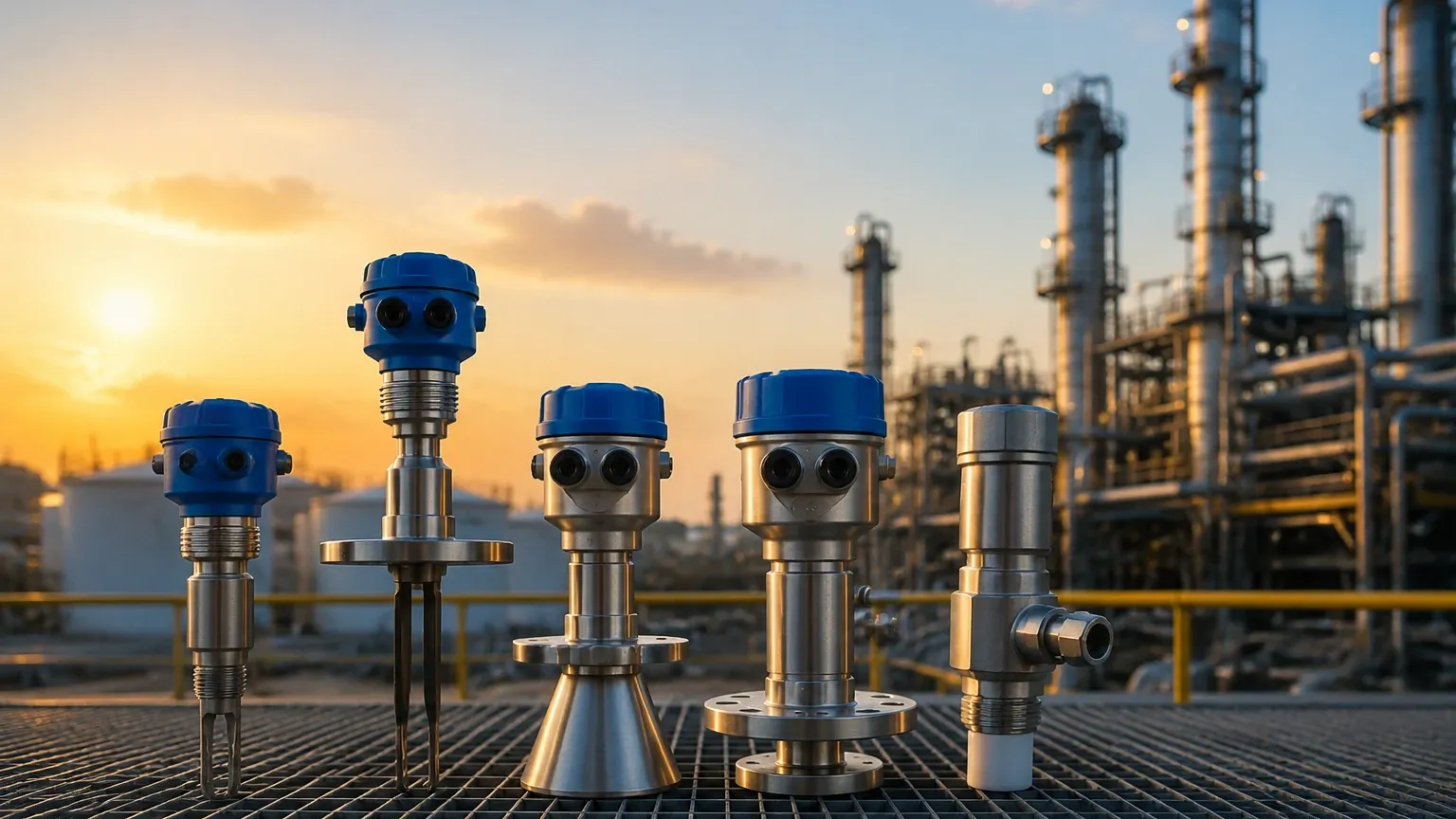
The vibronic principle, pioneered by Endress+Hauser with the Liquiphant and Soliphant series, is one of the most versatile methods for level detection.
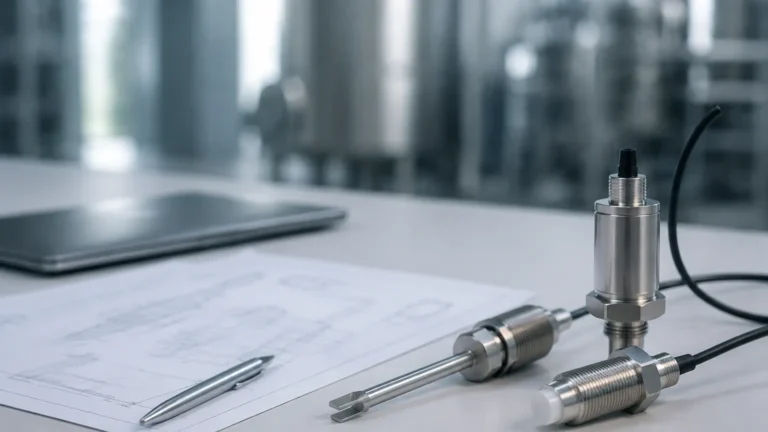
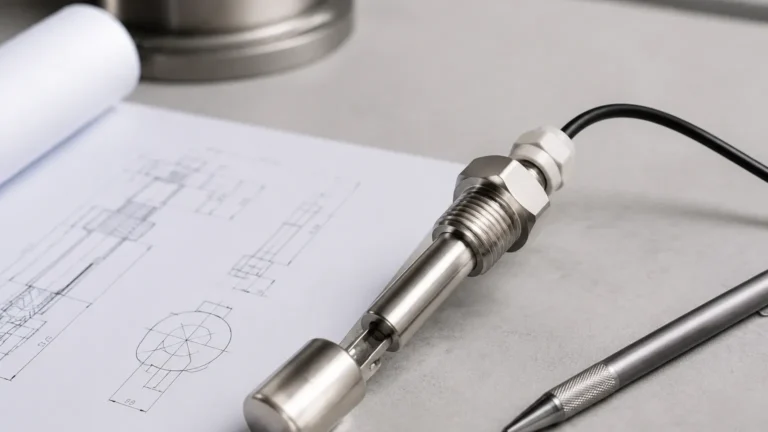
* How it works: A tuning fork is excited to its resonant frequency by a piezoelectric drive. When the fork is immersed in a liquid or covered by solids, the frequency of vibration changes. This frequency shift is detected by the electronics and converted into a switching signal.
* Advantages: It is largely unaffected by the medium's physical properties like conductivity, dielectric constant, pressure, or temperature. It is also resistant to turbulence and air bubbles.
* Limitations: Extreme build-up on the fork tines can eventually lead to false switching, although many modern vibronic switches include build-up detection algorithms.
Capacitance Level Detection
Capacitance switches, such as the Liquicap or Liquipoint series, treat the sensor probe and the tank wall as two electrodes of a capacitor.
* How it works: As the level rises and covers the probe, the capacitance increases because the medium has a higher dielectric constant than air. The electronics measure this change against a calibrated setpoint.
* Advantages: Excellent for high-temperature and high-pressure applications. They are often used in aggressive chemicals where non-metallic probes are required.
* Limitations: They require a stable dielectric constant and are sensitive to heavy coating or build-up if the probe does not have an active shield (guard) section.
Conductive Level Switches
Conductive switches are the simplest and most cost-effective solution for conductive liquids like water, acids, and alkalis.
* How it works: A low-voltage AC current is applied between two electrodes (or one electrode and a metallic tank wall). When the liquid touches the electrodes, the electrical circuit is completed.
* Advantages: No moving parts and very easy to install.
* Limitations: Only works with conductive liquids (typically > 10 µS/cm). They cannot be used for oils, hydrocarbons, or pure water.
Technical Specifications and Selection Criteria
Selecting the right Level Switches requires a detailed review of the process environment. The following table provides a general guideline for technology selection based on common industrial parameters.
| Technology | Medium State | Density Requirement | Viscosity Limit | Typical Pressure Range |
| :— | :— | :— | :— | :— |
| Vibronic (Liquid) | Liquids | > 0.5 g/cm³ | Up to 10,000 mm²/s | Vacuum to 64 bar (928 psi) |
| Vibronic (Solids) | Powders/Grains | > 10 g/l | N/A | Up to 25 bar (362 psi) |
| Capacitance | Liquid/Solid | N/A | Medium | Vacuum to 100+ bar |
| Conductive | Conductive Liquid | N/A | Low | Up to 10 bar (145 psi) |
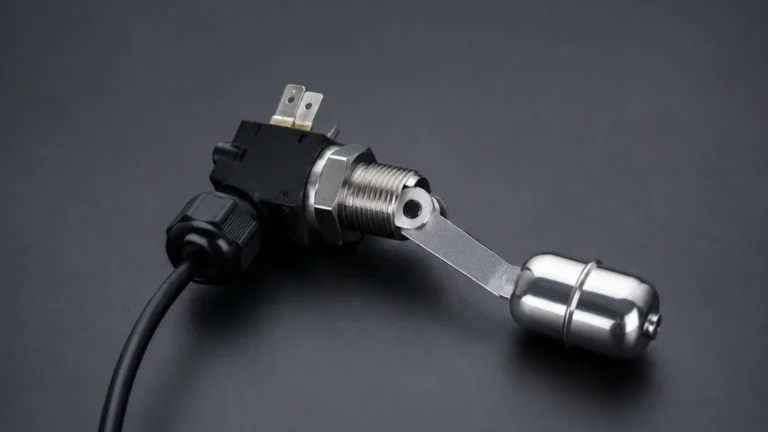
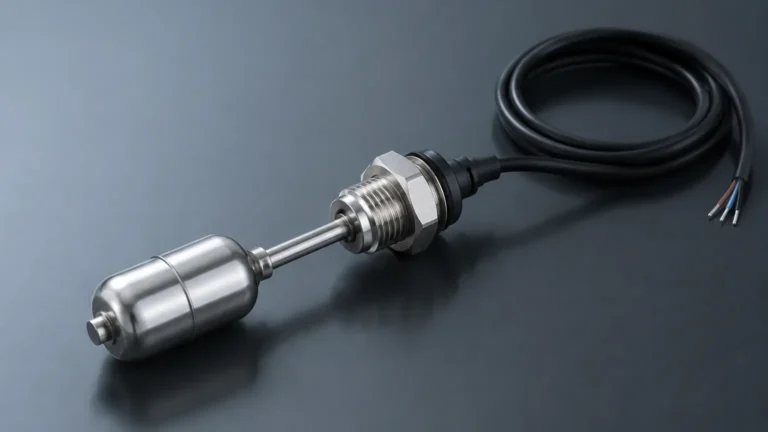
| Float Switch | Clean Liquids | > 0.7 g/cm³ | Low | Up to 40 bar (580 psi) |
Media Properties
When evaluating E&H level switches, the first consideration is whether the medium is a liquid or a bulk solid. For liquids, viscosity and the presence of foam are critical. Vibronic switches are generally excellent at ignoring foam, whereas capacitance switches might trigger if the foam has high moisture content. For solids, grain size and bulk density determine if a tuning fork or a capacitance probe is more appropriate.
Process Conditions
Temperature and pressure ratings are non-negotiable. Standard industrial switches often handle up to 150°C (302°F), but specialized high-temperature versions can extend to 280°C (536°F) or higher. Similarly, for hazardous areas, sensors must carry ATEX, IECEx, or CSA certifications for explosive gas or dust atmospheres.
Industrial Applications of E&H Level Switches
Water and Wastewater Treatment
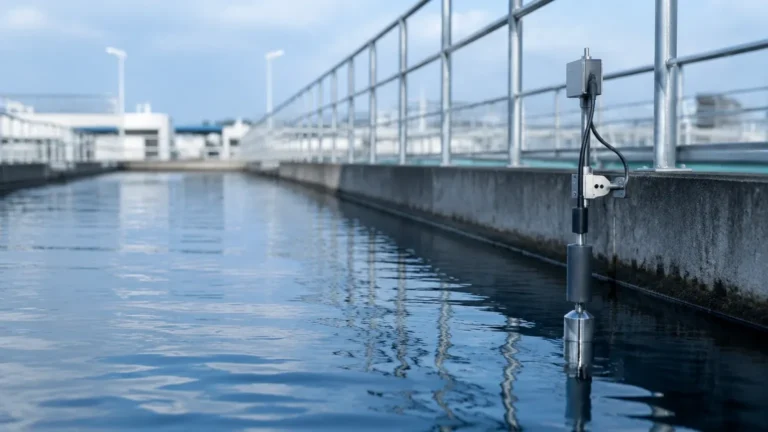
In water treatment plants, conductive and vibronic switches are used to control pumps in sumps and to prevent chemical storage tanks from overflowing. Because these applications often involve corrosive chemicals like sodium hypochlorite, plastic-coated probes or high-grade stainless steel (316L) are standard.
Chemical and Petrochemical
Safety Integrity Level (SIL) ratings are paramount here. Many E&H level switches are designed according to IEC 61508 for use in SIL2 and SIL3 safety instrumented systems. They are used for high-level alarms in fuel storage tanks and to protect reactors from over-pressurization due to overfilling.
Food and Beverage
Hygiene is the primary driver in food processing. Switches used here must feature hygienic process connections (like Tri-Clamp or Varivent), polished surfaces (Ra < 0.76 µm), and compliance with EHEDG or 3-A standards. The Liquiphant series is widely used for detecting the presence of cleaning agents in CIP (Clean-in-Place) cycles.
Installation and Maintenance Guidelines
Proper installation is the most significant factor in the long-term reliability of a level switch. Even the highest quality E&H level switches can fail if improperly positioned.
1. Orientation: For liquids, vibronic switches can be installed horizontally or vertically. For solids, a side-mounted (horizontal) installation is common, but the probe should be protected by a baffle plate if it is located directly under the material inflow to prevent mechanical damage.
2. Nozzle Length: The active part of the sensor (the tuning fork or the capacitance probe) must extend fully into the vessel. If the sensor is retracted inside a long mounting nozzle, material can bridge or build up, leading to false readings.
3. Avoid Turbulence: Do not install switches near agitators or directly in the path of the filling stream. If turbulence is unavoidable, a stilling well or a protective shield should be used.
4. Grounding: For capacitance switches, a proper electrical ground to the tank wall is essential. In non-metallic tanks, a dual-probe sensor or a grounding strip must be utilized.
Maintenance and Proof Testing
While many modern electronic level switches are virtually maintenance-free, safety-critical applications require periodic "proof testing." This involves manually triggering the switch (either by raising the liquid level or using a test button/magnet) to ensure the entire loop, including the output relay and alarm, is functioning correctly.
Limitations and Troubleshooting
Despite their robustness, E&H level switches face specific limitations:
* Heavy Build-up: While tuning forks can tolerate some coating, extremely viscous or sticky media that "bridges" the tines will cause a permanent "covered" signal.
* Dielectric Shifts: Capacitance switches may require recalibration if the process fluid is changed to one with a significantly different dielectric constant.
* Mechanical Wear: In abrasive solid applications (like sand or gravel), the sensor elements can erode over time, eventually leading to failure.
If a switch fails to trigger, the first step is to check the power supply and wiring. For vibronic switches, inspect the fork for physical damage or significant material accumulation. For capacitance units, ensure the probe insulation is intact and the grounding is secure.
Frequently Asked Questions (FAQ)
Q: Can E&H level switches detect the interface between two liquids?
A: Yes, specific capacitance-based switches can be calibrated to detect the interface between a conductive liquid (like water) and a non-conductive liquid (like oil), provided there is a sufficient difference in their dielectric constants.
Q: What is the difference between a PNP and a DPDT output?
A: PNP is a transistor output typically used for direct connection to a PLC (Programmable Logic Controller). DPDT (Double Pole Double Throw) is a mechanical relay output that can switch higher current loads or multiple circuits simultaneously.
Q: Do these switches require calibration?
A: Most vibronic (tuning fork) switches are "plug-and-play" and do not require calibration. Capacitance and conductive switches usually require a simple calibration step during commissioning to set the sensitivity based on the specific medium.
Q: Are there alternatives for specialized industrial needs?
A: While E&H offers a comprehensive range, manufacturers like Welk provide a variety of industrial level measurement instruments, including radar, ultrasonic, and customized Level Switches tailored for specific OEM/ODM requirements in water treatment and automation. Selecting the right partner depends on the balance between standard catalog products and the need for specialized engineering support.