G Switch Level 3
G Switch Level 3
In the landscape of industrial automation and process control, the precision of point-level detection is fundamental to operational safety and efficiency. Among the various technologies available, the G Switch Level 3 designation represents a specialized tier of performance in point-level monitoring. These instruments are engineered to provide reliable switching logic for both liquid and solid media, ensuring that tanks, silos, and process vessels do not overfill or run dry.
Understanding the technical nuances of Level Switches is essential for engineers tasked with designing robust control loops. This guide explores the principles, applications, and selection criteria for high-performance switching systems, specifically focusing on the capabilities associated with the g switch level 3 standard of sensitivity and reliability.
Understanding the Measurement Principles
Before selecting a specific instrument, it is necessary to understand the physics behind point-level detection. Level switches operate on various physical principles, each suited to different media properties. The g switch level 3 typically utilizes one of the following three methodologies to achieve high-accuracy switching.
1. Vibrating Tuning Fork Principle
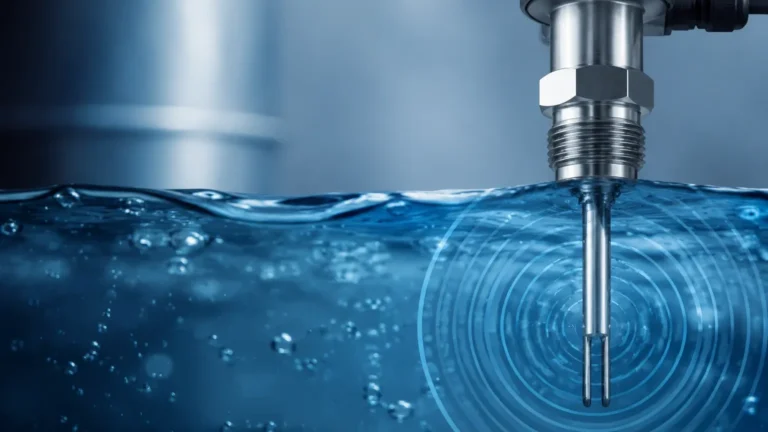
This is one of the most common principles for liquid and fine-grained solid detection. A piezoelectric crystal drives the tuning fork at its natural resonance frequency. When the fork is submerged in the medium, the frequency shifts or the amplitude drops. The internal electronics detect this change and flip the output relay. The "Level 3" designation in this context often refers to the sensitivity gain (G-factor) required to detect low-density materials, such as aerated powders or foaming liquids.
2. Tilt and Gravity-Based Sensing (G-Switch)
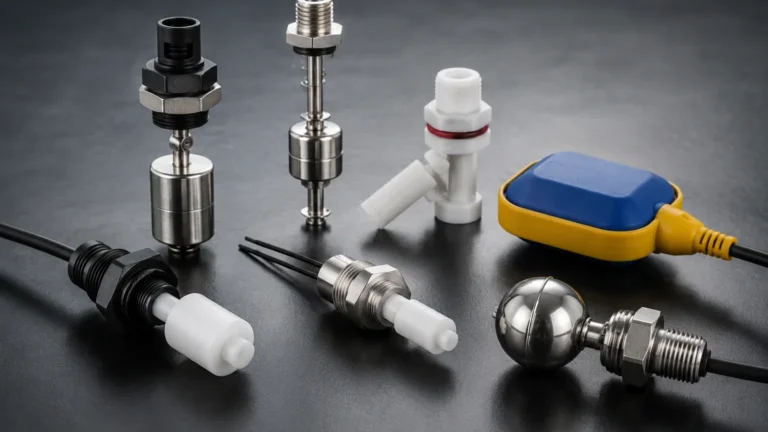
Traditional G-switches or tilt switches operate on the principle of inclination. As material (usually bulk solids) rises and makes contact with the suspended sensor, it tilts the unit. Once a specific angle is reached—often calibrated to a specific "Level 3" sensitivity threshold—an internal mercury-free contact or microswitch is triggered. This is a purely mechanical-to-electrical conversion that is highly effective for heavy ores and large aggregates.
3. Capacitance and Admittance
These switches measure the change in electrical capacitance between the sensor probe and the vessel wall. As the material covers the probe, the dielectric constant changes. High-tier switches use "Level 3" signal processing to ignore coating or buildup on the probe, ensuring that the switch only triggers when the actual material level reaches the set point.
Technical Specifications of G Switch Level 3 Systems
The g switch level 3 category is defined by its ability to operate in environments where standard switches might fail due to vibration, high temperature, or material density fluctuations. Below are the typical technical boundaries for these instruments.
| Feature | Specification (Metric) | Specification (Imperial) |
| :— | :— | :— |
| Operating Temperature | -40°C to +150°C | -40°F to +302°F |
| Maximum Pressure | Up to 40 bar | Up to 580 PSI |
| Minimum Media Density | 0.01 g/cm³ | 0.62 lb/ft³ |
| Housing Material | Die-cast Aluminum / SS316 | Die-cast Aluminum / SS316 |
| Ingress Protection | IP66 / IP67 | NEMA 4X / 6 |
| Power Supply | 20-250V AC/DC | 20-250V AC/DC |
Application Scenarios in Process Industries
The implementation of a g switch level 3 system is common in industries where the cost of failure is high. These switches act as the final line of defense in overfill prevention systems (OPS).
Water and Wastewater Treatment
In large-scale water treatment plants, level switches are used to control pumps in wet wells and chemical storage tanks. The g switch level 3 is particularly useful in sludge tanks where the high viscosity and potential for coating require a switch with high torque or high-frequency vibration to penetrate the surface tension and provide a clean signal.
Chemical and Petrochemical Processing
In these environments, media can be corrosive or volatile. Switches with PTFE coatings and explosion-proof (ATEX/IECEx) certifications are mandatory. The Level 3 sensitivity allows for the detection of interface levels between two different liquids, such as oil and water, by calibrating the switch to trigger only when the denser medium reaches the probe.
Food and Beverage Production
Hygiene is the primary concern here. G switch level 3 instruments used in food production typically feature polished stainless steel probes (Ra < 0.8µm) and Tri-clamp fittings. They are designed to withstand Clean-in-Place (CIP) and Steam-in-Place (SIP) cycles without losing calibration.
Selection Criteria and Engineering Considerations
Choosing the right Level Switches involves more than just matching a part number. Engineers must evaluate the chemical compatibility and physical state of the medium.
1. Media State: Is the material a liquid, a slurry, or a bulk solid? For bulk solids, the particle size and flowability dictate whether a tilt switch (G-switch) or a vibrating rod is more appropriate.
2. Dielectric Constant: For capacitive switches, the dielectric constant (εr) of the medium must be significantly higher than that of air. If the εr is low (e.g., < 2.0), a tuning fork or ultrasonic switch may be more reliable.
3. Vessel Geometry: In small vessels, the probe length and "dead zone" (the area where the switch cannot detect) are critical. A g switch level 3 with a compact design is often required for tight mounting spaces.
4. Output Requirements: B2B applications often require integration into a PLC or SCADA system. Common outputs include DPDT relays, PNP/NPN transistors, or 8/16mA loop-powered signals.
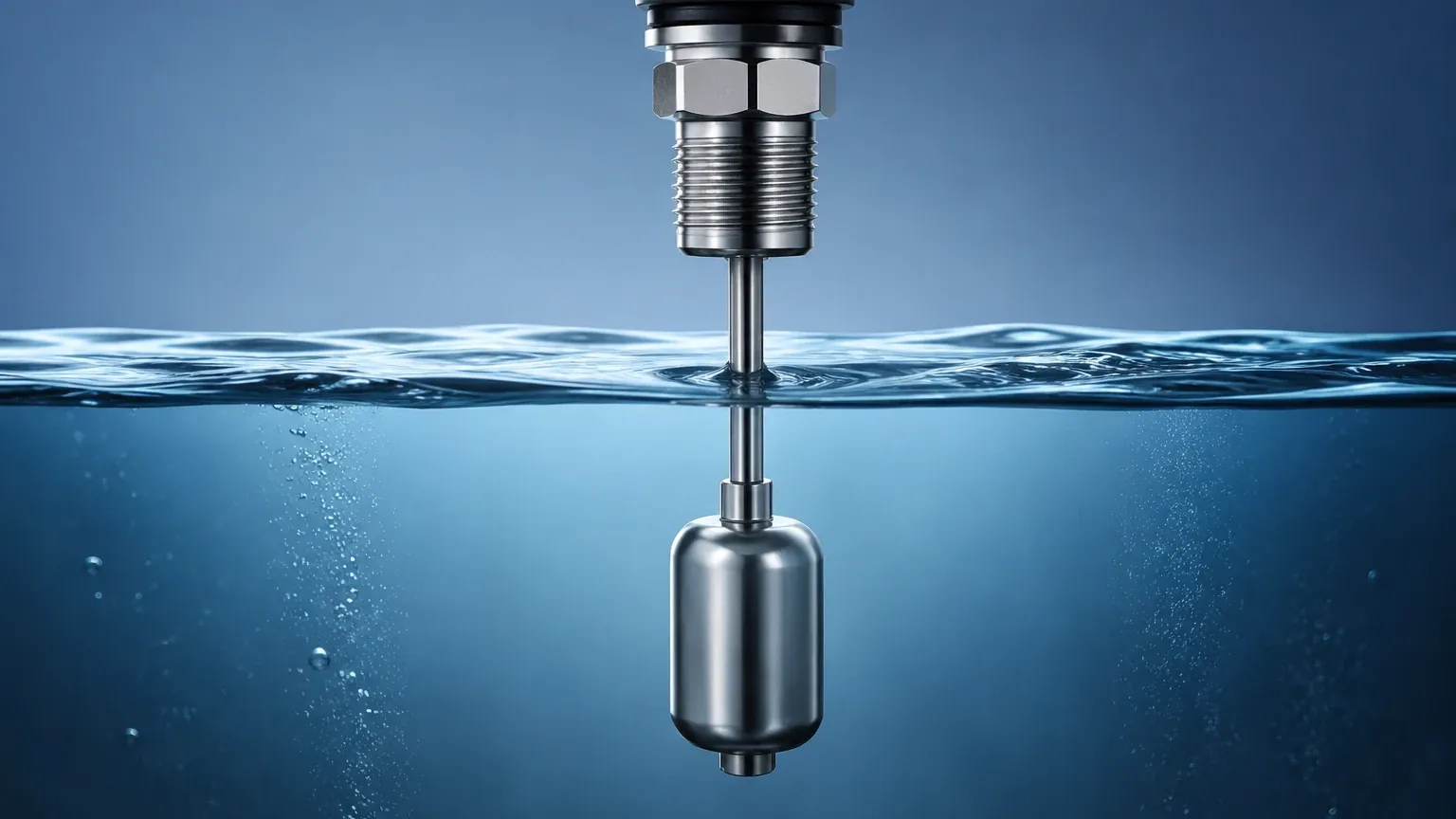
Installation Guidelines for Optimal Performance
Proper installation is the most significant factor in the longevity of a level switch. Even a high-grade g switch level 3 will fail if subjected to unnecessary mechanical stress.
* Avoid the Fill Stream: Never install a level switch directly under the material inlet. The force of the falling material can damage the probe or cause false triggers. If the inlet cannot be moved, a protective baffle should be installed above the switch.
* Mounting Angle: For solids, the switch should be mounted at an angle that prevents material from accumulating on the top of the probe. For liquids, horizontal mounting is common for side-entry, while vertical mounting is preferred for top-entry high-level alarms.
* Cable Glands: Always point cable entries downward to prevent moisture from entering the housing via capillary action along the power cable. Use a "drip loop" in the wiring.
* Torque Specifications: Over-tightening NPT or BSP threads can crack the process connection or damage the internal electronics. Always follow the manufacturer's specified torque settings (typically 20-30 Nm for standard 1-inch connections).
Limitations and Maintenance Requirements
While the g switch level 3 is a robust solution, it is not universal. Understanding its limitations prevents costly downtime.
* Turbulence: In highly agitated tanks, a vibrating fork switch may experience "chatter" (rapid switching). In these cases, a time-delay relay (typically 1 to 5 seconds) should be configured in the switch electronics to stabilize the output.
* Buildup and Scaling: Although many Level 3 switches feature "active shield" technology to ignore coating, extreme scaling (such as calcium carbonate buildup in hard water) will eventually insulate the probe. Periodic cleaning is required.
* Mechanical Wear: For rotary paddle switches or mechanical tilt switches, the internal bearings and seals have a finite lifespan. In abrasive applications (e.g., sand or gravel), these should be inspected every 6 to 12 months.
Frequently Asked Questions (FAQs)
Q: Can a g switch level 3 be used for both high and low-level detection?
A: Yes. Most modern level switches feature a selectable "Fail-Safe" mode. Set to "Fail-Safe High" (FSH) for overfill prevention and "Fail-Safe Low" (FSL) for dry-run protection. This ensures that if power is lost, the relay returns to a safe state.
Q: What is the difference between a standard switch and a Level 3 switch?
A: The distinction usually lies in the signal-to-noise ratio and the sensitivity adjustments. A Level 3 switch can typically distinguish between the actual material and heavy foam or thick coating, whereas a standard switch might trigger falsely.
Q: Does the g switch level 3 require on-site calibration?
A: Many tuning fork and tilt switches are "plug-and-play" and do not require calibration. However, capacitive and admittance switches usually require a one-time calibration to the empty and full vessel states to account for the specific dielectric properties of the medium.
Q: Is it possible to extend the probe length?
A: Yes, many manufacturers offer extension pipes or cables for top-mounted switches. For vibrating forks, extensions up to 3000mm (approx. 10 feet) are common, while tilt switches can be suspended by chains for even greater depths.
For engineers seeking to optimize their process monitoring, selecting a high-quality Level Switches solution is a critical step. By adhering to the principles of g switch level 3 performance—high sensitivity, robust construction, and precise signal processing—facilities can significantly reduce the risk of environmental spills and equipment damage.