Level Switch 2120
Level Switch 2120
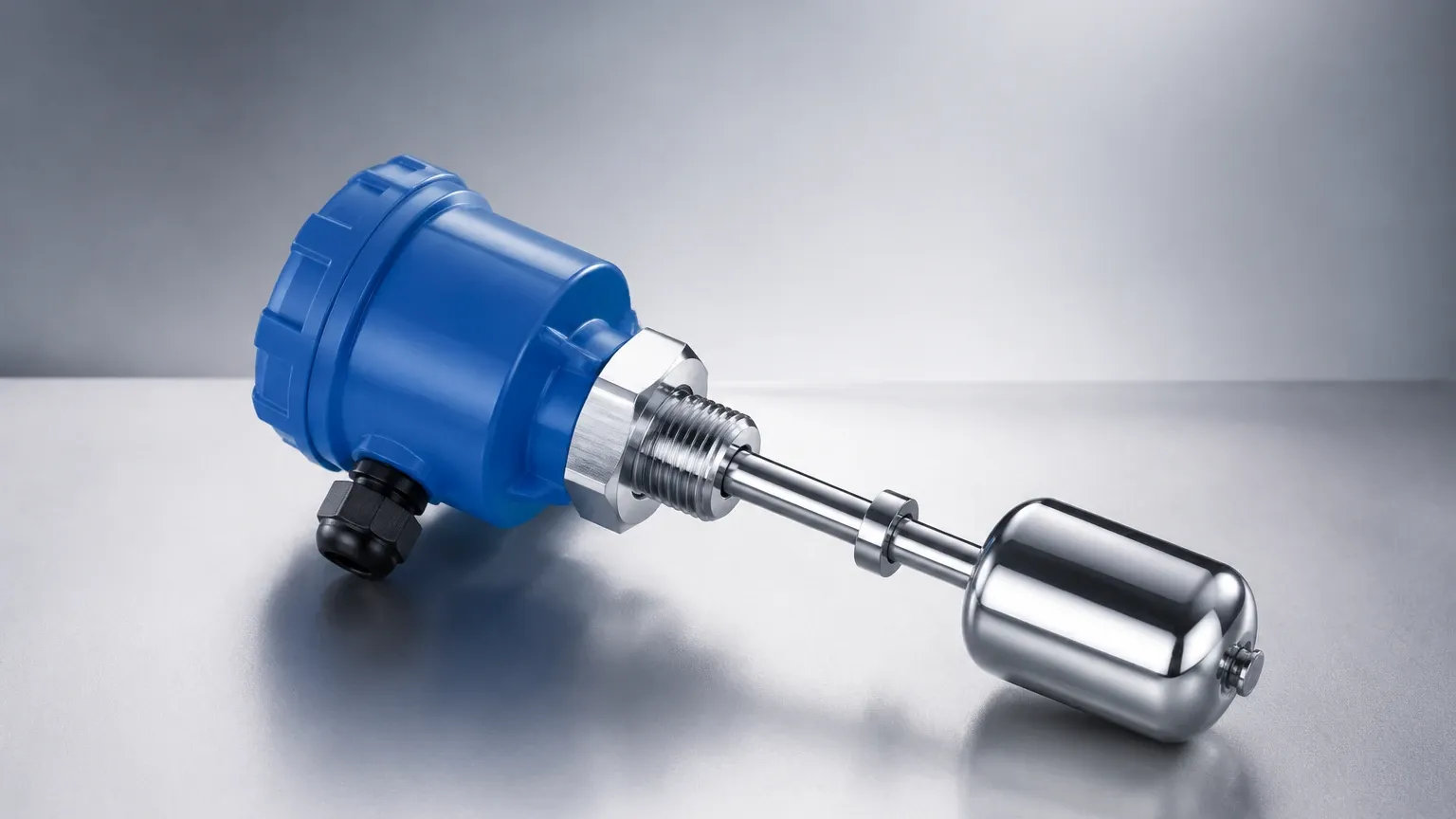
In the landscape of industrial automation, point level detection serves as a critical safeguard for process vessels, storage tanks, and piping systems. Among the various technologies available, the vibrating fork sensor—specifically the level switch 2120 series—has established itself as a reliable standard for liquid applications. This guide provides a technical deep dive into the operating principles, selection criteria, and installation best practices for these instruments, helping engineers ensure high-level overfill protection and low-level pump protection.
Understanding the Measurement Principle
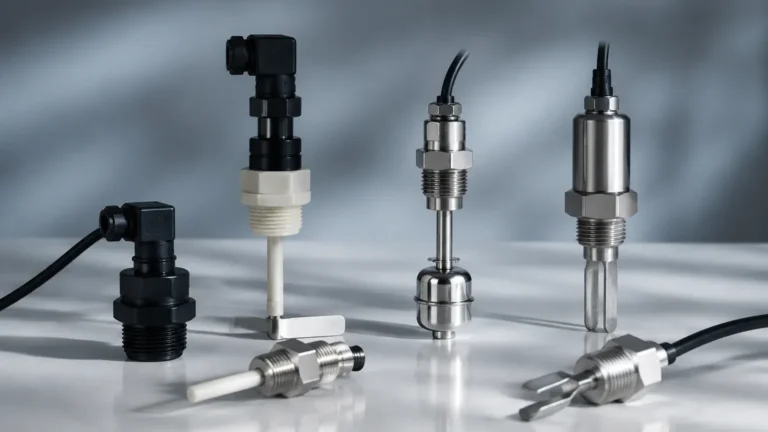
The level switch 2120 operates on the principle of vibrating short-fork technology. The device features a tuning fork-shaped sensing element that is driven to its resonant frequency by internal piezoelectric crystals.
When the fork is in the air (the "dry" state), it vibrates at a specific high frequency, typically around 1,200 to 1,400 Hz. When liquid reaches the level of the fork and submerses the tines, the frequency of vibration drops significantly due to the increased density of the surrounding medium. An internal electronic circuit continuously monitors this frequency. When the shift passes a predetermined threshold, the electronics trigger a state change in the output—switching from "off" to "on" or vice versa.
This method of detection is highly robust because it relies on a physical property (frequency change) rather than electrical properties like conductivity or dielectric constant. Consequently, the performance of Level Switches using this technology remains unaffected by flow, turbulence, bubbles, foam, or vibrations from the surrounding machinery.
Key Features and Evaluation Criteria
When evaluating a level switch 2120 for a specific application, several technical parameters must be considered to ensure long-term reliability and accuracy.
1. Media Density and Viscosity
Vibrating fork switches are sensitive to the density of the liquid. Most standard models are designed for liquids with a density greater than 600 kg/m³ (0.6 g/cm³), though specialized versions can handle lower densities. Viscosity is also a factor; while these switches can handle viscosities up to 10,000 cP, extremely thick liquids may cause a delay in the tines returning to their natural frequency once the level drops, leading to a "false full" reading.
2. Material Compatibility
The wetted parts of the switch are typically constructed from 316L stainless steel (1.4404). For aggressive chemical environments involving strong acids or bases, exotic alloys or specialized coatings (such as ECTFE/PFA) may be required to prevent corrosion and premature failure.
3. Temperature and Pressure Ratings
Industrial processes often involve extreme conditions. Standard 2120 models usually support process temperatures ranging from -40°C to 150°C (-40°F to 302°F) and pressures up to 64 bar (928 psi). For high-temperature steam applications or cryogenic storage, specific thermal extensions or high-pressure housings must be specified.
4. Output Options
Depending on the control system (PLC, DCS, or simple relay logic), the switch must provide a compatible electrical output. Common configurations include:
* Direct Load Switching: Two-wire AC/DC circuits.
* PNP/NPN: Three-wire DC circuits for direct PLC input.
* Relay Output: DPDT or SPDT relays for high-current switching.
* NAMUR: For intrinsically safe circuits in hazardous areas.
Practical Selection Table
The following table summarizes the typical specifications to consider during the procurement phase for a level switch 2120.
| Parameter | Standard Specification | High-Performance Option |
| :— | :— | :— |
| Minimum Liquid Density | 600 kg/m³ | 400 kg/m³ |
| Maximum Viscosity | 10,000 cP | Application specific |
| Process Temperature | -40°C to 150°C | Up to 260°C with spacers |
| Max Operating Pressure | 64 bar (928 psi) | 100 bar (1450 psi) |
| Wetted Materials | 316L Stainless Steel | Alloy C-276 / PFA Coating |
| Enclosure Rating | IP66/IP67 | IP68 |
| Standard Connections | 3/4" or 1" Threaded (BSP/NPT) | Flanged (ANSI/DIN) or Hygienic |
Installation Considerations and Best Practices
Proper installation is paramount to the accuracy of any level switch. Even the most advanced level switch 2120 can fail if positioned incorrectly within a tank or pipe.
Orientation of the Tines
One of the most common installation errors involves the orientation of the fork tines. For horizontal installations (side-mounting), the tines should be oriented vertically (one above the other) if the liquid is viscous or prone to leaving deposits. This allows the liquid to drain freely from the tines. If the tines are oriented horizontally, liquid can be trapped between them due to surface tension, causing a bridge that prevents the switch from resetting when the level drops.
Avoiding Turbulence and Build-up
The sensor should be installed away from tank inlets where falling liquid could strike the tines and cause false triggers. If the process involves heavy agitation, a stilling well or a protective baffle may be necessary. Furthermore, the switch should be positioned to avoid areas where heavy sludge or solids are likely to accumulate, as these can physically jam the vibrating mechanism.
Wiring and Grounding
To prevent electromagnetic interference (EMI) from affecting the internal electronics, shielded cables are recommended. The housing must be properly grounded to the vessel or the plant's common ground. In hazardous areas, ensure that the installation complies with local ATEX, IECEx, or North American explosion-proof standards.
Limitations and Common Risks
While the level switch 2120 is highly versatile, it is not a universal solution for every process. Engineers should be aware of the following limitations:
* Heavy Coating and Scaling: While the vibration of the tines provides a degree of self-cleaning, extremely heavy mineral scaling or sticky resinous build-up can eventually dampen the vibration to the point of failure. Regular inspection is required in these environments.
* Solid Granules: These switches are designed for liquids. Large solids or granules can become wedged between the tines, preventing vibration and triggering a permanent error state.
* Aerated Liquids: If a liquid is heavily aerated (becoming essentially a foam with very low density), the switch may not detect it, as the density might fall below the minimum threshold required to shift the frequency.
Comparison with Other Technologies
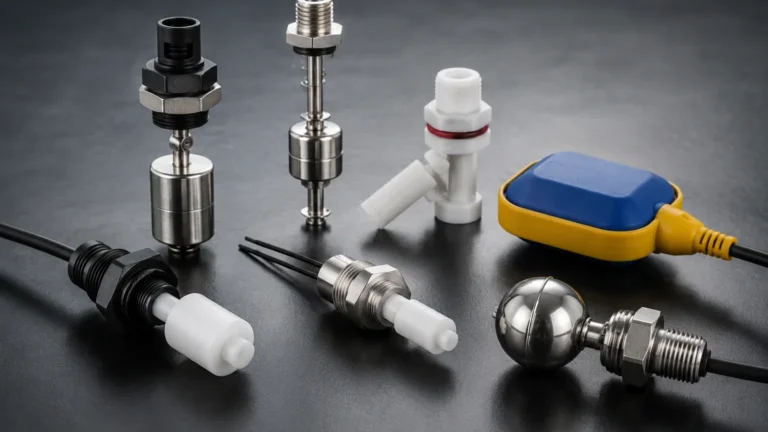
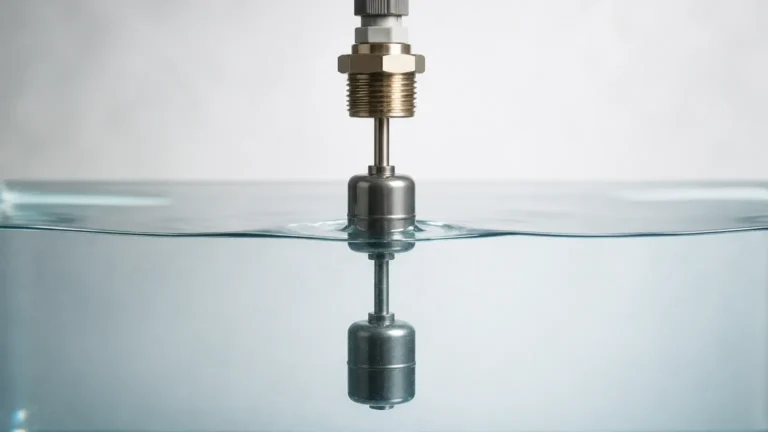
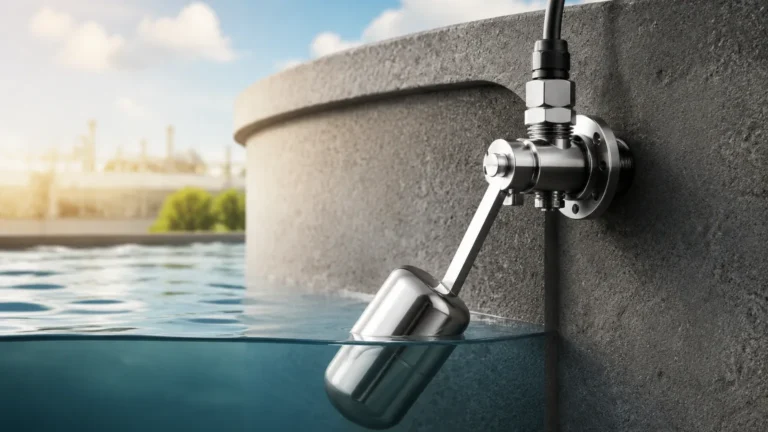
In many projects, the level switch 2120 is compared against float switches or ultrasonic point sensors.
* Vs. Float Switches: Float switches are mechanical and prone to jamming due to debris or coating. The 2120 has no moving parts (other than the microscopic vibration), making it significantly more reliable in dirty liquids.
* Vs. Ultrasonic Sensors: Ultrasonic point switches can be affected by changes in air temperature or vapor composition, which change the speed of sound. The vibrating fork is immune to these atmospheric changes.
* Vs. Capacitance Switches: Capacitance sensors require recalibration if the dielectric constant of the liquid changes (e.g., switching from oil to water). The 2120 does not require recalibration for different liquids as long as the density is above the minimum limit.
Frequently Asked Questions (FAQs)
Q: Can the level switch 2120 be used for overfill protection in safety-instrumented systems (SIS)?
A: Yes, many versions are certified for use in SIL 2 or SIL 3 applications. These models often include advanced self-diagnostics that monitor the health of the piezoelectric crystals and the internal electronics, ensuring the device fails to a safe state.
Q: How do I test the switch without filling the tank?
A: Most modern 2120 switches feature a magnetic test point on the housing. By placing a magnet against this point, the user can simulate a "wet" state to verify that the electronics and the connected control loops (alarms, pumps, valves) are functioning correctly.
Q: Is there a minimum distance required between the switch and the tank wall?
A: Generally, a clearance of at least 10 mm (0.4 inches) is recommended between the fork tines and any internal structure or tank wall to prevent interference with the vibration pattern.
Q: Does the switch require regular calibration?
A: No. One of the primary advantages of vibrating fork technology is that it is factory-calibrated. Once installed, it does not require periodic adjustment unless the process medium changes to a density below the switch's operating range.
Conclusion
The level switch 2120 represents a mature and highly dependable solution for point level detection in modern industrial processes. By understanding the physics of vibrating short-fork technology and adhering to strict installation guidelines, process engineers can significantly reduce the risk of tank overfills and pump cavitation. For complex applications involving high pressures or corrosive chemicals, consulting with a technical specialist is recommended to ensure the selected materials and output configurations align with the specific demands of the facility.