Level Switch Bilge
Level Switch Bilge
In industrial and marine engineering, the management of bilge water is a critical safety and environmental requirement. The bilge is the lowest compartment of a ship or an industrial sump where excess water, oil, and debris accumulate. Monitoring these levels is essential to prevent flooding, protect machinery, and ensure compliance with environmental regulations regarding the discharge of oily water. A level switch bilge system provides the primary automated response to rising fluid levels, triggering pumps or alarms to maintain operational safety.
Effective level detection in a bilge environment is challenging due to the presence of hydrocarbons, suspended solids, and constant physical movement (in marine applications). This guide explores the measurement principles, selection criteria, and installation requirements for industrial Level Switches used in bilge and sump applications.
Measurement Principles for Bilge Level Detection
Before selecting a level switch bilge solution, it is necessary to understand the underlying physical principles used to detect fluid interfaces. Bilge water is rarely pure; it is typically a mixture of seawater or fresh water, lubricating oils, fuel, and particulate matter. Different sensing technologies react differently to these variables.
1. Float-Based Displacement
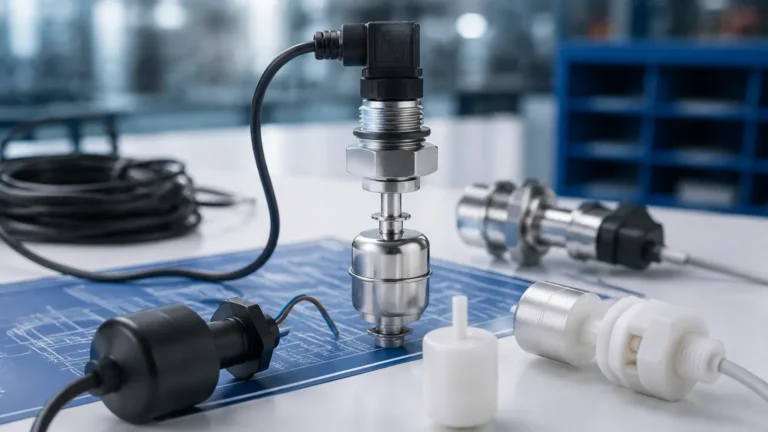
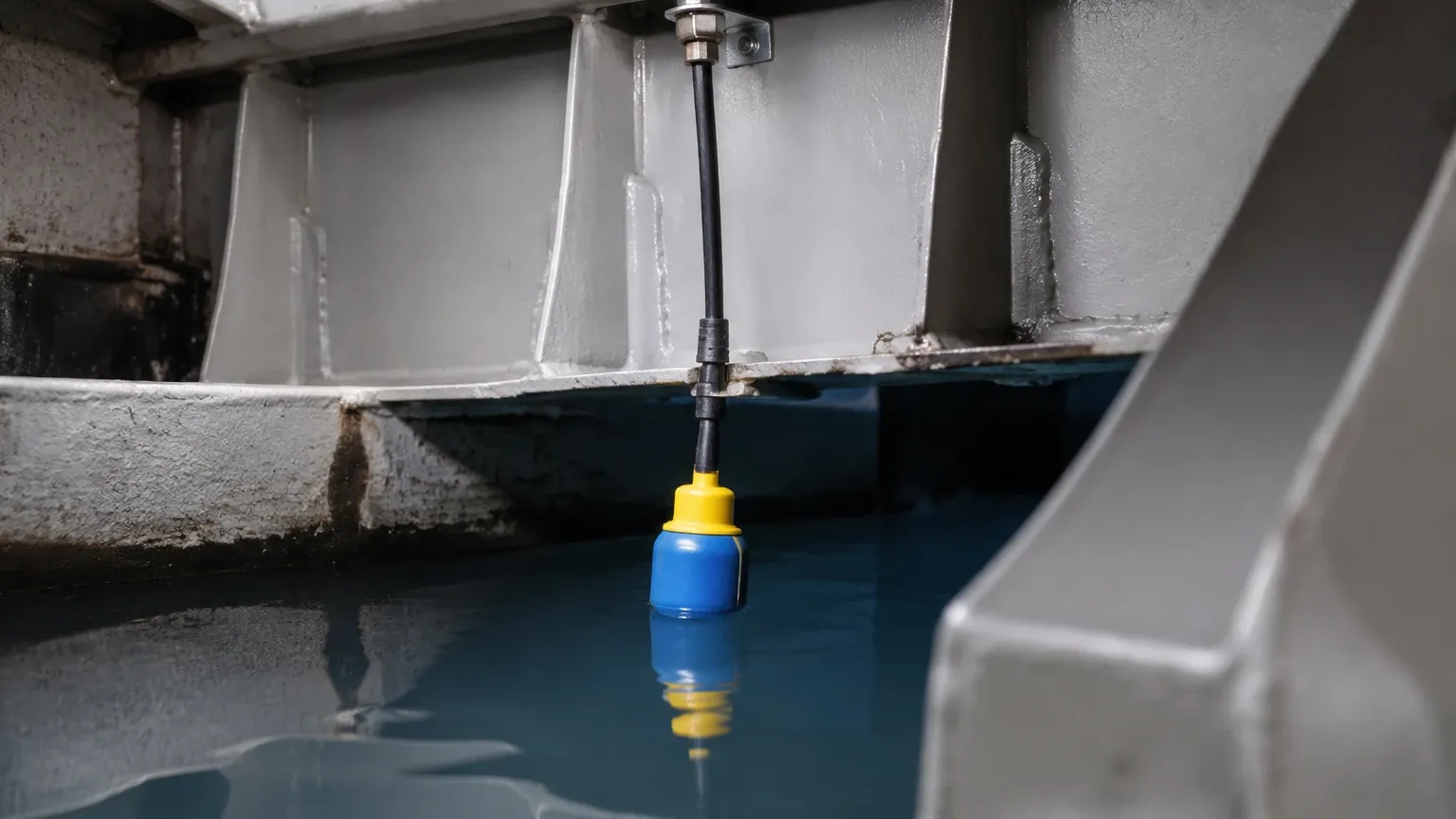
This is the most common technology for bilge applications. It relies on Archimedes' principle of buoyancy. A float, containing a permanent magnet, rises and falls with the liquid level. When the float reaches a specific height, the magnetic field actuates a hermetically sealed reed switch located within the stationary stem.
* Advantages: Simple, low cost, and requires no external power for the switch mechanism itself.
* Limitations: Mechanical components can become fouled by thick oil or debris, leading to "sticking."
2. Ultrasonic Gap Sensors
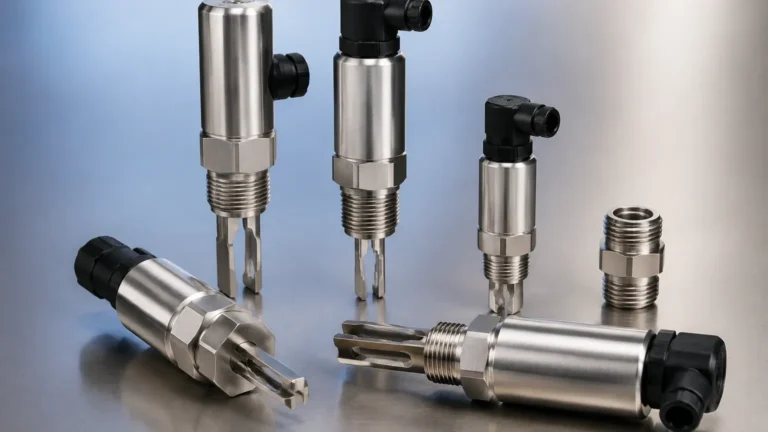
Ultrasonic level switches use high-frequency sound waves. A sensor head contains a transmitting and receiving crystal separated by a small gap. When the gap is filled with air, the ultrasonic signal does not bridge the space. When liquid enters the gap, the signal is transmitted, triggering the electronics to change the switch state.
* Advantages: No moving parts to wear out or jam.
* Limitations: Excessive foam or high-viscosity oil coating the gap can cause false readings.
3. Conductive Level Sensing
Conductivity switches use the electrical properties of the liquid. Two or more electrodes are placed in the bilge. When the water level rises and touches the electrodes, an electrical circuit is completed through the liquid (provided the liquid is conductive, like water).
* Advantages: Very compact and robust.
* Limitations: Does not work with pure oils or non-conductive hydrocarbons. If an oil film coats the probes, the sensor may fail to detect the water beneath it.
4. Capacitance Sensing
Capacitive switches detect changes in the dielectric constant of the environment. As the liquid level rises, it displaces air around the sensor probe, changing the capacitance of the circuit. This change is processed to trigger a switch output.
* Advantages: Can often be calibrated to ignore specific coatings or foam.
* Limitations: Requires more sophisticated electronics and calibration compared to simple float switches.
Selection Criteria for Level Switch Bilge Applications
Choosing the correct level switch for a bilge or industrial sump requires an evaluation of the environment and the specific risks involved. Engineers should consider the following factors:
Material Compatibility
Bilge environments are highly corrosive. In marine settings, saltwater causes rapid oxidation of standard steels.
* Stainless Steel (316L): The industry standard for durability and corrosion resistance.
* Polypropylene/PVC: Suitable for less aggressive chemical sumps but may lack the mechanical strength required for heavy industrial bilges.
* Bronze: Often used in specific marine valves and fittings, though 316L stainless is generally preferred for modern level switches.
Fluid Density and Viscosity
The specific gravity (SG) of the fluid affects float-based switches. Most bilge water has an SG close to 1.0 (water), but if there is a high concentration of oil (SG ~0.8), the float must be designed with sufficient buoyancy to trigger in the lighter fluid. High-viscosity fluids (heavy fuel oils) can also impede the movement of mechanical floats.
Environmental Protection (IP Ratings)
Since the level switch bilge is frequently submerged or splashed, high Ingress Protection (IP) ratings are mandatory.
* IP68: Essential for sensors that will be fully submerged for extended periods.
* NEMA 6P: The North American equivalent for prolonged submersion in water or oil.
Marine and Hazardous Area Certifications
In many B2B and industrial contexts, equipment must meet specific regulatory standards:
* ATEX/IECEx: Required if the bilge is located in a zone where explosive vapors (fuel/gas) may accumulate.
* Type Approval: For maritime use, switches often require certification from bodies like DNV, Lloyd’s Register, or ABS (American Bureau of Shipping).
Comparison of Bilge Level Switch Technologies
| Technology | Reliability in Oily Water | Moving Parts | Maintenance Requirement | Ideal Application |
| :— | :— | :— | :— | :— |
| Magnetic Float | Moderate | Yes | High (Cleaning) | General purpose marine bilges |
| Ultrasonic Gap | High | No | Low | High-vibration environments |
| Conductivity | Low (fails with oil) | No | Moderate | Clean water sumps |
| Capacitance | High | No | Low | Industrial sumps with varying fluids |
| Optical | Low (fouling risk) | No | High | Small, clean machinery sumps |
Installation Considerations and Best Practices
Proper installation is as critical as selecting the right technology. A poorly placed level switch bilge will result in frequent false alarms or, worse, a failure to activate during a flooding event.
1. Mounting Location
The switch should be mounted at the lowest point of the bilge where water naturally collects, but it must be protected from physical damage. It should be positioned away from the direct intake of the bilge pump to avoid turbulence, which can cause "chatter" (rapid cycling of the switch).
2. Use of Stilling Wells
In environments with significant fluid movement—such as a ship at sea or a sump near a heavy discharge pipe—a stilling well (a perforated pipe or shroud) should be installed around the switch. This dampens the surface movement of the liquid, providing a stable level for the sensor to measure and preventing premature wear on mechanical floats.
3. Electrical Integration
Level switches are typically integrated into a control panel. For bilge applications, it is common to use a Normally Closed (N.C.) configuration for high-level alarms to ensure "fail-safe" operation; if a wire breaks, the system triggers an alarm.
* Voltage: Most marine systems operate on 12V or 24V DC. Industrial sumps may utilize 110V or 230V AC.
* Cable Entry: Ensure that cable glands are rated for submersion and that the cable jacket is resistant to oil and fuel.
4. Redundancy
In critical applications, a dual-switch system is recommended. The first switch acts as the primary pump controller, while a second, higher-mounted switch serves as an independent high-level alarm. This provides a safety margin if the primary pump or switch fails.
Limitations and Operational Risks
While modern level switches are highly reliable, several factors can compromise their performance in a bilge environment:
* Fouling and Scaling: Over time, a mixture of oil, salt, and biological growth can form a crust on the sensor. For float switches, this can jam the float. For electronic sensors, it can insulate the probe. Regular inspection and cleaning (typically every 3–6 months) are required.
* Sloshing: In marine vessels, the movement of the ship can cause the bilge water to move violently. Without a stilling well or a time-delay relay in the control circuit, this can cause the bilge pump to cycle on and off rapidly, leading to motor burnout.
* Electrolysis: In saltwater environments, dissimilar metals in contact with the water can lead to galvanic corrosion. Always ensure the level switch housing and the mounting hardware are galvanically compatible or properly insulated.
Maintenance Checklist for Bilge Level Switches
To ensure the long-term reliability of a level switch bilge system, the following maintenance steps should be performed:
1. Manual Trigger Test: Physically lift the float or bridge the sensor contacts to ensure the pump or alarm activates.
2. Visual Inspection: Check for signs of corrosion on the housing and ensure the cable entry remains sealed.
3. Cleaning: Remove any oil sludge or debris from the sensor body or float stem using a mild degreaser.
4. Wiring Check: Inspect terminal connections for oxidation, especially in high-humidity environments.
Frequently Asked Questions (FAQs)
Q: Can I use a standard water level switch in a bilge?
A: It is not recommended. Standard switches may not be resistant to the oils and fuels found in bilges, and they often lack the IP68 rating required for potential submersion.
Q: How do I prevent my bilge pump from running dry?
A: Use a level switch with two trigger points or two separate switches. One switch turns the pump on at a high level, and the second turns it off at a low level (well before the pump intake is exposed to air).
Q: What is the best material for a bilge level switch in a saltwater environment?
A: 316L Stainless Steel is generally considered the best choice due to its resistance to pitting and crevice corrosion in chloride-rich environments.
Q: Why does my float switch get stuck even when there is no debris?
A: This is often caused by "paraffin build-up" or heavy oil residue that becomes tacky over time. Regular cleaning with a degreaser is necessary to maintain free movement of the float.
Conclusion
Selecting the right level switch bilge solution is a balance between environmental challenges and the required level of automation. While simple float switches remain a staple due to their cost-effectiveness, non-contact technologies like ultrasonic or capacitive sensors offer significant maintenance advantages in heavy industrial or high-vibration marine applications. By adhering to strict installation standards and choosing materials compatible with hydrocarbons and saltwater, operators can ensure the safety and efficiency of their bilge management systems.
For more technical specifications and to explore various sensor configurations, you can Review product options and application support to find the ideal match for your specific industrial requirements.