Explosion Proof Level Switches
Explosion Proof Level Switches
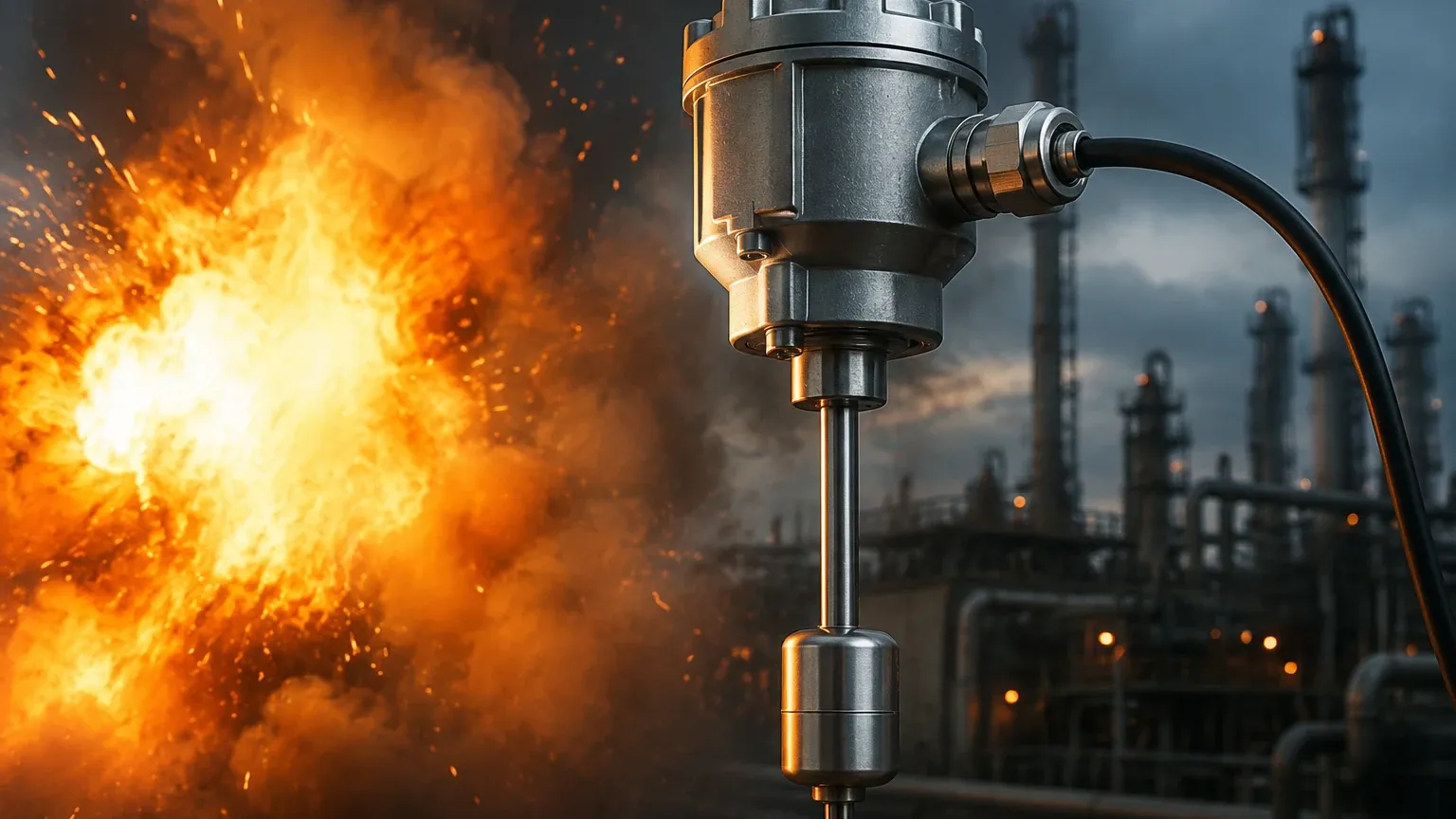
In industrial environments where flammable gases, vapors, or combustible dusts are present, the selection of instrumentation is a critical safety decision. Explosion proof level switches serve as fundamental safety and process control components, designed to prevent the ignition of hazardous atmospheres while providing reliable point-level detection. These devices are essential in industries such as oil and gas, chemical processing, and pharmaceutical manufacturing, where a single spark could lead to catastrophic results.
Understanding Explosion Proof Level Switches
An explosion proof level switch is a specialized industrial sensor used to detect the presence or absence of liquids or solids at a specific height within a tank or vessel. Unlike standard level switches, these units are engineered with robust housings and internal components that meet stringent international safety standards, such as ATEX, IECEx, or UL/CSA certifications.
The primary objective of an explosion proof rating is twofold: first, to ensure that the device's internal electrical components cannot generate enough thermal or electrical energy to ignite the surrounding atmosphere; and second, if an internal explosion does occur within the device housing, the enclosure must be strong enough to contain the pressure and prevent flames from escaping into the external hazardous area.
Core Measurement Principles
Before selecting a specific model of Level Switches, it is necessary to understand the underlying physical principles that govern their operation. Different media and environmental conditions require different sensing technologies.
1. Vibrating Tuning Fork Principle
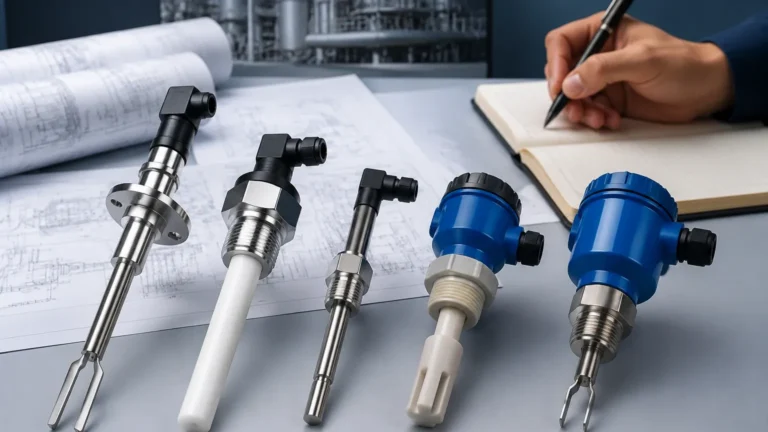
The vibrating tuning fork level switch utilizes a piezoelectric crystal to energize the fork at its natural resonant frequency. When the fork is immersed in a medium (liquid or solid), the frequency of vibration shifts. This change is detected by the internal electronics and converted into a switching signal. This technology is highly resistant to changes in pressure, temperature, and foam, making it a versatile choice for hazardous areas.
2. Float and Magnetic Reed Principle
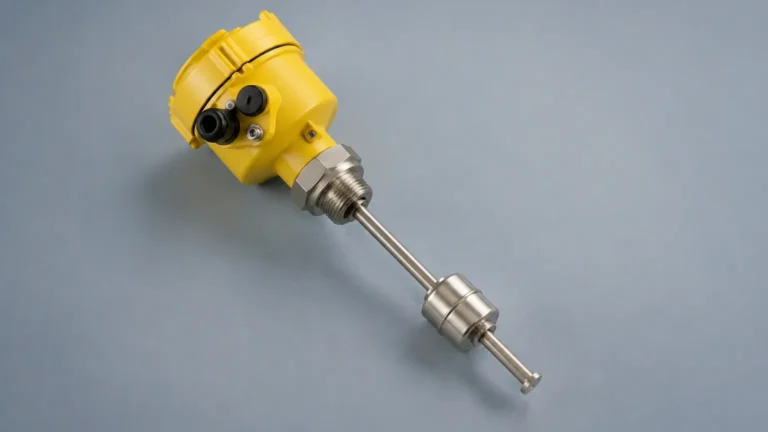
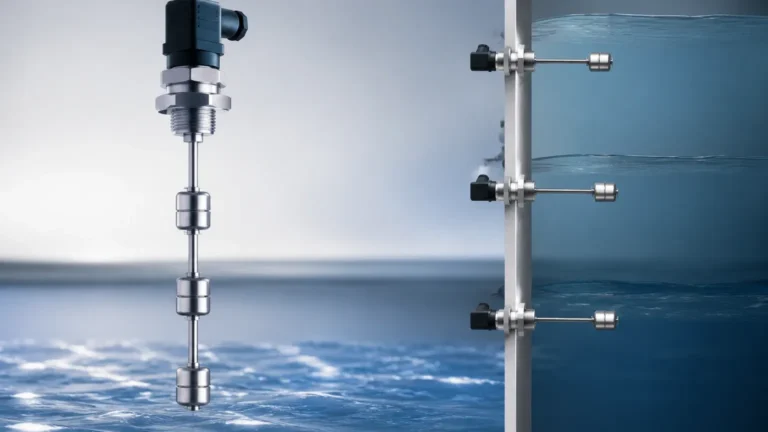
This is a mechanical method where a float containing a permanent magnet moves along a stem in response to liquid level changes. Inside the stem, a reed switch is positioned at a specific point. As the magnet approaches, the reed switch contacts close or open. For explosion proof applications, the housing for the wiring must be flameproof (Ex d) to ensure any internal arcing is contained.
3. Capacitance Principle
Capacitance switches treat the sensor probe and the vessel wall as two plates of a capacitor. The material between them acts as a dielectric. As the level rises and covers the probe, the dielectric constant changes, increasing the measured capacitance. This change triggers the switch. These are effective for both liquids and solids but require calibration based on the dielectric properties of the medium.
4. Rotary Paddle Principle
Commonly used for bulk solids and powders, a motor slowly rotates a paddle. When the material reaches the paddle, it creates mechanical resistance (torque), which causes the motor to pivot and actuate a microswitch. In explosion proof versions, the motor and switch assembly are housed in a heavy-duty, spark-containment enclosure to prevent dust-cloud ignition.
Explosion Protection Methods: Ex d vs. Ex i
When evaluating explosion proof level switches, engineers typically encounter two primary protection philosophies: Flameproof (Ex d) and Intrinsic Safety (Ex i).
* Flameproof (Ex d): The enclosure is designed to withstand an internal explosion of a flammable mixture that has entered the housing. It prevents the transmission of the explosion to the outside atmosphere by cooling the escaping gases through "flame paths" (precisely machined gaps in the housing threads or joints).
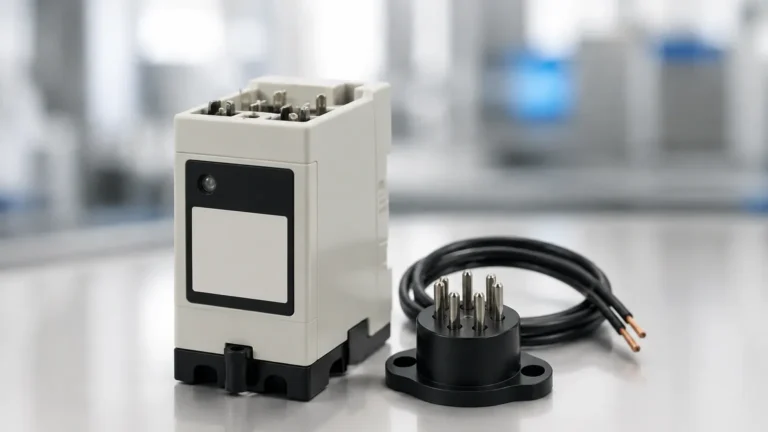
* Intrinsic Safety (Ex ia/ib): This approach focuses on limiting the electrical energy (voltage and current) entering the hazardous area to levels below what is required to ignite the specific gas or dust. This usually requires the use of an external safety barrier or isolator located in a non-hazardous area.
Selection Criteria for Hazardous Area Level Measurement
Choosing the correct explosion proof level switch requires a detailed analysis of both the process media and the site-specific hazardous zone classification.
1. Hazardous Zone Classification: Determine if the area is Zone 0, 1, or 2 (for gases) or Zone 20, 21, or 22 (for dust). Zone 0 requires the highest level of protection, often mandating intrinsically safe (Ex ia) equipment.
2. Media Characteristics: Consider the density (specific gravity), viscosity, and dielectric constant of the liquid. For solids, consider the particle size and moisture content. For example, a float switch requires a minimum specific gravity to function, typically above 0.5 g/cm³.
3. Process Conditions: Verify the maximum operating pressure and temperature. Standard explosion proof housings are often rated for pressures up to 40 bar (580 psi) and temperatures up to 150°C (302°F), though specialized high-temperature versions are available for applications reaching 250°C (482°F) or higher.
4. Chemical Compatibility: The wetted parts (the parts of the switch in contact with the media) must be resistant to corrosion. Common materials include 316L stainless steel, Hastelloy, or PTFE coatings.
Comparison of Explosion Proof Level Switch Technologies
| Technology | Suitable Media | Primary Advantage | Limitations |
| :— | :— | :— | :— |
| Tuning Fork | Liquids, Powders | No calibration needed; ignores foam. | Not suitable for very high-viscosity liquids. |
| Float Switch | Clean Liquids | Simple, low cost, no power required. | Moving parts can jam; sensitive to buildup. |
| Capacitance | Liquids, Solids | No moving parts; handles high temps. | Requires calibration; sensitive to coating. |
| Rotary Paddle | Bulk Solids | Robust for heavy materials. | Mechanical wear; not for liquids. |
| Hydrostatic | Liquids | Good for continuous/point hybrid. | Density changes affect accuracy. |
Installation and Maintenance Considerations
Correct installation is paramount for maintaining the integrity of an explosion proof rating. Failure to follow specific guidelines can void the safety certification and create a significant risk.
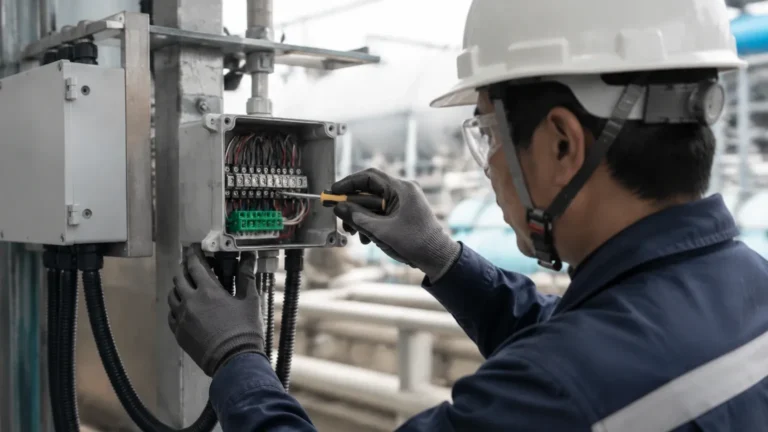
* Conduit Sealing: For flameproof (Ex d) installations, the use of certified explosion proof conduit seals (sealing fittings) is mandatory. These seals prevent flammable gases from traveling through the conduit system from one part of the plant to another.
* Grounding and Bonding: Proper earthing is essential to prevent the buildup of static electricity, which is a common ignition source in hazardous areas. Ensure both internal and external grounding lugs are connected according to local electrical codes.
* Cable Entry: Only use certified cable glands that match the protection type of the switch. If a port is unused, it must be sealed with a certified explosion proof metal plug.
* Maintenance: During routine inspections, check the integrity of the housing cover O-rings and the condition of the flame paths. Never open the enclosure in a hazardous area while the circuit is energized unless the area is known to be non-hazardous (using a gas sniffer).
Limitations and Operational Challenges
While explosion proof level switches are highly reliable, they are not without limitations.
* Material Buildup: In applications involving sticky or viscous media, material can accumulate on the sensing element (such as the tines of a tuning fork or the surface of a capacitance probe). This buildup can cause "false positives," where the switch indicates the vessel is full even when the level has dropped. Selecting a switch with a "coating rejection" feature or using a non-contact method may be necessary.
* Turbulence and Agitation: In tanks with high-speed mixers, mechanical switches like floats or paddles can be physically damaged. In such cases, a tuning fork or a heavy-duty capacitance probe with a stilling well is recommended.
* Environmental Sealing: While the housing is explosion proof, it must also be rated for environmental protection (e.g., IP66 or IP67) to prevent the ingress of moisture, which can cause internal corrosion and electrical failure over time.
Frequently Asked Questions
Q: Can I use a standard level switch in a hazardous area if I put it in an explosion proof box?
A: No. The entire assembly, including the sensor element and the connection point, must be certified as a system. Modifying a standard device or using an uncertified housing violates safety regulations and insurance requirements.
Q: What is the difference between ATEX and IECEx?
A: ATEX is a mandatory European Union directive for equipment used in explosive atmospheres. IECEx is an international certification scheme. While they share many technical requirements, the administrative processes and regional acceptance vary. Many modern level switches carry both certifications to allow for global deployment.
Q: How often should explosion proof level switches be calibrated?
A: Tuning fork and float switches generally do not require periodic calibration. Capacitance switches should be checked annually or whenever the process media properties (like dielectric constant) change significantly.
Q: Are there explosion proof switches for extremely low temperatures?
A: Yes, specialized cryogenic level switches are available for applications like LNG (Liquefied Natural Gas) storage, capable of operating at temperatures as low as -196°C (-320°F).
By understanding the technical requirements and environmental constraints of hazardous areas, engineers can effectively implement explosion proof level switches to ensure both process efficiency and personnel safety. For more detailed specifications and model comparisons, professionals should consult technical data sheets and certification documents provided by the manufacturer.