Level Switch Siemens
Level Switch Siemens
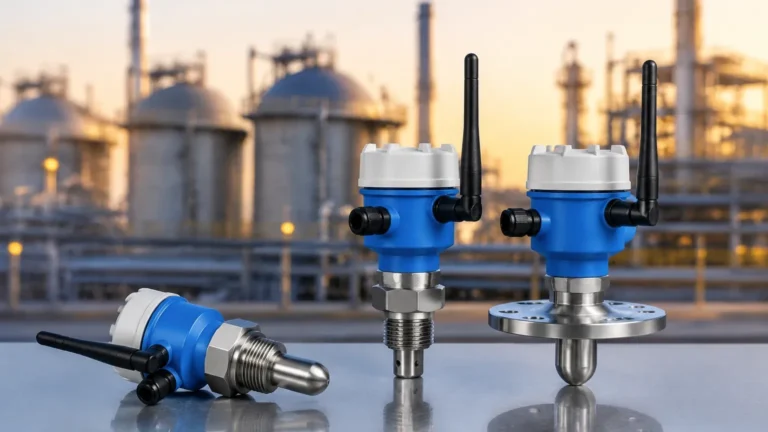
In the landscape of industrial automation, point level detection serves as a critical safeguard for process integrity, environmental protection, and inventory management. Among the most recognized names in this sector, the level switch Siemens range—primarily marketed under the SITRANS and Pointek brand names—represents a standard for reliability in diverse applications ranging from wastewater treatment to chemical processing.
Selecting the correct level switch requires a deep understanding of the underlying measurement principles and how they interact with specific media characteristics. This guide provides a technical overview of point level technologies, a detailed look at the Siemens portfolio, and practical engineering considerations for integration into modern industrial systems.
Core Measurement Principles in Point Level Detection
Before selecting a level switch Siemens model, engineers must evaluate which physical principle best suits the application. Point level switches do not provide continuous data; instead, they act as high-level or low-level alarms, or as control triggers for pumps and valves.
1. Vibrating Point (Tuning Fork)
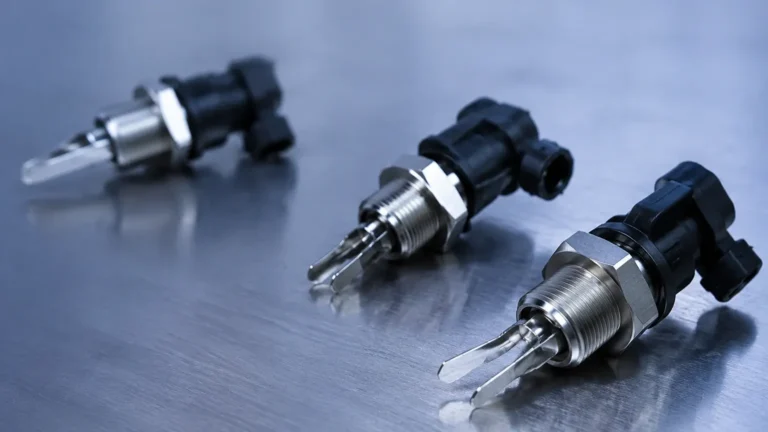
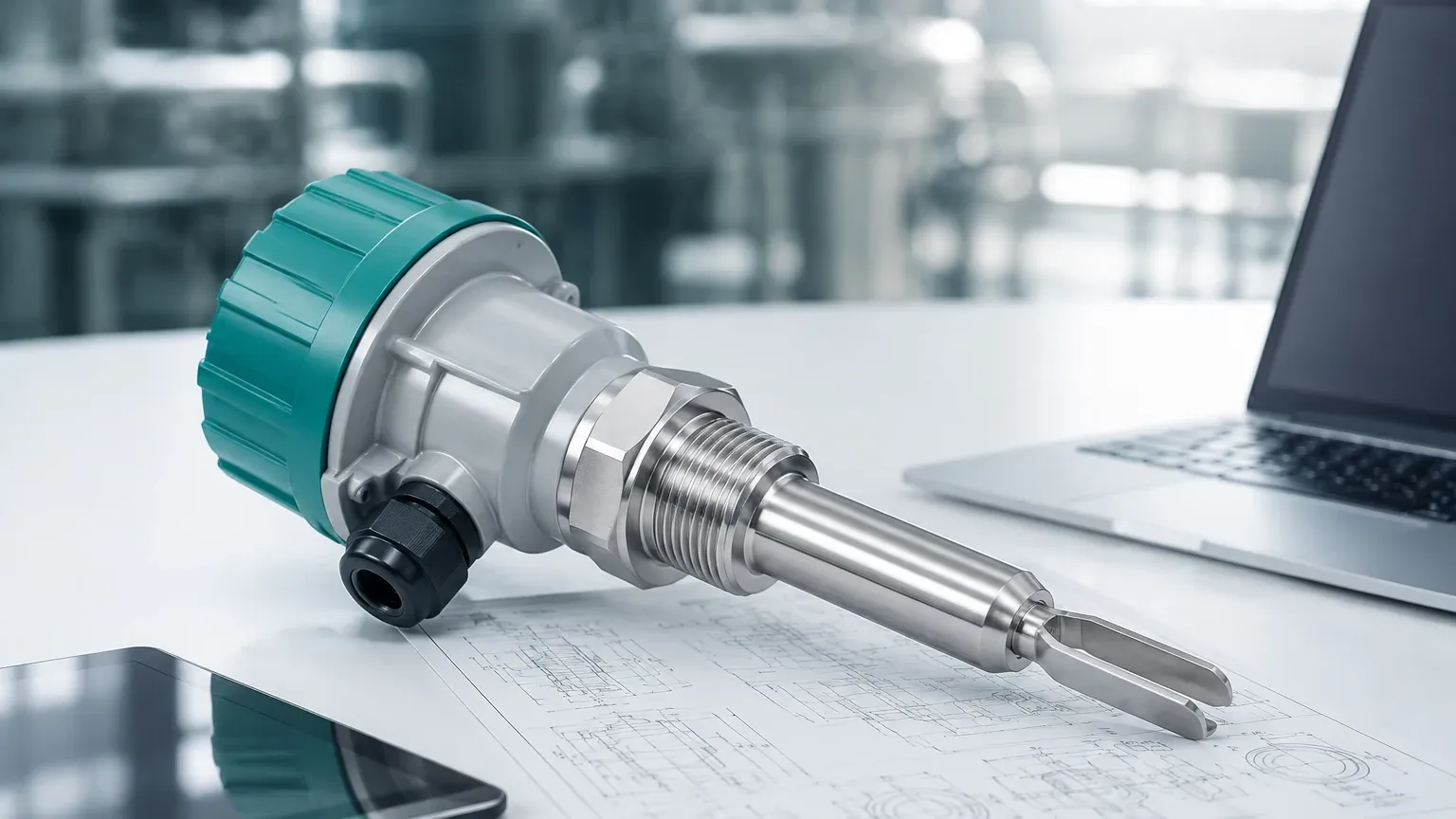
Vibrating level switches utilize a tuning fork-shaped element driven by a piezoelectric crystal. The fork vibrates at its natural resonant frequency in air. When the medium (liquid or solid) covers the fork, the frequency changes or the vibration is dampened. An internal electronic circuit detects this change and switches the output relay.
* Best For: Liquids with varying dielectric constants or bulk solids with low density.
* Key Advantage: Virtually maintenance-free as there are no moving parts to wear out.
2. Capacitance (Inverse Frequency Shift)
Capacitance switches treat the sensor probe and the vessel wall as two plates of a capacitor. The material between them acts as the dielectric. As the level rises and covers the probe, the capacitance increases. Siemens often utilizes "Inverse Frequency Shift" technology, which translates capacitance changes into frequency shifts to improve sensitivity in challenging environments.
* Best For: Interface detection (e.g., oil over water) and materials that may coat the probe.
* Key Advantage: High sensitivity and the ability to ignore material buildup via active shield technology.
3. Rotary Paddle
This mechanical principle involves a low-speed motor that rotates a paddle. When the material reaches the paddle, the rotation is impeded, causing the motor to pivot on its mounting and trip a microswitch. Once the material level drops, a spring returns the motor to its original position.
* Best For: Bulk solids, powders, and granules.
* Key Advantage: Extremely robust and unaffected by dust or electrical properties of the material.
4. Ultrasonic Point Level
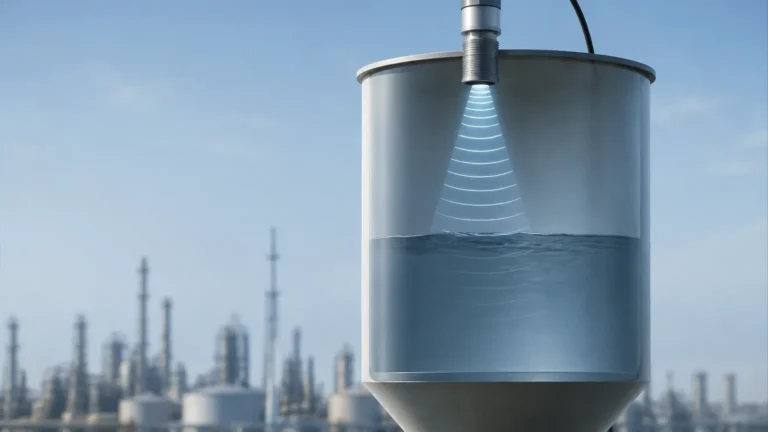
Ultrasonic switches emit high-frequency sound waves across a gap in the sensor. When the gap is filled with liquid, the sound waves are transmitted to a receiver; when the gap is empty (filled with air), the waves are attenuated.
* Best For: Non-contact detection or highly corrosive liquids where a physical probe might degrade.
* Key Advantage: No contact with the medium in some configurations, reducing contamination risks.
The Siemens SITRANS and Pointek Portfolio
The Siemens product line is categorized by the physical state of the medium and the specific demands of the environment. While many engineers search for a general "level switch Siemens" solution, the choice usually falls into one of the following specialized series:
SITRANS LVL (Vibrating Liquid Switches)
The SITRANS LVL series (such as the LVL100 and LVL200) is designed for liquid applications. The LVL100 is a compact version for tight spaces, while the LVL200 offers advanced diagnostics and high-temperature options. These are frequently used for overfill protection and pump dry-run prevention.
SITRANS LVS (Vibrating Solid Switches)
For powders and bulk solids, the SITRANS LVS series (LVS100, LVS200, LVS300) provides reliable detection even in materials with very low bulk densities (as low as 5 g/l). The LVS300 is particularly effective in applications involving heavy mechanical loads or high temperatures.
SITRANS CLS (Capacitive Level Switches)
The SITRANS CLS series (CLS100, CLS200, CLS300) is the go-to for versatile point level detection. The CLS200 is widely used in the chemical and food industries because it can withstand high pressures and temperatures while remaining immune to material buildup on the probe.
SITRANS LPS (Rotary Paddle Switches)
The SITRANS LPS200 is a rugged mechanical switch for bulk solids. It features a unique motor-off design that stops the motor when the paddle is stalled, significantly extending the service life of the unit compared to lower-quality alternatives.
Technical Selection Table
When evaluating Level Switches for a project, use the following table to compare the primary Siemens-compatible technologies:
| Feature | Vibrating Fork (LVL/LVS) | Capacitance (CLS) | Rotary Paddle (LPS) | Ultrasonic (ULS) |
| :— | :— | :— | :— | :— |
| Primary Media | Liquids / Fine Solids | Liquids / Slurries / Solids | Bulk Solids / Powders | Liquids / Slurries |
| Max Temperature | Up to 250°C | Up to 400°C | Up to 80°C (Std) | Up to 60°C |
| Max Pressure | Up to 64 bar | Up to 35 bar | N/A (Atmospheric) | Up to 0.5 bar |
| Build-up Sensitivity | Low | Very Low (with Active Shield) | Moderate | High |
| Moving Parts | No | No | Yes | No |
| Density Limit | > 0.7 g/cm³ (Liquid) | N/A | > 100 g/l | N/A |
Installation and Engineering Considerations
Successful deployment of a level switch Siemens unit depends on more than just selecting the right model; proper installation is paramount to prevent false alarms and mechanical failure.
1. Mounting Location
Avoid installing level switches directly in the path of the material inflow. The kinetic energy of falling solids or the turbulence of incoming liquids can cause premature wear or false triggers. If the inflow path cannot be avoided, a protective baffle or shield should be installed above the sensor.
2. Orientation
* Vibrating Forks: For liquid applications, the forks should be oriented so that the liquid can easily drain off them. In solids, the forks should be oriented vertically or at a slight angle to prevent material from bridging between the tines.
* Capacitance Probes: These should be mounted away from the vessel wall (minimum 100 mm distance) to ensure the electric field is not distorted by the tank structure.
3. Wiring and IP Ratings
Most industrial level switches come with IP65, IP67, or IP68 ratings. Ensure that cable glands are properly tightened and that a "drip loop" is formed in the cabling to prevent moisture from following the wire into the housing. For hazardous areas, ensure the switch meets the required ATEX, IECEx, or FM certifications.
4. Nozzle Length
For capacitance and vibrating switches, ensure the active sensing element extends fully into the vessel. If the mounting nozzle is too long, material can become trapped in the nozzle, causing the switch to remain in a "covered" state even after the vessel level has dropped.
Limitations and Environmental Factors
While Siemens level switches are highly engineered, certain environmental factors can impede performance:
* High Turbulence: In agitated tanks, vibrating forks may experience mechanical stress. In such cases, a stilling well or a non-contact ultrasonic switch might be more appropriate.
* Extreme Foam: Capacitance switches may struggle to distinguish between dense foam and the liquid surface unless calibrated specifically for interface detection. Vibrating forks generally ignore light foam but may trigger on dense, wet foam.
* Vacuum Conditions: Some rotary paddle switches are not sealed for high-vacuum applications, which can lead to air ingress or motor failure. Capacitance and vibrating fork sensors are generally better suited for vacuum service.
Integrating Level Switches into Control Systems
Modern level switch Siemens units often provide multiple output options:
* Relay (SPDT): The most common for direct control of small pumps or alarms.
* Solid State (PNP/NPN): Ideal for high-speed switching and direct PLC integration.
* Two-wire 8/16mA: Useful for loop-powered systems where diagnostic information (e.g., fault detection) is required via current change.
* PROFIBUS/HART: Advanced versions allow for remote configuration and detailed health monitoring of the sensor.
Frequently Asked Questions (FAQ)
Q: Can a vibrating fork level switch be used in highly viscous liquids?
A: Yes, but with limitations. If the liquid is so viscous that it sticks to the fork and prevents it from vibrating even when the level drops, the switch will fail to reset. For extremely viscous materials, a capacitance switch with an active shield or a heavy-duty rotary paddle (for solids) is preferred.
Q: How do I handle material buildup on a capacitance probe?
A: Use a model like the SITRANS CLS300, which features active shield technology. This compensates for the capacitance of the buildup on the probe, ensuring the switch only triggers when the actual bulk material reaches the sensor.
Q: What is the difference between SITRANS LVL100 and LVL200?
A: The LVL100 is a basic, compact switch for simple liquid applications with fixed process connections. The LVL200 is a more robust, modular version offering higher temperature ratings (up to 250°C), extended probe lengths (up to 6,000 mm), and advanced functional safety certifications (SIL2).
Q: Are there cost-effective alternatives to Siemens for standard applications?
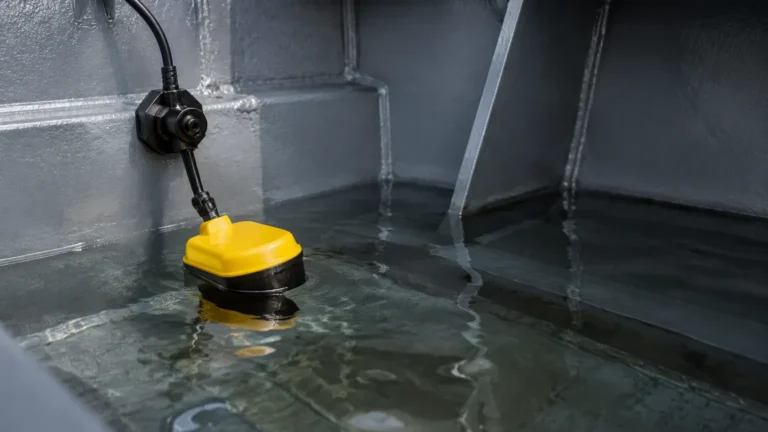
A: While Siemens offers high-end performance, manufacturers like Welk provide a range of industrial Level Switches including radar, ultrasonic, and hydrostatic options that are often more cost-effective for standard water treatment and industrial automation projects without sacrificing accuracy or reliability.
Conclusion
Selecting a level switch Siemens solution involves balancing the physical properties of the medium with the mechanical constraints of the vessel. By understanding the principles of vibration, capacitance, and mechanical rotation, engineers can implement a point level system that enhances safety and efficiency. Whether utilizing the SITRANS series for complex chemical processes or exploring robust alternatives for water management, the priority remains consistent: choosing the technology that offers the highest reliability with the lowest maintenance burden for the specific application at hand.