Level Switch Water
Level Switch Water
In industrial and municipal water management, the ability to detect specific liquid levels is fundamental to process safety, pump protection, and automated control. A level switch for water is a point-level detection device that provides an electrical signal (typically a relay or transistor output) when the water reaches a predetermined height. Unlike continuous level transmitters that provide a constant reading of the volume, a level switch acts as a trigger for high-level alarms, low-level dry-run protection, or automated tank filling and emptying cycles.
Selecting the appropriate technology for a level switch water application requires an understanding of the physical properties of the water—such as conductivity, turbulence, and the presence of solids—as well as the mechanical constraints of the vessel. This guide examines the core measurement principles, selection criteria, and engineering considerations for implementing reliable level switching in water-based systems.
Measurement Principles for Water Level Detection
There is no single "best" technology for water level switching; rather, the choice depends on the specific characteristics of the application. Below are the primary measurement principles utilized by industrial Level Switches.
1. Float-Based Level Switches
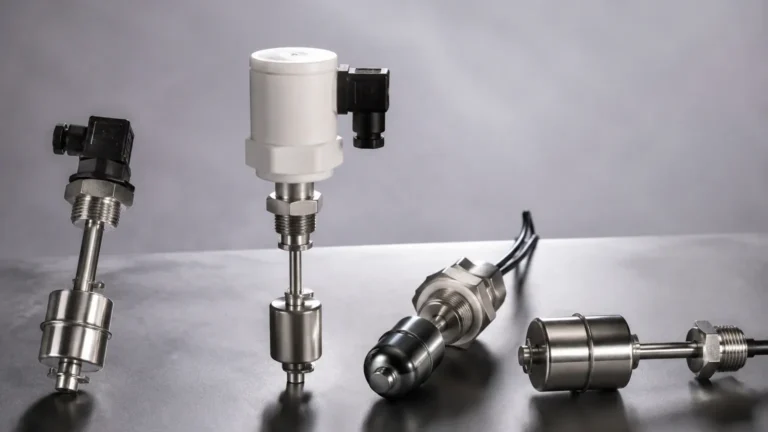
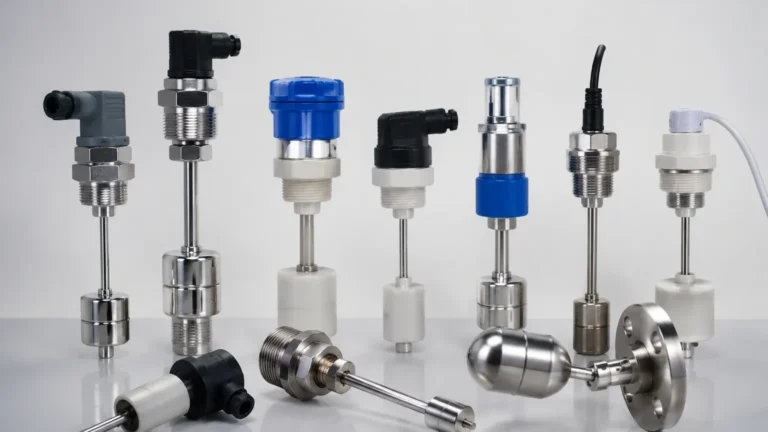
This is the most traditional method, relying on the principle of buoyancy. A float containing a magnet moves with the water level. When it reaches a specific point, the magnet actuates a reed switch or a microswitch located within the stem or housing. These are highly reliable for clean water but can be prone to jamming if the water contains heavy debris or high mineral content that causes scaling.
2. Conductive Level Switches
Conductive switches utilize the electrical conductivity of water. Two or more electrodes are placed in the tank. When the water rises and touches the electrodes, a small electrical circuit is completed, signaling the switch to actuate. This technology is simple, has no moving parts, and is cost-effective for detecting multiple points in a single tank. However, it cannot be used with deionized or pure distilled water, which lacks the necessary conductivity.
3. Vibrating Tuning Fork Switches
The sensor element consists of a tuning fork that vibrates at its natural resonance frequency in the air. When the fork is submerged in water, the frequency of vibration changes due to the increased density of the medium. An electronic circuit detects this shift and triggers the output. Tuning forks are highly versatile, resisting the effects of turbulence, bubbles, and minor coating.
4. Capacitance Level Switches
Capacitance switches measure the change in electrical capacitance between a probe and the tank wall (or a second probe). Because water has a high dielectric constant (approximately 80) compared to air (1), the presence of water significantly alters the capacitance. These switches are effective for both liquids and slurries but may require calibration to account for specific water compositions.
5. Ultrasonic Level Switches
These are non-contact or gap-style sensors. In gap-style ultrasonic switches, an ultrasonic signal is transmitted across a small gap in the sensor head. When the gap is filled with water, the signal strength increases, triggering the switch. Non-contact versions use sound waves reflected off the surface. These are ideal for corrosive water or applications where the sensor should not touch the medium.
Key Selection Criteria for Level Switch Water Applications
When specifying a level switch for water, engineers must evaluate several environmental and process variables to ensure long-term reliability.
Water Quality and Composition
* Potable Water: Requires food-grade materials (e.g., 316 Stainless Steel or specific plastics) and certifications like NSF/WRAS.
* Wastewater/Sewage: Requires non-clogging designs. Vibrating forks or large-diameter floats are preferred to prevent solids from interfering with the mechanism.
* Deionized/Ultrapure Water: Conductive switches will not function. Capacitance or ultrasonic technologies are required.
* Chemical-Laden Water: If the water contains chlorine, acids, or bases (as in cooling towers or treatment plants), the wetted materials must be chemically resistant (e.g., PVC, PP, or PVDF).
Vessel Dynamics
* Turbulence: If the water surface is agitated by an inlet or agitator, a switch with a built-in time delay or a protective stilling well is necessary to prevent "chattering" (rapid cycling of the relay).
* Pressure and Temperature: Standard water tanks are often atmospheric, but boiler feed water or pressurized filtration systems may require switches rated for temperatures exceeding 100°C and pressures up to 40 bar.
Installation Orientation
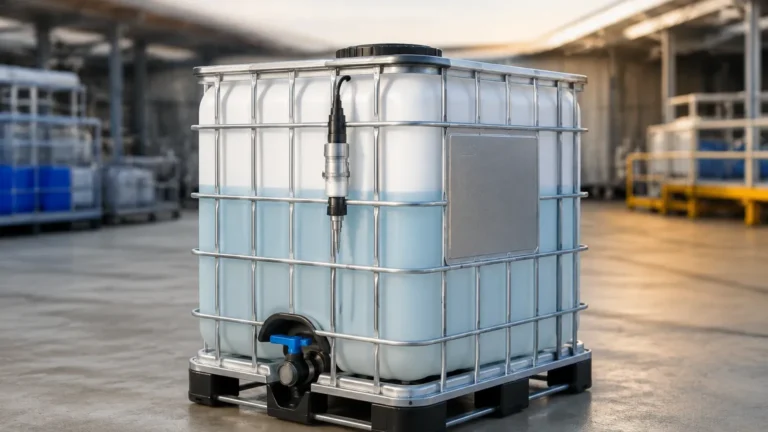
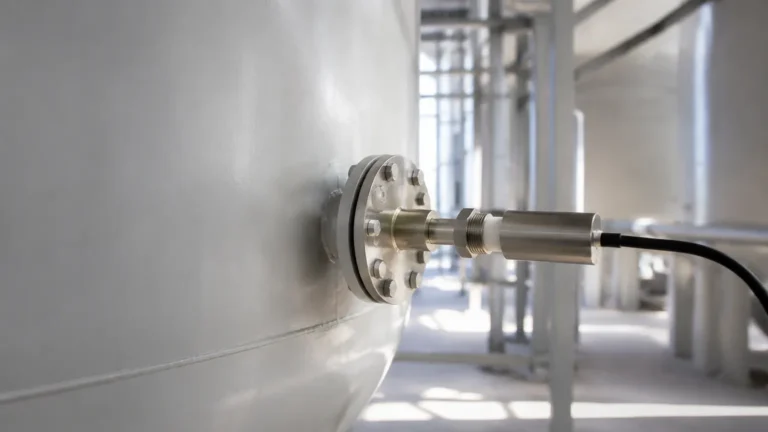
Level switches can be mounted horizontally through the side of a tank or vertically from the top. Horizontal mounting is common for high/low alarms in small tanks, while vertical mounting allows for adjustable setpoints by using longer probes or stems.
Practical Selection Table
The following table provides a comparison of common level switch technologies used in water applications to assist in the initial selection process.
| Technology | Recommended Water Type | Advantages | Limitations |
| :— | :— | :— | :— |
| Float Switch | Clean, potable, greywater | Low cost, simple installation, no power required (passive) | Moving parts can jam; sensitive to debris |
| Conductive | Tap water, wastewater, brackish | No moving parts, multiple setpoints, compact | Not for pure water; electrodes can foul |
| Vibrating Fork | All water types, including turbulent | Highly reliable, ignores foam/bubbles, long life | Higher initial cost; sensitive to heavy build-up |
| Capacitance | Clean or treated water | No moving parts, can detect through non-metallic walls | Requires calibration; sensitive to coating |
| Ultrasonic (Gap) | Clean to moderately dirty water | Non-contact options available, very accurate | Affected by heavy foam or high-pressure steam |
Installation and Maintenance Guidelines
Correct installation is critical to the performance of a level switch water system. Even the most advanced sensor will fail if placed in an unsuitable location.
Positioning and Mounting
1. Avoid the Fill Stream: Never install a level switch directly under a water inlet. The force of the falling water can cause false triggers or mechanical damage to floats and forks.
2. Stilling Wells: In tanks with high turbulence or surface waves, install the switch inside a stilling well (a vertical pipe with vent holes). This provides a calm surface for the sensor to measure.
3. Clearance: Ensure there is sufficient clearance from tank walls and internal structures (like baffles or ladders) to prevent mechanical interference or false capacitive readings.
Wiring and Integration
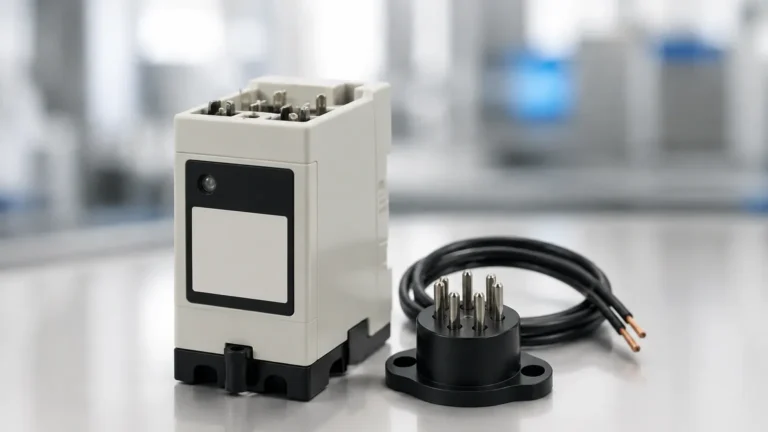
Most industrial level switches offer SPDT (Single Pole Double Throw) relay outputs. When wiring for pump control:
* High Level (Normally Closed): Used to stop a pump when a tank is full.
* Low Level (Normally Open): Used to start a pump or trigger a low-level alarm to prevent dry-running.
Maintenance Routine
While many modern level switches are advertised as "maintenance-free," periodic inspections are recommended, especially in water systems prone to mineral scaling (hard water) or biological growth (algae).
* Visual Inspection: Check for buildup on the probe or float.
* Function Test: Manually lift the float or submerge the probe to ensure the relay clicks and the control system responds correctly.
* Cleaning: Use a soft brush or appropriate descaling agent. Avoid abrasive materials that could scratch the sensor surface, as scratches can promote further scaling.
Limitations and Common Risks
Engineers should be aware of specific conditions that can compromise the accuracy of a level switch water installation.
* Scaling and Calcification: In hard water applications, calcium carbonate can build up on probes. This is particularly problematic for conductive and capacitance switches, as the scale acts as an insulator or changes the dielectric properties.
* Foam and Bubbles: If the water is aerated or contains surfactants, foam may form on the surface. Some switches (like standard ultrasonic or certain floats) may struggle to distinguish between the liquid surface and the foam layer. Vibrating forks are generally the most resistant to foam.
* Electromagnetic Interference (EMI): Electronic switches (Capacitance/Ultrasonic) should be installed using shielded cables if they are located near large motors or variable frequency drives (VFDs) to prevent signal noise.
* Syphoning and Pressure Spikes: In closed piping systems, sudden valve closures can cause pressure spikes (water hammer) that may damage delicate diaphragms or float mechanisms.
Frequently Asked Questions (FAQs)
Q: Can I use a level switch water sensor for boiling water?
A: Yes, but you must ensure the materials (e.g., Stainless Steel) and the electronics are rated for high temperatures. Vibrating forks and heavy-duty float switches are commonly used in boiler applications.
Q: How do I prevent my pump from cycling on and off too frequently?
A: This is usually managed by using two switches (one high, one low) to create a "deadband" or hysteresis. Alternatively, some electronic switches have a programmable time delay that requires the water to be at the setpoint for several seconds before the switch changes state.
Q: Is a conductive level switch safe for drinking water?
A: Yes, provided the electrodes are made of food-grade 316 Stainless Steel and the voltage used for the sensing circuit is low-voltage AC (to prevent electrolysis and corrosion).
Q: Can a level switch detect the interface between water and oil?
A: Standard level switches are designed to detect the presence or absence of a liquid. However, specialized capacitance switches can be calibrated to detect the interface between water (high dielectric) and oil (low dielectric).
For professional-grade hardware and technical support in selecting the right instrument for your facility, you can Review product options and application support to ensure your water management system operates with maximum precision and safety.