Sor Level Switches
Sor Level Switches
In the landscape of industrial process control, point-level detection remains a critical safety and operational requirement. Level switches are the primary line of defense against vessel overfills, pump cavitation, and dry-run conditions. Among the established names in this sector, sor level switches have long been recognized for their mechanical robustness and reliability in high-pressure and high-temperature environments.
For engineers and plant managers, understanding the underlying measurement principles of these instruments is essential before making a selection. This guide explores the technology, application criteria, and installation best practices for high-performance level switches used across the oil and gas, chemical, and water treatment industries.
Measurement Principles of Level Switches
To select the appropriate instrument, one must first understand how different technologies interact with the process media. Industrial level switches generally fall into mechanical or electronic categories.
1. Buoyancy-Based (Float) Switches
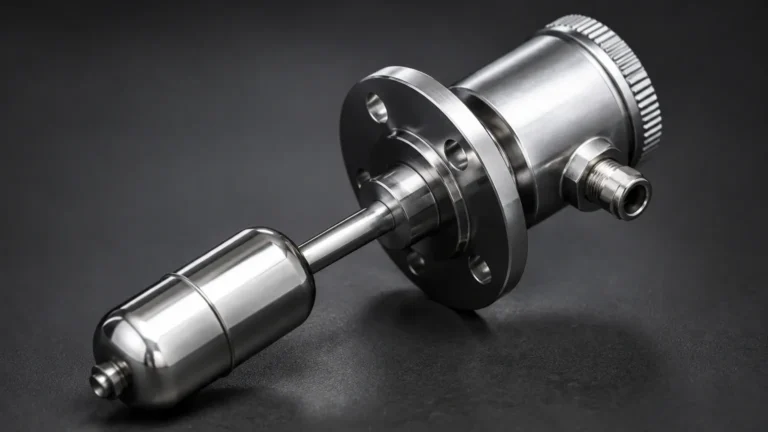
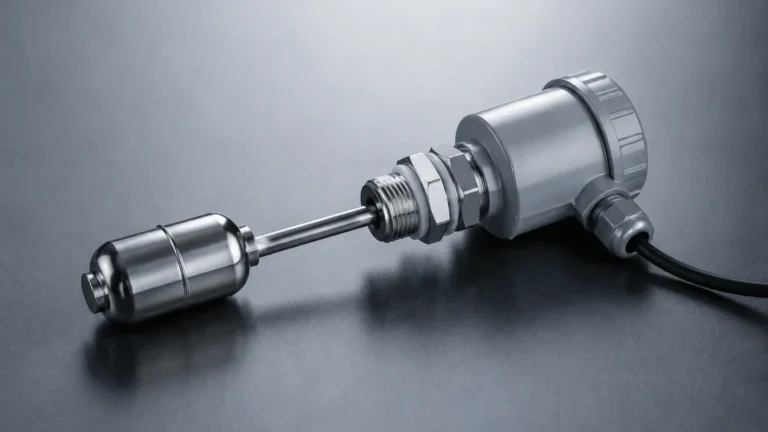
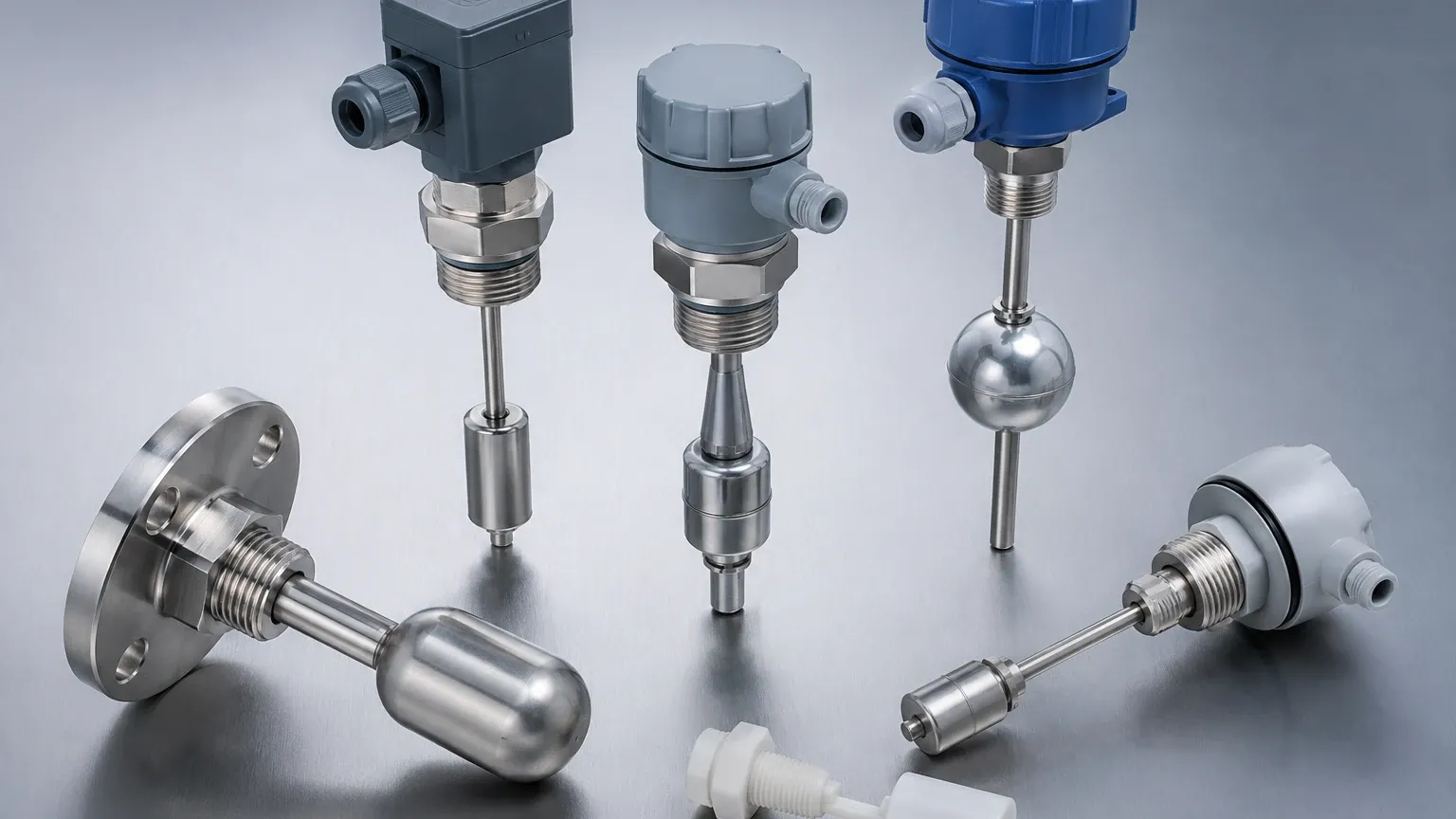
Float-operated level switches utilize a float that is less dense than the process liquid. As the liquid level rises or falls, the float moves accordingly. In many industrial designs, such as those found in the sor level switches catalog, the float is attached to a rod with a magnetic sleeve. This sleeve moves within a non-magnetic pressure tube. When the sleeve enters the field of an externally mounted switch mechanism (often a dry contact or a microswitch), it triggers the alarm or control signal. This magnetic coupling ensures that the switching mechanism is completely isolated from the process pressure and fluid.
2. Displacer-Operated Switches
Unlike floats, displacers are heavier than the liquid they are measuring. They operate on Archimedes' Principle, which states that a body immersed in a fluid is buoyed up by a force equal to the weight of the fluid displaced.
As the liquid level rises and covers the displacer, the apparent weight of the displacer decreases. This change in weight is detected by a spring mechanism or a torque tube, which then actuates the switch. Displacers are often preferred over floats in applications involving turbulent surfaces or high-pressure vessels because they are more stable and can be adjusted for different specific gravities without changing the hardware.
3. Ultrasonic and Non-Contact Principles
Electronic level switches often utilize ultrasonic waves. A transducer emits a high-frequency pulse that reflects off the liquid surface. The time-of-flight is measured to determine the level. While often used for continuous measurement, these can be configured as point-level switches. They are ideal for corrosive media where contact with mechanical parts is undesirable.
Key Evaluation Criteria for Selection
Selecting the right Level Switches requires a detailed analysis of the process conditions. Failure to account for even one variable can lead to premature instrument failure or false alarms.
Process Temperature and Pressure
Mechanical switches are often the first choice for extreme temperatures. While many electronic sensors are limited to 150°C (302°F), heavy-duty mechanical switches can operate in environments exceeding 400°C (752°F). Pressure ratings are equally vital; high-pressure separators in the oil industry may require switches rated for 150 bar (2175 psi) or higher.
Fluid Density (Specific Gravity)
For buoyancy-based instruments, the specific gravity (SG) of the liquid is the most critical factor. A float designed for water (SG 1.0) may not float in a light hydrocarbon (SG 0.6). When specifying sor level switches, the minimum SG must be confirmed to ensure the float or displacer provides enough force to actuate the switch mechanism.
Chemical Compatibility
The wetted parts—the components in direct contact with the fluid—must be resistant to corrosion. Standard materials include 316 Stainless Steel, but aggressive chemicals may require Monel, Hastelloy, or specialized plastics like PTFE.
Hazardous Area Certifications
In B2B industrial environments, safety certifications are non-negotiable. Instruments must meet ATEX, IECEx, or UL/CSA standards for explosive atmospheres. This includes explosion-proof housings for the switch mechanism and intrinsically safe wiring options.
Practical Selection Table
The following table provides a general comparison of common point-level technologies used in industrial applications.
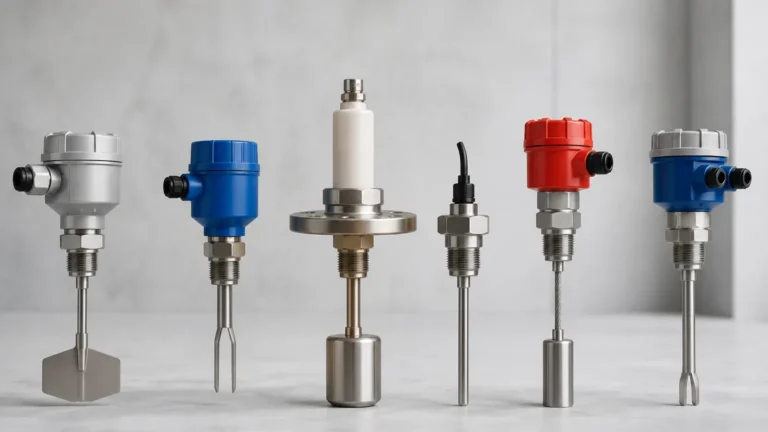
| Technology | Best For | Max Temp (Typical) | Pressure Resistance | Limitations |
| :— | :— | :— | :— | :— |
| Float Switch | Clean liquids, simple tanks | Up to 250°C | High | Susceptible to coating/debris |
| Displacer | Turbulent liquids, interface | Up to 450°C | Very High | Requires vertical mounting |
| Ultrasonic | Corrosive, non-contact | Up to 150°C | Moderate | Affected by foam or heavy vapor |
| Capacitance | Solids, liquids, powders | Up to 200°C | Moderate | Requires calibration for media |
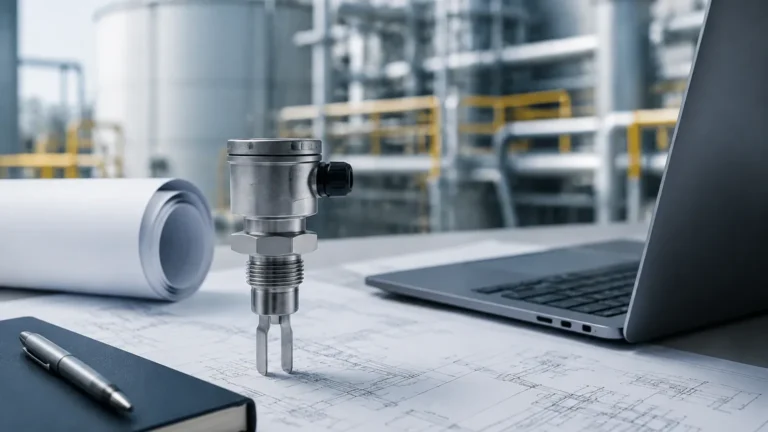
| Vibrating Fork | General purpose, liquids | Up to 150°C | Moderate | Not for high-viscosity fluids |
Installation Considerations
Proper installation is as important as the selection of the instrument itself. Incorrect mounting is a leading cause of "nuisance tripping" in industrial level control.
1. Stilling Wells and Chambers: In tanks with heavy agitation or turbulence, floats and displacers should be installed inside a stilling well or an external cage. This provides a stable environment for the measurement and protects the mechanical components from lateral forces.
2. Orientation: Float switches can be side-mounted or top-mounted. Displacer switches are almost exclusively top-mounted because they rely on the vertical weight of the displacer. Ensure the vessel nozzle is perfectly vertical to prevent the displacer from rubbing against the sides of the nozzle or chamber.
3. Wiring and Conduit: Always use a "drip loop" in the electrical conduit to prevent moisture from entering the switch housing. Ensure that the housing cover is tightened to the manufacturer's specification to maintain the NEMA or IP rating.
4. Specific Gravity Adjustment: If using a displacer switch for a liquid with a specific gravity different from water, the spring tension may need field adjustment. Most sor level switches allow for this calibration during commissioning.
Limitations and Common Risks
While highly reliable, no technology is without limitations. Users should be aware of the following risks:
* Material Build-up: In applications involving wastewater or crude oil, paraffin or debris can build up on the float. This increases the weight of the float and can eventually cause it to sink or stick in one position.
* Vibration: Excessive mechanical vibration in the piping or vessel can cause the switch contacts to "chatter," leading to false signals or premature wear of the microswitch.
* Coating on Electronic Probes: For non-mechanical switches like capacitance or RF probes, a conductive coating on the probe can create a false "level present" signal even when the tank is empty.
Frequently Asked Questions (FAQ)
Q: Can sor level switches be used for liquid-liquid interface detection?
A: Yes. Displacer-type switches are particularly effective for interface detection (e.g., oil on top of water). The displacer is weighted so that it sinks through the upper, lighter liquid but floats on the lower, heavier liquid.
Q: What is the difference between a "Normally Open" (NO) and "Normally Closed" (NC) contact?
A: This refers to the state of the switch when the level is below the setpoint. A Normally Open switch closes when the level rises to the setpoint, completing the circuit. Choosing the right state is vital for fail-safe logic (e.g., using an NC contact for high-level alarms so that a broken wire also triggers an alarm).
Q: How often should mechanical level switches be tested?
A: In critical safety applications, a semi-annual or annual "proof test" is recommended. This involves manually raising the level or using a test lever (if equipped) to ensure the switch actuates and the signal reaches the control room.
Q: Are there versions of these switches for dry bulk solids?
A: While many sor level switches are designed for liquids, specialized technologies like rotating paddles or vibrating rods are used for point-level detection in silos containing powders or grains.
Conclusion
Reliable point-level detection is a cornerstone of industrial process safety. Whether utilizing the mechanical simplicity of buoyancy-based sor level switches or the advanced capabilities of electronic sensors, the key to success lies in matching the instrument to the specific gravity, temperature, and chemical nature of the process media. By following rigorous selection and installation standards, engineers can ensure long-term accuracy and minimize the risk of costly industrial accidents. For those looking to integrate these solutions into modern automation systems, exploring a wide range of Level Switches is the first step toward a robust and compliant level control strategy.