Types of Water Level Switches
Types of Water Level Switches
In industrial automation and water management, level switches serve as critical components for point-level detection. Unlike continuous level transmitters that provide a constant data stream of the liquid level, a level switch is designed to trigger a discrete output—typically an electrical contact—when the water reaches a specific height. These devices are essential for preventing tank overflows, protecting pumps from dry running, and managing automated filling or emptying cycles.
Selecting from the various types of water level switches requires an understanding of the physical properties of the water being measured, the environmental conditions of the tank, and the specific requirements of the control system. Welk, as a professional manufacturer of industrial level measurement instruments, provides a range of Level Switches engineered for reliability in water treatment, chemical processing, and general industrial applications.
Measurement Principles of Water Level Switches
Before selecting a specific technology, it is important to understand the underlying physical principles that allow these devices to detect the presence of water.
Mechanical Buoyancy
This is the most traditional method. It relies on a float that is less dense than water. As the water level rises, the float moves upward. This movement is mechanically or magnetically coupled to a switch mechanism. The simplicity of this principle makes it highly reliable for clean water applications where no significant debris is present.
Vibration (Tuning Fork)
This principle uses piezoelectric crystals to vibrate a metal fork at its natural resonant frequency in the air. When the water covers the fork, the frequency of vibration changes due to the increased density of the medium. The internal electronics detect this frequency shift and toggle the switch state. This method is highly resistant to turbulence and bubbles.
Conductivity
Conductivity switches utilize the electrical properties of water. Since most industrial and municipal water contains ions, it can conduct electricity. A low-voltage current is passed between two electrodes (or an electrode and the tank wall). When water bridges the gap, the circuit is completed, signaling the switch. This is not suitable for ultra-pure or deionized water.
Capacitance
The sensor probe and the tank wall (or a second probe) act as the two plates of a capacitor. Water has a much higher dielectric constant than air. When water replaces the air around the probe, the capacitance increases significantly. The electronics measure this change to determine if the probe is submerged.
Common Types of Water Level Switches
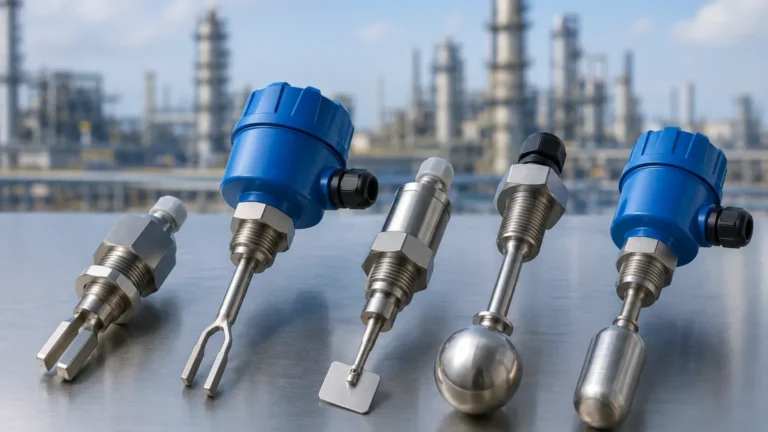
Identifying the correct category of switch is the first step in engineering a reliable level control system. Below are the primary types used in modern industry.
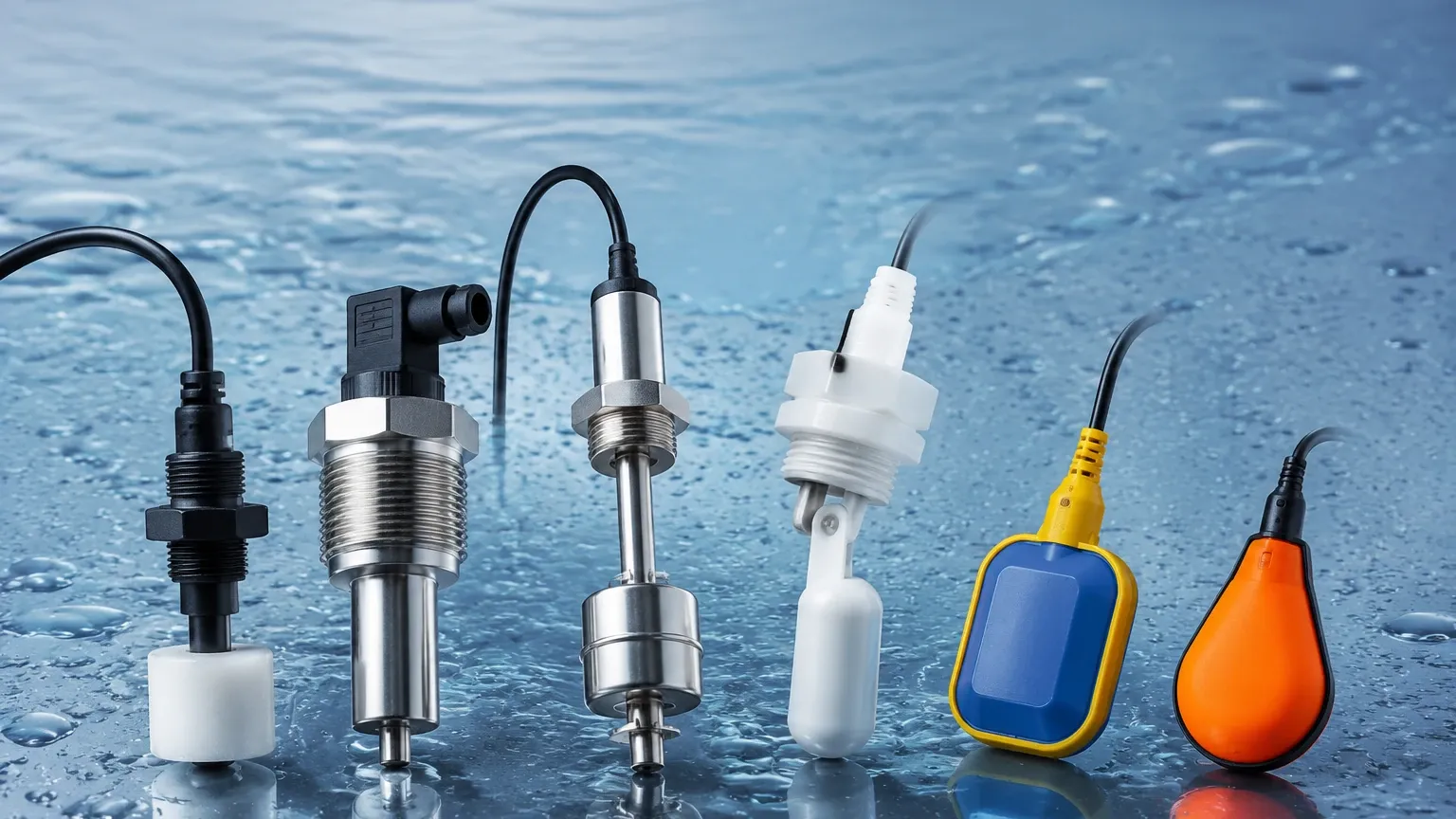
1. Float Level Switches
Float switches are categorized by their mounting and internal switching mechanism:
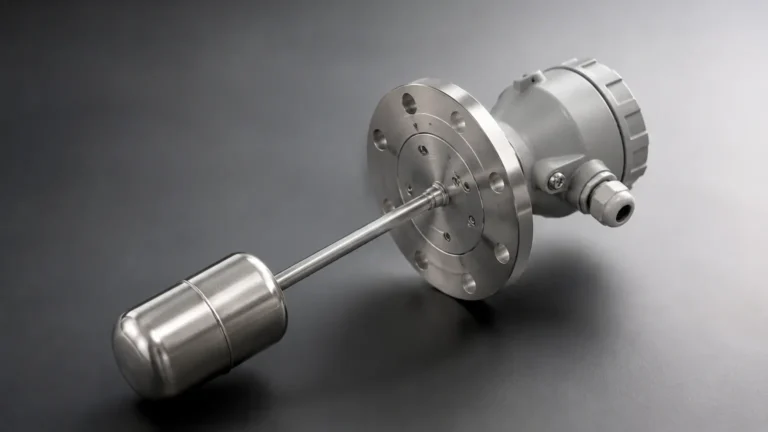
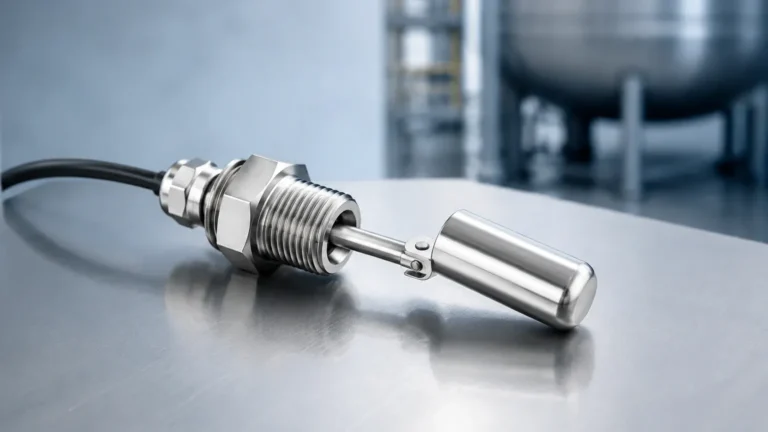
* Magnetic Float Switches: A float containing a permanent magnet moves along a stem containing a hermetically sealed reed switch. When the magnet aligns with the reed switch, the circuit closes or opens. These are ideal for small tanks and clean water.
* Cable Float Switches (Tilt Switches): Often used in wastewater and sumps, these consist of a large, buoyant housing attached to a flexible cable. As the water rises, the housing tilts, causing an internal microswitch or ball-switch to change state.
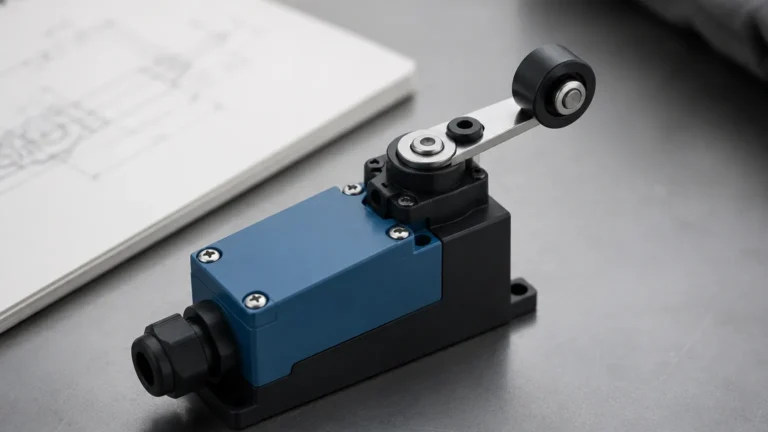
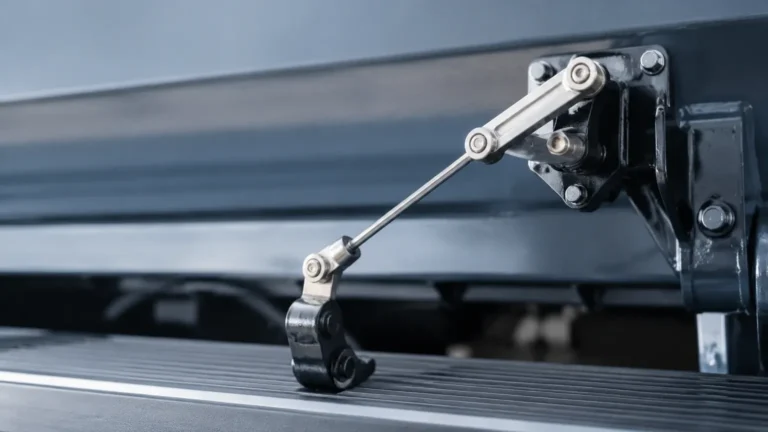
* Side-Mounted Float Switches: These are installed through the side wall of a tank. A hinged float arm moves up and down with the water level to actuate a switch outside the process vessel.
2. Tuning Fork Level Switches
Often referred to as vibrating level switches, these are the "workhorses" of industrial level detection. They are virtually maintenance-free because they have no moving parts that can jam. They are particularly effective for water containing light solids or in applications with significant agitation, where a mechanical float might bounce and cause "chatter" in the electrical signal.
3. Conductivity Level Switches
These are typically used for multi-point detection in a single installation. A single probe head can hold multiple electrodes of different lengths, allowing for high-high, high, low, and low-low level detection in one unit. They are compact and cost-effective but require the water to have a minimum conductivity (usually >10 μS/cm).
4. Capacitance Level Switches
Capacitance switches are versatile and can be used in high-temperature or high-pressure environments where mechanical switches might fail. Modern capacitance switches often include "active shield" technology to ignore buildup or coating on the probe, which is a common issue in water containing minerals or oils.
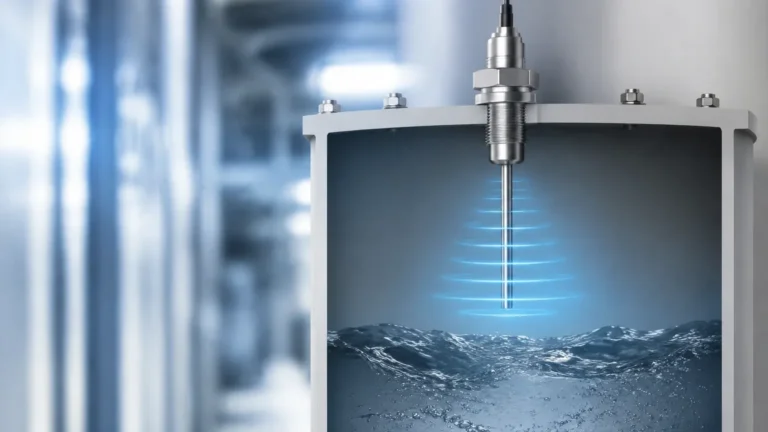
5. Ultrasonic Level Switches
While ultrasonic technology is more common for continuous measurement, point-level ultrasonic switches exist. They use a gap sensor; an ultrasonic signal is transmitted across a small gap. When the gap fills with water, the signal strength increases, triggering the switch. These are non-contact in the sense that they do not rely on moving parts, but the sensor head must be in the fluid path.
Practical Selection Table
When evaluating different types of water level switches, use the following table as a baseline for engineering specifications.
| Switch Type | Best Application | Max Temp (Typical) | Max Pressure (Typical) | Limitations |
| :— | :— | :— | :— | :— |
| Magnetic Float | Clean water, small tanks | 120°C | 40 bar | Sensitive to debris/scaling |
| Cable Float | Sumps, wastewater pits | 60°C | Atmospheric | Requires large space for tilt |
| Tuning Fork | General industrial, turbulent water | 150°C | 64 bar | Not for very viscous liquids |
| Conductivity | Multi-point detection, boilers | 200°C+ | 100 bar | Requires conductive liquid |
| Capacitance | High pressure, chemical water | 200°C | 100 bar | Sensitive to dielectric changes |
Installation Considerations
Correct installation is as vital as selecting the right technology. Failure to follow basic engineering guidelines can result in false triggers or premature sensor failure.
Mounting Orientation
* Top Mounting: Most common for float and conductivity probes. Ensure the probe length accounts for the "dead zone" at the top of the tank.
* Side Mounting: Common for tuning forks and side-float switches. Ensure the switch is not placed directly under an inlet pipe where falling water could cause false activations.
Turbulence and Agitation
In tanks with mixers or high-flow inlets, water surfaces are rarely calm. For mechanical floats, a stilling well (a pipe surrounding the float) should be installed to dampen surface movement. Tuning fork switches are naturally more resistant to turbulence but should still be positioned away from the direct path of an agitator blade.
Electrical Wiring
Most industrial level switches offer SPDT (Single Pole Double Throw) or DPDT (Double Pole Double Throw) relay outputs. Ensure the voltage rating (e.g., 24V DC or 230V AC) matches your PLC or control panel. For hazardous areas, such as water treatment plants involving methane (sewage), intrinsically safe or explosion-proof housings are mandatory.
Limitations and Common Risks
While water level switches are generally robust, certain conditions can compromise their accuracy:
1. Scaling and Mineral Buoyancy: In hard water applications, calcium carbonate can build up on float mechanisms, increasing their weight and preventing them from floating, or jamming the movement entirely.
2. Coating: Conductive or capacitive probes can be "fooled" by a layer of conductive sludge or film that remains on the probe after the water level has dropped.
3. Electrolysis: In conductivity switches, using DC current can cause electrolysis and electrode degradation. Welk conductivity switches typically use an AC signal to prevent this phenomenon.
4. Foam: Most point-level switches detect the liquid-foam interface differently. Tuning forks might ignore light foam, whereas capacitance switches might trigger depending on the foam's moisture content.
Frequently Asked Questions (FAQs)
Q: Can I use a water level switch for oil or chemicals?
A: It depends on the material compatibility and density. A float designed for water (density 1.0 g/cm³) might sink in light oil (density 0.8 g/cm³). Always check the specific gravity rating and chemical compatibility of the wetted parts (e.g., 304SS, 316SS, or PVC).
Q: What is the difference between N.O. and N.C. settings?
A: N.O. (Normally Open) means the circuit is open when the switch is not activated. N.C. (Normally Closed) means the circuit is closed. Most industrial switches allow you to reverse this logic by rotating the float or changing a jumper in the electronics.
Q: How often should I maintain a level switch?
A: For clean water, an annual inspection is usually sufficient. In wastewater or high-mineral environments, quarterly cleaning of the probes or floats is recommended to prevent buildup.
Q: Are there wireless water level switches?
A: While most industrial switches are hard-wired for reliability, wireless transmitters can be integrated with standard switches to send the signal to a remote monitoring station via LoRaWAN, Zigbee, or cellular networks.
Conclusion
Selecting the appropriate types of water level switches is a balance between technical requirements and budget constraints. For simple, clean water applications, magnetic float switches remain the most cost-effective solution. However, for demanding industrial environments with turbulence, coating, or high pressure, tuning fork and capacitance technologies offer superior longevity and reduced maintenance.
Before finalizing a selection, confirm the process temperature, pressure, and the chemical composition of the water. For specialized advice on integrating these sensors into your automation system, Review product options and application support to ensure the selected instrument meets the specific safety and operational standards of your facility.