67.5×2
67.5×2
In the field of industrial level measurement, precision is not merely a requirement for the sensors themselves but extends to every hardware component, seal, and interface that maintains the integrity of the process vessel. The specification 67.5×2 frequently appears in technical documentation as a critical dimension for sealing components, such as O-rings or flat gaskets, used in the assembly of level transmitters, magnetic level gauges, and sight glass housings. Understanding how these dimensions interact with various measurement technologies is essential for process engineers and maintenance professionals ensuring long-term reliability in demanding environments.
Industrial level measurement systems, such as those manufactured by Welk, rely on a combination of electronic sensing and mechanical containment. Whether the application involves high-pressure steam, corrosive chemicals, or wastewater, the interface between the sensor and the tank must be hermetically sealed. A dimension like 67.5×2—typically representing a 67.5 mm diameter with a 2 mm thickness or cross-section—plays a pivotal role in preventing leaks and protecting sensitive electronics from environmental ingress.
Measurement Principles in Industrial Level Instrumentation
Before selecting specific hardware components or sealing sizes like 67.5×2, it is necessary to understand the underlying measurement principles of the instruments they support. Different technologies impose different physical stresses on seals and housings.
Radar Level Measurement (ToF)
Radar level meters operate on the Time-of-Flight (ToF) principle. High-frequency microwave pulses are emitted from an antenna, reflected off the surface of the medium, and received by the sensor. The distance is calculated based on the time interval between transmission and reception. Because radar is a non-contact technology (in its pulse-radar form), the sealing interface (where a 67.5×2 gasket might be used) is primarily located at the flange or the antenna process connection. These seals must be transparent to microwaves if they are part of a pressure window.
Ultrasonic Level Sensors
Similar to radar, ultrasonic sensors use sound waves. A transducer emits an ultrasonic pulse that bounces off the liquid surface. The instrument measures the time taken for the echo to return. These are widely used in water treatment and open-channel flow. The sealing requirements here often focus on IP-ratings (Ingress Protection), where a 67.5×2 O-ring might seal the housing cover to protect the transducer's internal circuitry from moisture.
Hydrostatic Level Transmitters
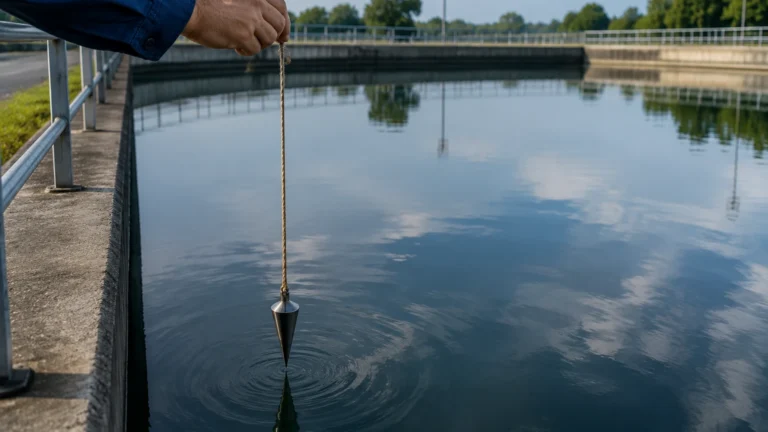
Hydrostatic measurement relies on the principle that the pressure at a specific depth in a liquid is proportional to the height of the liquid column above it. A pressure sensor at the bottom of the tank (or submerged) converts this pressure into a level reading. Here, the 67.5×2 specification might relate to the seal of the diaphragm assembly or the cable entry gland in submersible models.
Magnetic Level Gauges
Magnetic level gauges use a float containing a permanent magnet system. As the liquid level changes, the float moves within a bypass chamber, actuating a series of magnetic flags or a transmitter on the outside of the chamber. This technology is strictly mechanical and visual but often includes electronic transmitters for remote monitoring. The gaskets used in the flange connections of the bypass chamber are critical for safety, especially in high-pressure oil and gas applications.
The Significance of 67.5×2 Dimensions in Hardware Selection
In the context of level meter assembly, the 67.5×2 dimension is most commonly associated with sealing rings or gaskets. In mechanical engineering, a seal must be precisely sized to fit its groove or seating surface to achieve the necessary compression set.
1. O-Ring Sealing: If 67.5×2 refers to an O-ring (Inner Diameter x Cross Section), it is often used in the sealing of sensor heads or the covers of explosion-proof housings. A 2 mm cross-section provides a slim profile suitable for compact industrial instruments while ensuring enough elasticity to compensate for surface irregularities.
2. Flat Gaskets: If the dimension refers to a flat gasket (Outer Diameter x Thickness or similar), it may be used in sight glass assemblies or small flange adapters. In these cases, the 2 mm thickness is standard for providing a balance between compressibility and structural integrity under bolt load.
3. Material Compatibility: The effectiveness of a 67.5×2 seal depends heavily on the material. Common materials include:
* FKM (Viton): High temperature and chemical resistance.
* EPDM: Excellent for water treatment and steam applications.
* PTFE: Superior chemical inertness for aggressive acids.
* NBR: Standard for oil and fuel applications.
Technical Comparison of Level Measurement Technologies
Choosing the right instrument involves evaluating the process conditions against the capabilities of the technology. The following table provides a reference for selection based on common industrial criteria.
| Technology | Accuracy | Pressure Range | Temp Range | Media Characteristics |
| :— | :— | :— | :— | :— |
| Radar | ±1 mm to ±5 mm | Up to 40 bar+ | -40°C to +250°C | Liquids, Solids, Slurries |
| Ultrasonic | ±0.25% of range | Atmospheric | -40°C to +80°C | Clear liquids, wastewater |
| Hydrostatic | ±0.1% to ±0.5% | Dependent on depth | -20°C to +100°C | Uniform density liquids |
| Magnetic Gauge | ±5 mm to ±10 mm | Up to 160 bar | -196°C to +400°C | Clean liquids, high pressure |
For more detailed product specifications and to explore specific hardware configurations, engineers should consult the Main Page of the manufacturer’s technical catalog.
Installation Considerations for Components Using 67.5×2 Seals
Proper installation is as important as correct sizing. When dealing with 67.5×2 seals in level measurement devices, the following engineering practices should be observed:
Surface Preparation
Before installing a 67.5×2 O-ring or gasket, ensure that the sealing grooves and mating surfaces are clean and free of scratches. Even a microscopic burr can create a leak path, especially in gas applications or high-vacuum environments. Use a lint-free cloth and a compatible solvent for cleaning.
Lubrication
For O-rings, a light coating of a compatible lubricant (such as silicone grease for EPDM or NBR) can prevent the seal from twisting or pinching during assembly. This is particularly important for the 2 mm cross-section of a 67.5×2 ring, which is more susceptible to torsion than thicker rings.
Torque Requirements
If the 67.5×2 component is a flat gasket used in a flanged connection, such as on a magnetic level gauge bypass, bolt torque must be applied in a star pattern. This ensures even compression. Over-tightening can crush a 2 mm gasket, leading to premature failure, while under-tightening will result in leaks during pressure testing.
Environmental Protection
In outdoor installations, level meters are exposed to UV radiation and extreme temperature fluctuations. Seals must be checked for "dry rot" or thermal hardening. A 67.5×2 seal that has lost its elasticity will no longer provide a reliable barrier against moisture, which can lead to the failure of the internal electronics in radar or ultrasonic transmitters.

Limitations and Application Boundaries
While 67.5×2 components are versatile, they have specific limitations based on the hardware they support:
* Pressure Limits: A 2 mm cross-section O-ring may require back-up rings if the process pressure exceeds 100 bar, depending on the gap between the mating parts. In high-pressure level measurement, the extrusion of the seal is a primary risk.
* Chemical Attack: A seal that is perfectly sized (67.5×2) but made of the wrong material will fail rapidly. For example, using NBR in a concentrated nitric acid application will cause the seal to swell and disintegrate.
* Vibration: In applications with heavy pump vibration, mechanical seals and gaskets can shift. Level meters should be mounted with vibration-dampening supports if the 67.5×2 seals show signs of wear from movement.
Frequently Asked Questions (FAQ)
Q: Can I replace a 67.5×2 O-ring with a 68×2 O-ring in a level meter housing?
A: It is not recommended. While 0.5 mm seems negligible, O-ring grooves are engineered for specific stretch and squeeze percentages. A larger ring may bunch up during installation, preventing a proper seal and potentially damaging the housing threads.
Q: What is the shelf life of 67.5×2 elastomeric seals?
A: This depends on the material. NBR typically has a shelf life of 5–15 years, while FKM and Silicone can last 20 years or more if stored in a cool, dark place away from ozone-generating equipment.
Q: How do I know if my Welk level meter uses a 67.5×2 seal?
A: You should refer to the technical drawing or the spare parts list provided with the instrument. These dimensions are often found in the "Mechanical Specifications" section of the user manual.
Q: Does the 67.5×2 dimension affect the accuracy of a radar level meter?
A: Not directly. However, if the seal fails and moisture enters the antenna housing, it can cause signal attenuation or internal reflections, which will significantly degrade the accuracy and reliability of the measurement.
Conclusion
In the complex ecosystem of industrial automation, the reliability of a level measurement system is often dependent on the smallest components. The 67.5×2 specification represents a standard of precision required to maintain the boundary between the process medium and the external environment. By understanding the measurement principles of radar, ultrasonic, and magnetic gauges, and by adhering to strict installation and material selection guidelines, engineers can ensure that their level measurement solutions provide accurate data for years to come. For further technical support and to review comprehensive product options, visiting the Main Page is the recommended next step for project planning and procurement.