Ammonia Loading
Ammonia Loading
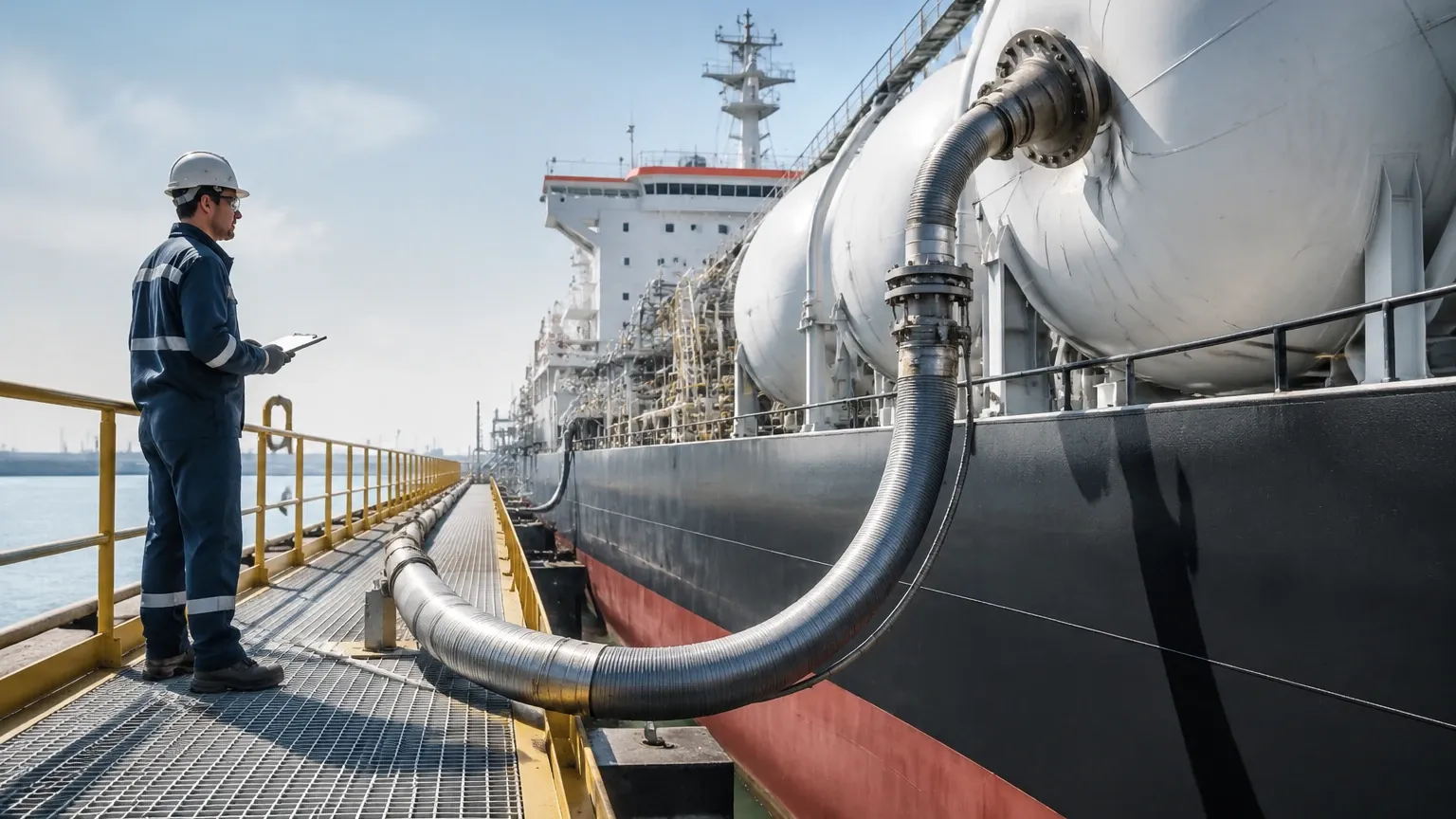
Ammonia (NH3) is one of the most widely produced industrial chemicals globally, serving as a fundamental building block for fertilizers, refrigerants, and various chemical precursors. However, the process of ammonia loading—whether from production facilities into railcars, tanker trucks, or marine vessels—presents significant engineering challenges. Ammonia is hazardous, toxic, and often stored under high pressure or at cryogenic temperatures. Precise level measurement is not merely a matter of process efficiency; it is a critical safety requirement to prevent overfilling, environmental release, and equipment damage.
In industrial automation, selecting the correct instrumentation for ammonia loading requires a deep understanding of the physical properties of the medium and the mechanical constraints of the loading environment. This article examines the technologies, selection criteria, and installation best practices for managing level measurement during ammonia loading operations.
The Critical Role of Level Measurement in Ammonia Loading
Ammonia loading involves the transfer of anhydrous ammonia or aqueous ammonia solutions between storage tanks and transport containers. Anhydrous ammonia is particularly challenging because it is typically handled as a liquefied gas. To maintain its liquid state, it must be kept under pressure (approximately 10 bar at 25°C) or refrigerated to -33.3°C (-28°F) at atmospheric pressure.
Reliable level measurement during the loading process serves several functions:
1. Overfill Prevention: Preventing a tank from reaching 100% capacity is vital to allow for thermal expansion of the liquid. Most regulations require loading to stop at 85% to 98% of the total volume.
2. Inventory Accuracy: High-precision measurement ensures that the correct mass of product is transferred, which is essential for commercial transactions and regulatory reporting.
3. Pump Protection: Level sensors prevent pumps from running dry, which could lead to mechanical failure or hazardous overheating.
4. Leak Detection: Discrepancies between the source tank level and the receiving vessel level can indicate leaks in the transfer piping.
Measurement Principles for Ammonia Applications
Before selecting a specific instrument, engineers must understand the physical principles governing different measurement technologies and how they interact with ammonia.
Radar Level Measurement (FMCW and TDR)
Radar technology is the gold standard for ammonia loading due to its non-contact nature and high accuracy. There are two primary types used in the industry:
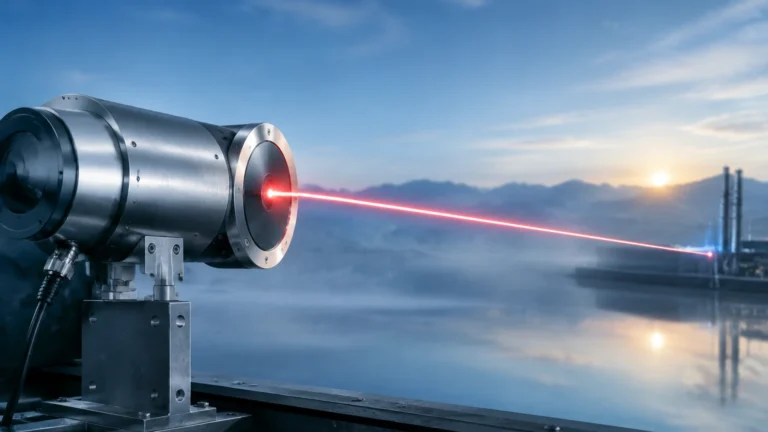
* Non-Contact Radar (FMCW): Frequency Modulated Continuous Wave radar emits a high-frequency signal (typically 26GHz or 80GHz) that reflects off the liquid surface. The distance is calculated based on the frequency shift. 80GHz radar is preferred for ammonia loading because its narrow beam angle allows it to avoid internal tank obstructions and handle the turbulence often present during high-speed loading.
* Guided Wave Radar (GWR): Based on Time Domain Reflectometry (TDR), GWR sends a low-energy microwave pulse down a probe or cable. When the pulse hits the ammonia surface, a portion of the energy is reflected back. GWR is highly effective for ammonia because the probe guides the signal, making it less susceptible to the heavy vapors and foam that can occur in ammonia tanks.
Magnetic Level Gauges (MLG)
Magnetic level gauges consist of a bypass chamber mounted to the side of the vessel. Inside the chamber, a float containing a high-intensity magnet follows the liquid level. Outside the chamber, a series of magnetic flags or a transmitter tracks the float's position. This provides a clear visual indication for operators and a redundant electronic signal for the control system. Because the ammonia is contained within a sealed stainless steel chamber, MLGs are exceptionally safe for toxic media.
Ultrasonic Level Sensors
Ultrasonic sensors use sound waves to measure distance. While cost-effective for many liquids, they are generally not recommended for anhydrous ammonia loading. Ammonia vapor is highly absorptive and changes the speed of sound unpredictably as temperature and pressure fluctuate, leading to significant measurement errors.
Hydrostatic Pressure Measurement
This method measures the pressure exerted by the liquid column. While reliable, it requires compensation for the density of the ammonia, which changes significantly with temperature. In pressurized loading scenarios, a differential pressure (DP) transmitter is required to account for the vapor space pressure above the liquid.
Technical Challenges of Anhydrous Ammonia
Designing a system for ammonia loading requires addressing specific physical properties that can interfere with standard instrumentation.
Low Dielectric Constant
Ammonia has a relatively low dielectric constant ($ε_r ≈ 1.6$ to 2.0). Radar signals rely on a change in the dielectric constant at the air-to-liquid interface to create a reflection. A low dielectric constant means the reflection is weak. Modern radar transmitters, such as those provided by Welk, utilize advanced signal processing to track these faint echoes reliably.
Vapor Blankets and Gas Phase Effects
In pressurized tanks, the space above the liquid is filled with concentrated ammonia vapor. This vapor can slow down the speed of radar pulses (the "gas phase effect"). If not compensated for, this can result in a measurement error where the level appears lower than it actually is. High-end Guided Wave Radars often include a reference reflection feature to automatically compensate for these gas phase variations.
Material Compatibility
Ammonia is highly corrosive to copper, brass, and many zinc alloys. All wetted parts of the level measurement system—including probes, flanges, and gaskets—must be constructed from compatible materials, typically 316L Stainless Steel, Hastelloy, or PTFE. To ensure your equipment meets these rigorous standards, you should Review product options and application support from a qualified manufacturer.
Selection Criteria and Technology Comparison
When selecting a level instrument for ammonia loading, engineers should evaluate the following parameters:
| Technology | Accuracy | Pressure/Temp Resistance | Suitability for Ammonia | Key Limitation |
| :— | :— | :— | :— | :— |
| 80GHz Radar | ±1 mm | High | Excellent | Requires careful nozzle positioning |
| Guided Wave Radar | ±2 mm | High | Excellent | Probe can be affected by heavy coating |
| Magnetic Level Gauge | ±5 mm | High | Excellent | Mechanical float can get stuck if debris is present |
| Hydrostatic DP | ±0.1% FS | Medium | Good | Sensitive to density changes |
| Ultrasonic | ±10 mm | Low | Poor | Vapor interference leads to signal loss |
Installation Best Practices for Loading Stations
Proper installation is as critical as technology selection. For ammonia loading, the following guidelines should be followed:
1. Stilling Wells and Bypass Chambers: For non-contact radar or GWR in turbulent loading environments, installing the sensor inside a stilling well or a bypass chamber can eliminate surface foam and ripples, providing a much cleaner signal.
2. Nozzle Geometry: Ensure the nozzle height and diameter do not interfere with the radar beam. For 80GHz radar, nozzles should be kept short to minimize internal reflections.
3. Insulation and Heat Tracing: In refrigerated ammonia applications, the instrument flange and bypass chamber should be insulated to prevent ice buildup, which can interfere with the movement of magnetic floats or the transmission of radar signals.
4. Redundancy: For safety-critical loading (SIL 2/3 requirements), it is common practice to use two different technologies—such as a Guided Wave Radar for continuous measurement and a separate vibrating fork level switch for high-high level alarms.
Limitations and Considerations
While modern instrumentation is robust, ammonia loading environments have inherent limitations. One primary concern is boiling and flashing. During the initial stages of loading, the pressure drop can cause the ammonia to flash into gas, creating significant foam. This foam can absorb radar signals. In such cases, GWR with a coaxial probe is often the most reliable solution as it contains the signal within a small area and is less affected by surface turbulence.
Furthermore, the ambient temperature can affect the electronics. In extremely hot climates, sunshades should be installed over the transmitter housing to prevent the internal temperature from exceeding the rated limit (usually 80°C or 176°F).
Frequently Asked Questions (FAQ)
Q: Can I use a standard pressure transmitter for ammonia level?
A: Only if it is a differential pressure (DP) transmitter and the wetted parts are 316L stainless steel. You must also account for the density changes of ammonia relative to temperature to maintain accuracy.
Q: Why is 80GHz radar better than 26GHz for ammonia?
A: The 80GHz frequency allows for a much narrower beam (3 to 4 degrees), which is better at avoiding the narrow nozzles and internal structural supports common in transport tanks.
Q: Is maintenance required for magnetic level gauges in ammonia service?
A: Yes. While they are low maintenance, the chamber should be flushed periodically to ensure no particulates are hindering the float's movement, and the magnetic flags should be checked for proper alignment.
Q: How do I handle the "Dead Zone" in loading tanks?
A: Every radar sensor has a "dead zone" or blocking distance at the top near the flange where it cannot measure. When designing a loading system, ensure the tank nozzle height is sufficient so that the maximum fill level (e.g., 95%) remains below the sensor's dead zone.
Conclusion
Ammonia loading is a high-stakes industrial process that demands precision and reliability. By moving away from older, less reliable methods like ultrasonic or manual gauging and adopting advanced Radar and Magnetic Level technologies, operators can significantly enhance safety and efficiency. Understanding the dielectric properties, vapor effects, and material compatibility requirements is the first step in designing a robust level measurement solution for ammonia service. For detailed specifications and engineering support tailored to your specific loading infrastructure, it is recommended to consult with specialists in industrial level instrumentation.