Broeidetectie Afvalverwerking
Broeidetectie Afvalverwerking
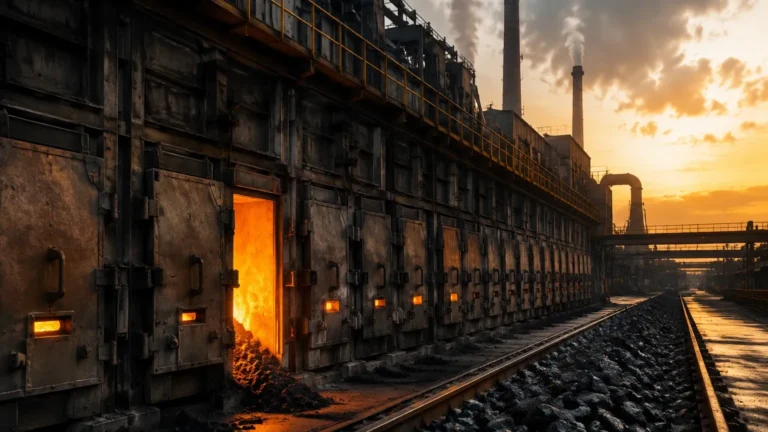
In the waste management industry, the risk of spontaneous combustion, known as "broei," is a constant operational challenge. Facilities handling municipal solid waste (MSW), biomass, recycled plastics, and paper must implement robust monitoring systems to prevent catastrophic fires. Broeidetectie afvalverwerking (heat detection in waste processing) is not merely about identifying flames; it is about the early detection of thermal anomalies deep within waste piles. Integrating advanced level measurement technologies with thermal monitoring provides a comprehensive safety and inventory management solution.
Welk, a professional manufacturer of industrial level measurement instruments, provides the high-precision sensors required to monitor these volatile environments. By combining level data with temperature and gas detection, operators can gain a three-dimensional understanding of their storage bunkers and processing lines.
Understanding the Risks of Spontaneous Combustion in Waste Management
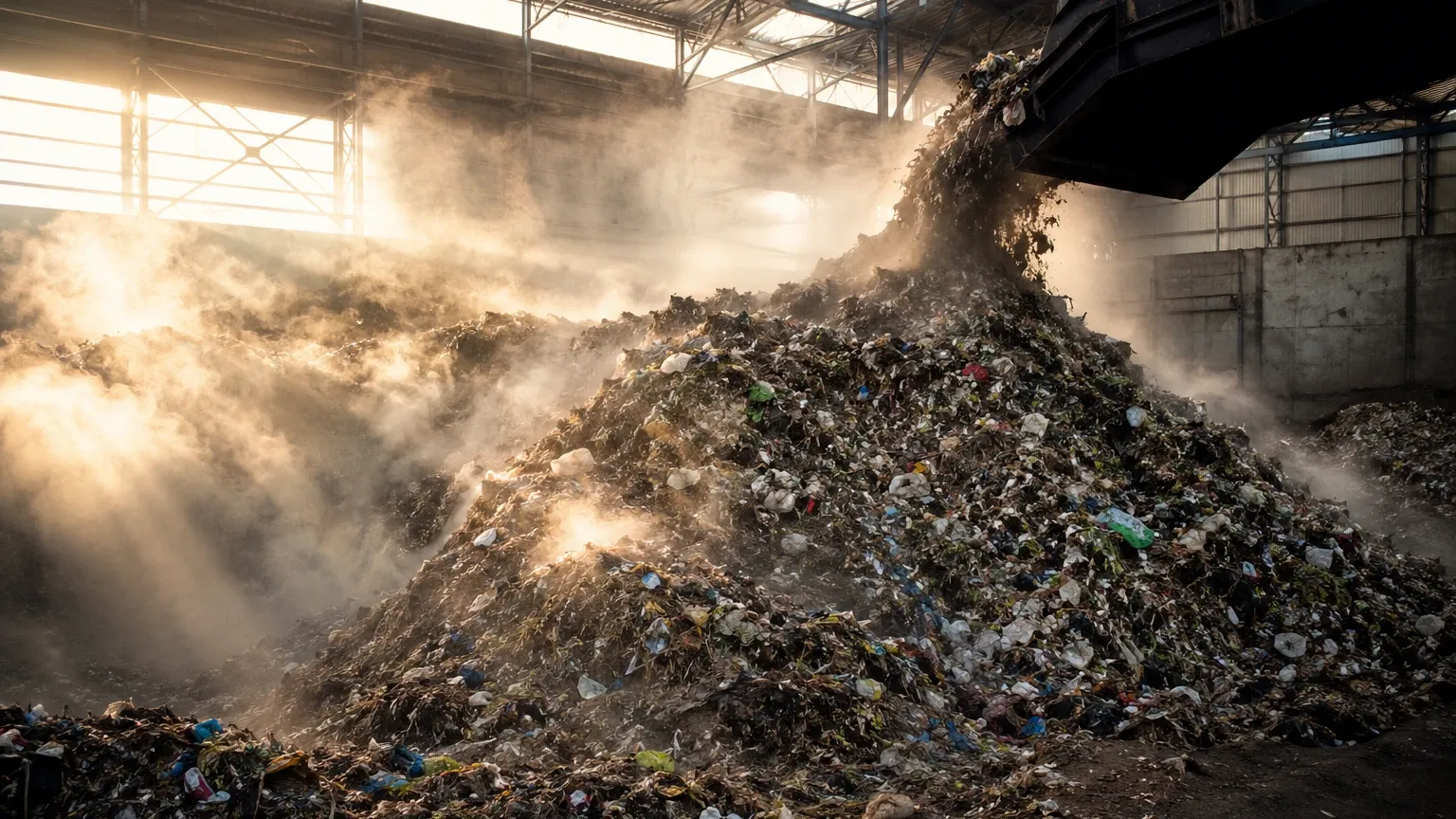
Spontaneous combustion occurs when exothermic biological or chemical reactions within a waste pile generate heat faster than it can be dissipated. As the internal temperature rises, it can reach the auto-ignition point of the material. Several factors contribute to this risk in waste processing:
1. Moisture Content: High moisture levels in organic waste promote microbial activity, which generates significant heat.
2. Material Composition: Highly flammable materials like plastics and paper provide the fuel for a fire once a hot spot develops.
3. Compaction and Volume: Larger, more compacted piles retain heat more effectively, making them more susceptible to internal "broei."
4. Storage Duration: The longer waste remains stationary, the higher the probability of heat buildup.
Effective broeidetectie afvalverwerking requires monitoring not just the surface temperature via infrared cameras, but also the physical state and volume of the waste. Sudden changes in the surface level of a pile can indicate internal collapses or expansion caused by thermal reactions.
Measurement Principles for Level and Monitoring
To manage waste safely, engineers must employ various measurement principles. Welk offers a range of technologies suited for the harsh conditions of waste facilities, including dust, moisture, and corrosive gases.
Radar Level Measurement (FMCW)
Radar level meters, particularly those utilizing Frequency Modulated Continuous Wave (FMCW) technology, are the gold standard for waste bunkers. These sensors emit a continuous signal with a varying frequency. The difference between the emitted and received frequency is proportional to the distance to the material surface.
In waste processing, 80GHz radar is preferred due to its narrow beam angle (often as small as 3 degrees). This allows the sensor to avoid internal obstructions like structural beams or ladders and provides a more accurate profile of uneven waste surfaces. Unlike ultrasonic sensors, radar signals are unaffected by dust, steam, or air temperature fluctuations, which are common during a heat event.
Ultrasonic Level Sensors
Ultrasonic sensors operate on the Time-of-Flight (ToF) principle, measuring the time it takes for a sound pulse to travel to the surface and back. While cost-effective, they are sensitive to the medium through which the sound travels. In the context of broeidetectie afvalverwerking, ultrasonic sensors must be equipped with temperature compensation to account for the rising heat above a "hot" pile, as the speed of sound changes with temperature.
Hydrostatic Level Transmitters
For the fire suppression systems that support waste facilities, monitoring water reserves is critical. Hydrostatic transmitters measure the pressure exerted by a liquid column. These are essential for ensuring that firewater tanks are always at capacity, ready to be deployed if a heat detection system triggers an alarm.
Selection Criteria for Sensors in Broeidetectie Afvalverwerking
Choosing the right instrument depends on the specific application within the waste facility. The following table provides a comparison of technologies used in these environments:
| Feature | Radar Level Meters (Welk) | Ultrasonic Sensors | Level Switches (Vibrating Fork) |
| :— | :— | :— | :— |
| Accuracy | ±2 mm | ±0.25% of range | N/A (Point detection) |
| Dust Resistance | Excellent | Moderate | High |
| Steam Resistance | Excellent | Poor | High |
| Measurement Range | Up to 120m | Up to 30m | N/A |
| Surface Type | Uneven/Solid/Liquid | Mostly flat/Liquid | Contact-based |
| Primary Use | Bunker level/Volume | Small tank monitoring | Overflow prevention |
When evaluating systems for broeidetectie afvalverwerking, engineers should prioritize sensors that can withstand the corrosive atmosphere (H2S, NH3) often found in organic waste processing. Stainless steel or PTFE-coated housings are recommended for longevity.
Integration of Level Measurement and Safety Systems
Level measurement is a critical component of a broader safety architecture. In a modern waste-to-energy plant or recycling center, the data from Welk sensors is integrated into a central PLC (Programmable Logic Controller) or SCADA system.
1. Volume-Based Risk Assessment: By knowing the exact volume of a waste pile, the system can calculate the potential heat load. If a pile exceeds a certain height, the system can trigger a "first-in, first-out" (FIFO) protocol to ensure older material is processed before it can overheat.
2. Surface Profiling: Using multiple radar sensors allows for a 3D map of the bunker. A sudden "sinkhole" in the level data can indicate that internal combustion has hollowed out the base of the pile, creating a collapse risk for personnel and equipment.
3. Fire Suppression Triggering: If thermal cameras detect a hot spot, level sensors confirm the presence of material to ensure that automated water cannons or foam systems are aimed correctly and that drainage systems (monitored by hydrostatic sensors) can handle the runoff.
For more information on selecting the right instrumentation for your facility, you can Review product options and application support on our Main Page.
Installation Considerations for Industrial Waste Environments
Proper installation is vital for the reliability of any detection or measurement system. In waste processing, the physical environment is often aggressive and dynamic.
* Mounting Position: Sensors should be mounted away from the filling stream to avoid damage from falling debris. For radar sensors, a position that allows a clear view of the center of the bunker is ideal for calculating average volume.
* Beam Angle and Obstructions: Ensure the signal beam does not intersect with structural supports. 80GHz radars are particularly useful here because their narrow beams require less clearance.
* Dead Zone (Blocking Distance): Every non-contact sensor has a minimum distance it cannot measure (the "dead zone"). For Welk ultrasonic sensors, this is typically 0.25m to 0.5m. Ensure the sensor is mounted high enough that the waste never enters this zone.
* Purging Systems: In extremely dusty environments, radar antennas may benefit from a compressed air purging connection to keep the lens clean, although radar is generally more tolerant of buildup than optical or ultrasonic systems.
Limitations and Operational Challenges
While advanced sensors significantly improve safety, there are inherent limitations to consider:
* Internal Hot Spots: Surface-level monitoring (thermal cameras) and level meters cannot always detect a fire that is deep within a highly compacted pile until it reaches the surface. This is why probe-based temperature sensors are sometimes used in conjunction with non-contact level meters.
* Material Absorbency: Some waste materials, like loose foam or high-density textiles, can absorb radar or ultrasonic signals, reducing the reflected signal strength. In these cases, high-sensitivity radar modules from Welk are required to maintain a stable reading.
* Environmental Noise: Large shredders and conveyors can create acoustic noise that interferes with ultrasonic sensors. Radar is immune to this acoustic interference.
Frequently Asked Questions (FAQ)
Q: How does broeidetectie afvalverwerking differ from standard fire detection?
A: Standard fire detection often looks for smoke or flames. Broeidetectie focuses on the "pre-fire" stage—detecting the heat buildup (broei) before ignition occurs. Level meters assist by monitoring the physical changes in the pile that accompany this heat buildup.
Q: Can radar level meters work in the presence of thick dust during waste tipping?
A: Yes. Radar waves (especially at the 80GHz frequency used by Welk) pass through dust clouds with negligible attenuation, making them far more reliable than ultrasonic or laser-based sensors in waste tipping halls.
Q: What maintenance is required for level sensors in a waste bunker?
A: Radar sensors are largely maintenance-free. However, we recommend a visual inspection every six months to check for significant material buildup on the sensor face and to ensure the mounting brackets remain secure despite the vibrations of the facility.
Q: Is it possible to measure the level of liquids like leachate?
A: Absolutely. For leachate tanks, we recommend either non-contact radar or hydrostatic level transmitters. If the liquid is prone to foaming, radar is the preferred choice as it can be configured to ignore the foam layer and measure the true liquid level.
Conclusion
Implementing a successful broeidetectie afvalverwerking strategy requires a multi-layered approach. By utilizing the precision of Welk level measurement instruments—ranging from FMCW radar to robust level switches—waste facility operators can maintain tight control over their inventory and safety protocols. Accurate level data not only optimizes processing efficiency but also serves as a critical early warning component in the prevention of spontaneous combustion fires.
For technical specifications and assistance in choosing the right sensor for your specific waste processing application, visit our Main Page to explore our full range of industrial solutions.