Cannabis Extraction Equipment for Sale
Cannabis Extraction Equipment for Sale
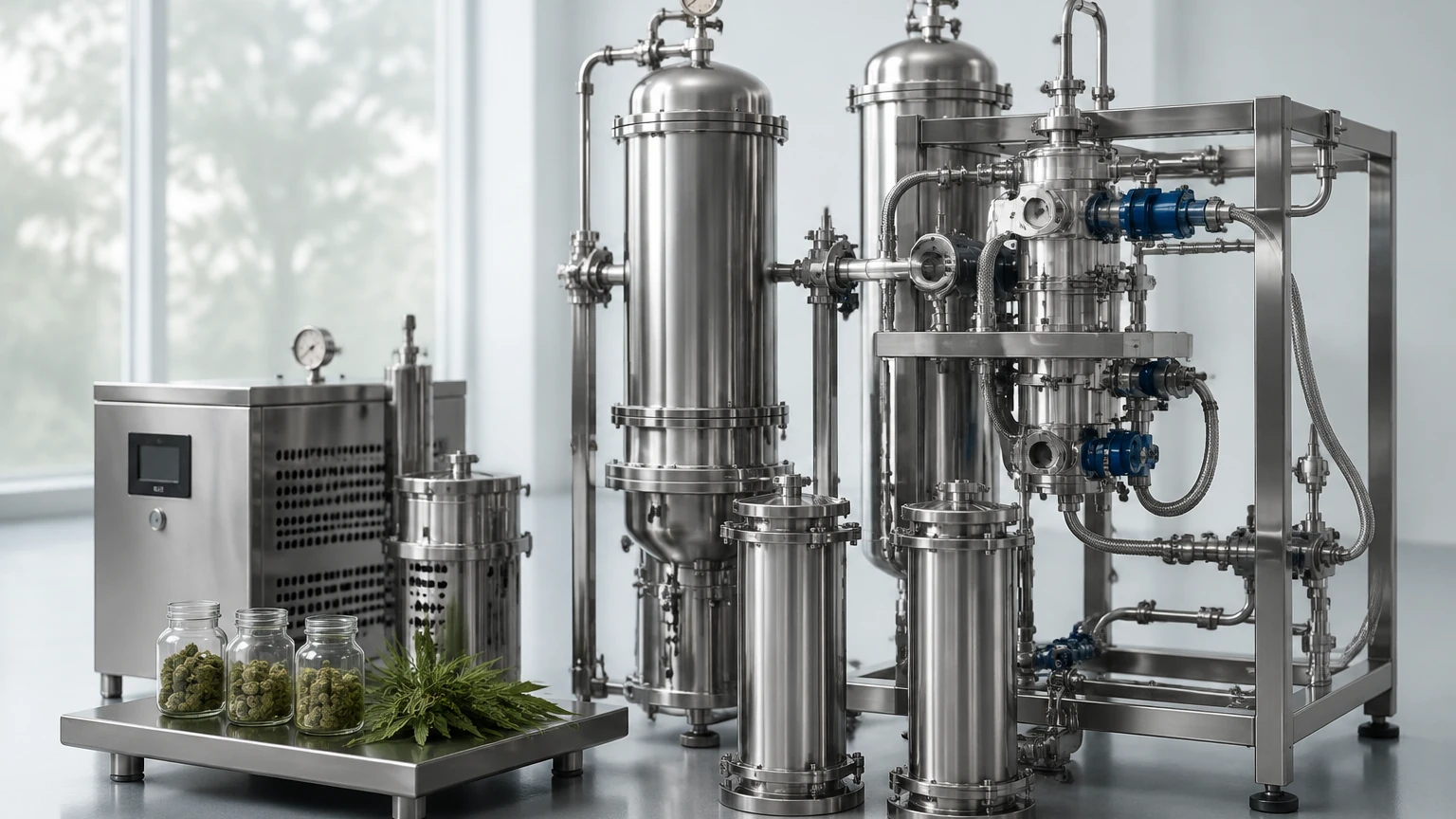
In the rapidly evolving landscape of botanical processing, the search for cannabis extraction equipment for sale often leads engineers and facility managers to focus on the primary extraction vessels and solvent recovery systems. However, the efficiency, safety, and repeatability of these systems depend heavily on the precision of their integrated instrumentation. High-quality level measurement is a cornerstone of industrial-scale extraction, ensuring that solvents are managed safely, extract yields are maximized, and automated processes run without interruption.
Industrial cannabis extraction involves complex thermodynamic processes, often utilizing volatile solvents like ethanol, butane, or supercritical CO2. Managing these fluids requires specialized sensors that can withstand high pressures, cryogenic temperatures, and hazardous environments. This guide explores the technical requirements for level instrumentation within extraction systems, helping buyers evaluate the internal components of the cannabis extraction equipment for sale on the market today.
The Role of Level Measurement in Cannabis Extraction
Level measurement instruments serve several critical functions within a professional extraction facility. From the initial storage of raw solvents to the final collection of crude oil, every stage of the process requires accurate data to maintain mass balance and safety protocols.
1. Solvent Inventory Management: Large-scale operations maintain bulk tanks of ethanol or hydrocarbons. Precise level monitoring prevents overfilling during delivery and ensures that the extraction line never runs dry.
2. Process Automation: Automated extraction systems rely on level switches and continuous transmitters to trigger pump actions, valve openings, and heater cycles. Without reliable data, the risk of equipment damage or batch loss increases significantly.
3. Safety and Compliance: Many extraction solvents are flammable or operate under high pressure. Level sensors provide the necessary feedback for high-level alarms (HLA) and redundant safety shut-off systems, which are often required by local fire codes and insurance providers.
Understanding Measurement Principles for Extraction Processes
Before selecting a specific instrument, it is essential to understand the underlying measurement principles. Different technologies excel in different parts of the extraction workflow.
Radar Level Measurement (Non-Contact)
Radar level meters emit high-frequency electromagnetic waves (typically in the GHz range) that reflect off the surface of the liquid. The time-of-flight between emission and reception determines the distance to the product.
* Advantages: Radar is unaffected by changes in temperature, pressure, or vapor space composition. This makes it ideal for supercritical CO2 extraction where pressures can exceed 70 bar (1,015 PSI) and temperatures fluctuate rapidly.
* Application: Best for solvent recovery tanks and pressurized primary extraction vessels.
Ultrasonic Level Sensors
Ultrasonic sensors use sound waves to measure the distance to the liquid surface. While cost-effective, they are sensitive to the speed of sound, which changes based on the air temperature and the presence of heavy vapors.
* Advantages: Non-contact and easy to install in atmospheric tanks.
* Application: Suitable for water treatment tanks in facility utility rooms or non-volatile liquid storage at ambient temperatures.
Hydrostatic Level Transmitters
These sensors measure the pressure exerted by the liquid column at the bottom of a tank. Since pressure is directly proportional to the height of the liquid and its density, the level can be calculated precisely.
* Advantages: Highly reliable for tall, vertical storage tanks where top-down access is limited.
* Application: Used in bulk ethanol storage and large wastewater collection tanks.
Magnetic Level Gauges and Switches
Magnetic level gauges provide a visual indication of the level through a bypass chamber, while magnetic switches provide point-level detection for high/low alarms.
* Advantages: They do not require power for visual indication and are extremely rugged in high-vibration environments.
* Application: Ideal for redundant safety monitoring on solvent tanks.
Critical Applications within Extraction Systems
When evaluating cannabis extraction equipment for sale, it is vital to verify that the level instrumentation is matched to the specific chemical and physical demands of each sub-system.
Solvent Recovery and Distillation
In ethanol extraction, solvent recovery is the most energy-intensive step. Evaporators and falling film systems must maintain a precise liquid level to ensure optimal heat transfer. If the level is too high, unrefined oil may carry over into the condenser; if too low, the heating surfaces may scorch the product. Radar level meters are preferred here due to their ability to ignore the heavy ethanol vapors present in the headspace.
Hydrocarbon Extraction (BHO/PHO)
Systems using butane or propane operate under moderate pressure and require Class I, Division 1 (CID1) rated equipment. Level switches used in these systems must be explosion-proof. Magnetic level indicators are frequently used because they provide a clear physical reference for operators working in hazardous zones.
CO2 Extraction
Supercritical CO2 systems operate at very high pressures. Level sensors must be housed in high-pressure-rated flanges. Guided wave radar (GWR) is often utilized in these applications because the probe guides the signal through the turbulent environment often found in CO2 separators.
Technical Selection Table for Level Instrumentation
| Application | Recommended Technology | Pressure Range | Temperature Range | Key Benefit |
| :— | :— | :— | :— | :— |
| Bulk Ethanol Storage | Hydrostatic / Radar | Atmospheric | -20°C to 40°C | Accuracy in large volumes |
| Ethanol Recovery (Evaporator) | Radar (Non-contact) | Vacuum to 2 bar | 30°C to 80°C | Ignores vapor and foam |
| CO2 Separator | Guided Wave Radar | Up to 100 bar | -40°C to 100°C | High-pressure stability |
| Hydrocarbon Storage | Magnetic Gauge | 5 to 15 bar | -40°C to 30°C | Visual safety check |
| Wastewater / Cooling Water | Ultrasonic | Atmospheric | 5°C to 50°C | Cost-effective |
Installation and Safety Considerations in Hazardous Environments
Because the cannabis extraction industry frequently utilizes flammable solvents, the installation of level measurement instruments must adhere to strict safety standards. When browsing cannabis extraction equipment for sale, ensure the sensors meet the following criteria:
* Hazardous Area Certification: In North America, sensors should be rated for Class I, Div 1 or Div 2. In Europe and other regions, ATEX or IECEx certifications are required. This ensures the electronics are encapsulated or intrinsically safe, preventing them from becoming an ignition source.
* Material Compatibility: The wetted parts of the sensor (the parts that touch the liquid) must be compatible with the solvent. 316L stainless steel is the industry standard for its corrosion resistance and ease of cleaning (CIP/SIP compatibility).
* Mounting Position: Sensors should be mounted away from inlet pipes to avoid false readings caused by turbulence. For radar and ultrasonic sensors, a "dead zone" or "blocking distance" exists near the sensor face where measurement is not possible; the tank design must account for this to prevent overfilling.
Limitations and Troubleshooting Common Issues
Even the most advanced level meters have limitations that can impact the performance of extraction equipment.
* Foaming: In some extraction processes, particularly during the initial stages of solvent-oil separation, heavy foam can develop. Ultrasonic sensors may lose signal in foam, whereas high-frequency radar can typically penetrate it.
* Dielectric Constant: Radar sensors rely on the dielectric constant of the liquid to reflect the signal. Pure hydrocarbons have low dielectric constants, which may require the use of guided wave radar or specialized high-sensitivity non-contact radar to ensure a strong return signal.
* Condensation: In cold extraction processes, condensation can form on the sensor face. Welk radar units often feature drip-off lens designs or PTFE coatings to prevent moisture buildup from interfering with the signal.
Frequently Asked Questions (FAQs)
Q: Can I use a standard water level sensor for ethanol extraction?
A: No. Ethanol is flammable and requires explosion-proof or intrinsically safe sensors. Additionally, the vapor pressure of ethanol can interfere with ultrasonic sensors, making radar a much more reliable choice.
Q: How often should level sensors in extraction equipment be calibrated?
A: For critical process control, annual calibration is recommended. However, for bulk storage, many modern digital radar and hydrostatic sensors remain stable for several years without significant drift.
Q: Does the viscosity of the cannabis oil affect the level reading?
A: Non-contact methods like radar and ultrasonic are unaffected by viscosity. Hydrostatic sensors are also unaffected as long as the density of the mixture is known and remains relatively constant.
Conclusion
Selecting the right cannabis extraction equipment for sale involves more than just comparing vessel sizes and throughput rates. The precision of the level measurement instruments integrated into the system determines the safety, automation potential, and overall quality of the final product. By understanding the measurement principles—from radar to hydrostatic pressure—engineers can ensure they choose a solution that stands up to the rigors of industrial processing.
For those looking to integrate professional-grade sensors into their extraction lines or to replace existing instrumentation with more reliable technology, it is important to consult with specialists who understand the nuances of industrial automation. To explore a full range of high-performance radar, ultrasonic, and hydrostatic sensors tailored for industrial applications, you can Review product options and application support on our Main Page. Ensuring your extraction facility is equipped with accurate level measurement is a vital step toward operational excellence and long-term scalability in the cannabis industry.