Cannabis Extractor
Cannabis Extractor
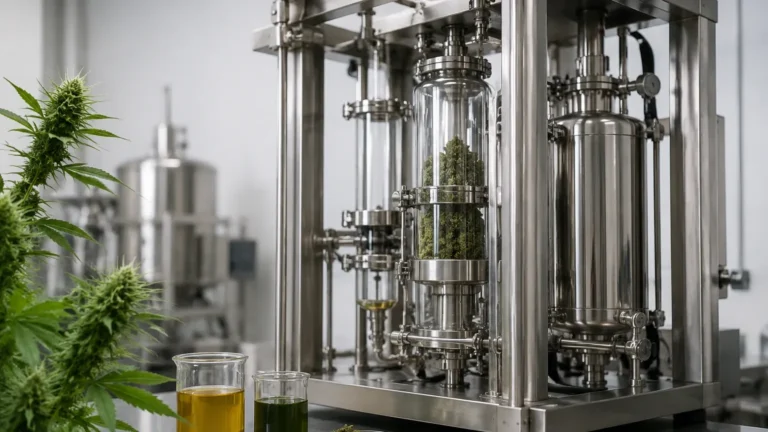
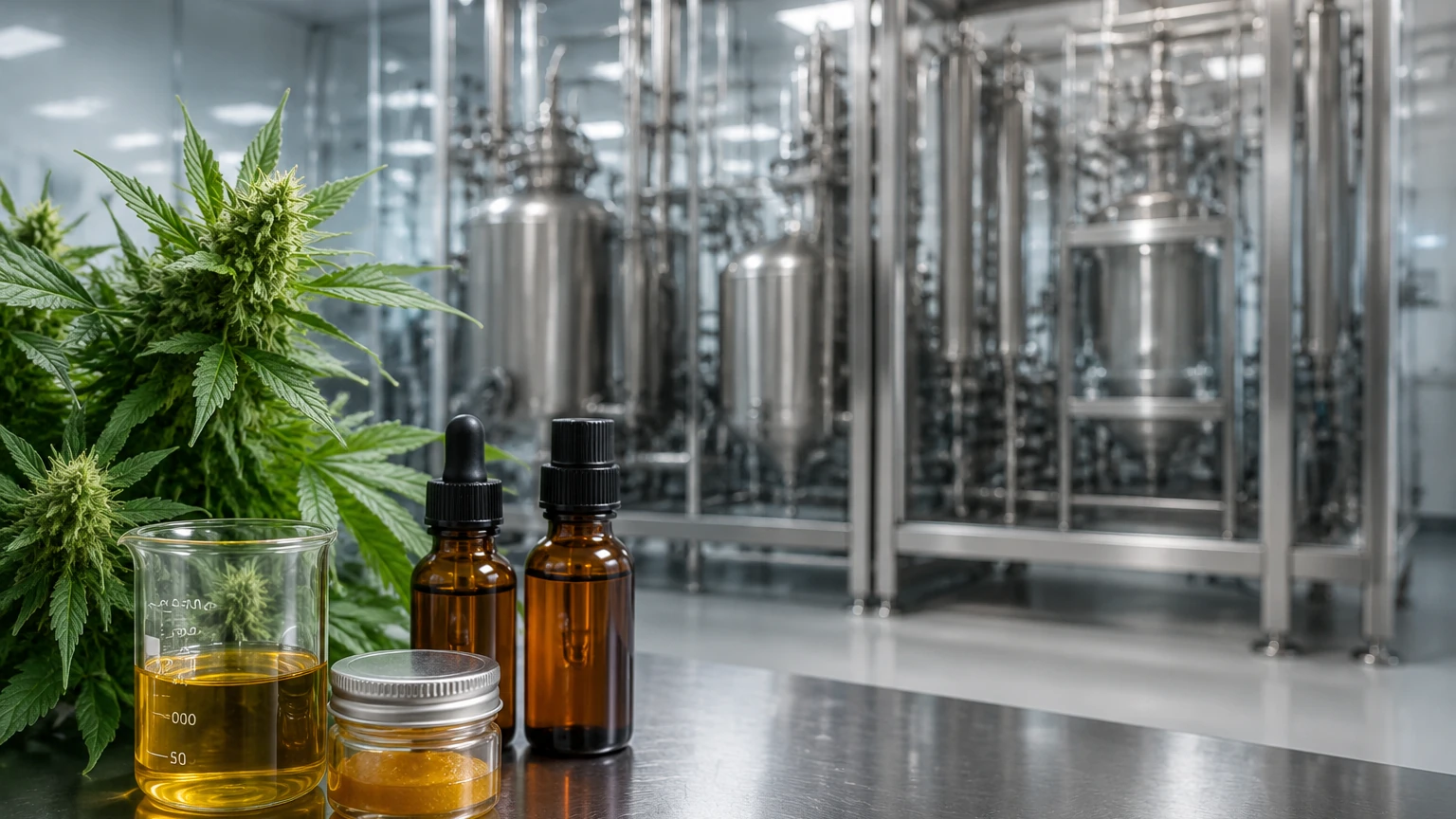
In the rapidly evolving landscape of botanical processing, the cannabis extractor serves as the central hub for producing high-quality oils, distillates, and isolates. Whether utilizing hydrocarbons, ethanol, or supercritical CO2, these systems require rigorous process control to ensure safety, efficiency, and product consistency. At the heart of this control is the precise measurement of liquid levels within various vessels, including solvent storage tanks, extraction chambers, and collection reservoirs.
For engineers and facility managers, selecting the appropriate level measurement technology is critical. The volatile nature of solvents, the high pressures of CO2 systems, and the sanitary requirements of the industry necessitate a deep understanding of how different sensors interact with the extraction environment. This guide explores the principles of level measurement within a cannabis extractor and provides technical insights for optimal instrument selection.
Principles of Level Measurement in Extraction Systems
Before selecting a sensor for a cannabis extractor, it is essential to understand the physical principles governing the most common measurement technologies. Each method offers distinct advantages depending on the vessel's geometry and the physical properties of the fluid.
1. Radar Level Measurement (Non-Contact)
Radar level meters operate on the Time-of-Flight (ToF) principle. The sensor emits high-frequency microwave pulses (typically in the 26 GHz or 80 GHz range) that travel toward the liquid surface. When the pulses hit the medium, they are reflected back to the sensor. The distance is calculated based on the time interval between emission and reception.
In a cannabis extractor, radar is highly valued because it is non-contact. This means the sensor is not affected by the viscosity of crude oils or the corrosive nature of certain solvents. High-frequency 80 GHz radar is particularly effective for small extraction vessels because its narrow beam angle avoids interference from internal agitators or baffles.
2. Hydrostatic Level Measurement
Hydrostatic transmitters measure the pressure exerted by a liquid column at the bottom of a tank. The relationship is defined by the formula:
*P = ρ · g · h*
Where *P* is pressure, *ρ* is the density of the fluid, *g* is gravity, and *h* is the height of the liquid.
This technology is robust and cost-effective for vented tanks or vessels with stable densities. However, in a cannabis extractor where solvent densities may change with temperature, or where tanks are pressurized, differential pressure (DP) hydrostatic measurement is required to compensate for the overhead gas pressure.
3. Ultrasonic Level Measurement
Ultrasonic sensors function similarly to radar but use sound waves instead of microwaves. The sensor emits an ultrasonic pulse that reflects off the liquid surface. While effective for water-based processes, ultrasonic sensors face challenges in extraction environments where solvent vapors can change the speed of sound, leading to measurement inaccuracies.
4. Magnetic Level Gauges
Magnetic level gauges (MLGs) provide both a visual indication and a transmitted signal. A float containing a permanent magnet moves with the liquid level inside a bypass chamber. Outside the chamber, magnetic flags flip to show the level, while a reed-chain or magnetostrictive transmitter sends a 4-20mA signal to the control system. This is an excellent choice for high-pressure CO2 extraction where a physical visual reference is required for safety.
The Role of Level Sensors in the Extraction Process
A professional-grade cannabis extractor relies on level sensors at several critical stages to automate the flow of materials and prevent equipment failure.
Solvent Management and Recovery
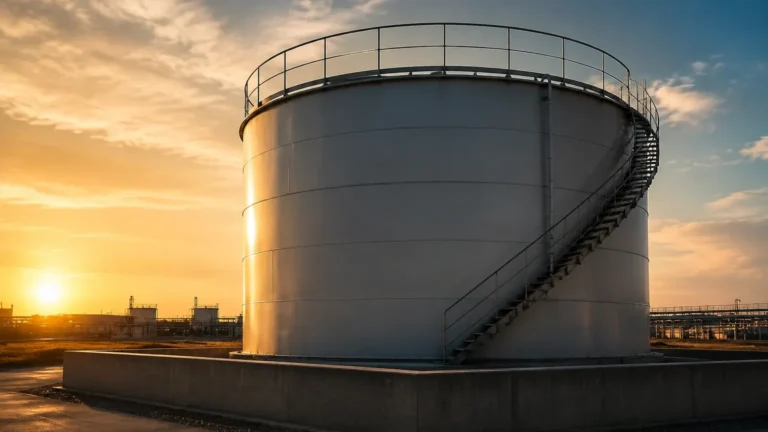
In ethanol or hydrocarbon extraction, solvents are stored in large chilled tanks. Maintaining an accurate inventory is vital for batch consistency. Hydrostatic or radar sensors allow the system to monitor solvent depletion and trigger automated refill cycles. During the recovery phase, where the solvent is evaporated away from the oil, level switches prevent the evaporator from running dry, which could lead to overheating and product degradation.
Biomass Saturation
In some closed-loop systems, the extraction vessel is flooded with solvent to soak the biomass. Level sensors ensure that the vessel is filled to the correct height (e.g., 500 mm or 20 inches) to ensure full saturation without overfilling, which could lead to solvent escaping into the vacuum lines.
Crude Oil Collection
As the extract is collected, it often becomes highly viscous. Non-contact radar sensors are preferred here, as they do not become fouled by the thick, resinous oil. Accurate level data in the collection vessel helps operators determine when a batch is complete and ready for the next stage of refinement, such as winterization or decarboxylation.
Technical Selection Criteria
Choosing the right instrument for a cannabis extractor involves evaluating the chemical compatibility, pressure ratings, and environmental conditions. Use the following criteria to guide your selection:
* Chemical Compatibility: Ensure that all wetted parts (e.g., 316L stainless steel, PTFE, or Hastelloy) are resistant to the solvents used, such as ethanol, butane, or propane.
* Pressure and Temperature: CO2 extraction often operates at pressures exceeding 70 bar (1,015 psi). Sensors must be rated for these extremes. Conversely, cryogenic ethanol extraction may reach temperatures as low as -80°C (-112°F), requiring specialized low-temperature seals.
* Hazardous Area Ratings: Since many extractors use flammable solvents, instrumentation must carry explosion-proof (Ex d) or intrinsically safe (Ex i) certifications, such as ATEX or IECEx.
* Sanitary Standards: To meet GMP (Good Manufacturing Practice) standards, sensors should feature tri-clamp connections and polished surfaces to prevent bacterial growth and facilitate Cleaning-in-Place (CIP).
Selection Table for Extraction Applications
| Sensor Type | Best For | Advantages | Limitations |
| :— | :— | :— | :— |
| 80 GHz Radar | Small vessels, crude oil | High precision, non-contact | Higher initial cost |
| Hydrostatic | Large solvent storage | Reliable, easy to install | Sensitive to density changes |
| Magnetic Gauge | High-pressure CO2 | Visual + Electronic, safe | Requires bypass piping |
| Ultrasonic | Water/Wastewater | Low cost | Affected by solvent vapors |
| Level Switch | Overfill protection | Simple, fail-safe | Point measurement only |
Installation Considerations for Extractors
Proper installation is as important as sensor selection. For a cannabis extractor, several factors must be addressed to ensure long-term reliability:
1. Mounting Position: Sensors should be mounted away from the tank inlet to avoid false readings caused by turbulent filling. For radar sensors, ensure there is a clear "line of sight" to the liquid surface, free from internal obstructions.
2. Stilling Wells: In vessels with significant agitation or surface foam, a stilling well (a vertical pipe) can be used to provide a calm surface for the sensor to measure. This is common in large ethanol extraction tanks.
3. Nozzle Height: The mounting nozzle should be kept as short as possible to minimize the "dead zone" at the top of the sensor's range. For 80 GHz radar, a nozzle height of 100 mm (4 inches) is typically acceptable.
4. Grounding: In hydrocarbon environments, ensure all instrumentation is properly grounded to prevent static discharge, which is a significant fire hazard in extraction facilities.
Limitations and Challenges
While modern level meters are highly advanced, certain conditions in a cannabis extractor can challenge their accuracy:
* Foaming: During solvent evaporation, heavy foam can develop. While radar can penetrate some foam, thick layers may absorb the signal. In these cases, a magnetic level gauge or a guided wave radar (GWR) may be more effective.
* Dielectric Constant: Radar sensors rely on the dielectric constant (εr) of the liquid. Solvents like butane have a very low dielectric constant, which results in a weaker reflection. Choosing a high-sensitivity radar sensor is essential for these fluids.
* Vapor Clouds: In high-pressure CO2 systems, the gas phase can become very dense, potentially slowing down the travel time of ultrasonic waves. Radar is generally unaffected by these vapors.
Frequently Asked Questions (FAQs)
Q: Can I use a standard water level sensor in my cannabis extractor?
A: Generally, no. Extraction processes involve solvents and oils that require specific chemical compatibility and often hazardous area certifications that standard water sensors do not possess.
Q: How often should I calibrate the level sensors in my extractor?
A: For GMP-compliant facilities, annual calibration is standard. However, if you are using hydrostatic sensors and frequently change solvent blends (altering density), more frequent checks may be necessary.
Q: Is non-contact radar better than guided wave radar for crude oil?
A: Non-contact radar is usually preferred for crude oil because there is no probe for the viscous oil to cling to, which reduces maintenance and the risk of signal degradation over time.
Q: What is the best way to monitor levels in a cryogenic ethanol tank?
A: A hydrostatic transmitter with a remote seal or a high-frequency radar sensor rated for low temperatures is best. Ensure the seals are made of materials like PTFE that remain flexible at -80°C.
Conclusion
Precision level measurement is a cornerstone of safe and efficient cannabis extraction. By understanding the principles of radar, hydrostatic, and magnetic measurement, operators can select the right tools to optimize their solvent recovery and oil collection processes. Implementing the correct instrumentation not only improves batch consistency but also ensures compliance with safety and sanitary regulations. For a comprehensive overview of available instrumentation and technical specifications for industrial level control, visit our Main Page.
When designing or upgrading a cannabis extractor, always consult with instrumentation experts to ensure that the chosen sensors meet the specific pressure, temperature, and chemical requirements of your facility. Proper planning at the selection stage prevents costly downtime and ensures the longevity of your extraction equipment.