Automated Sewage Receiving
Automated Sewage Receiving
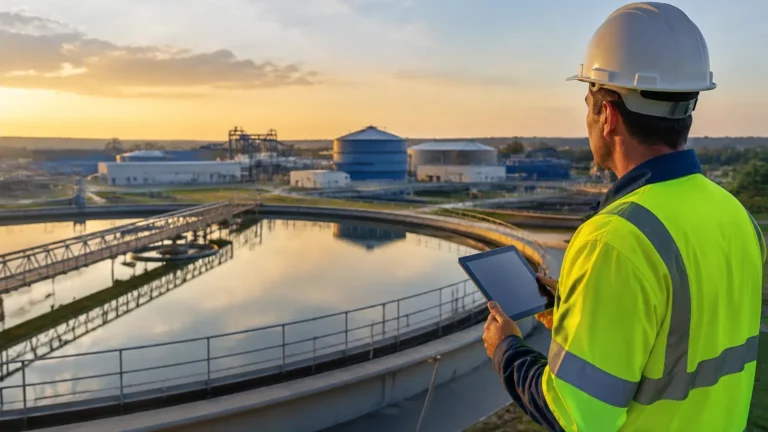
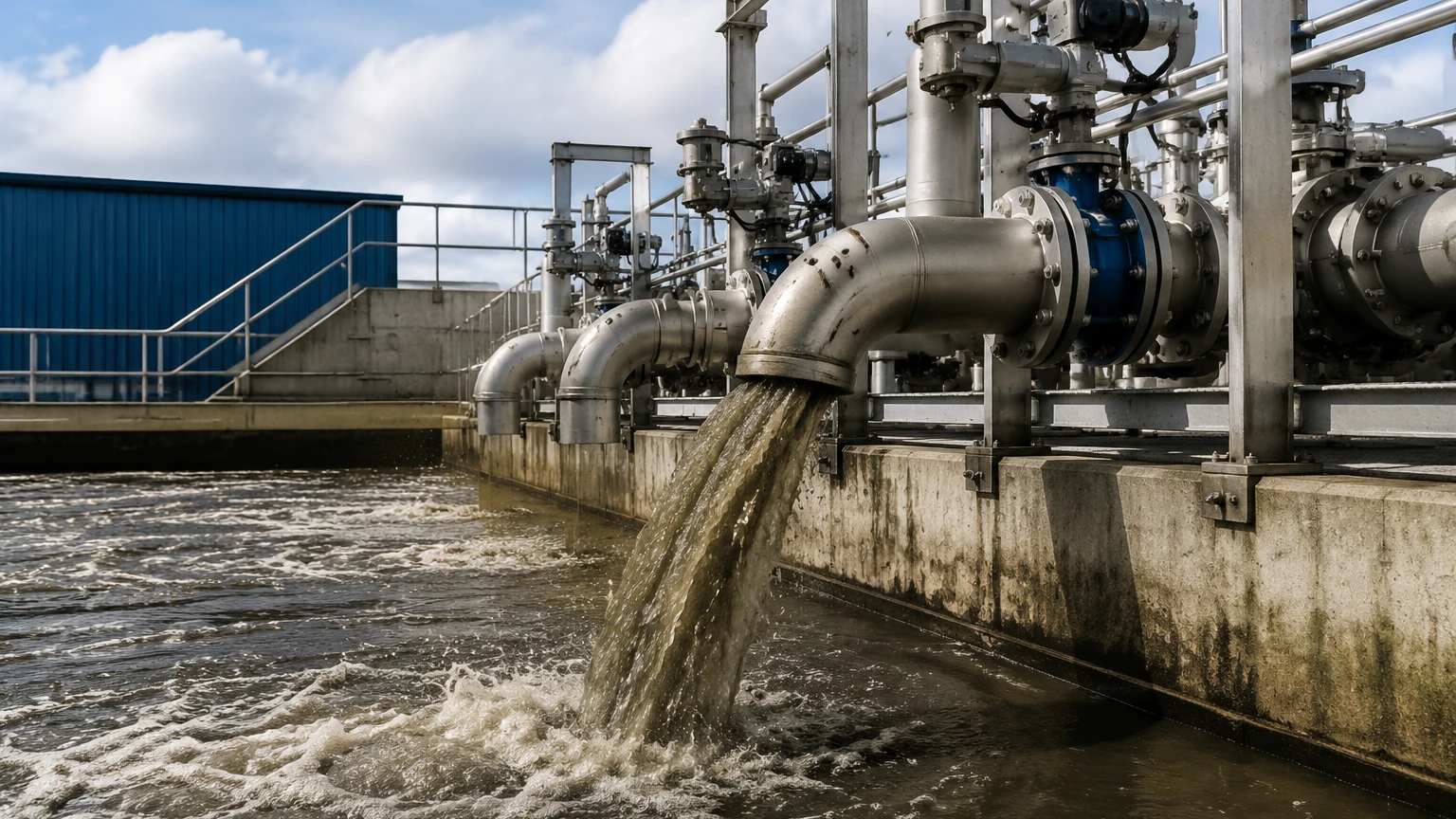
In modern industrial and municipal wastewater management, the transition toward automated sewage receiving stations has become a necessity rather than a luxury. These systems are designed to handle the intake of domestic, industrial, and storm sewage, ensuring that the transition from transport to treatment is seamless, safe, and efficient. At the heart of any automated sewage receiving system lies the precision of level measurement. Without accurate, real-time data regarding the volume and flow of incoming effluent, automation logic cannot function, leading to risks ranging from pump failure to environmental overflows.
This guide explores the technical foundations of automated sewage receiving, focusing on the measurement technologies that enable these systems to operate autonomously. By understanding the principles of level detection and the specific challenges of sewage environments, engineers can design more resilient infrastructure.
Principles of Level Measurement in Sewage Applications
Automated sewage receiving requires continuous monitoring of wet wells, storage tanks, and intake channels. Several measurement principles are commonly employed, each with distinct physical behaviors and suitability for wastewater.
Ultrasonic Level Measurement
Ultrasonic sensors operate on the "time-of-flight" principle. The sensor emits a high-frequency acoustic pulse that travels through the air, reflects off the surface of the sewage, and returns to the transducer. The distance is calculated based on the time taken for the pulse to return, adjusted for the speed of sound in air.
In sewage receiving, ultrasonic sensors are favored for their non-contact nature, which prevents fouling from grease, solids, and corrosive liquids. However, they are sensitive to air temperature fluctuations and heavy surface foam, which can absorb the acoustic signal.
Radar (FMCW) Level Measurement
Frequency Modulated Continuous Wave (FMCW) radar, particularly high-frequency 80GHz radar, is increasingly the standard for automated sewage receiving. Like ultrasonic sensors, radar is non-contact. However, it uses electromagnetic waves rather than sound. These waves are unaffected by air temperature, pressure, or the presence of steam and dust. Radar pulses can penetrate thin layers of foam and provide high-precision data even in turbulent conditions, making them ideal for high-flow receiving stations.
Hydrostatic Pressure Measurement
Hydrostatic transmitters measure the pressure exerted by the liquid column above the sensor. Since pressure is directly proportional to the height of the liquid (based on its density), the level can be determined accurately. In sewage applications, these sensors are typically submerged at the bottom of a well or tank. They are highly reliable for deep-well applications where surface conditions (like heavy foam or floating debris) might interfere with non-contact sensors.
Point Level Detection (Switches)
While continuous measurement is vital for automation, point level switches (such as float switches or conductive probes) act as critical safety redundancies. In an automated sewage receiving setup, these switches provide high-high or low-low level alarms to prevent overflows or dry-running of pumps if the primary continuous sensor fails.
Key Evaluation Criteria for Sensor Selection
Selecting the correct instrument for an automated sewage receiving project requires a thorough analysis of the site-specific conditions. Engineers should evaluate the following factors:
1. Media Composition: Sewage is rarely just water. It contains suspended solids, fats, oils, and greases (FOG), and potentially corrosive chemicals. Non-contact sensors are generally preferred to reduce maintenance.
2. Vapor and Condensation: Sewage wells are often humid environments. Sensors must have high ingress protection (IP68) and features to manage condensation on the sensor face.
3. Tank Geometry and Obstructions: Internal structures like ladders, pump supports, and inflow pipes can create "false echoes" for ultrasonic and radar sensors. Choosing sensors with narrow beam angles or advanced software for false-signal suppression is critical.
4. Hazardous Area Requirements: Many sewage receiving areas are classified as Class I, Div 1 or ATEX Zone 0/1 due to the presence of methane gas. All instrumentation must be appropriately certified (Ex-rated).
Selection Table: Comparison of Technologies
| Technology | Contact Type | Accuracy | Pros | Cons |
| :— | :— | :— | :— | :— |
| Ultrasonic | Non-contact | ±0.25% of range | Cost-effective, easy to install | Affected by foam and temperature |
| 80GHz Radar | Non-contact | ±1 mm to 2 mm | Unaffected by vapors, very high precision | Higher initial investment |
| Hydrostatic | Contact (Submerged) | ±0.1% to 0.5% | Reliable in deep wells, unaffected by foam | Susceptible to clogging from solids |
| Float Switches | Contact | N/A (Point only) | Simple, excellent for backup alarms | Moving parts can get stuck in grease |
For a comprehensive look at available instrument models and their specific technical data, engineers can visit the Main Page for detailed product specifications.
Installation Considerations for Automated Systems
The physical placement of the level sensor is as important as the technology itself. Poor installation is the leading cause of failure in automated sewage receiving systems.
Avoiding the Dead Zone
Every non-contact sensor has a "dead zone" or "blocking distance" (typically 0.2m to 0.5m or 8" to 20"). This is the area immediately below the sensor where it cannot take a measurement. Sensors must be mounted high enough that the maximum possible sewage level never enters this zone, otherwise, the automated system may receive an "error" or "full" signal prematurely.
Positioning Relative to Inflow
Sensors should never be mounted directly above the inflow pipe. The turbulence and splashing from incoming sewage will cause erratic readings and may physically damage the sensor over time. The sensor should be placed in a relatively calm area of the tank, or a stilling well (a vertical pipe that dampens turbulence) should be used.
Stilling Wells and Bypass Chambers
In applications with extreme turbulence or heavy foam, a stilling well can provide a stable surface for measurement. For hydrostatic sensors, a stilling well protects the cable and sensor body from the mechanical force of moving water. For radar, a stilling well ensures that the signal reflects off a smooth surface, maximizing accuracy.
Integration into Automation Architecture
In an automated sewage receiving station, the level sensor acts as the primary input for the Programmable Logic Controller (PLC) or SCADA system. The integration typically follows these steps:
1. Signal Output: Most modern sensors provide a 4-20mA signal with HART protocol, or digital outputs like Modbus RS485 or Profibus. This allows the sensor to communicate not just the level, but also diagnostic data (e.g., signal strength, internal temperature).
2. Pump Control Logic: The PLC uses the level data to manage pump cycles. For example, in a "Lead-Lag" configuration, Pump A starts at Level X, and Pump B starts at Level Y if the level continues to rise.
3. Data Logging and Reporting: For municipal compliance, automated systems log the volume of sewage received. This data is essential for billing, capacity planning, and regulatory reporting regarding Overflow Events (CSOs).
Limitations and Operational Risks
While automation significantly reduces manual labor, it introduces specific technical risks that must be managed:
* Sensor Fouling: Even non-contact sensors can suffer from "spider webbing" or condensation buildup that eventually blocks the signal. Regular inspection intervals are necessary.
* Signal Interference: In metal tanks or confined concrete wet wells, multi-path reflections can confuse the sensor. Modern radar sensors use software algorithms to "map" these reflections and ignore them, but initial commissioning requires a skilled technician.
* Power Surges: Sewage stations are often in isolated areas and are prone to lightning strikes or power surges. Proper grounding and the use of surge protection devices (SPDs) on the 4-20mA loop are mandatory to protect the automation electronics.
Frequently Asked Questions (FAQs)
Q: Can ultrasonic sensors be used if there is methane gas present?
A: Yes, provided the sensor is intrinsically safe or explosion-proof rated. However, methane can change the speed of sound slightly, which may impact the accuracy of ultrasonic measurements. Radar is generally preferred in gas-heavy environments as it is unaffected by gas composition.
Q: How do I handle heavy foam in a sewage receiving tank?
A: High-frequency (80GHz) radar is the best non-contact solution for foam. If the foam is extremely thick and dense, a hydrostatic pressure transmitter is the most reliable alternative, as it measures from the bottom and is indifferent to surface conditions.
Q: What is the maintenance schedule for a hydrostatic level sensor in sewage?
A: It depends on the solids content. In high-grease environments, the sensor diaphragm should be inspected every 3 to 6 months. Many operators use a "flush-mounted" diaphragm to prevent debris from snagging on the sensor.
Q: Is it possible to monitor sewage receiving stations remotely?
A: Yes. By integrating level sensors with cellular gateways or IIoT (Industrial Internet of Things) platforms, operators can monitor receiving levels, pump status, and alarms from a central office or mobile device.
Conclusion
Automated sewage receiving is a critical component of modern infrastructure that relies heavily on the accuracy of level measurement. By selecting the appropriate technology—whether it be the precision of 80GHz radar, the cost-effectiveness of ultrasonic, or the ruggedness of hydrostatic pressure—engineers can ensure that wastewater is handled safely and efficiently. Proper installation, combined with robust automation logic, minimizes the risk of environmental incidents and reduces the long-term operational costs of wastewater management. For those seeking specific instrumentation to complete their receiving station designs, the Main Page offers a wide array of industrial-grade solutions tailored for these challenging environments.