Chemical Concentration Sensor
Chemical Concentration Sensor
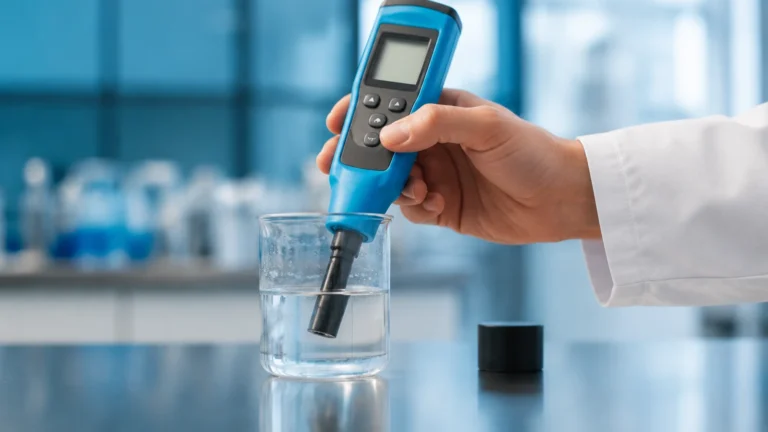
In the landscape of industrial process control, the ability to monitor the composition of fluids is as critical as tracking their volume or pressure. A chemical concentration sensor is a specialized instrument designed to measure the amount of a specific substance within a solution, typically expressed as a percentage, molarity, or grams per liter. These sensors are foundational to industries ranging from wastewater treatment and semiconductor manufacturing to chemical processing and food production.
Accurate concentration data ensures product consistency, optimizes chemical usage, and prevents hazardous conditions. However, selecting the right chemical concentration sensor requires a deep understanding of the underlying physical and chemical principles, as well as how these measurements interact with other process variables like tank levels and temperatures.
Understanding Measurement Principles for Chemical Concentration
Before selecting a sensor, engineers must understand the physical property the device uses to infer concentration. Because chemicals rarely "announce" their concentration directly, sensors measure a proxy variable that changes predictably as the concentration shifts.
Conductivity and Impedance
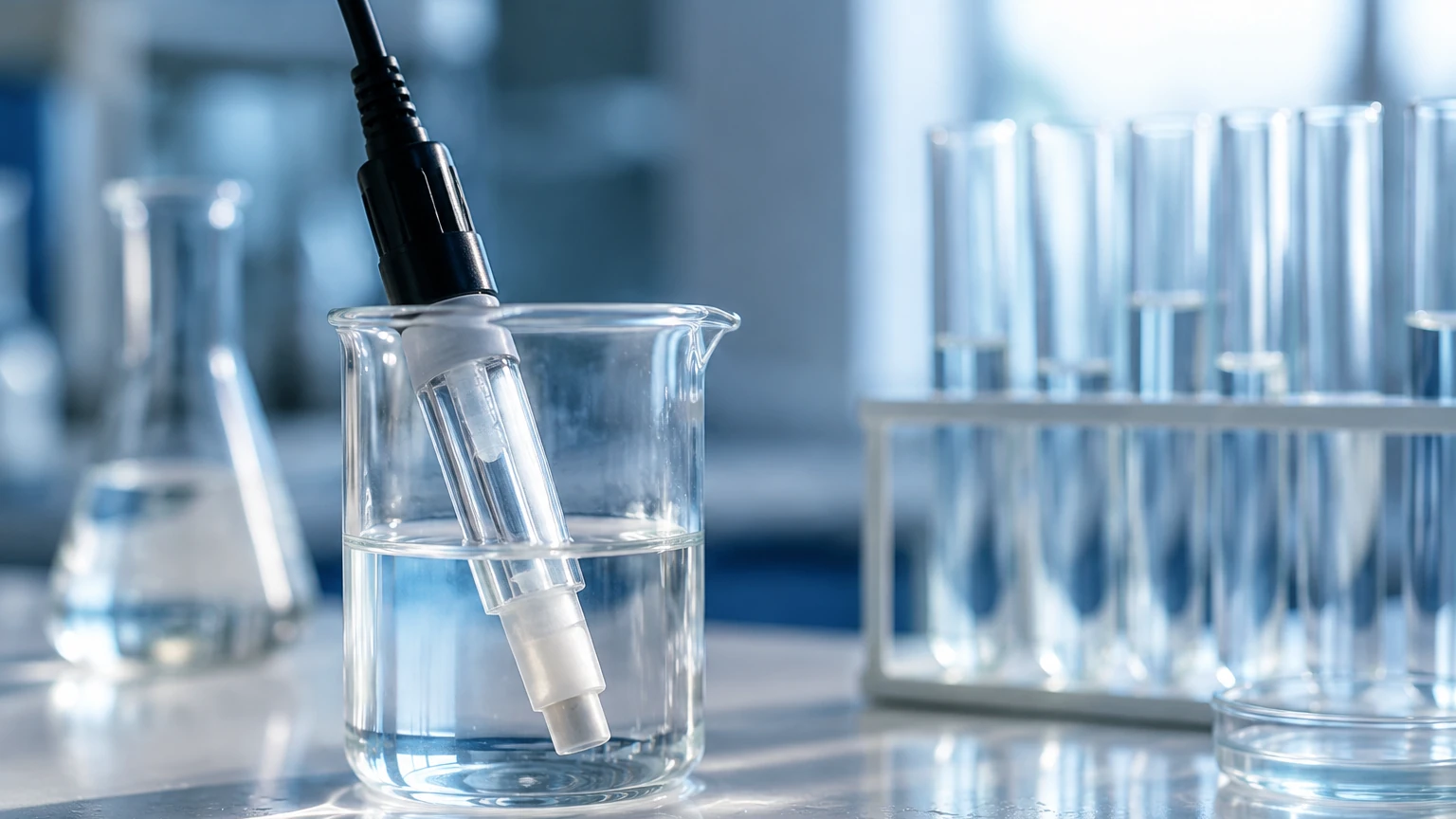
Conductivity measurement is one of the most common methods for determining the concentration of ionic solutions, such as acids (H2SO4, HCl) and bases (NaOH). As the concentration of ions increases, the liquid’s ability to conduct electricity generally increases. However, this relationship is often non-linear and can reach a "peak" where further concentration increases actually lead to a decrease in conductivity. Inductive (toroidal) conductivity sensors are preferred for high-concentration chemicals to avoid electrode polarization and fouling.
Ultrasonic Velocity
The speed of sound through a liquid is influenced by its density and compressibility, both of which are functions of concentration. By measuring the time-of-flight of an ultrasonic pulse across a known distance, a chemical concentration sensor can calculate the concentration of binary or quasi-binary mixtures. This method is non-intrusive and highly effective for liquids like sulfuric acid or alcohol-water mixtures.
Refractive Index (Refractometry)
When light passes from one medium to another, it bends. The angle of refraction is determined by the refractive index (RI) of the liquid. In many chemical solutions, the RI correlates directly with the concentration of dissolved solids or liquids. Modern process refractometers use the "critical angle" principle, where a light source is directed at the interface between a prism and the process fluid to determine the concentration of substances like sugar (Brix), glycols, or detergents.
Density and Differential Pressure
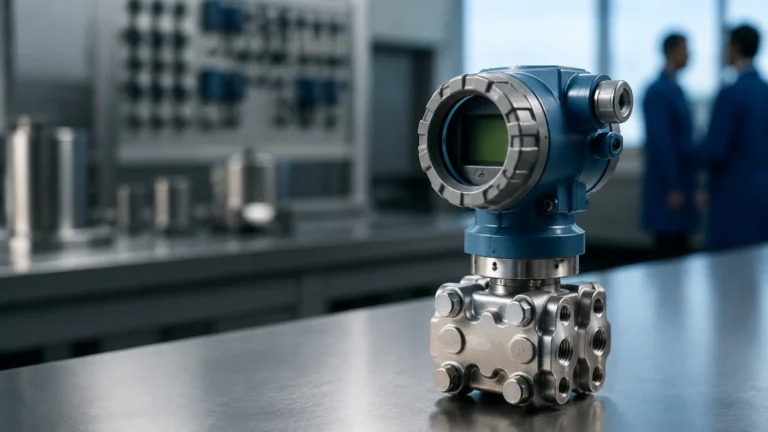
For many chemicals, concentration is directly proportional to density. This can be measured using Coriolis flow meters, vibrating forks, or hydrostatic pressure methods. In a hydrostatic setup, two pressure sensors placed at different heights in a tank can determine the fluid's density, which is then converted into a concentration value. This approach is often integrated into systems that also utilize Main Page solutions to monitor total volume simultaneously.
Types of Chemical Concentration Sensors in Industrial Processes
Different technologies offer varying levels of accuracy, chemical compatibility, and maintenance requirements. The following table summarizes the primary types of sensors used in modern B2B applications.
| Sensor Type | Operating Principle | Common Applications | Key Advantage |
| :— | :— | :— | :— |
| Inductive Conductivity | Electromagnetic Induction | Acid/Base concentration, CIP (Clean-in-Place) | No direct metal contact; resistant to fouling. |
| Process Refractometer | Refractive Index (Optical) | Dissolved solids, glycols, chemical blending | Highly accurate; unaffected by bubbles or color. |
| Ultrasonic Concentration | Sound Velocity | Polymerization, acid dilution, phase detection | Non-intrusive; no moving parts. |
| Coriolis Meter | Mass Flow & Density | Chemical dosing, fuel blending | Measures mass flow and concentration simultaneously. |
| Vibrating Element | Resonant Frequency | Brine concentration, oil/water separation | Robust; suitable for high-viscosity fluids. |
| Potentiometric/ISE | Ion-Selective Electrodes | pH control, specific ion monitoring (e.g., Fluoride) | High sensitivity to specific chemical species. |
Selection Criteria for Industrial Concentration Monitoring
Choosing a chemical concentration sensor involves more than just matching a chemical name to a data sheet. Engineers must evaluate the following criteria to ensure long-term reliability:
1. Chemical Compatibility: The wetted materials of the sensor must resist corrosion. For aggressive acids, sensors often require PEEK, PTFE, or specialized alloys like Hastelloy.
2. Measurement Range and Sensitivity: A sensor designed for 0-10% concentration may not provide the necessary resolution for a process requiring 98% purity. Ensure the sensor's "sweet spot" aligns with your target concentration.
3. Temperature and Pressure Ratings: Chemical reactions are often exothermic. Sensors must be rated for the maximum process temperature (often up to 150°C or higher) and provide automatic temperature compensation, as concentration-related properties are highly temperature-dependent.
4. Presence of Contaminants: If the fluid contains suspended solids, bubbles, or organic growth, optical sensors (refractometers) or contact-based conductivity sensors may require frequent cleaning or specialized mounting to prevent interference.
Integration with Level Measurement Systems
In industrial automation, concentration measurement rarely exists in a vacuum. It is almost always paired with level measurement to manage inventory and process safety. For example, in a chemical blending tank, a chemical concentration sensor ensures the mixture is correct, while a radar or ultrasonic level meter prevents overfills and ensures the agitator is submerged.
Welk provides a range of industrial level measurement instruments, including radar level meters and hydrostatic level transmitters, which are frequently used alongside concentration sensors. In applications like hydrochloric acid storage, a hydrostatic transmitter can provide both the level and—if paired with a second sensor—the density/concentration of the acid. Integrating these data points into a single PLC (Programmable Logic Controller) allows for real-time adjustments to dosing pumps, ensuring the process remains within tight specifications.
Installation Considerations and Best Practices
Correct installation is the difference between a high-performance system and a constant maintenance headache. Follow these guidelines for installing concentration sensors:
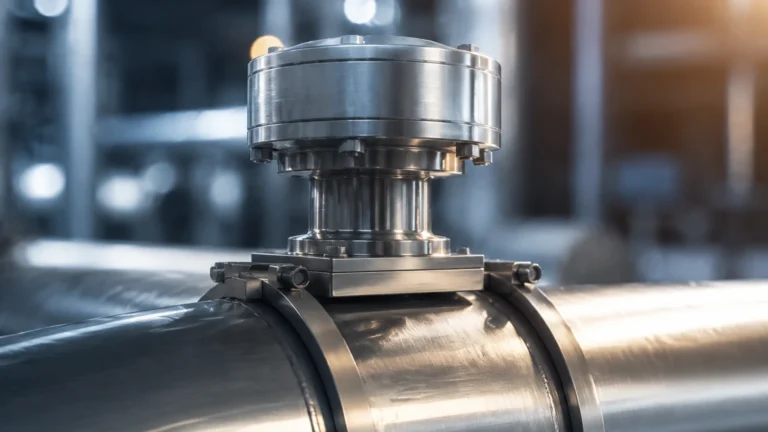
* Avoid Air Pockets: For inline sensors (ultrasonic or conductivity), ensure the pipe is always full. Installing the sensor in a vertical pipe with upward flow is the best way to prevent air bubbles from interfering with the signal.
* Turbulence Management: Some sensors, particularly optical refractometers, require stable flow. Avoid installing sensors immediately after a pump or a sharp 90-degree bend. A straight run of 5 to 10 pipe diameters is generally recommended.
* Temperature Stabilization: If the concentration measurement is highly sensitive to temperature, ensure the temperature probe is located as close to the concentration sensing element as possible to minimize lag.
* Accessibility for Calibration: Even the most advanced chemical concentration sensor will eventually require validation. Install the sensor in a location where it can be safely removed or where a sample port is available nearby for laboratory comparison.
Limitations and Operational Challenges
While modern sensors are highly capable, they are not infallible. Users should be aware of the following limitations:
* Cross-Sensitivity: Most concentration sensors are non-specific. For example, a conductivity sensor cannot distinguish between Sodium Chloride and Potassium Chloride in the same solution; it simply measures the total ionic load. If the process involves multiple changing variables, more complex analytical methods (like NIR spectroscopy) may be required.
* Fouling and Scaling: In wastewater or mineral processing, minerals can build up on the sensor surface. While inductive sensors handle this better than electrode-based ones, regular maintenance cycles are still necessary.
* Temperature Lag: In large-scale systems, the core of the fluid may be at a different temperature than the sensor body. This can lead to temporary inaccuracies during rapid temperature swings.
Frequently Asked Questions (FAQ)
Q: How often should a chemical concentration sensor be calibrated?
A: This depends on the technology and the environment. Optical refractometers are often very stable and may only need checking every six months. Conductivity sensors in corrosive environments should be checked monthly. Always refer to the manufacturer’s drift specifications.
Q: Can I use an ultrasonic level sensor to measure concentration?
A: While an ultrasonic level sensor measures the distance to the liquid surface, an ultrasonic *concentration* sensor measures the speed of sound *through* the liquid. They are different instruments, though they share similar transducer technology.
Q: What is the best sensor for high-purity water?
A: For ultra-pure water (UPW), a contacting conductivity sensor with a low cell constant (e.g., 0.01 cm⁻¹) is the industry standard, as the ion concentration is extremely low.
Q: Does pressure affect concentration measurements?
A: For most liquids, pressure has a negligible effect on concentration measurements. However, for gases or highly compressible liquids, pressure compensation is essential.
Conclusion
Implementing a robust chemical concentration sensor is vital for maintaining process efficiency and product quality in modern industry. By understanding the specific measurement principles—whether conductivity, refractive index, or sound velocity—and considering the environmental factors of the application, engineers can select a solution that provides accurate, repeatable data.
For comprehensive process control, it is equally important to pair these analytical measurements with reliable level monitoring. To explore high-performance radar, ultrasonic, and hydrostatic level instruments that complement your concentration monitoring needs, Review product options and application support to ensure your entire system operates with maximum precision and safety.