Portable Ph Meters
Portable Ph Meters
In the landscape of industrial process control, the measurement of liquid properties is as critical as the measurement of volume and level. While instruments like radar level meters and ultrasonic sensors provide essential data on the quantity of a medium, portable pH meters serve as the primary tool for verifying the chemical state of that medium in the field. For engineers and technicians working in water treatment, chemical processing, and industrial automation, understanding the technical nuances of portable pH measurement is vital for maintaining process integrity and equipment longevity.
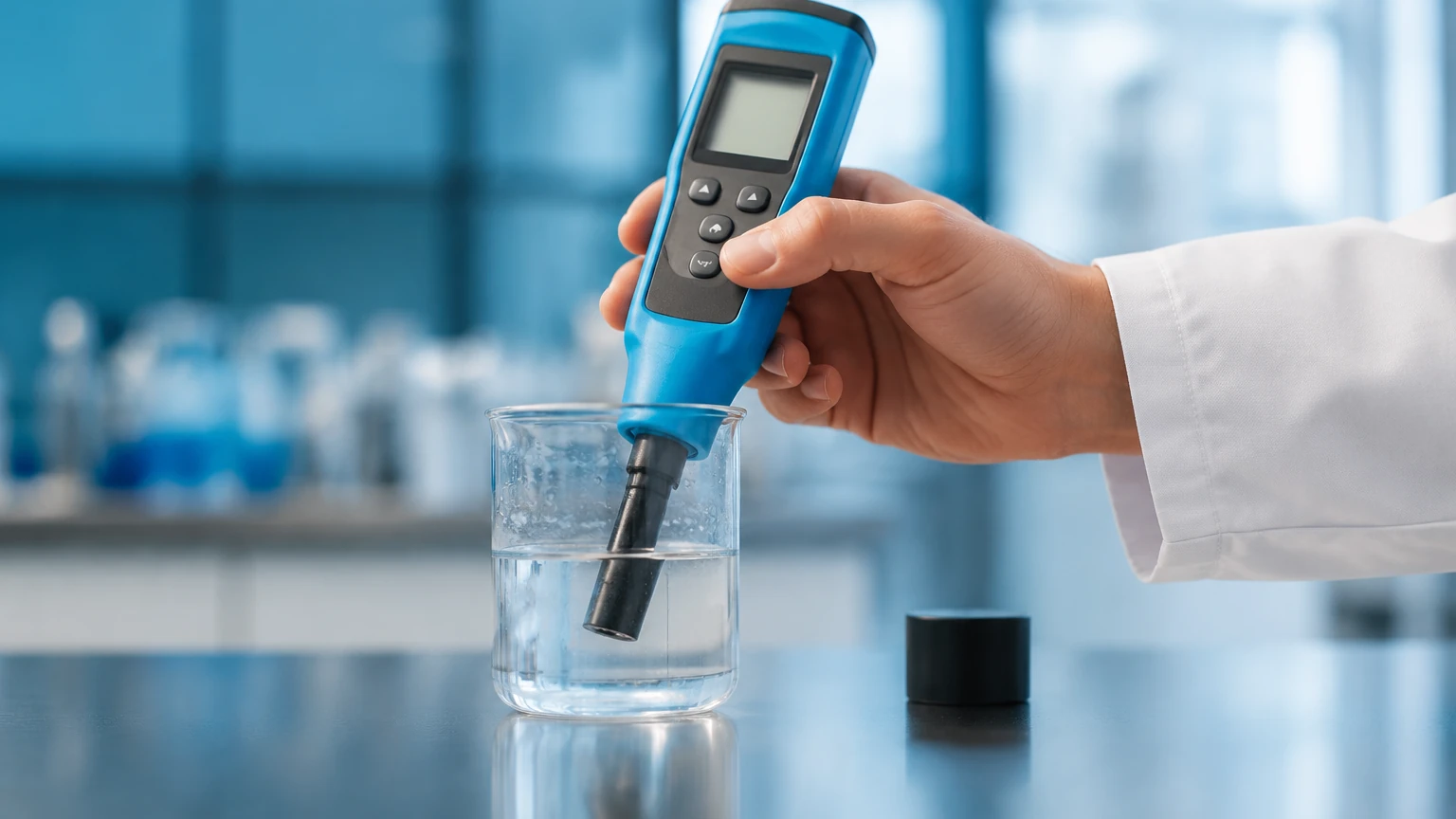
Portable pH meters are diagnostic instruments designed to measure the acidity or alkalinity of a solution. Unlike fixed, inline pH sensors that provide continuous monitoring, portable units offer the flexibility to perform spot checks, calibrate stationary equipment, and conduct environmental audits across various points of a facility. This guide explores the underlying principles, selection criteria, and practical applications of these essential tools within the context of industrial fluid management.
Fundamental Principles of pH Measurement
To effectively utilize portable pH meters, one must understand the electrochemical principles that govern their operation. The pH value is a logarithmic measurement of the hydrogen ion activity in a solution, typically ranging from 0 to 14. A pH of 7 is neutral, values below 7 are acidic, and values above 7 are alkaline.
The Potentiometric Method
Most industrial portable pH meters utilize the potentiometric method, which involves measuring the potential difference (voltage) between two electrodes immersed in a solution.
1. The Glass Electrode: This sensing electrode features a thin, specialized glass membrane. When submerged, hydrogen ions in the solution exchange with ions on the surface of the glass, creating a charge. The internal side of the glass is in contact with a buffer solution of known pH, establishing a stable reference.
2. The Reference Electrode: This electrode provides a stable, constant potential that is independent of the solution's pH. It typically uses a silver/silver chloride (Ag/AgCl) system and a junction that allows a small amount of internal electrolyte to leak into the sample, completing the electrical circuit.
3. The Nernst Equation: The meter converts the voltage difference between these two electrodes into a pH value using the Nernst equation. At 25°C (298.15 K), a change of one pH unit corresponds to a change of approximately 59.16 millivolts (mV).
Temperature Compensation
Temperature significantly impacts pH measurement in two ways: by affecting the chemical activity of the ions in the sample and by altering the sensitivity of the electrode (the "slope" of the Nernstian response). High-quality portable pH meters include Automatic Temperature Compensation (ATC), which uses an integrated temperature probe to adjust the mV-to-pH conversion in real-time, ensuring accuracy across varying process temperatures.
The Role of Portable Ph Meters in Industrial Field Operations
In many industrial settings, portable pH meters complement fixed instrumentation. While level measurement systems—such as those found on the Main Page of industrial equipment catalogs—track the physical volume of chemicals in a tank, portable pH meters verify the chemical identity and concentration of those fluids.
Verification and Calibration
Fixed inline pH sensors are prone to drift due to electrode coating, aging, or chemical attack. Portable pH meters are used as a reference standard to verify the accuracy of these inline sensors. By taking a grab sample and measuring it with a calibrated portable meter, technicians can determine if the stationary probe requires cleaning or recalibration.
Environmental and Safety Audits
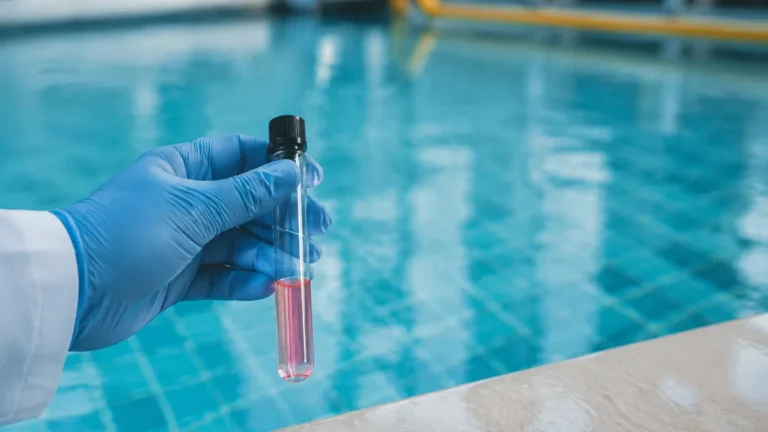
In water treatment and effluent monitoring, portable meters allow for rapid testing of discharge points that may not be equipped with permanent instrumentation. This ensures compliance with environmental regulations regarding the pH of wastewater before it enters municipal systems or natural water bodies.
Chemical Dosing Validation
In processes involving neutralization or chemical synthesis, portable meters are used to check the progress of a reaction or the effectiveness of a dosing pump. If a level transmitter indicates that a reagent tank is depleting, a portable pH check can confirm that the reagent is actually achieving the desired chemical shift in the process tank.
Key Features and Selection Criteria
Selecting the appropriate portable pH meter requires an evaluation of the operating environment and the specific characteristics of the fluid being measured. Industrial environments demand higher durability than laboratory settings.
1. Accuracy and Resolution
For most industrial applications, an accuracy of ±0.01 pH is standard. However, for basic water treatment spot checks, ±0.1 pH may suffice. The resolution should match the required precision of the process.
2. Electrode Construction and Junction Type
The electrode is the most vulnerable part of the meter.
* Double Junction Electrodes: Recommended for samples containing proteins, heavy metals, or sulfides, which can react with the silver ions in a standard single junction and clog the reference.
* Spear Tips: Designed for semi-solids or viscous fluids.
* Flat Surfaces: Ideal for measuring pH on flat surfaces or in very small volumes of liquid.
3. Ingress Protection (IP Rating)
Portable meters used in the field should have a minimum rating of IP67, meaning they are dust-tight and can withstand temporary immersion in water. This is crucial for applications near open tanks or in rainy outdoor environments.
4. Data Logging and Connectivity
Modern B2B-grade meters often include internal memory to store hundreds of data points, including time stamps and temperature. Bluetooth or USB connectivity allows this data to be exported to a central management system for reporting and compliance.
Comparison of Electrode Types and Applications
| Application Type | Recommended Electrode | Key Characteristic |
| :— | :— | :— |
| General Water Treatment | Single Junction Glass | Cost-effective, fast response |
| Chemical Processing | Double Junction / PTFE Junction | Resistant to contamination/clogging |
| Wastewater/Sludge | Flat Surface / Large Junction | Easy to clean, resists fouling |
| Food & Beverage | Spear Tip / Plastic Body | Durable, pierces semi-solids |
| High Purity Water | Low Impedance Glass | Stable readings in low-conductivity water |
Integrating pH Monitoring with Level Measurement Systems
In a comprehensive industrial automation strategy, chemical properties and physical levels are monitored in tandem. Welk’s range of level measurement solutions, including radar and ultrasonic transmitters, provides the data necessary to manage inventory and prevent tank overfills. However, the "health" of the liquid inside those tanks is often determined by pH.
For example, in a cooling tower application, an ultrasonic level sensor monitors the water level to trigger makeup water valves. Simultaneously, a technician uses a portable pH meter to check for acidity, which could indicate a biological bloom or a failure in the chemical treatment system. By correlating level data with pH readings, operators can identify leaks (indicated by unexpected level drops) or chemical imbalances (indicated by pH shifts) more effectively.
When designing a process loop, it is important to consider how portable data will be reconciled with continuous data from the Main Page of the facility’s control interface. Consistency in units (e.g., using metric Celsius for all temperature-related pH adjustments) ensures that data from portable meters can be accurately compared with data from fixed process sensors.
Calibration, Maintenance, and Storage Protocols
The accuracy of portable pH meters is entirely dependent on the condition of the electrode and the frequency of calibration.
Calibration Procedure
Industrial portable meters should be calibrated daily or before each use. A two-point or three-point calibration using standard buffer solutions (typically pH 4.01, 7.00, and 10.01) is recommended.
1. Rinse the electrode with deionized water.
2. Submerge in the pH 7.00 buffer (the "offset" point).
3. Rinse and submerge in the second buffer (pH 4 or 10) to establish the "slope."
4. The meter should display a slope percentage; a slope between 92% and 102% indicates a healthy electrode.
Maintenance and Cleaning
Electrodes must be kept clean to ensure a fast response. If the electrode becomes fouled with oils or scales, it should be cleaned with a specialized cleaning solution or a mild detergent. Never wipe the glass bulb with a cloth, as this can create a static charge that causes erratic readings; instead, blot it gently with lint-free paper.
Storage
Proper storage is the most critical factor in electrode lifespan. The sensing bulb and reference junction must remain hydrated. Always store the electrode in a specialized storage solution (usually 3M or 4M KCl). Never store a pH electrode in deionized or distilled water, as this will leach ions out of the reference electrolyte and shorten the sensor's life.
Limitations and Common Error Sources
Despite their versatility, portable pH meters have inherent limitations that users must account for:
* Sodium Error: In highly alkaline solutions (pH > 12) with high sodium concentrations, the glass membrane may respond to sodium ions as if they were hydrogen ions, resulting in a falsely low pH reading.
* Drift in Low Conductivity Water: Measuring pH in pure water (e.g., boiler feed water) is difficult because the low ion concentration leads to unstable potentials. Specialized low-impedance electrodes are required for these cases.
* Lifespan: A pH electrode is a consumable item. Even with perfect maintenance, the chemical sensitivity of the glass will degrade over 6 to 18 months.
* Pressure Sensitivity: Portable meters are designed for atmospheric pressure. If a sample is taken from a high-pressure line, the degassing of CO2 can cause the pH of the sample to change rapidly once it reaches the beaker.
Frequently Asked Questions (FAQ)
Q: How often should I replace my portable pH electrode?
A: In standard industrial use, electrodes typically last 12 to 18 months. If the calibration slope drops below 90% or the response time becomes excessively slow despite cleaning, it is time for a replacement.
Q: Can I use a portable pH meter to measure the concentration of an acid?
A: A pH meter measures hydrogen ion activity, which is related to concentration but not identical to it, especially in concentrated or complex solutions. For specific concentrations, titration or conductivity might be more appropriate, though pH is a useful indicator for dilute solutions.
Q: Why does my pH reading take so long to stabilize?
A: This is often due to a clogged reference junction, an aging electrode, or measuring a sample with very low conductivity or a temperature significantly different from the electrode's temperature.
Q: Is it necessary to calibrate at multiple points?
A: Yes. A single-point calibration only adjusts the offset (pH 7). A second point is necessary to determine the slope of the electrode's response, which ensures accuracy as you move away from neutral pH.
By integrating robust portable pH meters into their maintenance and monitoring toolkits, industrial operators can ensure that their chemical processes remain within specification. When combined with reliable level measurement technologies, these instruments provide a complete picture of fluid dynamics and chemistry, facilitating safer and more efficient plant operations.