Chemical Mixing Equipment Maintenance and Repair Services Market
Chemical Mixing Equipment Maintenance and Repair Services Market
The chemical mixing equipment maintenance and repair services market is a critical segment of the broader industrial processing sector. As chemical plants strive for higher uptime and stricter adherence to safety regulations, the demand for specialized services to maintain agitators, blenders, and the sophisticated instrumentation that monitors them has intensified. In complex mixing environments, the reliability of level measurement instruments is directly tied to the overall health of the mixing system. Inaccurate readings or sensor failures can lead to tank overflows, dry-running of agitators, and significant mechanical damage, highlighting the intersection between mechanical maintenance and precise process control.
The Role of Instrumentation in the Maintenance Landscape
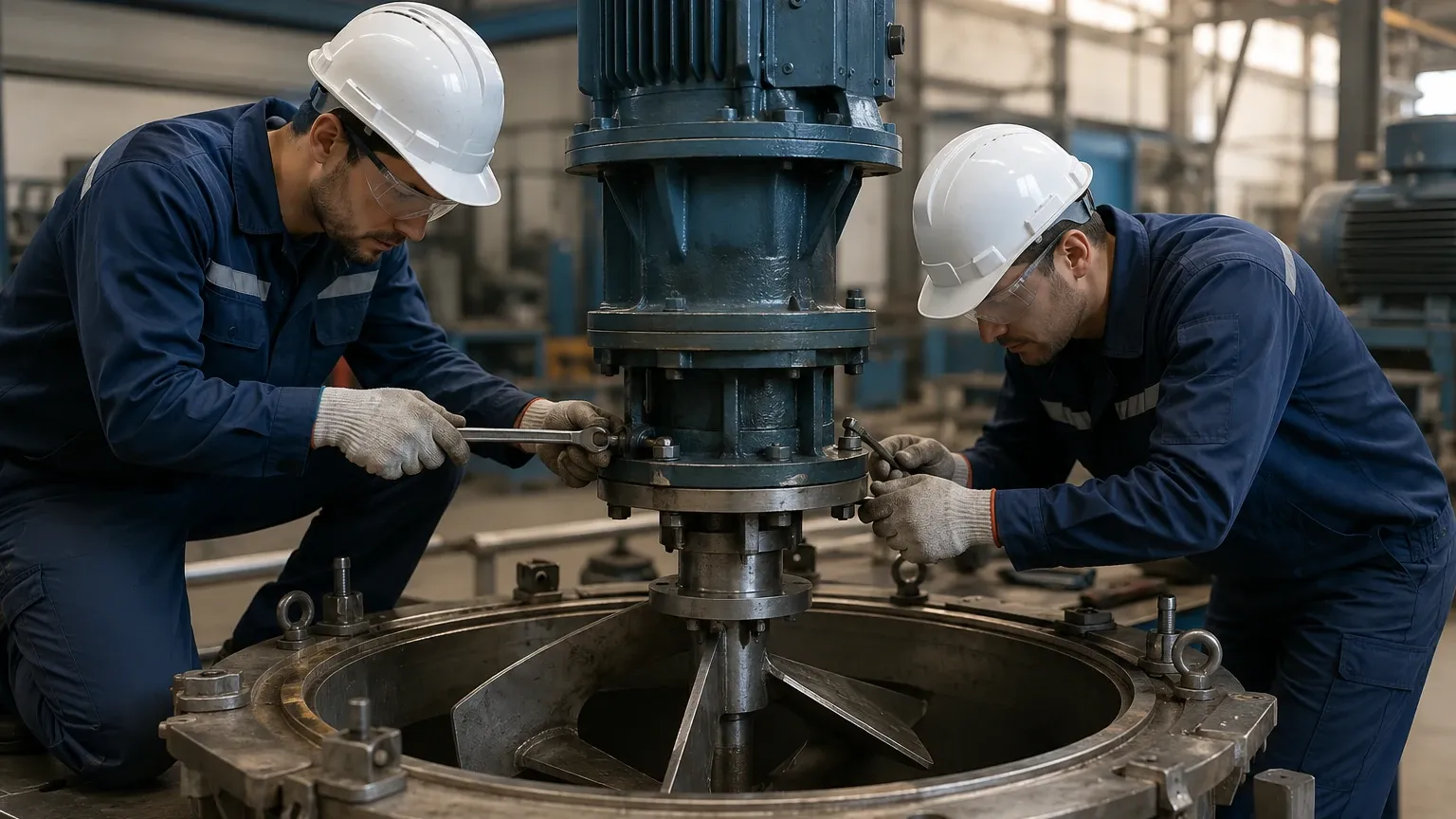
In the chemical mixing equipment maintenance and repair services market, service providers are increasingly focusing on the integration of mechanical repairs with electronic diagnostic tools. Mixing vessels are harsh environments characterized by turbulence, corrosive chemicals, and varying pressures. Maintaining these systems requires more than just lubricating bearings or replacing seals; it requires ensuring that the level sensors—the "eyes" of the process—are functioning correctly.
When a level sensor fails in a mixing tank, the resulting downtime can be costly. For instance, if a radar level meter is misaligned due to vibration from an unbalanced agitator, the process may need to be halted for recalibration. Therefore, the market for maintenance services now frequently includes the calibration and optimization of level measurement technologies to prevent mechanical strain on the mixing hardware. Operators looking to optimize their systems often Review product options and application support to ensure their instrumentation matches the specific demands of their mixing applications.
Measurement Principles for Level Sensors in Mixing Vessels
Before selecting or maintaining level instruments within the chemical mixing equipment maintenance and repair services market, it is essential to understand the physics behind the measurement. Chemical mixing often involves high-viscosity fluids, foaming, and rapid surface changes.
Radar Level Measurement (Non-Contact)
Radar level meters emit high-frequency electromagnetic pulses (typically in the 26GHz or 80GHz range). These pulses reflect off the surface of the liquid and return to the sensor. The time-of-flight is used to calculate the distance.
- Advantages: Unaffected by temperature, pressure, or vacuum. High-frequency radar (80GHz) has a narrow beam angle, making it ideal for avoiding internal obstructions like agitator blades.
- Maintenance Focus: Ensuring the antenna remains free of chemical buildup or condensation.
Ultrasonic Level Measurement
Ultrasonic sensors use sound waves to detect the liquid level. The sensor emits a pulse that bounces off the surface and returns.
- Advantages: Cost-effective for non-corrosive or mildly corrosive applications at atmospheric pressure.
- Limitations: Performance can be degraded by heavy foam, steam, or high-intensity turbulence common in chemical mixing.
Hydrostatic Pressure Measurement
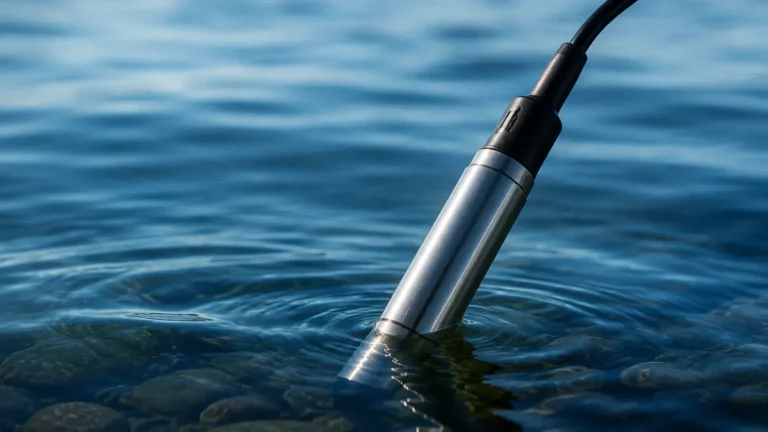
This method measures the pressure exerted by the liquid column at the bottom of the tank. The level is calculated based on the fluid's density and the gravitational constant.
- Advantages: Simple to install and highly reliable for liquids with consistent density.
- Maintenance Focus: Diaphragm cleaning and ensuring the capillary tubes or atmospheric vents are not clogged.
Selection Criteria for Level Instruments in Chemical Mixers
Choosing the right instrument is a proactive step in reducing the long-term costs within the chemical mixing equipment maintenance and repair services market. The following table provides a comparison for common selection scenarios:
| Feature | Radar (80GHz) | Ultrasonic | Hydrostatic | Magnetic Level Gauge |
| :— | :— | :— | :— | :— |
| Turbulence Tolerance | High | Low | High | Medium |
| Foam Resistance | Medium/High | Low | High | High |
| Corrosion Resistance | Excellent (PTFE) | Good | Variable | High |
| Maintenance Frequency | Low | Medium | Medium | Low |
| Installation Complexity | Low | Low | Medium | High |
| Typical Accuracy | ±2 mm | ±0.25% of range | ±0.1% to 0.5% | ±5 mm |
Installation Considerations for Reduced Maintenance
Proper installation is the most effective way to minimize the need for repair services. In the context of the chemical mixing equipment maintenance and repair services market, engineers must account for the mechanical forces present during the mixing cycle.
1. Avoid the Agitator Path: Sensors must be positioned so that the measurement beam does not intersect with the agitator blades. For radar sensors, utilizing a narrow beam angle helps isolate the liquid surface from the mechanical hardware.
2. Stilling Wells and Bypass Chambers: In cases of extreme turbulence or heavy foaming, installing the level sensor inside a stilling well (a vertical pipe within the tank) or an external bypass chamber can provide a calm surface for measurement. This protects the sensor from physical impact and reduces signal noise.
3. Vibration Damping: Mixing equipment generates significant vibration. Level transmitters should be mounted using vibration-resistant brackets to prevent electronic component fatigue and housing cracks.
4. Chemical Compatibility: All wetted parts, including gaskets and diaphragms, must be compatible with the process media. In the chemical industry, PTFE, Hastelloy, and Tantalum are common materials used to extend the interval between repair services.
Market Drivers and Service Trends
The chemical mixing equipment maintenance and repair services market is currently influenced by several key factors:
* Aging Infrastructure: Many chemical processing plants are operating with equipment that is decades old. This creates a steady demand for repair services and the retrofitting of modern level measurement solutions to improve efficiency.
* Regulatory Compliance: Environmental and safety regulations (such as those governing hazardous waste or volatile organic compounds) require highly accurate level monitoring to prevent leaks and spills. Maintenance providers are now expected to provide documented calibration certificates as part of their service packages.
* Digital Transformation (IIoT): Modern level meters can provide diagnostic data regarding their own health and the condition of the process. Maintenance teams use this data for predictive maintenance, identifying a failing bearing in a mixer by analyzing the vibration patterns reflected in the level signal.
Limitations and Operational Challenges
Despite advancements, certain conditions remain challenging for both the equipment and the service providers in the chemical mixing equipment maintenance and repair services market.
* Vortex Formation: High-speed mixing often creates a vortex, where the liquid level is lower in the center than at the edges. This can lead to false readings if the sensor is positioned incorrectly. Hydrostatic sensors are less affected by surface shape but may be influenced by the centrifugal force of the liquid.
* Coating and Scaling: Many chemical reactions result in the buildup of solids on the tank walls and instrumentation. While non-contact radar is less susceptible, heavy buildup on the antenna can eventually attenuate the signal, requiring manual cleaning.
* High Temperature and Pressure: In reactors where mixing occurs at temperatures exceeding 200°C or pressures above 40 bar, specialized cooling fins or high-pressure seals are required for the instrumentation, increasing the complexity of repair tasks.
Frequently Asked Questions
How often should level sensors in chemical mixers be calibrated?
In most standard chemical applications, an annual calibration is recommended. However, in highly corrosive environments or processes where accuracy is critical for safety, semi-annual inspections are preferred to ensure the integrity of the chemical mixing equipment maintenance and repair services market standards.
Can radar level meters work in tanks with heavy foam?
Standard radar can struggle with thick, dense foam as it absorbs the signal. However, low-frequency radar or guided wave radar (GWR) can often penetrate foam, or the use of a stilling well can provide a clear liquid surface for measurement.
What is the primary cause of level sensor failure in mixing applications?
Mechanical vibration is a leading cause of failure, followed by chemical attack on the sensor's wetted parts. Ensuring proper mounting and material selection during the initial design phase can significantly reduce the frequency of repair services.
Are non-contact sensors always better than contact sensors for mixing?
Not necessarily. While non-contact sensors like radar reduce maintenance by avoiding physical contact with the media, contact-based methods like hydrostatic pressure or magnetic level gauges are often more reliable in extremely turbulent or foaming conditions where a clear "surface" does not exist for a beam to bounce off of.
For engineers and procurement professionals navigating the chemical mixing equipment maintenance and repair services market, selecting the right instrumentation is a foundational step in ensuring plant longevity. By understanding the measurement principles and installation requirements, facilities can reduce unplanned downtime and maintain a safer, more efficient production environment. For further technical specifications and to explore specific measurement solutions, visit the Main Page for comprehensive product data.
Download Chemical Mixing Equipment Maintenance and Repair Services Market as a PDF